
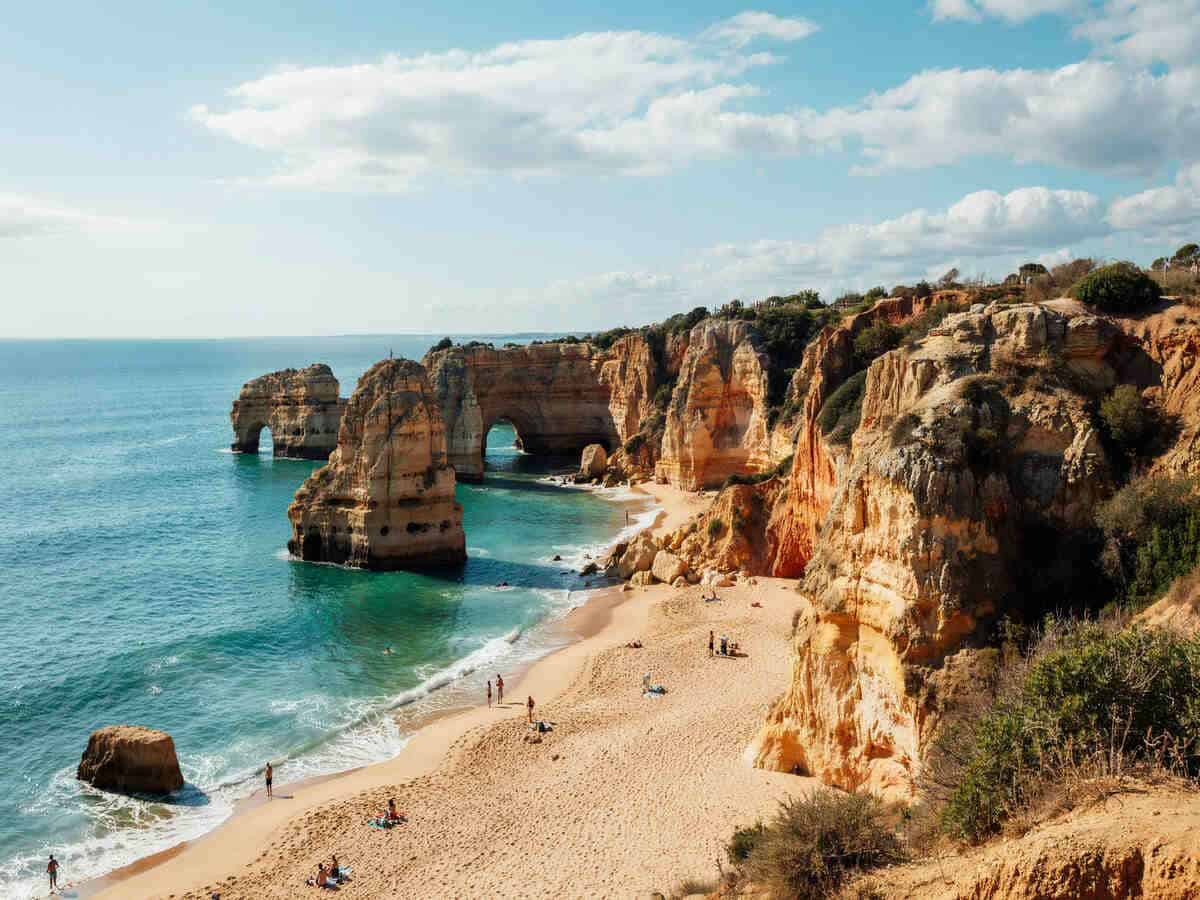
Image generated with Ai
Portugal And Spain to Make La Raya a Cross-Border Tourism Destination . Portugal and Spain are set to make history as the famed border of La Raya becomes a hot destination for cross-border tourism. The legendary La Raya or A Raia in Portugal is soon going to be hailed as a cross-border tourism hotspot. This region famous for its historic past is all set to woo tourists as it offers a unique insight into the historic, geographic and cultural significance of the area.
Stretching across more than 1,200 kilometres, the Portugal–Spain border represents one of Europe’s most fascinating cross-border regions. It combines ancient villages, impressive fortresses, dramatic landscapes, traditional cuisine and centuries of shared heritage. In 2026, this unique border area is entering a new tourism era as Portugal and Spain focus on creating unforgettable experiences that allow visitors to explore two countries through one extraordinary journey.
La Raya is no longer just a line on a map. It is becoming a masterpiece of border tourism where history, nature and culture unite.
For hundreds of years, the Portugal–Spain border was shaped by conflicts, defence systems and political struggles. Powerful fortresses and protected settlements were built across the region to guard territories and strengthen national identities.
Advertisement
Advertisement
Today, these same historic landmarks have become some of the biggest attractions driving tourism growth.
Portugal and Spain are transforming old border towns into vibrant destinations where visitors can discover:
The new tourism vision focuses on showing travellers the beauty of the border region rather than its historical divisions.
Visitors are increasingly searching for authentic destinations away from crowded cities. La Raya offers exactly that — a slower, deeper and more meaningful travel experience where every town tells a story.
Advertisement
Advertisement
One of the greatest strengths of Portugal–Spain border tourism is the incredible collection of historic towns that showcase the shared past of the Iberian Peninsula.
Elvas has become one of the most impressive examples of border heritage. Its powerful defensive structures represent centuries of history and attract visitors interested in architecture, culture and historical exploration.
The town offers travellers a journey into the past while demonstrating how former military locations can become modern tourism attractions.
In the northern region, Valença in Portugal and Tui in Spain represent one of the most beautiful examples of cross-border connection.
These destinations combine historic streets, religious heritage and scenic river landscapes. Travellers can experience two cultures within a short distance while discovering the deep relationship between communities on both sides.
Across central areas of the border, towns filled with fortifications, traditional buildings and historic landscapes are gaining attention from travellers seeking unique European experiences.
These destinations are helping create a new heritage tourism route that connects Portugal and Spain through stories of resilience, culture and transformation.
While history is one of La Raya’s biggest attractions, nature is becoming an equally powerful reason for travellers to explore the region.
The Portugal–Spain border is surrounded by spectacular landscapes including:
The region is becoming a paradise for travellers interested in outdoor experiences.
Popular activities include:
Unlike Europe’s crowded tourist centres, La Raya offers peaceful landscapes where visitors can reconnect with nature and experience authentic local environments.
Portugal and Spain are using these natural assets to create tourism experiences that highlight sustainability and responsible travel.
The rivers flowing through La Raya are becoming powerful symbols of cooperation between the two nations.
The border region is connected by important waterways that have shaped local history and communities for generations.
These rivers are now creating new tourism opportunities through:
The Guadiana River area has become especially important because it connects Portugal’s southern landscapes with Spain’s Andalusian region.
The famous connections between communities on both sides show how rivers that once represented separation can now become pathways for tourism growth.
Food is becoming one of the strongest attractions for visitors exploring La Raya.
The border region has developed a unique culinary identity influenced by both Portuguese and Spanish traditions.
Travellers can discover:
The cuisine of the border tells the story of communities that have shared traditions for centuries.
Food tourism allows visitors to experience the region through flavours, family traditions and local products that cannot be easily found anywhere else.
The combination of gastronomy, heritage and landscapes gives La Raya a powerful advantage in attracting international travellers.
The growth of tourism is also bringing new opportunities to smaller communities across the Portugal–Spain border.
Many rural areas have historically faced challenges due to population decline and fewer economic opportunities. Tourism is now helping these communities create new sources of income while protecting their traditions.
Local areas are developing:
This new tourism model allows visitors to experience authentic village life while supporting local economies.
Travellers today want more than sightseeing. They want stories, connections and experiences that feel real. La Raya provides exactly this type of travel opportunity.
Portugal and Spain are showing how international borders can become engines of tourism growth.
Instead of competing separately, both countries are creating a connected tourism identity around shared heritage and landscapes.
The cross-border approach encourages travellers to combine destinations such as:
This creates longer travel experiences and encourages visitors to discover lesser-known destinations.
The idea is simple: one border, two countries, endless experiences.
The easy movement between Portugal and Spain gives La Raya a major tourism advantage.
Travellers can explore both countries through flexible journeys, allowing them to combine different landscapes, cultures and attractions.
A visitor can begin with Portugal’s historic towns, continue through border villages and finish among Spain’s cultural destinations.
This seamless travel experience makes La Raya especially attractive for international visitors looking for multi-destination European holidays.
The rise of Portugal–Spain border tourism reflects a major change in global travel trends.
Modern travellers increasingly prefer destinations that offer:
La Raya delivers all of these elements.
It offers something different from traditional European tourism. Instead of famous landmarks alone, visitors discover hidden villages, forgotten stories and landscapes filled with character.
The transformation of La Raya proves that borders can become bridges of opportunity.
Portugal and Spain are turning an ancient frontier into a modern tourism masterpiece where history, nature and culture come together.
The region’s castles are becoming attractions, villages are becoming experiences, rivers are becoming connections and traditions are becoming tourism treasures.
As travellers search for more meaningful journeys in 2026 and beyond, La Raya stands ready to become one of Europe’s most captivating cross-border destinations.
Portugal And Spain are making La Raya an attraction for border tourism with its historical towns, and natural attractions. This border is becoming a point of entrance to an Iberian tour of wonders of the region The iconic frontier is being transformed from dividing line to connective tissue, linking one unforgettable destination to another, and a new tourism product in the region is being created, captivating the travelers
Portugal and Spain are not only promoting border tourism, but also are generating a new Iberian tourism product which can be attractive for the international visitors.
Advertisement
Tags: border tourism, La Raya travel, Portugal, spain
Advertisement
Advertisement













Saturday, September 5, 2026

Friday, September 4, 2026

Saturday, September 5, 2026

Saturday, September 5, 2026

Thursday, September 3, 2026

Wednesday, September 2, 2026

Saturday, September 5, 2026

Saturday, September 5, 2026


