
United States Pairs With Cuba And More To Boost Miami Food Tourism Through Diverse Culinary Experiences

Published
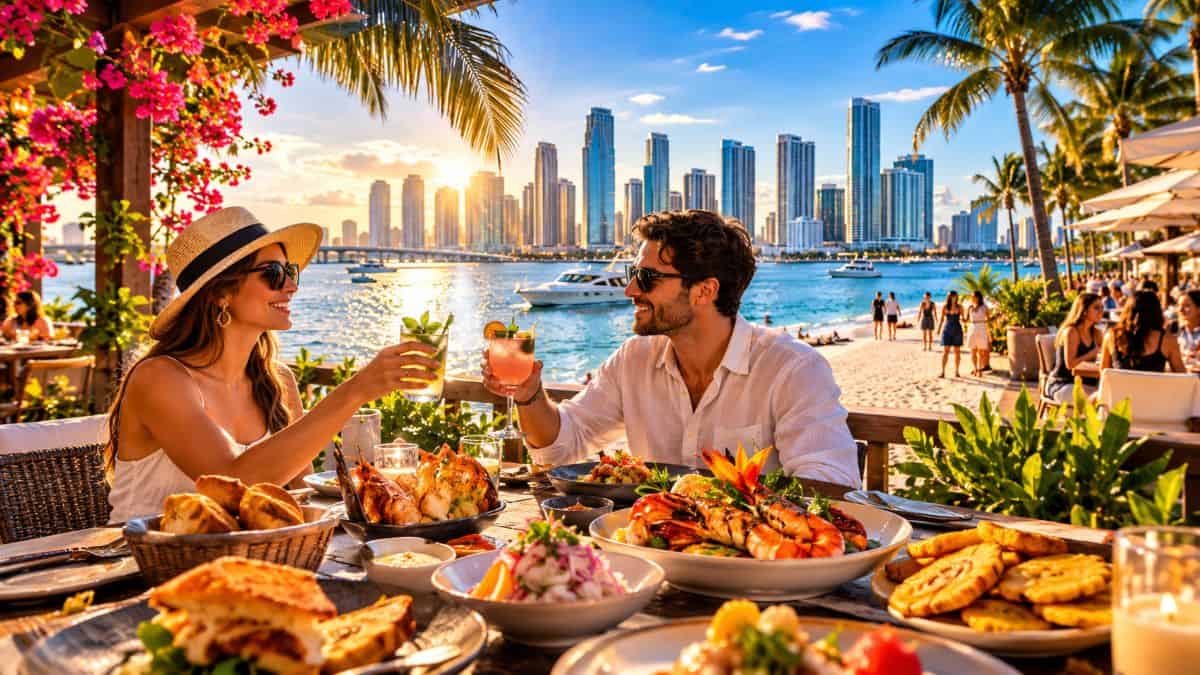
Miami, in the United States, is attracting attention for a culinary identity shaped by Cuban traditions, Caribbean heritage, Latin American influences and international dining cultures. From neighbourhood cafés serving strong Cuban coffee to seafood restaurants overlooking Biscayne Bay, the city offers visitors a way to explore its history and multicultural character through food. Its dining scene extends beyond high-end restaurants, embracing bakeries, family-run establishments, food halls and independent coffee shops that reflect the everyday lives of local communities.
The city’s culinary appeal is particularly evident in neighbourhoods such as Little Havana, Wynwood, Coral Gables, Brickell and Miami Beach. Each offers a different experience, allowing travellers to connect dining with architecture, shopping, nightlife and cultural exploration. Cuban sandwiches, Peruvian ceviche, fresh seafood, artisan pastries and contemporary international cuisine contribute to a varied tourism offering. As travellers increasingly seek experiences rooted in local identity, Miami’s restaurants and food districts provide opportunities to discover the destination beyond its familiar beaches and entertainment venues.
Advertisement
Advertisement
Miami’s Multicultural Food Scene Supports Tourism Growth
Miami’s food culture reflects generations of migration, trade and cultural exchange. Cuban communities have played a particularly significant role in shaping the city’s identity, while Caribbean, Central American, South American and European influences have expanded its culinary landscape. These traditions are visible in restaurant menus, bakery counters, coffee windows and neighbourhood markets, making food an important part of understanding the destination.
For visitors, dining can become an introduction to the city’s social history. Cuban coffee counters offer a glimpse into everyday routines, while restaurants specialising in Peruvian and other Latin American cuisines demonstrate the breadth of the region’s culinary traditions. International influences are also evident in contemporary establishments that combine different cooking techniques and ingredients.
Advertisement
Advertisement
Food tourism allows travellers to organise itineraries around neighbourhoods rather than individual attractions. A morning spent sampling pastries and coffee in one district can lead to an afternoon exploring cultural landmarks and an evening enjoying seafood or contemporary dining elsewhere. This approach encourages visitors to spend time in different parts of Miami and discover businesses beyond the main tourist corridors.
The economic benefits of culinary tourism can extend to independent restaurants, specialist food retailers, cafés and local suppliers. However, the scale of these benefits depends on visitor spending, business conditions and the ability of neighbourhood establishments to maintain their distinct identities as tourism demand evolves.
Advertisement
Advertisement
Matrix Showing Miami’s Multicultural Culinary Landscape and Tourism Opportunities
| Matrix Category | Cultural Influences | Key Food Experiences | Miami Locations | Tourism Opportunities |
|---|---|---|---|---|
| Miami Food Tourism | United States and international cuisines | Multicultural restaurants, bakeries, coffee and seafood | Citywide | Promote Miami as a diverse culinary destination |
| Cuban Cuisine | Cuba and Cuban-American heritage | Cuban sandwiches, croquetas, pastelitos and cafecito | Little Havana, Calle Ocho | Cultural food tours and heritage experiences |
| Caribbean Cuisine | Caribbean nations | Traditional dishes, seafood and tropical flavours | Various Miami neighbourhoods | Showcase Caribbean food traditions |
| South American Cuisine | Peru and other South American countries | Ceviche, seafood and regional specialities | Coral Gables, Brickell | Regional food tours and culinary exploration |
| European Cuisine | Italy and other European countries | Italian meals, pastries and contemporary dining | Coral Gables, Design District | Combine food with shopping and architecture |
| Contemporary Dining | Asian, European and Latin American influences | Fusion dishes and wood-fired cooking | Wynwood, Brickell, Miami Beach | Attract visitors seeking innovative cuisine |
| Local Cafés and Bakeries | Cuban, European and American influences | Coffee, artisan bread, pastries and sandwiches | Little Havana, Wynwood, Coral Gables | Encourage café visits and local business spending |
| Urban Dining | International culinary traditions | Food halls, restaurants and evening dining | Downtown Miami, Brickell | Combine dining with entertainment and sightseeing |
| Coastal Food Experiences | American coastal and international influences | Seafood and waterfront dining | Key Biscayne, Miami Beach | Connect dining with beaches and recreation |
| Sustainable Food Tourism | Local businesses and suppliers | Responsible sourcing and waste reduction | Citywide | Encourage responsible tourism practices |
| Economic Opportunities | Independent and family-owned businesses | Restaurant meals, food tours and local products | Across Miami | Support local hospitality businesses and suppliers |
| Overall Tourism Development | Multicultural culinary heritage | Traditional dishes, international cuisine and premium dining | Little Havana, Wynwood, Coral Gables, Brickell and Miami Beach | Strengthen Miami’s appeal through food, culture and neighbourhood exploration |
Little Havana Preserves The City’s Cuban Culinary Heritage
Little Havana remains one of Miami’s most recognisable destinations for travellers interested in Cuban food and cultural heritage. Centred on Calle Ocho, the neighbourhood combines restaurants, cafés, bakeries, shops and public spaces where food is closely connected to community life.
Cuban sandwiches, croquetas, pastelitos and cafecito are among the familiar specialities visitors encounter. The Cuban sandwich brings together bread, roasted pork, ham, cheese, mustard and pickles, while croquetas provide a crisp, savoury snack. Pastelitos, often filled with guava or other sweet ingredients, offer another characteristic taste of the local bakery tradition.
Advertisement
Advertisement
Versailles is a longstanding Cuban restaurant associated with the neighbourhood’s dining culture. El Cristo is another established option for visitors seeking Cuban dishes. These venues form part of a wider culinary landscape that includes smaller cafés and bakeries, where the experience may be as much about the atmosphere and daily routines as the food itself.
Travellers can combine a meal with a walk along Calle Ocho, exploring public art, local shops and cultural landmarks. Such visits offer a broader understanding of how migration and heritage have influenced Miami’s development.
Responsible food tourism also requires respect for the communities that sustain these traditions. Visitors can support local businesses, avoid treating neighbourhood culture as a performance and allow time to appreciate the history behind familiar dishes.
Wynwood And The Design District Combine Food With Contemporary Culture
Wynwood has developed a reputation for street art, creative businesses and contemporary dining. Its colourful murals and galleries provide a setting in which food experiences can be combined with cultural exploration, making the district attractive to visitors seeking an urban itinerary.
Advertisement
Advertisement
Zak the Baker is known for its artisan bakery offering, while Enriqueta’s Sandwich Shop provides a more traditional approach to casual dining. Panther Coffee has become associated with Miami’s speciality coffee culture. Together, such establishments illustrate the range of experiences available to travellers, from carefully prepared baked goods to familiar local sandwiches and coffee.
The Design District offers a different atmosphere, bringing together architecture, design, fashion and restaurants. Dining options range from casual establishments to premium venues, creating opportunities for travellers to combine meals with shopping and cultural visits.
Contemporary restaurants such as Kyu are associated with wood-fired cooking, while Boia De has gained recognition for its Italian-inspired dining. Their appeal demonstrates how Miami’s culinary identity extends beyond traditional regional dishes into internationally influenced restaurant experiences.
Visitors should check current menus, booking arrangements and opening times before planning their trips, particularly when targeting popular dining venues. Combining restaurant visits with nearby galleries and public art can also make an itinerary more practical and reduce unnecessary travel between districts.
Downtown Miami And Brickell Expand The Urban Dining Experience
Downtown Miami and Brickell offer a combination of business districts, residential developments, waterfront settings and dining venues. Their restaurant scenes serve residents, professionals and visitors, creating a varied environment for those interested in contemporary urban food culture.
Brickell is particularly associated with restaurants, bars and nightlife, while Downtown Miami offers access to cultural attractions and waterfront areas. Food halls and casual dining venues can provide convenient alternatives for travellers who want to sample different cuisines without committing to a formal restaurant meal.
Advertisement
Advertisement
Peruvian ceviche, seafood dishes, international small plates and contemporary cocktails form part of the wider dining offer. These experiences reflect Miami’s position as a destination where Latin American influences coexist with global culinary trends.
Waterfront restaurants can add another dimension to a visit, particularly for travellers interested in combining meals with views across Biscayne Bay. However, a waterfront setting does not necessarily indicate better food or service, so visitors should consider menus, reviews, accessibility and prices when choosing where to dine.
For those staying in the city centre, Downtown Miami and Brickell can also provide practical bases for combining dining with museums, shopping, entertainment and business-related travel. Public transport, walking conditions and the distance between individual venues should be considered when arranging a schedule.
Key Biscayne And Miami Beach Connect Dining With Coastal Tourism
Miami’s coastal areas add another dimension to its food tourism offering. Key Biscayne provides access to beaches, parks and waterfront dining, while Miami Beach combines coastal recreation with restaurants, hotels, shopping and nightlife.
At Key Biscayne, Boater’s Grille is associated with waterfront dining, while the Rusty Pelican, located in the wider Miami waterfront area, is known for its views and special-occasion dining. Smith & Wollensky, in South Pointe Park on Miami Beach, offers a steakhouse experience near the oceanfront.
These venues demonstrate how dining can complement outdoor activities. Visitors may spend the day exploring beaches or coastal parks before choosing a restaurant for lunch or dinner. The combination can be particularly attractive to couples, families and travellers planning longer stays.
Advertisement
Advertisement
However, prices and booking requirements vary significantly. Restaurants with prominent waterfront locations or premium positioning may be more expensive than neighbourhood cafés and casual dining venues. Travellers should compare menus and consider transport costs before making reservations.
Coastal tourism also requires awareness of local environmental conditions. Visitors should follow beach safety guidance, respect public spaces and avoid leaving litter in coastal areas. Supporting establishments that manage waste responsibly can contribute to a more sustainable visitor experience.
How Food Tourism Can Encourage Longer And More Meaningful Visits
Culinary exploration can influence how travellers allocate their time and spending. Rather than visiting only major attractions, food-focused visitors may explore several neighbourhoods, discover independent businesses and participate in local cultural activities.
Miami’s varied dining landscape makes this approach practical. A visitor might begin with Cuban coffee in Little Havana, explore Wynwood’s murals, enjoy a meal in Brickell and finish the day with seafood near the coast. Such an itinerary connects different parts of the destination through food while allowing room for shopping, architecture and entertainment.
Nevertheless, travel times should be considered carefully. Miami is geographically extensive, and traffic conditions can make journeys between districts longer than expected. Grouping nearby attractions together can reduce unnecessary travel and leave more time for dining and exploration.
Advance planning is particularly important for highly sought-after restaurants. Visitors should confirm opening hours, reservation policies, dietary options and current prices. Those interested in local specialities can also ask restaurant staff about ingredients and traditional preparation methods, helping them make informed choices.
Advertisement
Advertisement
For tourism businesses, clear information about menus, accessibility, pricing and location can help visitors plan more confidently. For travellers, a balanced approach that combines established restaurants with smaller local venues can offer a richer understanding of Miami’s culinary identity.
Practical Considerations For Travellers Exploring Miami’s Food Scene
Planning a culinary itinerary requires more than selecting restaurants. Visitors should consider neighbourhood geography, meal times, transport options, dietary requirements and the type of experience they want.
Little Havana is well suited to travellers interested in Cuban food and cultural heritage, while Wynwood appeals to those combining dining with art and creative spaces. Coral Gables offers a more relaxed neighbourhood setting, whereas Brickell and Miami Beach provide options for contemporary dining and evening entertainment.
Costs vary widely across the city. Cafés, bakeries and casual sandwich shops can offer relatively accessible choices, while premium restaurants and waterfront venues may require larger budgets. Visitors should review current menus rather than relying on general assumptions about prices.
Dietary needs should also be communicated directly to restaurants. Although many establishments offer varied menus, vegetarian, vegan, allergy-friendly and other dietary options cannot be assumed. Travellers with specific requirements should confirm ingredients and preparation practices before ordering.
Seasonal weather can affect outdoor dining and walking plans. Miami’s heat, humidity and periods of heavy rain make hydration, suitable clothing and flexible scheduling important. Visitors should also account for local traffic and allow sufficient time between reservations.
Advertisement
Advertisement
These practical measures can make food tourism more enjoyable while helping travellers avoid unnecessary expense and disappointment.
Miami’s Culinary Identity Remains A Major Travel Attraction
Miami’s food culture demonstrates how a destination can combine heritage, neighbourhood character and contemporary hospitality to create a distinctive visitor experience. Cuban traditions remain central to its identity, while Peruvian, Caribbean, European and Asian influences contribute to an increasingly varied culinary landscape.
Little Havana offers a direct connection to Cuban food traditions, Wynwood combines dining with contemporary art, and Coral Gables provides a neighbourhood-focused experience. Downtown Miami and Brickell appeal to visitors seeking urban restaurants and nightlife, while Key Biscayne and Miami Beach connect meals with coastal recreation.
For the wider tourism sector, culinary experiences provide opportunities to encourage visitors to explore different districts and support a range of businesses. The long-term value of this approach depends on maintaining food quality, protecting local character and providing reliable information to travellers.
Miami’s appeal therefore extends beyond individual restaurants. Its strongest offering lies in the relationship between food, culture, geography and everyday community life. Travellers who explore these connections can gain a more complete understanding of the city while enjoying a varied and memorable dining experience.
Frequently Asked Questions About Miami Food Tourism
1. Why Is Miami Popular For Food Tourism?
Advertisement
Advertisement
Miami attracts food-focused travellers because its culinary scene combines Cuban, Caribbean, Latin American, European and Asian influences with established restaurants, independent cafés and waterfront dining.
2. Which Miami Neighbourhood Is Best For Cuban Food?
Little Havana is one of the city’s leading destinations for Cuban cuisine, offering Cuban sandwiches, croquetas, pastelitos and traditional coffee experiences.
3. What Foods Should Visitors Try In Miami?
Visitors can explore Cuban sandwiches, croquetas, pastelitos, cafecito, Peruvian ceviche, fresh seafood and artisan pastries, depending on their preferences.
4. Is Wynwood Worth Visiting For Food Lovers?
Advertisement
Advertisement
Yes. Wynwood combines cafés, artisan bakeries and contemporary restaurants with street art, galleries and creative businesses.
5. Where Can Travellers Find International Dining In Miami?
Downtown Miami, Brickell, the Design District and Coral Gables offer a broad selection of international cuisines, from Latin American specialities to Italian-inspired restaurants.
6. Does Miami Offer Waterfront Dining?
Yes. Key Biscayne and areas around Miami Beach and Biscayne Bay offer restaurants where visitors can combine meals with coastal scenery, although prices and views vary by location.
7. Is Miami Food Tourism Suitable For Families?
Advertisement
Advertisement
Yes. Families can choose from bakeries, casual restaurants, food halls and waterfront venues. Checking menus, prices, accessibility and reservation requirements beforehand can help.
8. Can Visitors Explore Miami’s Food Scene Without A Car?
Some neighbourhoods can be explored on foot or by public transport, but distances between districts can be substantial. Travellers should plan journeys around local transport availability and traffic conditions.
9. How Can Travellers Experience Miami’s Local Food Culture Responsibly?
Visitors can support independent restaurants, respect neighbourhood communities, minimise litter, learn about the origins of traditional dishes and choose businesses that provide clear and reliable information.
10. When Should Travellers Plan Restaurant Visits In Miami?
Popular restaurants may require advance reservations, particularly during busy travel periods and for weekend dining. Visitors should verify opening hours, availability and current prices before arriving.
Advertisement
