
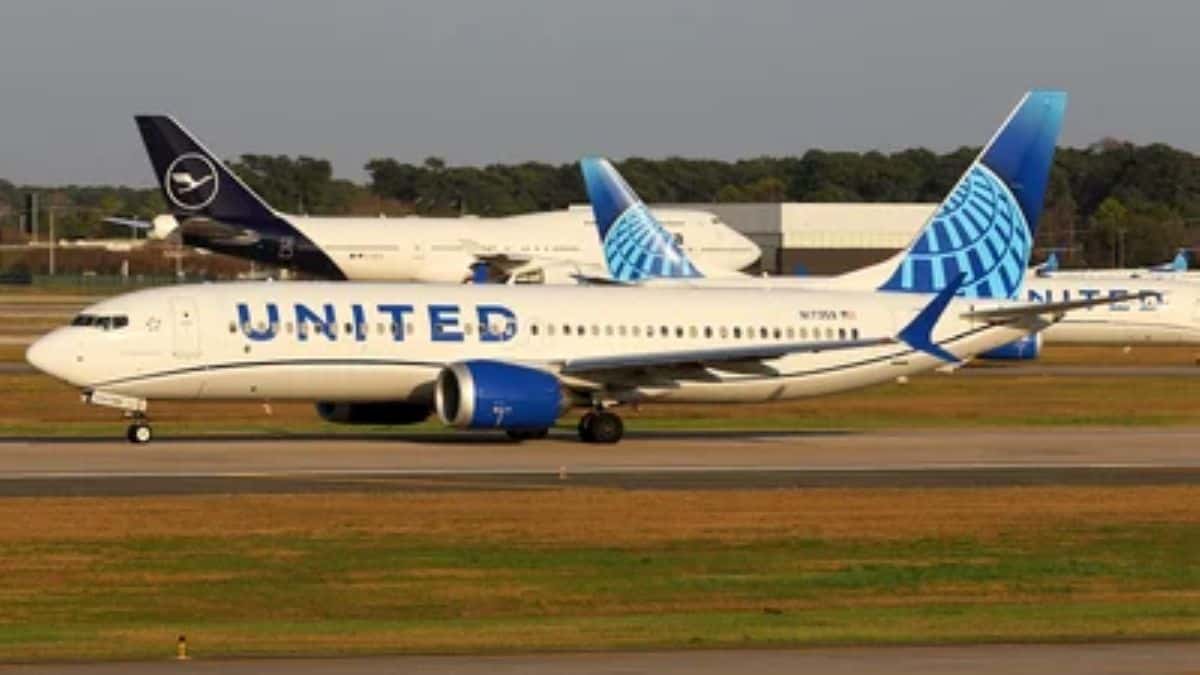
Image generated with Ai
United Express flight UA3526, operated by Republic Airways using an Embraer E175 (registration N727YX), departed Washington Dulles (IAD) for Louisville (SDF) on 20 July 2026. Shortly after takeoff, the regional jet experienced an air turnback and diverted safely back to Dulles International Airport.
Unbelievable drama unfolded high in the skies on 20 July! United Airlines operated Alaska Airlines flight SKW3362, an Embraer E175LR from Seattle to Jackson, suddenly diverts to Salt Lake City International Airport. Here is your essential travel alert!
Advertisement
You will not believe the sudden turn of events that completely disrupted passengers on 20 July! United Airlines operated Alaska Airlines flight SKW3362, flying an Embraer E175LR from Seattle to Jackson, when an unexpected situation forced an immediate change of course. As a result, the aircraft rapidly diverts to Salt Lake City International Airport.Consequently, travellers faced major schedule changes, creating a critical travel alert. Modern flight operations always prioritise passenger safety over strict arrival schedules during sudden operational shifts. Here is what passengers need to know regarding their rights, safety protocols, and essential travel updates.
In-flight turnbacks occur when flight crews detect mechanical warnings or environmental hazards that make continuing to the destination impractical. During the morning service on 20 July 2026, the flight crew aboard the Embraer E175 regional aircraft initiated a precautionary return to Washington Dulles shortly after departure. Standard operating procedures dictate that pilots assess system indications, such as pressurization discrepancies, minor engine parameter shifts, or hydraulic warnings, alongside air traffic controllers.
Advertisement
Advertisement
Returning to a major primary hub like Washington Dulles ensures immediate access to specialised maintenance engineering teams, replacement aircraft, and dedicated ground support equipment. The flight crew safely navigated the turnback, prioritizing flight safety above all operational schedules. Air traffic control safely cleared the regional jet back into the Dulles arrival queue without further incident.

Image generated with Ai
Managing a mid-air diversion requires precise communication, disciplined flight deck coordination, and methodical checklist execution between pilots and air traffic controllers. Once an anomaly is detected on the regional jet’s primary flight display, the non-flying pilot executes specific quick reference handbooks while the flying pilot maintains control of the aircraft trajectory. Flight crews immediately inform air traffic controllers of their intent to hold, descent vectors, or execute a direct return to field.
Calculations regarding structural landing weights and fuel burnoffs must be conducted quickly before descending into the airport arrival pattern. Coordinated communication between regional dispatch units, hub operations, and tower controllers ensures emergency ground vehicles are alerted if precautionary support is required upon touchdown.
Proactive maintenance monitoring systems continuously log real-time sensor metrics to detect potential hardware issues before they escalate during flight. Aircraft operating short regional routes experience frequent takeoffs and landings, subjecting airframe components, avionics, and bleed air valves to elevated operational stress cycles. When a flight returns to a primary operational hub like Dulles, maintenance crews immediately hook up diagnostic telemetry units to isolate the precise system fault.
Advertisement
Advertisement
Airline dispatch hubs prefer diverting flights to major technical bases where spare parts, engineering hangars, and specialized technicians are immediately available. Repairing an aircraft at a main hub drastically reduces regional network downtime compared to leaving an aircraft stranded at an outstation without dedicated support.
Airline customer operations teams immediately mobilize ground personnel at the destination hub to assist affected passengers following an unexpected return to field. Under standard aviation customer service commitments, airlines must promptly arrange alternative flights, rebook connections, and issue meal vouchers for extended delays. Ground agents process rebookings through central reservation networks while handling checked luggage transfers to replacement airframes.
If an air turnback results in overnight delays, carriers provide hotel accommodations and dedicated ground transport for stranded travellers. Clear, transparent communication from gate agents helps de-escalate passenger anxiety and ensures a smooth transition to subsequent transport options.
The sudden operational change stems directly from localized weather deterioration and complex mountain airfield requirements near the destination. Severe localized convective turbulence and low visibility rapidly developed over Jackson, making an immediate landing approach unsafe for the crew. Because strict safety regulations dictate maintaining adequate reserve fuel margins, the pilots evaluated alternative regional terminals. Consequently, Salt Lake City International Airport was selected as the optimal geographical alternate due to its extensive instrument infrastructure, long runways, and comprehensive ground support capabilities.
In conclusion, United Airlines operated Alaska Airlines flight SKW3362, an Embraer E175LR travelling from Seattle to Jackson, safely handled the unexpected situation as it diverts to Salt Lake City International Airport on 20 July. This essential travel alert highlights how modern aviation safety protocols function effectively during sudden operational challenges. Although displaced passengers experienced annoying arrival delays, ground operations teams quickly coordinated rebooking logistics and meal vouchers. Ultimately, the flight crew’s quick decision-making ensured that every passenger landed safely without further incident, proving that airlines will always choose passenger safety over tight arrival schedules.
Advertisement
Tags: Alaska Airlines, aviation news, flight diversion, salt lake city international airport, travel alert
Advertisement
Advertisement













Saturday, September 5, 2026

Friday, September 4, 2026

Saturday, September 5, 2026

Saturday, September 5, 2026

Thursday, September 3, 2026

Wednesday, September 2, 2026

Saturday, September 5, 2026

Saturday, September 5, 2026


