

Algarve Follows Belek and More as Europe’s Top Golf Destinations Face Extreme Weather Challenges for Unforgettable Golf Holidays!

Updated
Published
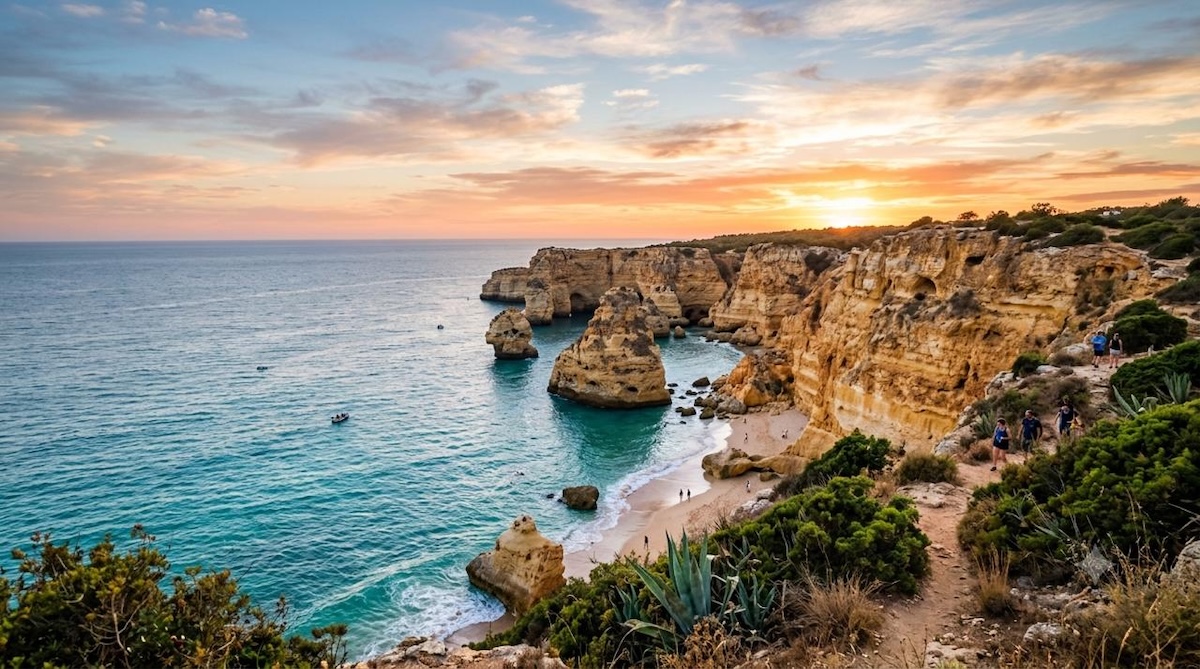
Algarve follows Belek and more as Europe’s top golf destinations face extreme weather challenges that could reshape unforgettable golf holidays. From Portugal’s scenic Algarve to Turkey’s renowned Belek, Europe’s top golf destinations continue to attract travellers seeking exceptional courses, beautiful coastlines and memorable experiences. However, extreme weather challenges are changing how golfers plan their European escapes. Therefore, travellers must consider seasonal conditions, course availability and alternative attractions before booking unforgettable golf holidays. Travel And Tour World explores how Algarve, Belek and more European golf destinations can help travellers plan smarter golf getaways. Read the entire story for essential travel insights.
European Golf Holidays: Detailed Destination Guide, Tourism Statistics and Five-Year Travel Comparisons
European golf holidays offer far more than a round on the fairway. Travellers can combine championship courses with Mediterranean beaches, historic cities, regional food, wine-country landscapes and luxury resorts. However, changing weather conditions make destination selection, seasonal planning and flexible bookings increasingly important.
Advertisement
Advertisement
For international visitors, Spain, Portugal, Turkey, Scotland, Ireland and France provide different combinations of golf facilities, sightseeing and cultural experiences. Some destinations appeal to travellers seeking sunshine and resort convenience, while others attract golfers interested in traditional links courses and dramatic coastal scenery.
This extension examines alternative golf destinations, available tourism statistics, recommended activities, local cuisine, accommodation areas and practical itineraries. It also distinguishes national visitor-arrival figures from golf-specific demand, since these measurements cannot be directly compared.
Advertisement
Advertisement
European Golf Tourism Statistics at a Glance
Official tourism data show that European destinations have recovered strongly from the pandemic-era travel slowdown. Spain received 96.8 million international tourists in 2025, while Portugal recorded 32.5 million guests in tourist accommodation and 82.1 million overnight stays. These indicators measure different things, so they should not be treated as equivalent arrival totals.
Table 1: Spain’s International Tourist Arrivals, 2021–2025
| Year | International tourists | Year-on-year comparison |
|---|---|---|
| 2021 | 31.2 million | Recovery from pandemic restrictions |
| 2022 | 71.7 million | Approximately 129.8% above 2021 |
| 2023 | 85.2 million | Approximately 18.8% above 2022 |
| 2024 | 93.8 million | Approximately 10.1% above 2023 |
| 2025 | 96.8 million | Approximately 3.2% above 2024 |
Source: Spain’s National Statistics Institute, FRONTUR. Values are rounded; year-on-year percentages are calculated from the published totals.
Advertisement
Advertisement
The figures show that Spain’s international tourism recovery continued through 2025, although the annual rate of change was smaller than in the immediate post-pandemic recovery years. This national trend provides useful context for golf travel but does not establish how many visitors played golf.
Table 2: Portugal’s Tourism Accommodation Performance, 2021–2025
| Year | Guests in tourist accommodation | Overnight stays |
|---|---|---|
| 2021 | See annual series below | 44.45 million |
| 2022 | See annual series below | 79.78 million |
| 2023 | 30.03 million | 88.05 million |
| 2024 | 31.59 million | 91.42 million |
| 2025 | 32.48 million | 93.00 million |
Sources: Pordata’s published overnight-stay series and Portugal’s official tourism indicators. The guest figures for 2023–2025 are from the accommodation series. The 2025 overnight-stay value in this table follows the Pordata series; official reports may differ slightly because of revisions or coverage.
Portugal’s 2025 official tourism overview separately reports 32.5 million guests, including 19.7 million foreign guests, and 82.1 million overnight stays under its stated statistical series. It also records €29.1 billion in tourism receipts. Always identify the specific statistical series when publishing these numbers.
Six Alternative Destinations for European Golf Holidays
The destinations below are selected for their golf-travel appeal, sightseeing options and ability to support a varied holiday. Accommodation and restaurant suggestions identify areas and regional specialities rather than claiming live availability or current prices.
1. Algarve, Portugal
Best for sunshine, coastal resorts and relaxed golf breaks
The Algarve combines coastal golf courses with sandy beaches, fishing towns and scenic Atlantic viewpoints. Faro is a convenient arrival airport for many southern resorts.
Advertisement
Advertisement
What to do: Play a morning round, explore Lagos Old Town, visit the Benagil coastline from permitted viewpoints or take a boat excursion when sea conditions allow.
What to eat: Cataplana seafood stew, grilled sardines, octopus and pastéis de nata.
Where to eat: Look for traditional Portuguese restaurants in Lagos, Tavira and Faro, where seafood and regional dishes are common.
Where to stay: Consider Vilamoura for resort facilities, Lagos for historic streets and coastal excursions, or Tavira for a quieter atmosphere.
Best planning approach: Spring and autumn can offer a useful balance of playing conditions and sightseeing. Check individual course maintenance schedules and seasonal weather forecasts before booking.
2. Costa del Sol, Spain
Best for golf resorts, beaches and Andalusian culture
Advertisement
Advertisement
The Costa del Sol provides access to numerous courses around Marbella, Estepona and Mijas. Malaga also offers an international airport, museums, historic architecture and a lively food scene.
What to do: Combine golf with Malaga’s historic centre, a Marbella promenade visit or a day trip to the white villages of Andalusia.
What to eat: Espetos de sardinas, gazpacho, fried seafood and traditional tapas.
Where to eat: Explore seafood restaurants along the coast and tapas bars in Malaga’s old town.
Where to stay: Marbella suits luxury resort holidays; Estepona offers a historic centre and waterfront; Malaga city works well for visitors prioritising museums and restaurants.
Best planning approach: In summer, arrange early tee times and allow time for hydration and shade. During heat alerts, follow official local advice and confirm whether the course is operating normally.
Advertisement
Advertisement
3. Belek and Antalya, Turkey
Best for resort packages and multi-round holidays
Belek is a recognised golf-resort area east of Antalya. Many visitors choose it for packages combining accommodation, transfers and multiple rounds. The wider region adds beaches, archaeological sites and mountain scenery.
What to do: Plan golf days around visits to Antalya’s old town, the ancient theatre at Aspendos or coastal excursions.
What to eat: Pide, kebabs, meze, lentil soup and baklava.
Where to eat: Resort restaurants offer convenience, while Antalya’s historic district provides opportunities to try local Turkish cuisine.
Where to stay: Belek is suitable for golfers seeking integrated resort facilities. Antalya city is a better base for visitors who want more independent dining and urban sightseeing.
Advertisement
Advertisement
Best planning approach: Check temperatures before choosing summer dates. Compare resort transfers, included rounds, buggy arrangements and cancellation conditions rather than judging packages on room price alone.
4. Costa Brava, Spain
Best for combining golf with Catalan towns and beaches
Costa Brava offers a different Spanish golf experience, with coastal landscapes, historic settlements and access to Girona. It suits travellers who prefer a varied itinerary over a golf-only resort stay.
What to do: Explore Girona’s old town, visit medieval villages, enjoy coastal walking routes and spend time at beaches when conditions permit.
What to eat: Pa amb tomàquet, seafood rice, grilled fish and Catalan crema.
Where to eat: Seek out traditional restaurants in Girona and coastal towns, checking seasonal opening days in smaller villages.
Advertisement
Advertisement
Where to stay: Girona suits city-based sightseeing; coastal resorts work better for beach access and convenient transfers to nearby courses.
Best planning approach: Consider late spring or early autumn for a combination of golf and sightseeing. Confirm driving times between accommodation and courses, as coastal routes can be slower during busy periods.
5. Scotland, United Kingdom
Best for traditional links golf and golf heritage
Scotland offers a classic golf journey built around historic courses, coastal scenery and welcoming towns. St Andrews is especially attractive to visitors interested in golf history, while Edinburgh adds museums, architecture and dining.
What to do: Visit the British Golf Museum, explore St Andrews’ historic streets and cathedral ruins, or extend the trip to Edinburgh’s castle and Old Town.
What to eat: Scottish salmon, Cullen skink, oatcakes and traditional shortbread.
Advertisement
Advertisement
Where to eat: Look for local seafood restaurants and traditional Scottish dining in St Andrews or Edinburgh.
Where to stay: St Andrews is ideal for golf-focused trips; Edinburgh is suitable for a wider city-and-country itinerary.
Best planning approach: Summer offers longer daylight hours, but popular courses can require advance reservations. Bring waterproof layers and allow flexibility for wind and rain. A famous course does not guarantee a preferred tee time.
6. Ireland’s Atlantic Golf Coast
Best for dramatic scenery and golf-road-trip itineraries
Ireland combines links golf with rugged coastlines, historic landmarks and traditional hospitality. County Clare and County Kerry are useful starting points for visitors who want to explore beyond the fairways.
What to do: Explore the Cliffs of Moher, visit the Dingle Peninsula and discover traditional towns between rounds.
Advertisement
Advertisement
What to eat: Irish seafood chowder, brown soda bread, fresh mussels and locally sourced lamb.
Where to eat: Choose seafood restaurants in coastal towns and traditional pubs that serve full meals.
Where to stay: Lahinch and the wider County Clare area work for western golf itineraries; Killarney suits visitors combining golf with national-park scenery.
Best planning approach: Plan shorter driving stages, keep waterproof clothing handy and check local forecasts before coastal excursions. Rain and wind can influence both golf and sightseeing.
Comparing the Destinations for Travellers
Table 3: Golf-Holiday Planning Guide
| Destination | Main appeal | Suggested trip length | Useful base | Key consideration |
|---|---|---|---|---|
| Algarve, Portugal | Coastal resorts and sunshine | 5–7 days | Vilamoura or Lagos | Seasonal course conditions |
| Costa del Sol, Spain | Resort golf and urban culture | 5–7 days | Marbella or Malaga | Summer heat |
| Belek, Turkey | Resort packages and multiple rounds | 4–7 days | Belek | Package inclusions and temperatures |
| Costa Brava, Spain | Golf, beaches and historic towns | 4–6 days | Girona or coastal towns | Driving distances |
| Scotland | Traditional links and golf heritage | 5–8 days | St Andrews or Edinburgh | Wind, rain and tee-time availability |
| Ireland’s Atlantic coast | Links golf and dramatic scenery | 6–8 days | County Clare or Killarney | Weather and road-trip distances |
Trip lengths are suggested planning ranges, not official averages. Actual budgets depend on travel dates, course fees, accommodation category, transport and the number of rounds.
Five-Year Tourism Comparison and What the Numbers Mean for Golf Travellers
National tourism statistics help explain the wider visitor environment surrounding golf holidays. However, they do not reveal how many tourists booked golf packages, played particular courses or visited a destination specifically for golf.
Advertisement
Advertisement
Scotland provides a useful additional comparison. The Scottish Government reported 4.4 million international visitor trips in 2024, 30.7 million nights and £4 billion in spending. American visitors accounted for 964,000 trips and £1.4 billion in expenditure. These are international tourism indicators, not golf-specific figures.
Table 4: Destination Tourism Indicators and Their Relevance to Golf Travel
| Destination | Year | Official tourism indicator | What golf travellers can learn |
|---|---|---|---|
| Spain | 2021 | 31.2 million international arrivals | Provides a baseline for post-pandemic recovery |
| Spain | 2022 | 71.7 million international arrivals | Shows a strong return of international travel |
| Spain | 2023 | 85.2 million international arrivals | Demonstrates continuing tourism recovery |
| Spain | 2024 | 93.8 million international arrivals | Indicates a large international visitor market |
| Spain | 2025 | 96.8 million international arrivals | Confirms further growth in overall visitor arrivals |
| Portugal | 2024 | 31.6 million accommodation guests; 80.4 million overnight stays | Indicates substantial accommodation demand |
| Portugal | 2025 | 32.5 million accommodation guests; 82.1 million overnight stays | Provides the latest official accommodation indicators |
| Scotland | 2024 | 4.4 million international trips; 30.7 million nights | Offers context for international tourism and golf-linked itineraries |
Sources: Spain’s National Statistics Institute, Turismo de Portugal and the Scottish Government. Spain’s numbers represent international arrivals; Portugal’s figures count accommodation guests and overnight stays; Scotland’s figures represent international trips and nights. These measures are not directly comparable.
Table 5: Portugal’s Latest Tourism Market Indicators
| Indicator | 2025 result |
|---|---|
| Guests in tourist accommodation | 32.5 million |
| Foreign guests | 19.7 million |
| Overnight stays | 82.1 million |
| Tourism receipts | €29.1 billion |
| Passengers arriving at Portuguese airports | Approximately 36.0 million |
| United Kingdom accommodation guest market | 2.5 million guests |
Source: Turismo de Portugal, drawing on official tourism and statistical data. Figures are rounded where appropriate.
These numbers support Portugal’s position as a substantial international tourism destination. They should not be used to claim that golf tourism alone generated the reported receipts or arrivals.
A Practical Seven-Day European Golf Holiday Itinerary
The Algarve provides a convenient example of how travellers can combine several rounds with sightseeing and regional food.
Table 6: Suggested Seven-Day Algarve Itinerary
| Day | Morning | Afternoon | Evening |
|---|---|---|---|
| 1 | Arrive at Faro Airport | Transfer to accommodation and settle in | Explore the local town and try Portuguese seafood |
| 2 | Play a pre-booked golf round | Relax at the beach or resort | Enjoy a traditional Portuguese dinner |
| 3 | Explore Lagos or Faro’s historic centre | Visit coastal viewpoints | Try grilled fish and regional dishes |
| 4 | Play a second golf round | Rest or enjoy resort facilities | Visit a local restaurant |
| 5 | Take a coastal excursion, weather permitting | Explore a historic town or market | Enjoy a relaxed evening meal |
| 6 | Play a third round if desired | Keep time available for weather-related changes | Sample local cuisine |
| 7 | Breakfast and check-out | Transfer to Faro Airport | Depart |
This itinerary is illustrative. Travellers should choose courses according to their skill level, preferred playing conditions and travel distances. Boat trips and coastal activities depend on weather, sea conditions and local operating schedules.
Advertisement
Advertisement
How to Plan Around Extreme Weather
The weather-related projections discussed in the original report make flexibility especially important. Golfers should consider the following precautions before committing to a destination.
- Check official forecasts: Consult national meteorological services before departure and during the trip.
- Confirm course operations: Ask about temporary closures, heat policies, course maintenance and cancellation arrangements.
- Build in spare time: Avoid scheduling every round on consecutive days if the budget and itinerary allow alternatives.
- Compare accommodation locations: Staying close to a chosen course may reduce transfer time and make rescheduling easier.
- Prepare for local conditions: Pack sun protection for Mediterranean destinations and waterproof layers for Scotland and Ireland.
- Review insurance carefully: Confirm whether unused tee times, transport disruption and weather-related cancellations are covered.
Travellers should not assume that one country is always safer for golf than another. Local forecasts, seasonal conditions, course management and the precise travel dates all matter.
Final Outlook for European Golf Holidays
European golf holidays can still deliver memorable travel experiences, whether visitors choose Portugal’s Atlantic coastline, Spain’s Mediterranean resorts, Turkey’s integrated golf properties or the traditional links courses of Scotland and Ireland.
The most useful approach is to treat golf as one part of a wider journey. Historic towns, regional cuisine, beaches and cultural attractions provide alternatives when conditions prevent play.
Official tourism statistics show the scale of international travel to several of these destinations, but golf-specific demand requires separate research. By combining reliable statistics with realistic itineraries, careful weather checks and flexible reservations, travellers can make better-informed choices for their next European golf escape.
Conclusion
In conclusion, Algarve follows Belek and more as Europe’s top golf destinations navigate extreme weather challenges that could influence future golf holidays. From Portugal’s attractive coastline to Turkey’s renowned golf resorts, travellers can still enjoy unforgettable golf holidays by planning carefully and remaining flexible. Moreover, exploring local cuisine, historic attractions and scenic landscapes can make every trip rewarding, even when weather disrupts playing schedules. Therefore, golfers should check forecasts, compare seasonal conditions and confirm course policies before travelling. Travel And Tour World encourages global travellers to explore Europe’s golf destinations thoughtfully and prepare for memorable golf adventures with smarter travel decisions.
Advertisement
