
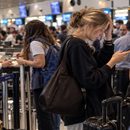
Image generated with Ai
Canada warns Tanzania travellers of rising security risks, fraud, crime and terrorism. Canada has issued a warning to its citizens who are thinking of visiting Tanzania as there is an increased risk to security, fraud, violence, and terrorism in the country. The advisory note sent to Canadians traveling to Tanzania warns against a very high level of crime and advises them to take due care in the country. The note also points to various security challenges in the region like terrorism from heavily armed terrorists in the border with Mozambique, kidnapping, violence, and cybercrime and also the risks posed by demonstrations. Canada requested its citizens to take caution while visiting Tanzania and comply with the advice of local authorities and observe the necessary precautions to avoid such situations.
The advisory comes as Tanzania continues to attract international visitors through its wildlife attractions, coastal destinations and cultural experiences. However, Canadian authorities have highlighted several areas where travellers need to take additional precautions, especially in regions affected by security challenges and criminal activities.
One of the strongest warnings applies to the Mtwara Region in southern Tanzania, particularly areas close to the Mozambique border. Travellers have been advised to avoid all travel within 10 kilometres of the border due to the presence of armed groups, the threat of terrorism and the risk of kidnapping.
The security situation is linked to extremist activity in northern Cabo Delgado, Mozambique, where armed groups remain active. Security incidents have occurred along the Tanzania-Mozambique border, creating concerns about cross-border threats and instability.
Advertisement
Advertisement
Tanzanian military and security forces are conducting counterinsurgency operations in the affected areas. Access controls have been introduced in some locations, while movements in and out of certain areas are monitored by authorities.
The advisory also warns against non-essential travel to the area between the A19 highway and the 10-kilometre border zone in the Mtwara Region. This warning does not include Mtwara City, where travellers are instead advised to exercise a high degree of caution.
For visitors planning coastal journeys or exploring southern Tanzania, understanding regional security differences has become increasingly important.
Security concerns are particularly significant in southern parts of the Mtwara Region between Highway 19 and the area extending 10 kilometres from the Mozambique border.
Advertisement
Advertisement
According to the advisory, armed groups have been active in this area, creating risks associated with terrorism and kidnapping. Travellers entering remote locations in this region may face increased security challenges due to limited accessibility and ongoing security operations.
Visitors are advised to avoid unnecessary movement in areas affected by these risks and remain aware of changing local conditions. Travel plans involving border areas should be carefully reviewed before departure.
The warning highlights how regional conflicts can influence tourism conditions beyond national borders, requiring travellers to remain informed even when visiting destinations that are generally popular among international tourists.
Canada has also advised travellers to exercise a high degree of caution near Tanzania’s borders with Burundi and the Democratic Republic of Congo.
The advisory specifically highlights northwestern Tanzania, including areas around refugee camps in the Kigoma region and western Kagera near Burundi, Rwanda and the Democratic Republic of Congo.
These areas face concerns related to banditry. Travellers visiting remote locations or border communities are encouraged to remain cautious, seek local security information and avoid unnecessary exposure to isolated areas.
While Tanzania’s major tourism centres remain popular among visitors, border regions can experience different security conditions. Travellers exploring less-visited areas are encouraged to plan carefully and remain aware of their surroundings.
The Canadian advisory warns that demonstrations can occur anywhere across Tanzania, sometimes with little advance notice. Although protests may begin peacefully, they can become violent unexpectedly.
Previous election-related demonstrations resulted in fatalities, highlighting the potential risks associated with large gatherings and periods of political tension.
Travellers are advised to avoid areas where demonstrations or large crowds are taking place, follow instructions from local authorities and monitor local media for updates.
During periods of unrest, disruptions may affect transportation, essential services and internet access. Visitors are encouraged to prepare in advance by ensuring they have enough cash for essential expenses, maintaining fuel supplies and keeping emergency items available.
Travellers should also maintain supplies of water, non-perishable food, medication and other essential items. Those using eSIM services are advised to obtain a local SIM card with calling minutes in case internet connectivity becomes unreliable.
Important information, including travel itineraries, emergency contacts and key documents, should be stored securely and remain accessible during possible disruptions.
Crime remains one of the main concerns highlighted in the advisory. Petty crimes, including pick pocketing and purse snatching, occur in Tanzania.
Tourist locations, beaches, public transport areas, airports, hotels, markets, restaurants, shopping centres, nightclubs and cinemas can be targeted by criminals.
The advisory warns that theft from passing motorcycles and vehicles is frequent. Bags, jewellery and electronic devices are among common targets.
Visitors are advised to avoid displaying expensive belongings, carrying large amounts of cash or showing signs of wealth. Travellers should keep passports and important documents secured and remain cautious in crowded areas.
In Dar es Salaam, visitors are advised to exercise a high degree of caution around areas including Coco Beach, Kariakoo Market, Masaki and Oyster Bay Peninsula, especially along Toure Drive.
In Zanzibar, travellers are advised to take additional care in Stone Town, Nungwi, Paje and Jambiani.
Walking outside after dark, using headphones in public areas and becoming distracted while travelling can increase vulnerability. Visitors are encouraged to stay alert and maintain awareness of their surroundings.
The advisory also highlights the possibility of violent crime throughout Tanzania. Reported incidents include armed robbery, burglary, assault and sexual assault.
Travellers are advised to stay in accommodation with adequate security measures, keep doors and windows locked and avoid isolated locations.
Visitors should also take extra care when withdrawing cash from ATMs and should not resist if confronted during an attack.
Fraud and financial scams represent another concern for travellers. Credit card and ATM fraud can occur, requiring visitors to remain cautious when handling financial transactions.
Travellers should pay close attention when cards are handled by others, use ATMs located in secure public areas or inside banks and avoid machines showing unusual features.
Visitors are also advised to check account statements regularly for unauthorised transactions.
Foreign travellers have reportedly been targeted through scams involving volunteer work visas and safari arrangements. Anyone planning such activities should verify companies carefully and only use reputable providers.
The advisory also warns travellers about cybersecurity risks in Tanzania, including cybercrime, malware attacks and online extortion.
Criminals may attempt to compromise public Wi-Fi networks to steal personal information, financial details or credit card data. They may also monitor social media activity and attempt to access private communications.
Travellers are advised to avoid shopping on unsecured websites, be cautious about sharing information online and avoid clicking suspicious links sent through emails or text messages.
Meeting people contacted online should also be approached carefully, especially when personal or financial information is involved.
Canada’s latest travel advisory does not prevent all travel to Tanzania but highlights areas where increased awareness and preparation are necessary.
Visitors planning trips to the country are encouraged to understand regional risks, avoid high-risk locations, follow security guidance and maintain emergency preparedness throughout their journey.
From border security concerns and terrorism threats to crime, fraud and cybersecurity risks, the advisory highlights the importance of responsible travel planning.
Canada has issued a new travel advisory for Tanzania, advising caution due to increased risks of fraud, crime, terrorism and security threats in several areas.
For those considering a visit to Tanzania’s game parks and popular safari destinations, remaining informed and taking the necessary precautions are key to a worry-free, enjoyable trip.
Advertisement
Tags: Canada, safety risks, Tanzania, Travel advisory
Advertisement
Advertisement












Tuesday, September 1, 2026
Tuesday, September 1, 2026

Wednesday, September 2, 2026

Wednesday, September 2, 2026

Tuesday, September 1, 2026

Tuesday, September 1, 2026

Tuesday, September 1, 2026

Tuesday, September 1, 2026