
Hurunui Tourism Launches New Campaign to Attract Australian Visitors to New Zealand

Published
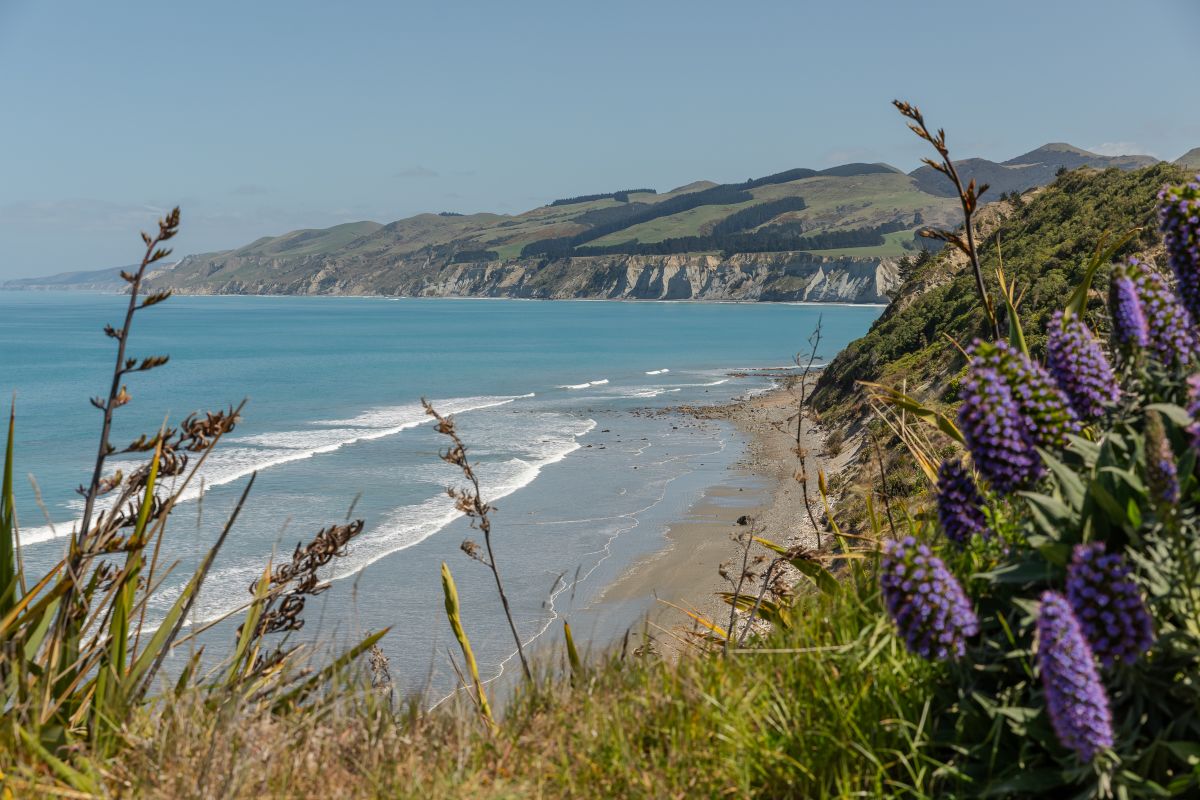
International travel flows to and from New Zealand are undergoing structural change. Traditional gateway hubs such as Auckland, Christchurch and Queenstown continue to attract large numbers of arrivals; however, regional destination management organisations (RTOs) are placing a lot of emphasis on geographical dispersal. The goals are to relieve pressure on high-density corridors and to spread economic benefits to rural, agricultural and alpine communities.
Hurunui Tourism is spearheading this initiative in northern Canterbury, with a targeted funding allocation of $644,902 from the Ministry of Business, Innovation and Employment (MBIE) under Round 3 of the central government’s Regional Tourism Boost Fund to launch a major trans-Tasman promotional campaign. The campaign is looking to attract some 5,500 Australian travellers over the coming seasons to the northern reaches of the South Island, across the Tasman Sea.
Advertisement
Advertisement
Australians are New Zealand’s largest inbound visitor market and are known for taking frequent self-drive trips. In partnership with neighbouring districts such as Kaikōura, Marlborough, Nelson Tasman and the West Coast, the initiative shifts the focus away from generic coach tours to slower road-trip itineraries linking thermal alpine basins, coastal wildlife habitats and cool-climate viticulture.
Key Campaign Facts & Regional Footprint
The promotional framework pools regional resources to market an interconnected corridor rather than isolated destinations.
Advertisement
Advertisement
- Lead Agency: Hurunui Tourism
- Strategic Investment: $644,902 allocated toward targeted digital, broadcast, and travel trade promotions in Australia
- Visitor Target: 5,500 incremental Australian holidaymakers
- Target Seasons: Late summer and the autumn/spring shoulder months to promote year-round regional resilience
- Participating Regional Partners:
- Hurunui District: Alpine wellness, thermal springs, and the Waipara wine valley
- Destination Kaikōura: Marine wildlife encounters, coastal ecotourism, and seafood
- Marlborough: Sauvignon Blanc production, cellar doors, and the Marlborough Sounds
- Nelson Tasman: Artisan craft communities, national parks, and sheltered coastal bays
- West Coast: Temperate rainforests, historic mining settlements, and wild coastal highways
The Hurunui District: Core Attractions and Visitor Experiences
Occupying a diverse land area starting just 45 minutes north of Christchurch International Airport, the Hurunui District spans from the Pacific surf breaks of Gore Bay to the high-country peaks of the Southern Alps.
Geothermal Wellness and Mountain Recreation
The commercial anchor of Hurunui’s visitor economy is Hanmer Springs, an alpine resort village settled among native beech forests and exotic conifers. Hanmer Springs Thermal Pools & Spa harnesses natural, mineral-rich geothermal waters that draw wellness seekers year-round. Beyond hydrotherapy, the surrounding Hanmer Forest Park and St James Conservation Area offer extensive networks for trail running, cross-country mountain biking, and backcountry gravel riding. The Hurunui and Waiau Uwhi rivers provide class II to IV whitewater rafting, braided river jet-boating, and fly fishing for brown trout and chinook salmon.
Advertisement
Advertisement
Agritourism and the Waipara Valley
South of Hanmer, the Waipara Valley forms one of New Zealand’s fastest-growing boutique wine sub-regions. Sheltered by the Teviotdale coastal hills, the valley benefits from hot, dry summers and limestone-rich soils, making it particularly suited for the production of Pinot Noir, dry Riesling, and Chardonnay. Agritourism operations throughout the district connect visitors directly with high-country sheep stations, historic olive groves, and artisan cheesemakers through guided cellar-door tastings and paddock-to-plate farm visits.
Cultural Heritage and Tangata Whenua
The historical depth of the district bridges centuries of human settlement. For the indigenous Ngāi Tahu iwi, the river basins and coastal tracks of Hurunui were ancient mahinga kai (food-gathering) routes and passages connecting the east coast with pounamu (greenstone) resources on the West Coast. Guided cultural tours, interpretive trails, and local historical museums in townships such as Amberley, Culverden, and Cheviot preserve both Māori oral histories and 19th-century European pastoral settlement lore.
Advertisement
Advertisement
Key Travel Corridors: The Alpine Pacific Touring Route
The Alpine Pacific Touring Route forms an approximately 450-kilometre loop through North Canterbury and the upper South Island. This 5-day route is designed for easy driving on sealed roads, linking cool-climate vineyards, geothermal alpine basins, and rugged marine coastlines.
Day 1: Christchurch Airport to the Waipara Valley
Waipara serves as the gateway to North Canterbury’s boutique wine country, set against the Teviotdale Hills just a short drive north from Christchurch Airport.
- Drive Time: 45 minutes (approx. 55 km via State Highway 1).
- Overnight Stop: Waipara or Amberley.
- Key Highlights: Cellar-door tastings focused on local Pinot Noir and dry Riesling, farm-to-table lunch at a local vineyard, and olive oil tastings across rural pastoral estates.
Day 2: Waipara Valley to Hanmer Springs
Hanmer Springs is an alpine resort town nestled in the foothills of the Southern Alps, famous for its natural hot pools and forested trail networks.
- Drive Time: 1 hour (approx. 80 km via State Highway 7).
- Overnight Stop: Hanmer Springs village.
- Key Highlights: Soaking in mineral-rich outdoor thermal pools, walking or cycling the forested tracks in Hanmer Forest Park, and exploring the alpine village centre.
Day 3: Hanmer Springs to Kaikōura
Kaikōura is a coastal ecotourism haven where dramatic mountain ranges meet deep oceanic trenches teeming with marine wildlife.
Advertisement
Advertisement
- Drive Time: 1 hour 30 minutes to 1 hour 45 minutes (approx. 130 km via Route 70 / Inland Kaikōura Road or SH7/SH1).
- Overnight Stop: Kaikōura.
- Key Highlights: Scenic inland high-country driving, evening coastal walks along the Kaikōura Peninsula Walkway, and sampling fresh local crayfish at seaside stalls.
Day 4: Marine Wildlife and Coastal Exploration in Kaikōura
Kaikōura offers a full day of coastal encounters and marine eco-adventures without the need for long highway transits.
- Drive Time: Minimal local driving.
- Overnight Stop: Kaikōura.
- Key Highlights: Whale-watching tours to view sperm whales, swimming or kayaking with native fur seals, and exploring local Māori cultural history and historic whaling sites.
Day 5: Kaikōura to Christchurch Airport
The return journey winds down along the Pacific Coast via State Highway 1, passing through Cheviot and the coastal farmland of the Hurunui District before ending back at Christchurch Airport.
- Drive Time: 2 hours 15 minutes to 2 hours 30 minutes (approx. 180 km via State Highway 1).
- Overnight Stop: Christchurch (or return flight departure).
- Key Highlights: Coastal scenery along the rugged shoreline, a scenic lunch or coffee stop in the heritage town of Cheviot, and easy rental vehicle return directly at the airport.
Planning Considerations for Trans-Tasman Visitors
| Planning Factor | Strategic Recommendation |
|---|---|
| Arrival Port | Fly direct from Sydney, Melbourne, or Brisbane into Christchurch International Airport (CHC), which provides immediate vehicle-hire access to the northern touring circuit. |
| Best Time to Visit | March to May (Autumn): Warm, stable weather, active grape harvest operations, golden foliage in Hanmer Springs, and reduced holiday crowds. |
| Vehicle Choice | A standard sedan or compact SUV is suitable for all primary sealed highways; high-clearance vehicles are recommended only for remote conservation park access (e.g., Molesworth or St James roads). |
| Suggested Stay | Allocate 4 to 6 days minimum across Hurunui, Kaikōura, and southern Marlborough to avoid rushed transit days. |
Sustainable Regional Tourism Growth
Hurunui’s trans-Tasman plan is a step in the direction of managed, low-impact tourism. The $644,902 campaign will help to spread visitors more evenly between allied provinces to protect the local environment from overburdened infrastructure, while also providing direct support to regional hospitality businesses, independent accommodation providers and regional cultural trusts. It offers the Australian traveller a well-planned alternative to the usual holiday circuits and delivers the authentic South Island road-trip experience.
Advertisement
