
Fiji Will Be a Big Name Followed by Tonga and Others as Highly Potential Budget-Friendly Retirement Retreats in 2027

Published
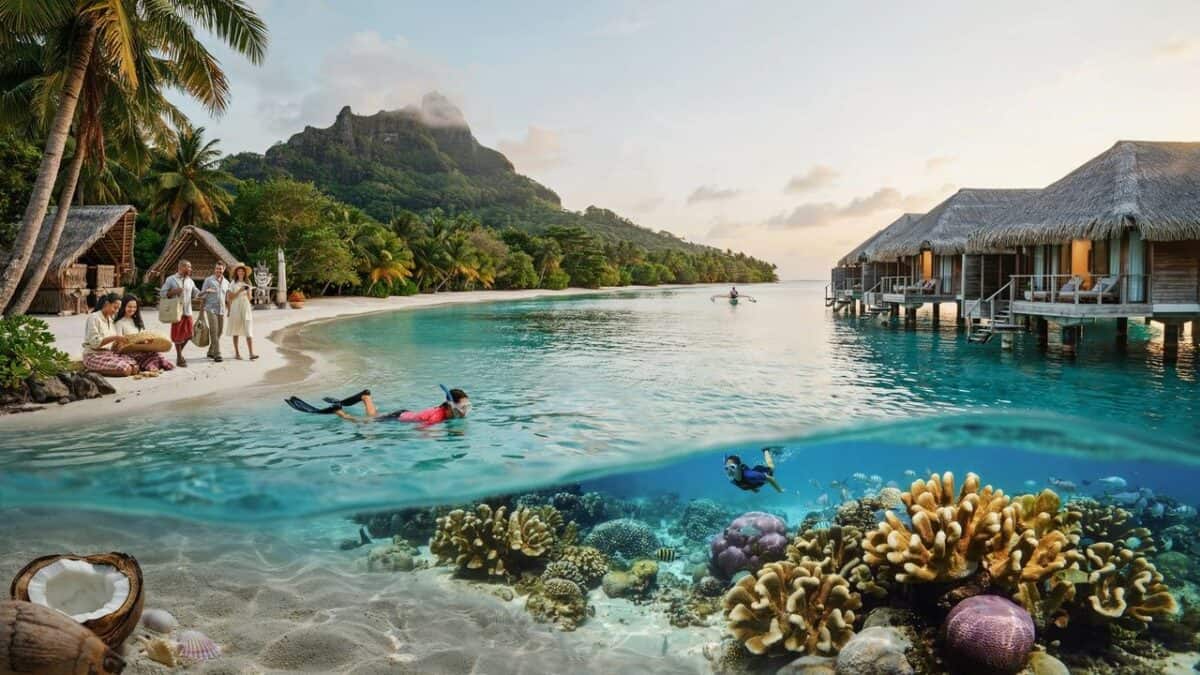
Image generated with Ai
Fiji takes the spotlight with Tonga, Vanuatu, and other Pacific islands as potential budget-friendly retirement havens for 2027. For prospective retirees, the real question is not how cheaply they can spend a month near the ocean. It is whether reliable income can sustain a home, medical needs and lawful residence for years without draining an emergency reserve. The comparison therefore needs two tests: eligibility and affordability. Establish how long someone may stay, then calculate what that household would actually spend. Treat the two questions separately. A modest rental bill cannot compensate for uncertain immigration status or unaffordable emergency treatment. Equally, a higher headline cost may prove manageable when it matches a household’s needs.
Budget-friendly Pacific Islands to consider for retirement in 2027
| Island and country | Locations to investigate | Budget assessment | Retirement suitability for 2027 |
|---|---|---|---|
| Viti Levu, Fiji | Suva and Nadi, comparing ordinary residential neighbourhoods rather than resort accommodation | Strong starting point. Published Suva cost estimates are substantially below those for Port Vila. Private hospital operator Pacific Specialist Healthcare has facilities in Suva and Nadi. | My strongest initial choice for balancing an established assured-income permit with access to urban services. Obtain actual rental and medical-insurance quotations before deciding. |
| Tongatapu, Tonga | Nuku’alofa and surrounding residential areas | Potentially budget-friendly. Its published basic living-cost estimate is relatively modest. | A credible option for pension-funded retirement because Tonga explicitly provides an Assured Income Visa. However, very limited medical facilities make evacuation arrangements essential to the assessment. |
| Vanua Levu, Fiji | Savusavu or Labasa, subject to local investigation | Unproven as a cheaper alternative. I did not establish a sufficiently reliable, comparable local retirement budget. | Worth investigating under Fiji’s residence framework, but not automatically preferable to Viti Levu. Require island-specific housing, treatment and transport arrangements rather than applying Suva’s figures to another island. |
| Efate, Vanuatu | Port Vila and nearby residential areas | Higher-budget candidate. Available estimates show considerably higher housing costs than Suva or Nuku’alofa. | A genuine self-funded residence option, but not a leading low-cost choice. The country’s absence of personal income tax does not remove substantial everyday expenses. |
| Espiritu Santo, Vanuatu | Luganville | Not demonstrably cheaper than Efate. The available city-cost model puts Luganville close to Port Vila. | Consider for location preference, not an assumed budget advantage. Medical limitations and malaria risk in northern Vanuatu require attention. |
| Upolu, Samoa | Apia and nearby communities | Potentially inexpensive on basic-cost models, although the low housing estimate needs particularly careful verification | Better treated as a seasonal or conditional retirement candidate. The published immigration categories do not list a general retirement or passive-income permit. |
| Rarotonga, Cook Islands | Accommodation with practical access to services around Avarua | Not established as a budget leader in this research | More relevant to extended seasonal living. A long-term visitor permit can allow substantial stays, but it is not an unrestricted retirement-residence entitlement. |
Why does Fiji’s Viti Levu deserve consideration?
Fiji’s Residence Permit on Assured Income accepts new applicants aged 45 and older. Applicants must demonstrate sufficient assets outside Fiji to support themselves without relying on public funds. The published overview does not specify a fixed minimum balance.
The listed application fee is 650.05 Fijian dollars, with issue and bond fees additional. Spouses and dependent children can join the application. Extensions remain subject to assessment rather than automatic approval.
For costs, Livingcost’s June 2026 model puts one person’s monthly expenditure in Suva at US$891, including rent. That is an indicative consumer budget, not a retirement package or guaranteed quotation.
Advertisement
Advertisement
Viti Levu offers locations worth comparing around Suva and Nadi. Pacific Specialist Healthcare operates facilities in both cities. Before choosing a neighborhood, retirees should check whether those facilities provide their required treatments.
The practical opportunity lies in combining a qualifying residence route with verified housing and services, not choosing beachfront scenery.
Advertisement
Advertisement
Could Tonga’s Tongatapu support a modest retirement budget?
Tonga offers an Assured Income Visa to foreign nationals who want to retire using an overseas pension or fund. Its embassy guidance specifies annual income of at least 10,000 Tongan paʻanga.
Published validity is two years or longer, with renewal available. However, holders cannot work, study or establish a business under this category. Retirees planning to supplement their pension locally need to recognize that restriction.
Advertisement
Advertisement
Because the embassy guidance is undated, applicants should verify the threshold, dependent requirements and fees directly before making 2027 commitments.
Nuku’alofa, on Tongatapu, has a modeled monthly cost of US$1,032 for one person, including rent, in Livingcost’s June 2026 figures. Actual accommodation and insurance quotations remain necessary.
Healthcare is the larger qualification. Australian government advice warns that even minor medical problems can require overseas evacuation. Tonga therefore warrants consideration only alongside a realistic treatment plan, suitable coverage and funds reserved for unexpected travel or care.
Why is Vanuatu not automatically a low-cost option?
Vanuatu provides a self-funded residence route, with specific monthly income requirements. Applicants need certified income of 250,000 vatu monthly, rising to 500,000 vatu when including a spouse or de facto partner.
Advertisement
Advertisement
The immigration webpage contains inconsistent wording about family inclusion. Couples should obtain written clarification rather than assume a shared application will qualify.
Residence terms typically include one, three, five or ten years. The listed adult application charge starts at 57,600 vatu for one year.
Livingcost’s June 2026 estimates put monthly expenditure, including rent, at US$2,036 in Port Vila on Efate and US$2,020 in Luganville on Espiritu Santo. These models do not establish a meaningful saving from choosing the second city.
Vanuatu remains an option for retirees whose income supports its requirements and expenses. However, the evidence does not justify presenting either location as an inexpensive substitute for Fiji or Tonga. Housing quotations should determine affordability, not promotional descriptions alone.
Is Samoa better suited to an exploratory stay?
Upolu, particularly around Apia, deserves attention from retirees testing whether island living suits them. Livingcost’s June 2026 estimate places Apia’s monthly expenditure at US$789 for one person, including rent.
That attractive figure requires scrutiny. Its rent and utilities component is just US$243, making actual housing availability and standards particularly important to verify.
Advertisement
Advertisement
Immigration creates a separate constraint. Samoa allows eligible visitors to apply for a 90-day permit on arrival, subject to conditions including sufficient funds, accommodation details and onward travel.
Extensions require an application. Published temporary residence purposes include business, employment, study, research, cultural activities and family support. They do not identify a general pension-based retirement category.
Consequently, Samoa should not be advertised as a straightforward permanent retirement destination for every foreign pensioner. An exploratory visit can help assess housing, transport and daily routines, while a longer move requires confirmation of an appropriate immigration category before financial commitments are made.
What can retirees realistically expect from the Cook Islands?
Rarotonga offers a setting for extended seasonal living, but its visitor rules require interpretation. The Cook Islands’ long-term visitor category generally limits continuous stays to eight months for foreign nationals other than New Zealanders.
New Zealanders can remain for up to twelve months under the relevant arrangements. Applicants need sufficient funds, acceptable health and character, onward travel arrangements and health insurance covering the permit period.
The published long-term visitor fee is 470 New Zealand dollars. This permission remains visitor status, not an unrestricted right to settle permanently. MFai
Advertisement
Advertisement
For someone considering Rarotonga, the useful question is whether a defined seasonal stay fits both immigration rules and personal finances. Obtain accommodation quotations covering the entire intended period rather than extrapolating from a promotional offer.
Available evidence does not establish Rarotonga as a low-cost leader. Its inclusion reflects an extended-stay possibility, while permanent relocation requires a confirmed basis and more detailed financial investigation.
What do the living-cost estimates leave out?
The monthly figures above are expressed in U.S. dollars and describe one person, not a couple. They come from Livingcost, an independent platform combining crowdsourced prices, other datasets and modeling.
They are not official retirement expenditure statistics. The platform itself warns that costs vary with lifestyle, location and quality. Its estimates should help frame questions, not replace quotations.
A retirement budget should separately account for suitable medical insurance, evacuation protection, prescription needs, permit renewals and international travel. Relocation costs and rental deposits also need their own funding.
Annual expenses should be divided across twelve months when assessing sustainable income. Emergency savings should remain available rather than being absorbed into routine spending.
Advertisement
Advertisement
Couples should price a shared household directly instead of doubling a single-person estimate. Visa income thresholds establish eligibility, not living costs.
The relevant figure is the cost of maintaining the required lifestyle reliably, not the lowest number available online.
How could healthcare change the affordability calculation?
Medical access can outweigh savings on rent. Australian government guidance identifies limitations in Fiji’s medical equipment and medicines, while Tonga may require overseas evacuation even for minor medical problems.
In Samoa, foreigners must pay for health services, facilities are very limited and no emergency helicopter service operates. Those constraints deserve attention before a retiree selects an isolated property.
American retirees also need to understand their existing coverage. Medicare generally does not cover healthcare outside the United States, apart from limited exceptions.
Before relocating, obtain written insurance terms covering the intended residence period. Ask about age restrictions, preexisting conditions, specialist treatment, evacuation destinations and renewal provisions.
Advertisement
Advertisement
Then check local providers independently. Confirm access to prescribed medicines, routine monitoring and any essential treatment rather than assuming every hospital offers the same services.
A destination becomes financially workable only when both routine care and a credible emergency plan fit within the available budget.
Which tax and climate risks need a separate review?
A low income-tax burden does not necessarily mean inexpensive retirement. Vanuatu’s investment agency states that the country has no personal income tax, but applies 15 percent value-added tax and import duties.
Moving abroad also does not automatically end obligations elsewhere. The Internal Revenue Service states that U.S. citizens and resident aliens generally remain subject to taxation on worldwide income.
A qualified advisor should check the treatment of pensions, investments and residence status before a move. Retirees should also ask pension administrators about payment arrangements and eligibility overseas.
Environmental exposure needs its own budget assessment. Fiji’s cyclone season generally runs from November through April, although storms can occur outside that period. Flooding can disrupt roads and services.
Advertisement
Advertisement
Inspect drainage, evacuation routes, building condition and backup utilities before signing a lease. Keep a contingency for temporary accommodation or disrupted travel.
The objective is to identify manageable costs before they become unexpected liabilities.
How should retirees prepare for a possible 2027 move?
Start with the right to remain, not the property advertisement. Obtain confirmation of the immigration category, financial evidence, dependent arrangements and renewal conditions that apply to the proposed household.
Next, arrange a trial stay in a residential neighborhood. Shop for groceries, test transport, check internet reliability and visit the healthcare providers you would use.
Renting first offers time to assess those practical details before considering a property purchase. Any transaction deserves independent legal review, including the ownership or lease rights actually offered.
Finally, compare a complete annual budget with dependable income and accessible reserves. Leave room for changing exchange rates, insurance renewals and journeys home.
Advertisement
Advertisement
Fiji and Tonga merit investigation because they combine income-supported residence routes with modest modeled living costs. Vanuatu requires a more generous assessment, while Samoa and Rarotonga need careful separation of visitor and resident status.
Pacific retirement in 2027 could offer an appealing lifestyle, but affordability depends on more than scenery. Fiji and Tonga warrant consideration because manageable expenses and suitable residency pathways can support longer stays. However, no destination guarantees financial security. Housing, healthcare, insurance and travel must fit a sustainable annual budget. A trial stay can test assumptions before relocation. Renting first also leaves room to reassess local services and everyday comfort. The clearest conclusion is practical: choose the island that matches your income and needs. Lasting value comes from careful preparation, not promises, with verified costs guiding every major decision before departure.
Advertisement
