
Virgin Australia Boeing 737-800 flight from New Zealand to Melbourne makes emergency landing triggering panic

Published
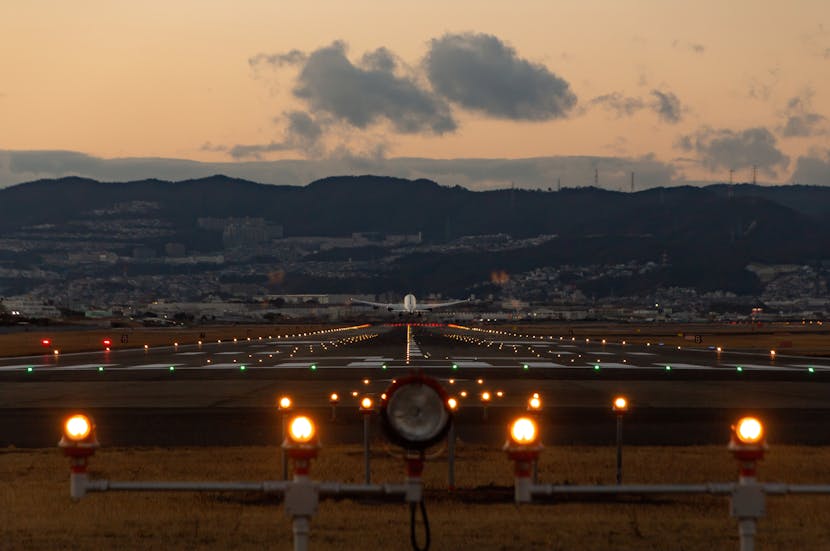 Image generated with Ai
A Virgin Australia flight faced a dramatic turn of events when a suspected bird strike forced it to make an emergency landing shortly after takeoff from Queenstown, New Zealand. The Boeing 737-800, operating as flight VA148, had 67 passengers and six crew members on board, all of whom safely disembarked after the emergency landing at Invercargill Airport on New Zealand’s South Island.
The Incident: A Closer Look
On a seemingly routine journey from Queenstown to Melbourne, Australia, the Virgin Australia flight encountered unexpected turbulence in the form of a possible bird strike. Shortly after takeoff, passengers and crew noticed flames shooting from one of the plane’s engines. This alarming sight prompted immediate action from the flight crew, who diverted the aircraft to the nearest suitable airport, Invercargill, to ensure the safety of everyone on board.
Bird Strikes: A Persistent Hazard
Bird strikes are a well-known hazard in aviation, particularly during takeoff and landing phases. These incidents occur when birds collide with aircraft, potentially causing significant damage to engines, wings, or the fuselage. In the case of VA148, the suspected bird strike led to a visible fire in one of the engines, necessitating the emergency landing.
According to the flight-tracking website FlightAware, the aircraft spent approximately 50 minutes in the air burning off fuel to reduce its weight for a safer landing. This standard procedure helps mitigate the risks associated with landing a fully-fueled aircraft, particularly in emergency situations where the aircraft’s structural integrity might be compromised.
Advertisement
Advertisement
Safety Measures and Immediate Response
The safety and well-being of passengers and crew are paramount in any aviation incident. Virgin Australia’s swift response to the emergency underscored the airline’s commitment to safety protocols and effective crisis management.
Immediate Actions by the Crew
Upon detecting the engine issue, the flight crew acted promptly and professionally. They diverted the aircraft to Invercargill Airport, which was the closest suitable landing spot given the circumstances. The decision to burn off fuel while circling for 50 minutes was crucial in ensuring a safe landing. This procedure reduces the risk of fire upon landing and minimizes the aircraft’s weight, making it easier to control during the emergency descent.
Advertisement
Advertisement
Virgin Australia’s Chief Operations Officer, Stuart Aggs, confirmed the safe landing and the absence of any physical injuries to passengers or crew. He also highlighted that emergency services were on standby at Invercargill Airport, ready to assist as needed.
Passenger Experience: Coping with the Unexpected
For the 67 passengers on board, the experience was undoubtedly harrowing. One passenger, Michael Hayward, described seeing flames shooting from the engines, a sight that would instill fear in any traveler. Despite the anxiety and stress of the situation, passengers remained calm as the crew managed the emergency landing.
Hayward told ABC News that the flight’s detour to Invercargill allowed the aircraft to burn off fuel and reduce its landing weight, a standard safety measure in such scenarios. This action, combined with the professionalism of the flight crew, ensured a safe resolution to what could have been a far more serious incident.
Post-Incident Actions: Ensuring Passenger Comfort and Continuity
After the safe landing at Invercargill, Virgin Australia focused on providing support and accommodations for the affected passengers.
Passenger Support and Accommodation
Virgin Australia’s Chief Operations Officer, Stuart Aggs, emphasized the airline’s efforts to support passengers and crew following the incident. The airline arranged for passengers to be accommodated in Invercargill overnight and coordinated their onward travel to Melbourne. This immediate attention to passenger needs reflects Virgin Australia’s dedication to customer service, even in the face of unexpected disruptions.
The Role of Virgin Australia in the Airline Industry
Virgin Australia is a significant player in the airline industry, known for its commitment to safety, customer service, and innovation. Founded in 2000, the airline has grown to become one of Australia’s major carriers, offering a wide range of domestic and international flights. The airline operates a diverse fleet of aircraft, including the Boeing 737-800 involved in the incident, which is renowned for its reliability and efficiency.
Advertisement
Advertisement
Safety and Innovation
Safety is a cornerstone of Virgin Australia’s operations. The airline invests heavily in training, technology, and infrastructure to maintain the highest safety standards. Incidents like the bird strike on VA148 are rare, but when they occur, the airline’s robust safety protocols ensure that crew and passengers are protected.
Virgin Australia has also been at the forefront of innovation in the aviation industry. From introducing new aircraft technologies to enhancing the passenger experience with improved cabin designs and services, the airline continually seeks to push the boundaries of what it means to fly.
Customer Service Excellence
Customer service is another area where Virgin Australia excels. The airline has consistently received accolades for its service quality, including being named the world’s best airline for business class and best airline in the Australia-Pacific region by Skytrax. This commitment to excellence extends to how the airline handles unexpected events, ensuring that passengers are supported and looked after, even when flights don’t go as planned.
Understanding Bird Strikes: Causes and Mitigation
Bird strikes are a common yet serious risk in aviation. They can occur at any time but are most likely during takeoff and landing when aircraft are flying at lower altitudes. These incidents can cause significant damage to aircraft, particularly to engines, which can ingest birds leading to mechanical failure or fires.
Causes of Bird Strikes
Bird strikes occur when birds collide with aircraft. This can happen for several reasons:
- Proximity to Wildlife Habitats: Airports located near bodies of water or areas with high bird populations are more prone to bird strikes.
- Seasonal Migration: During migration seasons, the likelihood of bird strikes increases as large flocks move across regions.
- Flight Paths: Birds flying through or nesting near established flight paths can inadvertently collide with aircraft.
Mitigation Strategies
Airports and airlines employ various strategies to mitigate the risk of bird strikes:
Advertisement
Advertisement
- Wildlife Management: Many airports have dedicated wildlife management programs to monitor and control bird populations near the airfield.
- Technological Solutions: Advanced radar and detection systems help track bird activity, allowing airports to take proactive measures.
- Flight Scheduling: Adjusting flight schedules to avoid peak bird activity times can also reduce the risk of strikes.
The Future of Flight Safety: Adapting to New Challenges
The incident involving Virgin Australia’s flight VA148 underscores the ongoing challenges that airlines and airports face in ensuring flight safety. As the aviation industry continues to evolve, so too must the strategies and technologies used to protect passengers and crew from potential hazards.
Advances in Aircraft Technology
Future advancements in aircraft technology will likely play a crucial role in enhancing flight safety. New materials and engine designs could reduce the impact of bird strikes, while advanced monitoring systems can provide real-time data to pilots and ground control to better manage such events.
Enhanced Training and Protocols
Continuous improvement in training and emergency protocols is essential. Airlines like Virgin Australia invest heavily in crew training to prepare for all types of emergency situations, ensuring that flight crews can respond effectively when faced with unexpected challenges.
Collaboration and Innovation
Collaboration between airlines, airports, and regulatory bodies is vital for developing and implementing effective safety measures. Sharing data and best practices helps the entire industry improve its approach to mitigating risks like bird strikes.
Conclusion
The emergency landing of Virgin Australia’s flight VA148 due to a possible bird strike highlights the complexities and challenges of maintaining flight safety in the face of unexpected hazards. Thanks to the swift actions of the flight crew and the airline’s robust safety protocols, all passengers and crew were safely disembarked without injury.
As Virgin Australia continues to contribute to the airline industry with its commitment to safety, innovation, and customer service, this incident serves as a reminder of the importance of continuous vigilance and adaptation in aviation. By learning from such events and investing in advanced technologies and training, the industry can continue to provide safe and reliable travel for millions of passengers worldwide.
Advertisement
