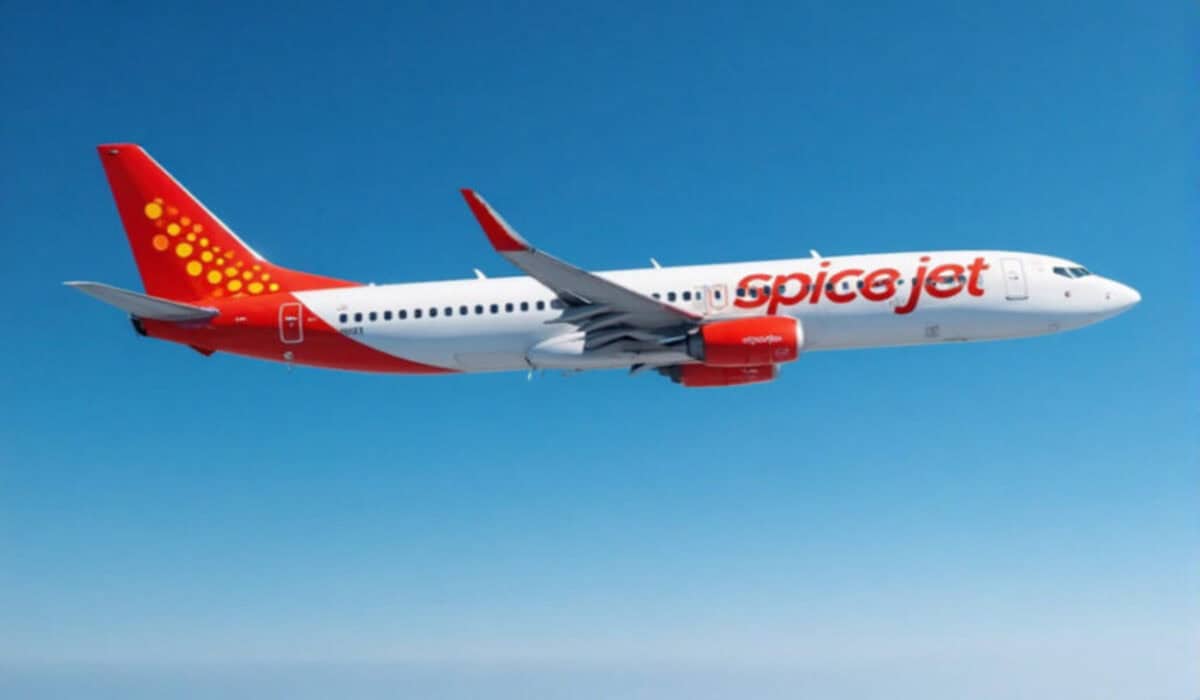
Image generated with Ai
SpiceJet aims to introduce 20 more aircraft by October-November 2026 to serve 200 flights per day and meet winter flight demand by adding new flights. SpiceJet aims to increase its fleet capacity by introducing 20 more aircraft in October and November 2026 and tackle the winter season demand by new flights. SpiceJet aims to meet the demand of 200 flights per day, meet passenger demands and serve the 200 flights per day target.
The expansion comes at a crucial time for the airline as it aims to strengthen its market position and improve operational capacity. The winter season, along with year-end holidays, traditionally brings higher demand for domestic and leisure travel. By increasing aircraft availability, SpiceJet plans to offer more seats and capture a larger share of the growing travel market.
The airline’s upcoming fleet addition will include fifteen Boeing aircraft and five Airbus aircraft. These aircraft will enter service through wet and damp lease arrangements, allowing SpiceJet to quickly increase its operational capacity.
Advertisement
Under wet and damp lease agreements, aircraft owners can provide additional support such as crew and maintenance services along with the aircraft. This arrangement helps airlines expand faster because they do not need to immediately arrange all operational resources themselves.
However, these lease models generally involve higher costs compared with dry leases, where airlines operate aircraft using their own pilots, crew and maintenance systems. For SpiceJet, the strategy offers a faster route to fleet growth while also creating additional financial pressure due to increased operating expenses.
Advertisement
The additional aircraft are expected to strengthen the airline’s ability to operate more flights across its network. The expansion will support SpiceJet’s ambition to reach two hundred daily flights and improve connectivity during one of the busiest travel periods of the year.
Alongside bringing new aircraft into its fleet, SpiceJet is also focusing on returning its grounded aircraft to service. The airline has sent nearly nineteen engines to international maintenance, repair and overhaul facilities for major maintenance work.
Restoring these engines is an important part of the airline’s recovery strategy. It will help increase the number of operational aircraft and improve the reliability of its existing fleet.
SpiceJet currently operates Boeing 737 and Q400 aircraft, which form the backbone of its network. Improving the performance of these aircraft will allow the airline to increase flight availability and reduce operational disruptions.
By combining new leased aircraft with the restoration of existing assets, SpiceJet is attempting to create a larger and more dependable fleet. The approach aims to increase seat capacity while improving its ability to maintain regular flight schedules.
The timing of SpiceJet’s fleet expansion is linked to expectations of stronger passenger demand in the winter months. The period from October onwards usually sees increased travel activity because of holiday movements, festivals and year-end vacations.
Airlines often increase capacity during this period to benefit from higher passenger volumes. SpiceJet’s twenty-aircraft addition is aimed at positioning the airline to handle this seasonal demand and strengthen its presence in India’s aviation market.
A larger fleet could allow SpiceJet to increase frequencies on existing routes and explore additional opportunities where passenger demand is growing. More aircraft availability can also help improve customer experience by supporting better schedule reliability.
However, the airline’s growth plans will depend on its ability to balance higher capacity with financial sustainability.
While SpiceJet is increasing its operational strength, the airline continues to face challenges from rising costs. Aviation Turbine Fuel (ATF), one of the biggest expenses for airlines, recorded a significant increase in September 2026.
ATF prices rose by 5.46 percent during the month, marking the second consecutive increase. Higher fuel costs can directly impact airline profitability because fuel represents a major part of operating expenses.
Airlines often face difficulties passing the entire increase in fuel costs to passengers because ticket prices remain highly competitive. As a result, rising fuel expenses can reduce profit margins and create additional pressure on financial performance.
For SpiceJet, the combination of higher fuel prices and increased costs from wet and damp leases will be a key challenge as it expands operations.
The airline’s expansion plan comes while it continues to manage financial difficulties. SpiceJet has faced liquidity challenges, higher operating expenses and legal issues related to financial liabilities.
Previous concerns regarding the airline’s financial position have also increased attention on its ability to maintain long-term stability. The success of the fleet expansion will depend on whether additional flights can generate enough revenue to cover rising costs.
The airline’s performance will be closely linked to several factors, including cash flow improvement, aircraft utilisation, operational reliability and progress in addressing financial obligations.
SpiceJet’s decision to add twenty new aircraft represents an ambitious attempt to increase capacity and rebuild operational strength in 2026. The move could help the airline benefit from rising travel demand and move closer to its goal of two hundred daily flights.
However, expanding an airline requires more than adding aircraft. Maintaining consistent schedules, controlling costs and improving financial health will determine whether the strategy delivers long-term success.
SpiceJet will have 20 additional aircraft ready to go by 2026. This is to meet the increase in demand for winter travel and to increase their capacity in order to fulfill their goal of reaching 200 flights daily. This is happening as grounded aircraft get reinstated and as financial pressure and fuel costs increase.
With new aircraft additions, engine restoration efforts and a focus on increasing flight operations, SpiceJet is aiming for a stronger position in India’s competitive aviation sector. The coming months will show whether the airline can convert this expansion into sustainable growth.
Advertisement
Tags: Aircraft fleet expansion, Airline Industry 2026, India aviation growth, SpiceJet Fleet Expansion, Winter travel demand
Advertisement
Advertisement













Saturday, September 5, 2026

Friday, September 4, 2026

Saturday, September 5, 2026

Friday, September 4, 2026

Thursday, September 3, 2026

Wednesday, September 2, 2026

Friday, September 4, 2026