
Global Tourism Enters a New Era as Destinations Prepare for 1.5 Billion Annual Travellers with Smarter Strategies: All You Need to Know

Published
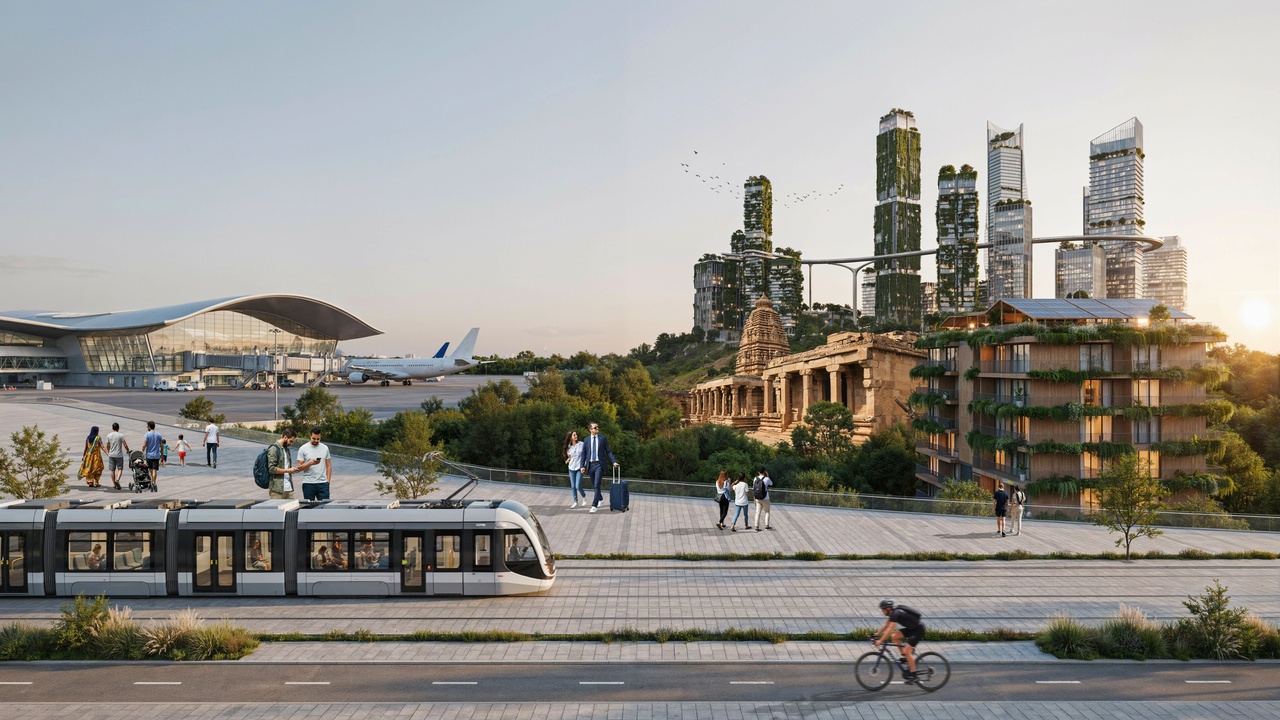
The global tourism industry is entering a period of rapid expansion as destinations prepare for a future shaped by increasing visitor numbers, evolving traveller expectations and stronger demand for better experiences.
With international travel continuing to recover and expand, destinations are focusing on a critical question: are they ready to welcome millions of additional visitors while protecting local communities, infrastructure and natural resources?
A new generation of tourism readiness measurements is examining how prepared destinations are for future demand. The focus is shifting beyond visitor numbers and towards the ability of destinations to manage growth through transport systems, accommodation capacity, digital services, sustainability measures and visitor experiences.
The future winners of global tourism are expected to be destinations that combine popularity with preparedness.
Advertisement
Advertisement
| Destination Readiness Area | Importance for Future Tourism |
|---|---|
| Transport infrastructure | Ensures smooth movement of visitors |
| Hotel capacity | Supports increasing accommodation demand |
| Digital services | Improves travel planning and visitor experience |
| Sustainability policies | Protects destinations from overdevelopment |
| Safety and resilience | Builds traveller confidence |
Why Destination Readiness Has Become a Global Tourism Priority
Tourism growth creates significant economic opportunities, but rapid visitor increases can also place pressure on destinations.
Popular locations worldwide are facing challenges such as:
Advertisement
Advertisement
- Crowded attractions
- Pressure on local infrastructure
- Environmental concerns
- Housing challenges
- Higher demand for public services
Destinations are therefore moving towards smarter tourism planning instead of focusing only on attracting more visitors.
Readiness now involves balancing economic benefits with long-term sustainability.
Tourism organisations increasingly recognise that successful destinations must provide quality experiences while maintaining the cultural and environmental character that attracts visitors.
Europe Strengthens Infrastructure to Manage Rising Visitor Demand
Europe remains one of the world’s most visited tourism regions, attracting travellers through historic cities, cultural attractions and diverse landscapes.
Countries across Europe are investing in:
| Development Area | Tourism Benefit |
|---|---|
| Rail connectivity | Easier cross-border travel |
| Smart city technology | Better visitor management |
| Sustainable transport | Reduced environmental pressure |
| Heritage protection | Preserves cultural attractions |
| Regional tourism | Spreads visitor activity beyond major cities |
Cities such as Paris, Rome, Barcelona and Amsterdam continue improving tourism management as they handle large visitor volumes.
Advertisement
Advertisement
At the same time, smaller destinations are developing new tourism products to attract travellers seeking authentic experiences.
Asia Expands Tourism Capacity Through Innovation and Connectivity
Asia is becoming one of the most influential tourism regions due to its cultural diversity, natural attractions and growing travel infrastructure.
Countries across Asia are preparing for future tourism demand through:
- Airport expansion
- High-speed rail development
- Digital travel platforms
- New hospitality projects
- Sustainable destination planning
| Country | Tourism Development Focus |
|---|---|
| Japan | Smart tourism, heritage and regional travel |
| Thailand | Resort development and cultural tourism |
| Indonesia | Island tourism and sustainable experiences |
| India | Heritage, spiritual and nature tourism |
| Vietnam | Coastal tourism and international connectivity |
Asia’s tourism future will depend on balancing visitor growth with environmental protection and community benefits.
Middle East Creates New Global Tourism Hubs
The Middle East is rapidly developing as an international tourism region through major investments in airports, resorts, attractions and entertainment facilities.
Countries are expanding beyond traditional tourism segments by creating:
Advertisement
Advertisement
- Luxury destinations
- Cultural districts
- Adventure experiences
- Event tourism
- Digital visitor services
| Destination | Tourism Development Direction |
|---|---|
| Saudi Arabia | Heritage, coastal and entertainment tourism |
| United Arab Emirates | Luxury, business and leisure tourism |
| Qatar | Events, culture and international tourism |
The region’s investments demonstrate how destinations can transform tourism capacity through strategic development.
Africa Builds Tourism Readiness Through Sustainable Growth
Africa has enormous tourism potential through wildlife, landscapes, cultural heritage and adventure experiences.
Many destinations are focusing on responsible tourism models that create benefits for local communities.
Key development areas include:
| Tourism Sector | Opportunity |
|---|---|
| Wildlife tourism | Conservation and employment |
| Community tourism | Local economic benefits |
| Cultural tourism | Heritage preservation |
| Eco-tourism | Sustainable visitor experiences |
Improving infrastructure and international connectivity remains essential for Africa to increase its share of global tourism.
The Americas Focus on Resilient Tourism Development
North and South American destinations are also adapting to changing tourism patterns.
Advertisement
Advertisement
Popular tourism markets are investing in:
- Airport improvements
- Sustainable attractions
- Visitor management systems
- Climate resilience
- Digital travel services
Major tourism destinations are increasingly focused on improving visitor experiences while managing environmental and social impacts.
What Makes a Destination Ready for Future Travellers?
A destination’s ability to welcome more visitors depends on multiple factors.
| Readiness Factor | Key Requirement |
|---|---|
| Accessibility | Reliable flights and transport links |
| Accommodation | Sufficient quality lodging |
| Technology | Digital travel solutions |
| Sustainability | Environmental protection |
| Workforce | Skilled tourism professionals |
| Safety | Strong visitor support systems |
Modern travellers expect more than attractive locations. They want convenience, safety, digital access and meaningful experiences.
Technology Becomes a Major Driver of Tourism Preparedness
Digital transformation is becoming one of the most important elements of destination readiness.
Tourism destinations are using technology for:
Advertisement
Advertisement
- Online booking systems
- Artificial intelligence travel tools
- Digital payments
- Visitor data management
- Personalised recommendations
Smart tourism solutions allow destinations to understand visitor behaviour and improve services.
Technology also helps manage crowd levels, improve accessibility and create smoother travel experiences.
Sustainability Shapes the Future of Destination Development
Tourism growth cannot continue without responsible management of natural and cultural resources.
International organisations increasingly highlight the need for climate adaptation and sustainable tourism planning as destinations face growing environmental pressures.
Future-ready destinations are focusing on:
| Sustainability Measure | Tourism Impact |
|---|---|
| Renewable energy | Reduces environmental footprint |
| Waste management | Protects destinations |
| Water conservation | Supports long-term operations |
| Nature protection | Maintains attractions |
| Local involvement | Strengthens communities |
Sustainability is becoming a competitive advantage rather than simply an environmental responsibility.
Advertisement
Advertisement
Smaller Destinations Gain Opportunities From Tourism Growth
The future of tourism is not limited to famous global cities.
Many travellers are increasingly searching for:
- Rural destinations
- Cultural experiences
- Nature-based holidays
- Local communities
- Authentic experiences
This creates opportunities for smaller regions to develop tourism while avoiding excessive pressure on traditional hotspots.
Destination readiness can help distribute tourism benefits more widely.
The Future of Global Tourism Depends on Prepared Destinations
As international travel expands, destinations will face increasing competition for visitors.
The strongest tourism markets will likely be those that successfully combine:
Advertisement
Advertisement
- Strong infrastructure
- Sustainable development
- Digital innovation
- Authentic experiences
- Visitor-friendly services
Tourism growth is no longer only about attracting visitors. It is about creating destinations capable of welcoming them responsibly.
Frequently Asked Questions
1. What does destination readiness mean in tourism?
Destination readiness refers to a location’s ability to manage increasing visitor numbers through infrastructure, services, sustainability and safety measures.
2. Why are destinations preparing for more travellers?
Global tourism demand is increasing, creating opportunities for economic growth while requiring better planning and management.
3. Which regions are investing heavily in tourism readiness?
Europe, Asia, the Middle East, Africa and the Americas are all developing infrastructure and tourism strategies to attract future visitors.
4. How does technology improve tourism readiness?
Technology helps destinations improve bookings, visitor services, crowd management and personalised travel experiences.
5. Why is sustainability important for future tourism?
Sustainability helps destinations protect natural resources, support communities and maintain tourism growth over the long term.
Advertisement
Advertisement
6. Can smaller destinations benefit from global tourism growth?
Yes. Smaller destinations can attract visitors by offering authentic cultural, nature and community-based experiences.
Conclusion
Global tourism is approaching a new stage where destination readiness will become as important as destination popularity. As visitor numbers continue increasing, countries and cities are investing in infrastructure, technology, sustainability and better experiences. The future of travel will belong to destinations that can welcome more visitors while protecting the unique qualities that make them attractive. Smart preparation will define the next generation of global tourism success.
Advertisement
