
France Galop 2026 Arc de Triomphe: Paris Travel, Turf Policy & Fan Guide

Published
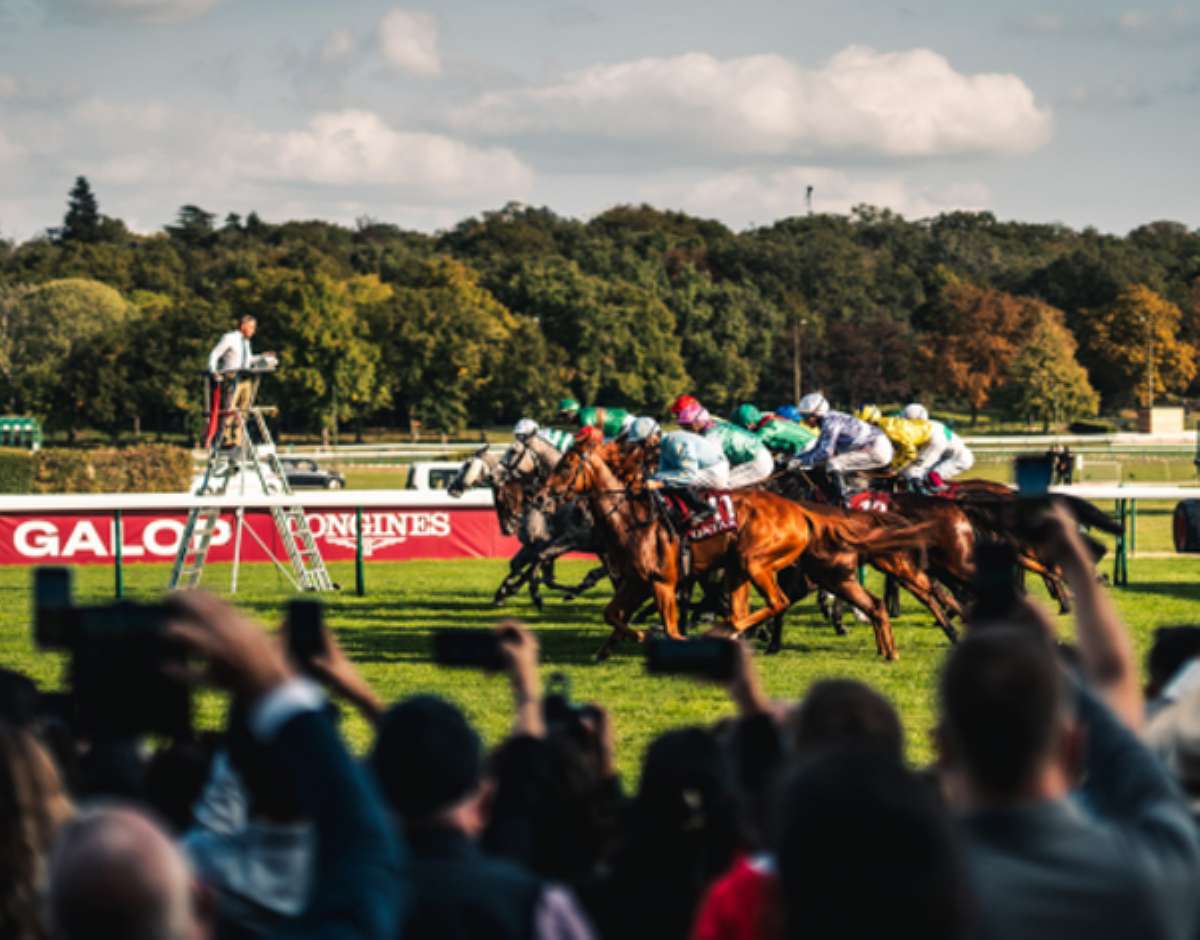
The Qatar Prix de l Arc de Triomphe scheduled for 3-4 October 2026 at Longchamps in Paris, France, is recognized globally as a defining milestone in international flat racing. Official digital access, race card announcements, and ticketing provisions are centralized through francegalop-live.com. Spectator attendance is anticipated in high volumes, wherein logistical coordination, infrastructural readiness, and multi-sector economic integration are closely monitored by governing authorities. Institutional standards are applied across safety, hospitality delivery, and environmental stewardship, ensuring structured participation for global delegations and domestic visitors alike.
Background and Context
Inaugurated historically and developed across decades of European turf tradition, the fixture has evolved into a premier crucible for middle-distance thoroughbred champions aged three and older. The venue at Longchamps, redeveloped extensively in recent years, provides modern architectural integration with historic Parisian parkland surroundings. Financial backing provided through Qatari sponsorship frameworks since the 2000s has elevated purse values and global media distribution networks.
Advertisement
Advertisement
Strategic positioning in early October places the race immediately ahead of late-autumn international racing circuits in North America and Asia, establishing a vital reference point for global bloodstock evaluations and seasonal championship titles. Regulatory oversight is maintained by France Galop, ensuring strict compliance with equine welfare directives, anti-doping protocols, and track safety certifications.
Sports Tourism Aspect and Fan Guide Details
Sports tourism metrics associated with the fixture demonstrate substantial cross-border arrivals from the United Kingdom, Ireland, Japan, North America, and Gulf states. Visitor engagement is structured around comprehensive fan guide provisions published digitally. Ticketing tiers range from general enclosure lawns to exclusive panoramic dining suites. Dress code guidelines are enforced strictly within premium enclosures, where formal attire is expected, whereas general admission areas encourage smart-casual presentation.
Advertisement
Advertisement
Paddock observation zones are engineered to permit close inspection of equine participants prior to mounting yards. Family-oriented activation villages, artisanal food markets featuring regional French gastronomy, and live musical entertainment are integrated into the perimeter landscape of Longchamps. Viewing perspectives are optimized along the final straight and home turn, supported by giant digital screen relays and multilingual race commentary broadcasts. Interactive application tools accessible via the official portal assist attendees with schedule syncing, paddock timing alerts, and culinary reservation management.
Impact on Travellers
Inbound travel flows into the greater Paris metropolitan region experience noticeable compression during the first weekend of October. Hotel occupancy rates across western Parisian arrondissements and central transit corridors approach saturation months in advance. Public transportation capacity, particularly metro line extensions and dedicated shuttle services connecting regional hubs to Longchamps, is augmented via municipal scheduling adjustments. Pricing elasticity is observed across accommodation, private transfer fleets, and hospitality reservations.
Advertisement
Advertisement
Multilingual digital wayfinding and centralized transit advisories are deployed by tourism boards to mitigate pedestrian congestion points around Bois de Boulogne access routes. International travellers are advised to complete visa-exempt or visa verification steps well ahead of arrival, while baggage and security checkpoint processing times at regional airports are factored into weekend itineraries. Local currency digital transaction readiness and contactless ticketing applications are emphasized for frictionless movement across public transit networks.
Industry Insights
Commercial valuations of participating colts, fillies, and retired stallion prospects correlate directly with performance outcomes registered over the Longchamps turf. Broadcast rights distribution reaches over sixty international territories, generating compounding visibility for official sponsors and regional tourism boards. Data analytics deployed by turf management teams monitor moisture retention, compaction indices, and root-sheath integrity to deliver fair racing surfaces despite autumnal weather variability.
Advertisement
Advertisement
Sustainability metrics have been embedded into event execution, including zero-single-use-plastic mandates in catering vendor contracts, localized organic sourcing for hospitality menus, and carbon footprint audits published post-event. Sponsorship activation strategies increasingly emphasize digital fan engagement loops, bridging physical racecourse attendance with virtual betting syndicates and global streaming communities. Secondary economic trickle effects are recorded across Parisian boutique retail, high-end gastronomy, and regional equine transportation logistics providers.
Comparison with Previous Policies or Developments
Evolution in event governance is marked by a transition from decentralized paper-based ticketing and manual queue management to mandatory contactless NFC-enabled digital passes accessible via mobile profiles linked to francegalop-live.com. Crowd flow control mechanisms have shifted from static physical barricades to dynamic density-mapping sensors deployed across bottleneck zones like the main tunnel and betting hall.
Environmental policy contrasts sharply with legacy models of the 2010s; carbon offset purchase obligations are now contractually mandated for corporate hospitality compound builders, whereas historical editions relied on voluntary corporate reporting. Furthermore, veterinary inspection transparency has increased via mandatory public-facing digital logs tracking pre-race fitness checks, superseding the opaque paper logbooks utilized in earlier decades. Security deployment models have likewise evolved from reactive perimeter checks to integrated predictive threat assessments conducted in coordination with municipal law enforcement liaison desks.
Practical Information
Gates at Longchamps open typically at midday on Saturday and Sunday prior to the first scheduled juvenile and group stakes races. Prohibited items include large luggage trunks, glass containers, professional unaccredited telephoto lens setups exceeding regulatory mm limits, and unapproved commercial branding banners. Public transit access is best achieved via designated shuttle buses operating from metro stations like Boulogne-Jean Jaurès or Porte Maillot, supplemented by designated ride-hailing drop-off zones located outside the immediate vehicular exclusion perimeter.
Advertisement
Advertisement
Security screening involves mandatory bag inspections and metal detector sweeps at all entry turnstiles. On-site wagering terminals accept major debit cards and digital payment gateways, complemented by traditional mutuel betting windows staffed by multi-lingual clerks. Medical and equine veterinary triage units remain positioned adjacent to the stable yards and home straight throughout the racing program. Lost property retrieval points and multilingual information kiosks are stationed centrally near the main grandstand concourse.
Image Credits- https://billetterie.france-galop.com/en/event/qatar-prix-de-larc-de-triomphe/
Advertisement
