
Japan Overtakes Thailand and More in Terms of Surging Hotel Prices Soaring Past JPY 23,000 and Kyoto’s Added Issue

Published
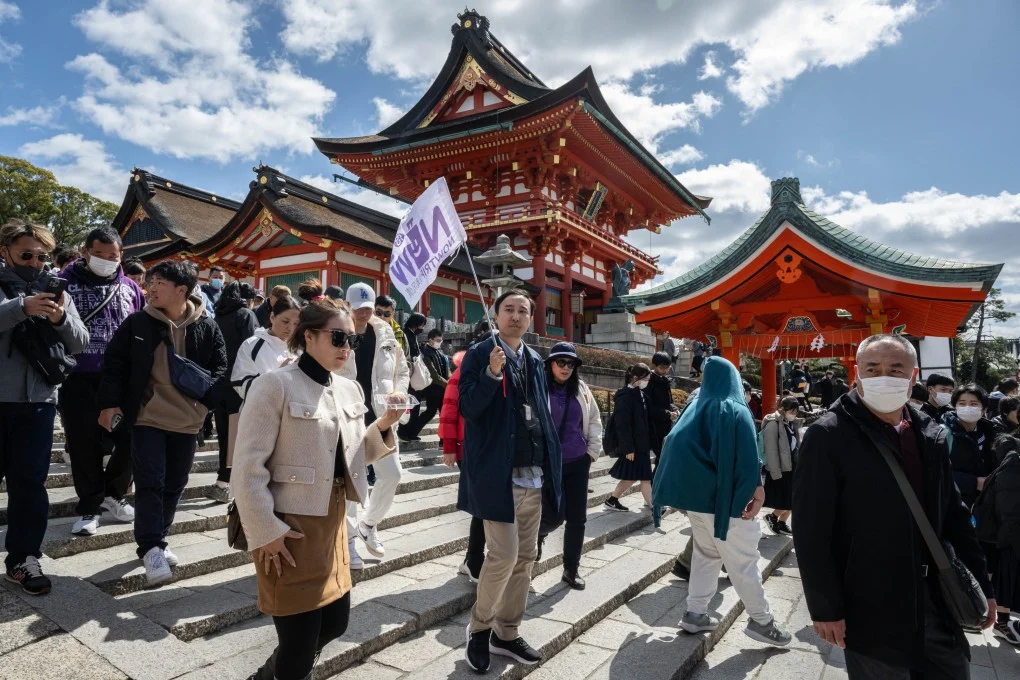
As Japan’s average hotel prices rise, travelers are most concerned about Japan traveling in 2026. The average daily room rates reported for all of Japan exceed 23,000 yen. In Tokyo, travelers are hit even harder, with the strong demand for hotel rooms pushing Tokyo prices to 25,000 yen to 33,000 yen for mid-range to three-star hotels, which equals approximately $170-225. Hotel taxes are now more expensive than ever, especially in Kyoto where a new taxes system with tiers reached up to 10,000 yen a night for luxury hotel stays. Japan is becoming the more expensive option for travel because Thailand, Bali, Vietnam and other nearby countries all have accommodation at lower prices. Travelers have several outlets to relieve the high costs for quality trips. They can stay at a business hotel that is relatively cheap, or they can stay at a traditional Ryokan to experience Japanese culture. Thankfully, Japan’s loss has been other countries’ gain.
Japan Hotel Rates Cross a New Price Threshold
The cost of staying in Japan has changed significantly as international tourism demand remains strong.
Reported nationwide hotel Average Daily Rates, or ADR, have moved above JPY 23,000 per night.
In major metropolitan destinations, the increase is even more noticeable.
Advertisement
Advertisement
For travellers heading to Tokyo, reported average prices for mid-range and three-star properties have reached approximately JPY 25,000 to JPY 33,000 per night.
That places many ordinary hotel stays well above the rates historically associated with budget-friendly travel in Japan.
Advertisement
Advertisement
The increase is particularly striking because the yen has remained relatively favourable for many international visitors.
Food, public transport and other daily expenses can still appear comparatively affordable to travellers converting stronger foreign currencies into Japanese yen.
Hotels, however, have been following a different pricing trajectory.
Tokyo Is Among the Most Expensive Hotel Markets
Tokyo hotel prices demonstrate how the country’s accommodation market has separated from some of its other travel costs.
A mid-range property that once formed part of a relatively affordable Japan itinerary can now represent a substantial portion of a traveller’s daily budget.
Reported three-star and mid-range rates of JPY 25,000–JPY 33,000 can quickly increase the total cost of a multi-night stay.
Advertisement
Advertisement
For a five-night visit, a room priced at JPY 30,000 per night would represent approximately JPY 150,000 before additional taxes, meals and transport are considered.
The pressure is not limited to Tokyo, either.
Popular tourist destinations across Japan are experiencing strong demand, while limited accommodation capacity in certain areas can contribute to higher prices during busy travel periods.
Kyoto Adds Another Layer With Accommodation Taxes
Hotel costs are being compounded by tourist accommodation levies.
Kyoto introduced a revised tiered accommodation-tax structure from March 2026, with charges rising according to the price of the stay.
For luxury accommodation, the levy can reach JPY 10,000 per night.
Advertisement
Advertisement
That means travellers staying in higher-priced properties can face a substantial additional charge on top of the advertised room rate.
Other Japanese tourist destinations, including areas in Hokkaido and Okinawa, have also been associated with local accommodation or tourism levies.
The precise amount varies by destination and accommodation category.
For international travellers, the result is a more complicated calculation of the actual cost of a hotel stay.
The advertised nightly price is increasingly only one part of the accommodation bill.
Why Japan Can Still Feel Affordable in Other Areas
The contradiction in the Japanese travel market is becoming increasingly noticeable.
Advertisement
Advertisement
The Japanese yen’s depreciation has helped many foreign visitors find everyday spending relatively accessible.
Meals, local transport and shopping can be less expensive in foreign-currency terms than travellers might expect.
Hotels, however, are responding to exceptionally strong tourism demand through higher pricing.
This creates a situation in which Japan can still appear affordable when buying food or travelling by rail, while accommodation becomes the biggest expense in the itinerary.
For travellers comparing destinations across Asia, this distinction is particularly important.
Japan Versus Southeast Asia: Hotel Price Comparison
The supplied estimates indicate that Japan’s accommodation costs can be substantially higher than comparable stays in destinations such as Thailand and Bali.
Advertisement
Advertisement
| Accommodation tier | Japan average estimate per night | Southeast Asian peer estimate | Relative affordability |
|---|---|---|---|
| Budget / Capsule | JPY 3,000–JPY 8,000 | $10–$25 | More expensive |
| Mid-range / 3-star / Business | JPY 12,500–JPY 25,000 | $30–$70 | Significantly more expensive |
| Premium / Luxury | JPY 50,000–JPY 150,000+ | $150–$400 | Prohibitively high in comparison |
These figures are estimates rather than a uniform official regional benchmark, and actual prices can vary significantly according to location, dates, season, demand and property type.
Nevertheless, they illustrate the widening accommodation-price gap between Japan and several Southeast Asian alternatives.
A traveller choosing between a Japanese city break and a comparable holiday in Thailand or Bali may therefore find the hotel component considerably more expensive in Japan.
Business Hotels Could Become the Smart Alternative
One of the most practical strategies for controlling Japan travel costs is moving away from premium central locations.
Japanese business hotel chains such as Dormy Inn, APA Hotels and Super Hotel can provide functional accommodation at lower prices, particularly when properties outside the most expensive station-centre locations are considered.
These hotels generally focus on practicality rather than luxury.
Advertisement
Advertisement
For travellers spending much of the day sightseeing, that can make them an attractive alternative to internationally branded properties.
Moving even a short distance away from major tourist centres can also create opportunities for lower room rates.
The trade-off may be a longer journey to major attractions, but Japan’s extensive public transport network can make that compromise manageable in many cities.
Ryokans Create an Unexpected Value Opportunity
Traditional Japanese ryokans are emerging as another potential solution to the country’s hotel-price problem.
At first glance, ryokans might appear to be a more expensive option because they offer a distinctly Japanese accommodation experience.
However, the value calculation changes when meals and cultural experiences are included.
Advertisement
Advertisement
The supplied information places the average rate per person for some traditional ryokans at approximately JPY 15,000, with multi-course dinner and breakfast often included.
That can make a ryokan comparatively attractive against a city hotel where the room rate covers accommodation alone.
The experience can also become part of the holiday itself, rather than simply serving as a place to sleep.
Why Ryokans May Offer Better Overall Value
The difference between headline price and total value is becoming increasingly important in Japan.
A hotel room priced at JPY 25,000 may initially appear cheaper than a ryokan package priced at JPY 15,000 per person.
But if the ryokan includes breakfast and dinner, the comparison changes.
Advertisement
Advertisement
Two meals can represent a meaningful daily saving, particularly in expensive tourist destinations.
The ryokan can also provide access to traditional architecture, Japanese hospitality, tatami rooms, bathing facilities and regional cuisine.
For travellers interested in cultural experiences, these elements can make the accommodation itself part of the destination.
Location Is Becoming More Important for Hotel Savings
The rising cost of central Japan accommodation means location should be treated as a major part of trip planning.
Properties located immediately beside major railway stations, shopping districts and tourist landmarks tend to attract stronger demand.
Travellers willing to stay outside the core tourist zone can potentially find lower prices.
Advertisement
Advertisement
This strategy is particularly relevant in Tokyo, Kyoto and other high-demand destinations.
However, cheaper accommodation should not be assessed on room price alone.
Transport costs, journey time and convenience should also be considered.
A slightly more expensive hotel near a major transport hub could ultimately provide better value than a cheaper property requiring multiple daily transfers.
Peak Demand Can Push Prices Higher
Hotel pricing in Japan remains highly sensitive to demand.
Popular travel periods can cause significant increases, particularly in destinations where accommodation inventory is limited.
Advertisement
Advertisement
Autumn foliage, cherry blossom season, major festivals and national holidays can all influence demand.
Travellers who have flexibility around dates may therefore have more opportunities to secure lower rates.
Advance planning can also become increasingly important as high-demand properties fill quickly.
For visitors travelling during peak periods, the choice may be between paying a premium for central accommodation or adjusting the itinerary to include less expensive locations.
Japan Remains Attractive Despite Higher Hotel Costs
The rise in hotel prices does not eliminate Japan’s appeal.
The country continues to offer a combination of culture, cuisine, technology, history, nature and transport connectivity that makes it distinctive within Asia.
Advertisement
Advertisement
The challenge is that the traditional perception of Japan as an inexpensive destination is becoming less reliable when accommodation is considered.
Travellers who budget only for flights, food and transport may be surprised by the cost of hotels.
The accommodation component now needs to be considered separately.
This is especially important for long-haul visitors who may be planning multi-city itineraries involving Tokyo, Kyoto, Osaka and other popular destinations.
Smart Booking Strategies Could Reduce the Impact
Travellers can still take several steps to manage Japan hotel costs in 2026.
Booking business hotels away from the most expensive central districts can reduce the nightly rate.
Advertisement
Advertisement
Traditional ryokans can provide another value option when meals are included.
Travellers can also consider visiting during less intense demand periods rather than automatically choosing the most popular travel weeks.
Comparing the total package cost rather than simply the room rate is equally important.
A property that includes breakfast, dinner or other services may offer greater value than a cheaper-looking room with significant additional daily expenses.
Japan’s Accommodation Market Is Changing
The latest pricing trends show that Japan tourism is entering a different accommodation environment.
The combination of strong visitor demand, higher hotel ADRs and local accommodation taxes is increasing the cost of staying in the country’s most popular destinations.
Advertisement
Advertisement
For international visitors benefiting from favourable currency conditions, the effect can be confusing.
A meal or train journey may still appear inexpensive, while a hotel room can consume a much larger share of the travel budget.
That makes accommodation planning one of the most important parts of a 2026 Japan itinerary.
The Best Value May Not Be the Cheapest Room
Japan’s changing hotel market is ultimately forcing travellers to reconsider what value means.
A low-cost room in a central district may not necessarily produce the lowest overall travel expense.
A business hotel outside the centre could offer a better balance between price and convenience.
Advertisement
Advertisement
A ryokan with dinner and breakfast included could provide even greater value while adding a distinctive cultural experience.
Meanwhile, travellers choosing luxury accommodation in destinations such as Kyoto need to account for potentially significant local accommodation taxes.
The smartest strategy is therefore not simply to search for the lowest nightly rate.
It is to compare location, included meals, transport requirements, taxes and overall experience before booking.
As Japan continues attracting international visitors in large numbers, hotel pricing is likely to remain a central consideration for travellers planning the country in 2026.
The yen may still make everyday expenses appealing, but accommodation is telling a different story. For budget-conscious visitors, business hotels, carefully chosen locations and traditional ryokans could provide some of the most effective ways to experience Japan without allowing hotel costs to dominate the entire trip.
Advertisement
