

Croatia Tourism Strengthens in 2026 as Rising Visitor Spending and September Growth Lift Travel Economy

Published
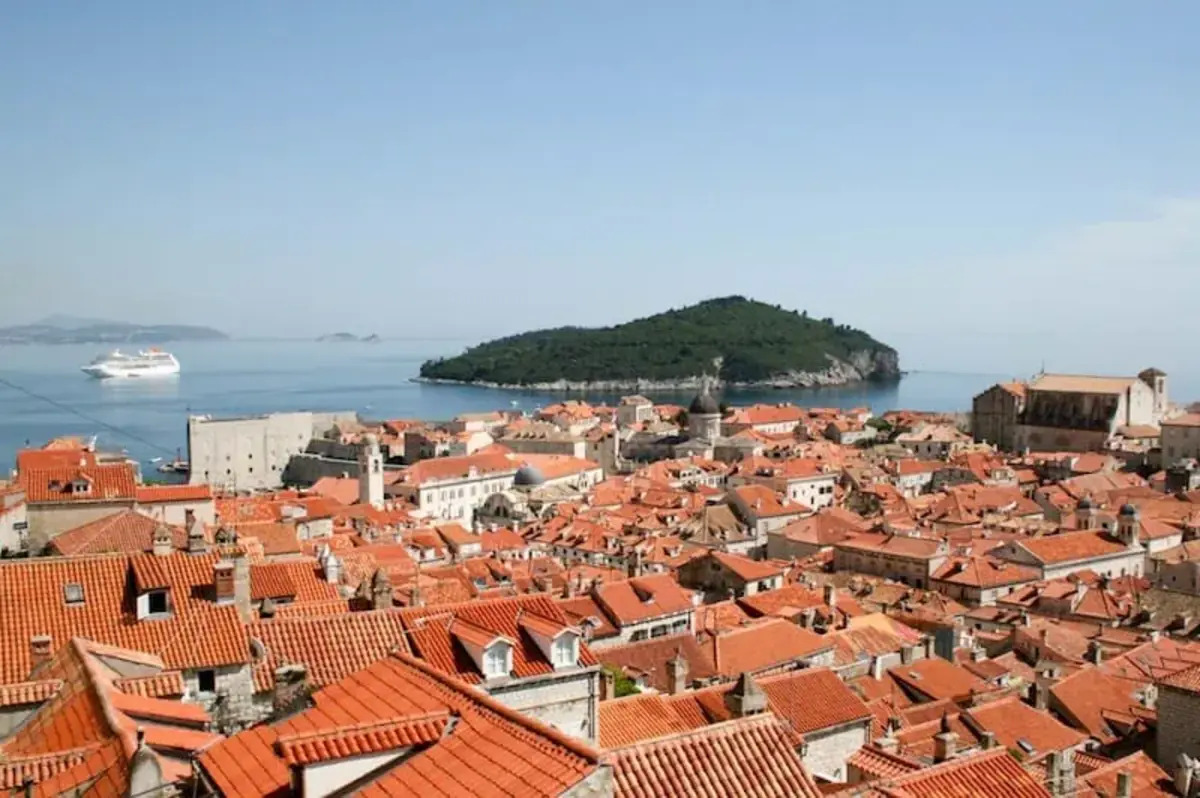
Croatia tourism economy grew stronger in 2026 because more people from countries spent money and there was a big demand in September. This helped the whole country keep growing. Official numbers from 9 October 2026 showed that Croatia had 20.1 million visitors and 104.9 million overnight stays in the nine months. That means a 2% rise in visitors and 1% overnight stays. September was even better. There were 2.6 million visitors and 14.3 million overnight stays. Both numbers went up by 3% compared to the time last year. At the time money, from foreign tourists went up by about 5% in the first half of 2026. The amount of money collected from tourism increased by 18% in the first nine months. All these changes show that more visitors are spending money and people are still wanting to visit Croatias areas. This is helping the tourism economy keep growing after the usual summer season.
Croatia Tourism Hits New Heights with 104.9 Million Overnight Stays in First Nine Months of 2026
Croatia welcomed 20.1 million tourist arrivals between January and September 2026, representing a 2% increase compared with the corresponding period in 2025.
Croatia recorded 104.9 million overnight stays, reflecting a 1% increase compared with the same period in the previous year.
The figures come from Croatia’s eVisitor tourism registration system, which monitors commercial and non-commercial accommodation. Registered nautical charter tourism is also included through the eCrew system.
Advertisement
Advertisement
These results demonstrate Croatia’s continued popularity among European and international travellers.
September’s stronger performance is particularly encouraging because it indicates that visitor demand is continuing beyond July and August.
Advertisement
Advertisement
This development supports Croatia’s wider efforts to distribute tourism activity more evenly throughout the year.
Croatia’s Adriatic Coast Dominates with 100.5 Million Overnight Stays
Croatia’s Adriatic coastline remained the country’s most important tourism region during the first nine months of 2026.
Advertisement
Advertisement
Coastal destinations generated 100.5 million overnight stays, representing annual growth of 1%.
This accounted for approximately 95.8% of the country’s total registered overnight stays.
Continental Croatia, including Zagreb, recorded 4.4 million overnight stays, also increasing by 1% year-on-year.
The figures underline the continued strength of coastal tourism while highlighting opportunities to develop inland destinations.
Advertisement
Advertisement
Historic towns, cultural attractions, countryside experiences and city breaks could help attract visitors to other parts of Croatia.
Expanding tourism beyond coastal resorts remains important for achieving a more balanced visitor economy.
Istria Dominates Croatia’s Tourism Landscape as Split-Dalmatia and Kvarner Follow in Overnight Stays
Istria maintained its position as Croatia’s leading tourism region, recording 29.5 million overnight stays between January and September 2026.
Split-Dalmatia County followed with 19.9 million overnight stays, while Kvarner registered 17.6 million.
Together, these three regions generated 67 million overnight stays, accounting for approximately 63.9% of the national total.
Istria attracts visitors through its coastal landscapes, historic towns, beaches and Mediterranean food traditions.
Advertisement
Advertisement
Split-Dalmatia remains popular for its cultural heritage, island experiences and coastal destinations.
Kvarner also plays an important role in Croatia’s tourism industry through its seaside resorts and island attractions.
Their performance confirms the importance of the northern and central Adriatic to Croatia’s tourism economy.
Dubrovnik, Rovinj and Split Remain Croatia’s Leading Travel Destinations
Rovinj, Dubrovnik, Poreč, Split, Umag and Medulin were among Croatia’s leading destinations for overnight stays during the first nine months of 2026.
Dubrovnik continues to attract visitors with its historic city walls and Adriatic setting.
Split combines Roman heritage with waterfront attractions and access to nearby islands.
Advertisement
Advertisement
Rovinj and Poreč remain popular for their picturesque old towns, while Umag and Medulin offer established seaside holiday experiences.
In September, Dubrovnik, Rovinj, Split, Umag and Medulin were again among the destinations recording the highest overnight-stay totals.
Their popularity highlights the importance of combining cultural attractions with coastal tourism experiences.
Germany Leads Croatia’s International Tourism Market with 20.8 Million Overnight Stays
Germany remained Croatia’s largest international source market during the first nine months of 2026, generating 20.8 million overnight stays.
Domestic travellers followed with 13 million overnight stays, while Slovenia contributed 10.8 million.
Austria generated 7.7 million overnight stays, followed by Poland with 7.2 million and the Czech Republic with 5.1 million.
Advertisement
Advertisement
Hungary accounted for 4 million overnight stays, Italy recorded 3.9 million and the United Kingdom contributed 3.8 million.
During September, Germany, Austria, Croatia, Slovenia, Poland, the Czech Republic, the United Kingdom and the United States were among the leading markets.
These figures demonstrate Croatia’s strong connections with established European markets and its appeal to longer-distance travellers.
Croatia Tourism Revenue Rises as Visitor Spending Strengthens in 2026
Croatia’s tourism growth was accompanied by positive financial indicators.
Revenue from foreign tourists increased by almost 5% during the first six months of 2026 compared with the same period in 2025.
Official Croatian National Bank figures placed international tourism revenue at approximately €4.59 billion during this period.
Advertisement
Advertisement
Meanwhile, the value of fiscalised receipts in tourism rose by almost 18% during the first nine months, while the number of receipts issued increased by 6%.
These figures indicate growth in recorded tourism-related transactions.
However, fiscalised receipts and international visitor revenue measure different economic activities and should not be treated as directly interchangeable.
The positive indicators support Croatia’s wider objective of improving tourism value alongside visitor numbers.
Croatia Focuses on Year-Round Tourism as September Travel Demand Grows
Croatia is seeking to strengthen tourism outside the traditional summer months through diversified travel experiences, international promotion and cooperation with tourism businesses.
September’s 3% growth in arrivals and overnight stays provides encouraging evidence of continued demand after August.
Advertisement
Advertisement
The country’s tourism priorities include attracting visitors from more distant markets and promoting higher-value experiences.
Cultural tourism, food experiences, outdoor activities and historic destinations offer opportunities to extend travel beyond beach holidays.
Advent celebrations and other seasonal events could also support tourism activity during the final months of 2026.
For the wider industry, reducing dependence on peak summer demand could create opportunities for hotels, restaurants, attractions and regional businesses.
Croatia’s Tourism Outlook Remains Positive for the Rest of 2026
Croatia entered the final quarter of 2026 with steady tourism growth, supported by international demand, strong coastal destinations and rising financial indicators.
The country’s 20.1 million arrivals and 104.9 million overnight stays demonstrate its established position in Mediterranean tourism.
Advertisement
Advertisement
Istria, Split-Dalmatia and Kvarner remain the principal tourism regions, while Germany continues to lead international overnight stays.
September’s stronger performance suggests opportunities to develop tourism beyond the busiest summer months.
Looking ahead, Croatia’s focus on quality, regional diversity and year-round travel could help create a more balanced and economically valuable tourism industry.
Croatias tourism sector became stronger in 2026 because more people were spending money and there was growth in September that increased the desire to travel. There were 20.1 million visitors and 104.9 million overnight stays in the nine months. Arrivals and overnight stays in September went up by 3 percent. Foreign tourism revenue went up by 5 percent in the half of the year. This shows that there is demand, for tourism even after the busy summer season.
Advertisement
