
United States Travel Shockwave as Adventure Travel Trends 2026 Redefine Exploration, Luxury, and Experiential Tourism Worldwide

Published
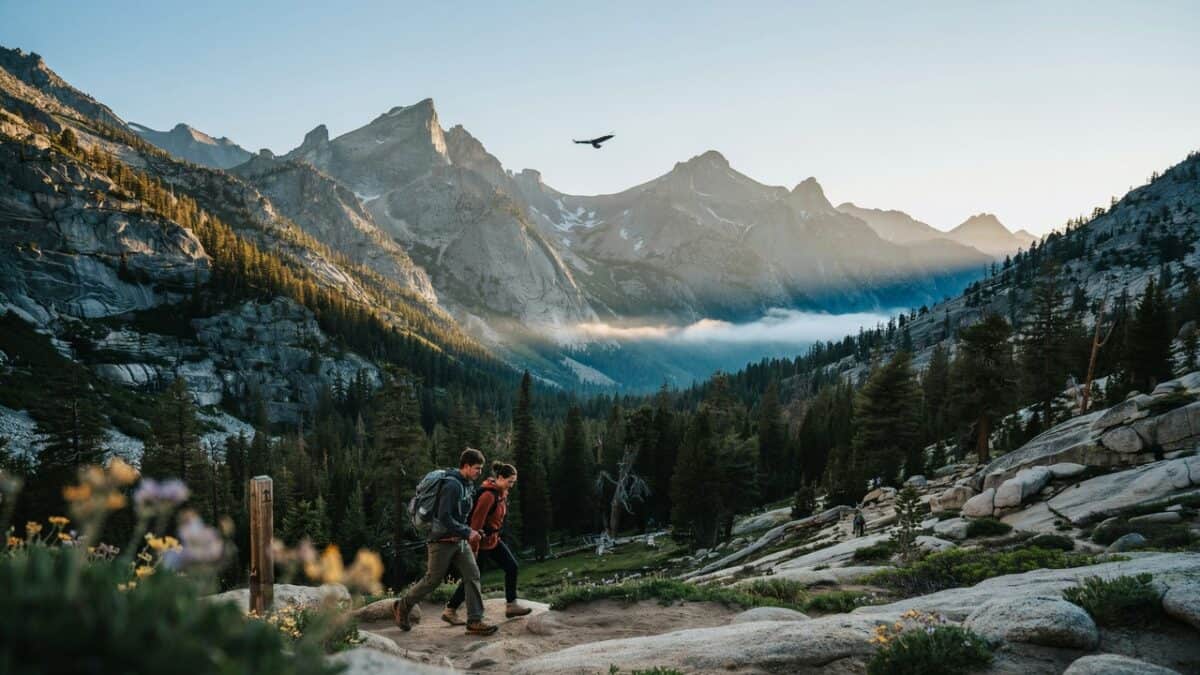
The United States travel adventure tourism transformation accelerates as 2026 travel trends redefine how explorers approach journeys across global destinations. Adventure travel trends 2026 highlight immersive travel experiences, cultural exploration, and soft adventure tourism as dominant forces in global mobility. US adventure tourism growth reflects rising demand for meaningful, experience-led holidays across mountains, deserts, and secondary destinations. Travel industry forecasts show major shift toward curated exploration travel and sustainable tourism models. Adventure travel in the United States now leads global experiential tourism innovation.
Global Adventure Travel Enters a New Experience-Led Era
Adventure travel is no longer defined by extreme physical challenges alone. The global tourism industry now embraces experience-led exploration as the dominant travel model. The United States plays a central role in this transformation. Travellers increasingly prefer meaningful journeys over adrenaline-heavy activities.
Advertisement
Advertisement
Industry forecasts for 2026 show a strong shift toward immersive travel experiences. Visitors now prioritise connection, storytelling, and cultural depth. This shift changes how destinations design tourism products. Adventure travel becomes slower, deeper, and more personal. The United States benefits strongly from this evolving demand pattern.
Adventure Travel Trends 2026 Reshape Global Tourism Behaviour
Adventure travel trends 2026 reflect a major behavioural shift in global tourism markets. Travellers now seek curated experiences instead of complex independent planning. This trend reduces travel stress and increases emotional satisfaction. Tourism operators respond with structured and guided adventure packages.
Advertisement
Advertisement
Secondary destinations gain popularity as travellers move away from overcrowded hotspots. Rural landscapes, national parks, and remote regions attract rising interest. The United States offers diverse geography for this shift. From Alaska’s wilderness to Utah’s desert landscapes, options expand rapidly. Adventure tourism becomes more inclusive and accessible.
United States Becomes a Core Hub for Adventure Travel Growth
The United States remains a leading destination for global adventure tourism. Its vast geography supports multiple travel styles across different regions. National parks play a major role in attracting international visitors. Destinations like Yellowstone, Yosemite, and the Grand Canyon dominate travel itineraries.
Advertisement
Advertisement
Soft adventure tourism grows faster than extreme sports segments. Travellers prefer hiking, kayaking, wildlife tours, and scenic exploration. The United States adapts quickly to this demand shift. Infrastructure improvements support safer and more curated experiences. This strengthens its global position in adventure travel markets.
Why Experience-Led Travel Dominates 2026 Tourism
Experience-led travel defines the future of global tourism behaviour. Travellers now prioritise emotional value over physical intensity. They seek stories, culture, and local interaction during trips. This changes the structure of adventure tourism worldwide.
Advertisement
Advertisement
Destinations now design journeys around immersion rather than speed. Visitors stay longer in fewer places to deepen engagement. The United States reflects this shift through curated park experiences and guided tours. Adventure travel becomes more meaningful and less fragmented. This trend reshapes global tourism expectations.
Secondary Destinations Rise in Global Travel Importance
Secondary destinations become a major force in adventure tourism growth. Travellers avoid overcrowded cities and explore lesser-known regions. This reduces pressure on traditional tourist hotspots. It also distributes tourism benefits more evenly.
The United States benefits from this redistribution trend. States like Montana, Wyoming, and Oregon gain increasing attention. These regions offer natural landscapes and low-density travel experiences. Adventure tourism expands beyond major urban centres. This strengthens regional tourism economies significantly.
Digital Influence Drives Adventure Travel Demand
Digital platforms play a major role in shaping adventure travel trends. Social media content influences destination discovery and travel decisions. Travellers now plan trips based on visual storytelling and online inspiration. This increases demand for visually rich destinations.
Advertisement
Advertisement
The United States gains strong visibility through digital travel content. National parks and scenic routes dominate online travel platforms. Influencers showcase hiking trails, road trips, and wilderness experiences. This boosts interest in adventure tourism across global audiences. Digital exposure becomes a powerful travel driver.
Sustainability Shapes Modern Adventure Tourism
Sustainability now defines modern adventure travel expectations. Travellers prefer eco-friendly destinations and low-impact travel options. Tourism operators adapt by promoting responsible travel practices. This includes conservation-focused tours and local community engagement.
The United States integrates sustainability into adventure tourism growth. National parks implement visitor management systems and eco-guidelines. Travellers increasingly support destinations with environmental responsibility. This strengthens long-term tourism viability. Sustainable adventure travel becomes a core industry standard.
Luxury Travel Redefined Through Adventure Experiences
Luxury travel evolves beyond traditional comfort-based definitions. Travellers now associate luxury with experience depth and exclusivity. Remote lodges, guided expeditions, and curated journeys define modern luxury travel. Comfort remains important, but experience becomes central.
The United States offers strong luxury adventure options. High-end lodges in national parks attract premium travellers. Private guided tours enhance exclusivity and personal engagement. Adventure tourism merges with luxury travel segments. This creates a hybrid tourism category with strong demand.
Travel Industry Responds to Adventure Tourism Growth
The travel industry rapidly adapts to adventure tourism expansion. Airlines increase routes to secondary airports near nature destinations. Hotels invest in boutique and eco-friendly accommodations. Tour operators design flexible adventure packages.
Advertisement
Advertisement
The United States benefits from strong infrastructure and connectivity. This supports high visitor flows to remote destinations. Adventure tourism becomes a major revenue driver. Industry players invest heavily in experience-based offerings. This strengthens long-term market stability.
Future of Adventure Travel in 2026 and Beyond
Adventure travel continues evolving toward personalised and meaningful experiences. Technology enhances trip planning and on-ground navigation. Artificial intelligence supports itinerary design and travel optimisation. However, human experience remains at the core of tourism.
The United States will continue leading global adventure tourism innovation. Its diverse geography supports long-term growth across multiple segments. Travellers will increasingly seek curated and immersive journeys. Adventure tourism becomes central to global travel evolution. This trend reshapes how people explore the world.
Conclusion: Adventure Travel Becomes a Meaningful Global Movement
Adventure travel in 2026 reflects a deep transformation in global tourism behaviour. The United States stands at the centre of this evolution. Travellers now prioritise experience, meaning, and connection over intensity alone. Secondary destinations, sustainability, and digital influence shape this shift.
Adventure tourism is no longer about extremes. It is about discovery, immersion, and emotional engagement. The United States continues to lead this global movement. The future of travel belongs to experiences that feel personal and transformative.
Advertisement
