
Worcester Unites Lowell, New Bedford, Plymouth, Salem, Boston, And Springfield To Reveal The Most Dazzling Twilight Ancestral Journeys In Massachusetts, If You Haven’t Experienced This Hauntingly Beautiful Side Of American Travel, You’re Missing The Hidden Soul Of The United States

Published
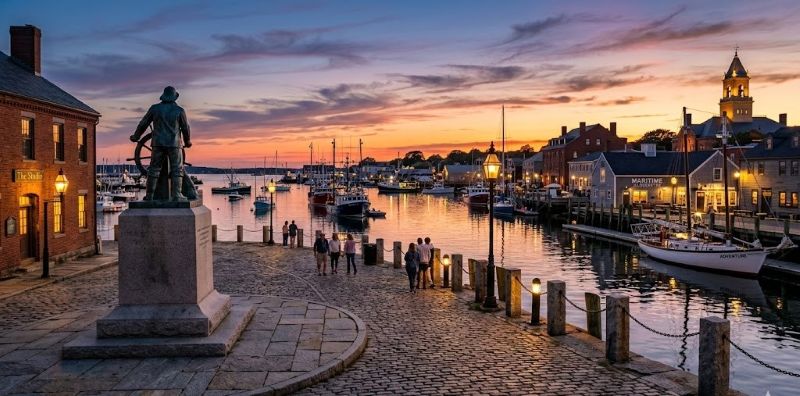 Image generated with Ai
Worcester Unites Lowell, New Bedford, Plymouth, Salem, Boston, And Springfield To Reveal The Most Dazzling Twilight Ancestral Journeys In Massachusetts, If You Haven’t Experienced This Hauntingly Beautiful Side Of American Travel, You’re Missing The Hidden Soul Of The United States. As night falls, these historic cities glow with the soft light of streetlamps and illuminated monuments, creating a hauntingly beautiful atmosphere that feels both nostalgic and magical. Whether you’re wandering the cobblestone streets of Salem, where the legacy of the witch trials lingers in the air, or standing before Plymouth Rock and reflecting on the Pilgrims’ arrival, every step you take on these evening heritage walks is an encounter with the hidden soul of the United States.
These twilight ancestral journeys offer visitors a deeper, more reflective experience of America’s early days, often overlooked in the rush of modern tourism. In Worcester, the intersection of history and culture is made accessible to everyone, creating an opportunity to connect with America’s roots in a profoundly meaningful way. So, if you haven’t yet experienced this breathtaking side of American travel, you’re missing out on one of the country’s best-kept secrets—an experience that reveals the heart and soul of the United States, one illuminated step at a time.
Boston: A Revolutionary City Under the Stars
Boston, a city synonymous with the birth of America, is a must-visit destination for history enthusiasts. By day, its streets are filled with the bustle of modern life, but as evening falls, the city’s deep-rooted revolutionary past takes center stage. The Freedom Trail, a 2.5-mile path that weaves through Boston’s most significant historic sites, offers an opportunity to experience the city’s history like never before. At night, the trail feels more poignant, a quiet pathway where every step seems to echo with the footsteps of those who shaped the nation.
Advertisement
Advertisement
Boston Common, the oldest public park in the United States, provides an inviting space for quiet reflection as the dome of the Massachusetts State House illuminates against the darkening sky. The park, once the site of British troop encampments, now stands as a symbol of Boston’s revolutionary spirit. Just a short distance away, the Granary Burying Ground offers an eerily tranquil setting as you walk past the graves of notable figures like Paul Revere and Samuel Adams. Though the gates close at dusk, the surrounding streets still provide a reflective walk under the moonlight, casting an emotional ambiance over the space.
One of the most iconic landmarks in Boston, the Old North Church, beckons visitors with its glowing steeple. Famous for the lanterns that warned of the British army’s advance, the church provides a glimpse into the dramatic moments that led to the American Revolution. Evening tours of the Old North Church allow visitors to descend into the crypt, where they can learn more about the church’s role in American history, illuminated in a warm, reverent light.
Advertisement
Advertisement
As you walk through the cobblestone streets of Faneuil Hall, the site where Samuel Adams and others stirred the flames of rebellion, the evening lights illuminate the historic marketplace, evoking the atmosphere of 18th-century Boston. Close by, the Paul Revere House in the North End offers an authentic look into the life of one of America’s most celebrated patriots. Walking the gas-lit streets of the North End at night is a captivating journey back in time, where the sounds of the past seem just a whisper away.
Salem: The Witch City in Moonlight
Advertisement
Advertisement
Salem’s eerie charm shines brightest when the city is enveloped in the quiet of night. Known for its infamous 1692 witch trials, Salem offers a unique evening heritage walk that transports visitors into its haunted history. The Salem Heritage Trail, marked by a distinct red line, leads you through the city’s eerie streets, guiding you past key locations that gain an otherworldly character as the night unfolds.
The Witch House, Salem’s only remaining structure directly tied to the witch trials, offers a hauntingly immersive experience after dark. It hosts architecture and history walks, where visitors are guided through its dimly lit rooms, learning about the trials that once gripped the city. Nearby, the Salem Maritime National Historic Site comes alive under the stars. As you walk along Derby Wharf, the Friendship of Salem, a tall ship that once sailed from Salem’s bustling port, stands tall in the moonlight, its dark silhouette telling stories of the city’s maritime heritage.
The Charter Street Cemetery, the oldest cemetery in Salem, features lighting that highlights 17th-century headstones, creating a somber, yet captivating, atmosphere. Further down the path, the House of the Seven Gables, immortalized in Nathaniel Hawthorne’s novel, offers evening performances called “Spirits of the Gables”. The candlelit gardens surrounding the house come to life with historical reenactments, adding an ethereal layer to this already mystical site.
Plymouth: The Pilgrims’ Legacy After Dark
Advertisement
Advertisement
Plymouth, the birthplace of American democracy, takes on a peaceful, reflective air as the night falls. Known for its role in the settlement of the Pilgrims, Plymouth offers a chance to step back into the past, retracing the footsteps of the first settlers who arrived in 1620. The illuminated Plymouth Rock, sheltered under a Roman Doric portico, serves as a poignant reminder of the Pilgrims’ arrival, its quiet reflection offering a serene experience for evening visitors.
The surrounding Burial Hill, where many of the Pilgrims are buried, provides a breathtaking view of the harbor, especially at night. The towering National Monument to the Forefathers, one of the world’s largest solid granite monuments, stands tall against the night sky, offering a grand spectacle that highlights Plymouth’s historical importance.
For an authentic glimpse into the Pilgrims’ early settlement, take a walk along Leyden Street, the oldest continuously inhabited street in America. The quiet, narrow lanes that trace the original settlement layout offer an immersive experience in Plymouth’s early days, echoing the same path taken by the first European settlers.
New Bedford: The Whaling City Glows After Dark
Steeped in maritime history, New Bedford is one of New England’s most fascinating cities, where the past and present collide in a seamless blend of culture, history, and heritage. Known as the “Whaling City,” it offers one of the best evening heritage walks in the region, with its historic sites beautifully lit up as the sun sets. The New Bedford Whaling National Historical Park spans 13 blocks, offering a time capsule that takes visitors back to the days when this bustling port city was the whaling capital of the world.
As evening falls, the Seamen’s Bethel, also known as the Whaleman’s Chapel, becomes a central feature of the park, its historic facade bathed in the soft glow of streetlights. This chapel, famously associated with Herman Melville’s Moby-Dick, is one of the most important symbols of the city’s deep connection to whaling. The AHA! Nights (Art, History, Architecture) events hosted here invite visitors to explore the city’s maritime past in a more intimate and immersive way. Walking through the chapel, you can almost hear the echoes of the sailors who once prayed for safe returns to sea.
Advertisement
Advertisement
Not far from the chapel, the New Bedford Whaling Museum continues to captivate visitors even as night descends. The museum’s Harbor View Gallery glows with its illuminated whale skeletons, visible through its glass-fronted windows, creating a breathtaking spectacle for passersby. These remnants of the whaling industry, juxtaposed against the moonlit waters of the harbor, evoke the profound impact the whaling trade had on the city and the world. As you stand in front of the glowing whale skeletons, it becomes clear that New Bedford’s maritime history continues to reverberate through time.
Custom House Square, an area surrounded by Greek Revival architecture, also plays a pivotal role in New Bedford’s evening heritage. It is here that visitors can immerse themselves in the city’s industrial maritime history, walking down cobbled streets that have remained largely unchanged since the 1800s. The combination of this old-world charm and modern-day lights brings the whaling era back to life.
 Image generated with Ai
The evenings in New Bedford are much more than a simple walk through history—they are an experience that transports you to another time, allowing you to feel the essence of the city’s rich past under the glow of the night.
Lowell: The Industrial Heartbeat of New England
Once the beating heart of America’s Industrial Revolution, Lowell offers a distinct evening experience that immerses visitors in the legacy of the nation’s rise to industrial prominence. As night falls, the city’s extensive network of mills and canals transforms into a captivating scene of history illuminated by soft lights, offering a rare and intimate view of a past that changed the world.
The Boott Cotton Mills Museum, one of the city’s most significant landmarks, stands as a testament to Lowell’s industrial history. The exterior of the mill complex is beautifully illuminated after dark, showcasing the scale and significance of the buildings that once powered America’s textile industry. The illuminated windows of the Boott Mills provide a stark contrast to the quiet, still canals that run alongside them. Visitors can walk through this expansive site, gaining insight into the mill workers’ lives while marveling at the grandeur of the city’s industrial architecture.
Advertisement
Advertisement
Lowell’s canal system, including the Lowell Canal System, becomes even more enchanting at night. The lit-up walkways along the Pawtucket Canal and Eastern Canal offer an immersive experience that reflects the city’s engineering genius and its once-thriving mills. The 19th-century gatehouses, which once regulated the water flow to the mills, are now softly illuminated, giving visitors a sense of the city’s industrial prowess.
One of the most unique aspects of Lowell is Jack Kerouac Park, named after the legendary author born in the city. As night falls, the park’s illuminated monuments, engraved with excerpts from Kerouac’s works, offer a fitting tribute to the literary legacy that was born from this industrial hub. The park’s peaceful yet poignant atmosphere invites visitors to reflect on the intersection of literature and industry in Lowell’s past.
Lucy Larcom Park, named after a mill girl poet, provides another stunning evening setting. As you walk along its illuminated path, you are reminded of the mill girls who once worked in Lowell’s factories, contributing to the city’s industrial success. The park’s beauty at night makes it a perfect stop on an evening heritage walk.
Lowell’s rich industrial and literary history shines brightly at night, making it a must-visit city for those interested in the legacy of America’s industrial revolution.
Worcester: The Heart of the Commonwealth at Night
Worcester, often overshadowed by its more famous New England counterparts, offers a captivating glimpse into the region’s Victorian-era architecture and industrial history after dark. As night falls, the city’s historic buildings, beautifully lit up, create a rich tapestry of past and present, providing an opportunity to explore the heart of Massachusetts in a unique and intimate way.
Advertisement
Advertisement
One of the most impressive sights in Worcester is the Mechanics Hall, a stunning example of pre-Civil War American architecture. Dating back to 1857, the hall’s illuminated Italian Renaissance facade stands as a symbol of the city’s cultural pride. Its grandeur is especially striking at night, when it becomes one of the city’s most celebrated landmarks. As the lights reflect off its classical architecture, you can almost imagine the concerts and events that have taken place within its walls, making it a true cultural gem in the heart of the city.
The Union Station, another notable architectural gem, adds to the evening’s allure. With its grand Beaux-Arts design and illuminated twin towers, Union Station is a beacon for travelers and heritage enthusiasts alike. Its towering presence offers a visual experience that is especially striking when illuminated at night.
Nearby, Salisbury Mansion provides a rare glimpse into Worcester’s aristocratic past. Restored to its 1830s appearance, the mansion offers a fascinating view of the city’s early history, offering an opportunity to step into a world of upper-class society that once flourished in the heart of New England.
Worcester’s architecture, coupled with its role in the Industrial Revolution, makes it an essential stop for anyone interested in the history of New England. As the city’s streets and buildings light up at night, they offer a journey into the past that is as rich and profound as the city itself.
Springfield: The Arsenal of History After Dark
Springfield, a city deeply connected to America’s industrial and military history, offers an enriching experience after dark. As the evening sets in, Springfield’s historic landmarks come to life, shedding light on the city’s pivotal role in shaping the nation’s military and industrial landscape.
Advertisement
Advertisement
The Springfield Armory, the site of America’s first federal armory, is one of the most significant sites in the city. As the armory is illuminated at night, it stands as a powerful visual representation of the country’s military heritage. The illuminated armory, with its towering structures, provides a breathtaking view of the city, offering visitors a chance to reflect on Springfield’s vital role in American history.
At the heart of Springfield, Court Square is home to the Old First Church, another historic gem. The area is filled with beautifully lit monuments, creating a serene setting where visitors can reflect on Springfield’s role in shaping the nation. The The Quadrangle, a collection of museums that honor Springfield’s history, offers visitors a deep dive into the city’s rich cultural and industrial past. As night falls, these museums offer an immersive experience through the city’s history, highlighting Springfield’s evolution from a manufacturing hub to the modern city it is today. Springfield’s military and industrial contributions make it an essential part of any New England heritage tour, offering a powerful connection to the country’s roots in both manufacturing and defense.
How does night tourism contribute to preserving a destination’s cultural heritage?
Night tourism plays a significant role in preserving a destination’s cultural heritage by offering an alternative way for visitors to connect with history, culture, and traditions after dark. While daytime tourism often focuses on popular landmarks and museums, evening experiences highlight aspects of a destination that are often overlooked, offering a more intimate and atmospheric approach to exploring heritage sites.
By hosting night heritage walks, cities provide visitors with the opportunity to experience historical landmarks, monuments, and districts in a new light. The interplay of artificial and natural lighting enhances the architectural features of buildings, adding a layer of beauty that is impossible to capture in daylight. This unique visual appeal draws tourists, encouraging them to explore and engage with the rich cultural history that may not be as readily visible during the day. Moreover, this emphasis on evening tours encourages greater respect for and preservation of these sites, as it often requires more careful planning and upkeep, particularly with lighting, to ensure the landmarks remain in good condition.
Night tourism also creates a deeper emotional connection to the destination’s heritage. As cities like Salem or Boston glow under the night sky, visitors can walk through the streets where historical events unfolded, such as revolutionary meetings or whaling expeditions, and feel a sense of continuity with the past. The quiet, reflective atmosphere allows for moments of introspection, where the historical significance of a place is better appreciated.
Advertisement
Advertisement
Furthermore, the growth of night tourism benefits local economies, which in turn supports the preservation efforts for heritage sites. As tourists flock to these experiences, they generate additional revenue for local businesses, including hotels, restaurants, and shops. This revenue often goes back into maintaining and restoring the heritage sites, helping to preserve them for future generations. Night tourism, by encouraging longer stays and more diverse experiences, ensures that cultural landmarks are not only remembered but also cherished in the long run.
What role do interactive performances, like the “Spirits of the Gables” in Salem, play in evening heritage walks?
Interactive performances, such as the “Spirits of the Gables” in Salem, play a transformative role in evening heritage walks by making history feel alive and tangible. These performances offer an immersive experience, where visitors are not just passive observers but active participants in the unfolding of stories. In Salem, the “Spirits of the Gables” brings to life the eerie atmosphere of the House of the Seven Gables, where actors, dressed in period costumes, re-enact key historical events tied to Salem’s haunted past, particularly the witch trials. By stepping into the shoes of those who lived through these pivotal moments, tourists connect emotionally with the history, which is far more impactful than simply reading about it.
The power of such performances lies in their ability to engage the imagination. As visitors walk through the House of the Seven Gables and its enchanting gardens, they aren’t just learning about Salem’s history—they’re experiencing it. These performances create a bridge between the present and the past, allowing tourists to understand not only the historical facts but also the human emotions and experiences behind them. This deepens their connection to the site and makes the heritage walk far more memorable.
In cities like Boston, New Bedford, and Lowell, interactive performances also play a significant role in bringing their industrial, revolutionary, and maritime histories to life. Whether it’s a re-enactment at Old North Church in Boston or performances highlighting New Bedford’s whaling past, these activities transform historical sites into immersive environments that evoke a powerful sense of time and place.
 Image generated with Ai
Moreover, these performances often create an atmosphere that extends the life of the heritage site, attracting both new visitors and repeat tourists. They encourage more personal engagement with the history, fostering a sense of community connection and encouraging visitors to explore further. Ultimately, interactive performances add vibrancy and depth to evening heritage walks, making them an essential tool for preserving and celebrating cultural heritage.
Advertisement
Advertisement
What new trends in heritage tourism are emerging, and how are evening walks contributing to these trends?
Emerging trends in heritage tourism reflect a shift towards more immersive, interactive, and experiential travel. Tourists are increasingly seeking authentic, meaningful connections with the past, and evening heritage walks are perfectly positioned to meet these evolving demands. As travelers seek deeper engagement, cities like Boston, Salem, and New Bedford are embracing innovative ways to blend history with dynamic, hands-on experiences that captivate visitors long after sunset.
One notable trend is the growing desire for experiential tourism, where visitors seek to “live” history rather than just observe it. Evening walks, such as the “Spirits of the Gables” in Salem, are central to this shift. These immersive performances invite tourists to step into the shoes of historical figures, offering a dramatic and interactive interpretation of the past. As visitors walk through the House of the Seven Gables or the Granary Burying Ground in Boston, they engage with history on a personal level, creating a much more profound emotional connection to the site.
Another trend is the rise of nighttime heritage tourism, where cities are utilizing the mystique of evening hours to create unique experiences. Sites that are often overshadowed during the day, such as New Bedford’s whaling museum or Lowell’s Boott Cotton Mills Museum, take on a new life under the glow of evening lights. This trend taps into the growing popularity of night tourism, offering a fresh way to explore the cultural and historical landscape after hours, with special evening events, performances, and illuminations.
Furthermore, heritage tourism is evolving to embrace sustainability and local engagement. Evening heritage walks often incorporate local performers, guides, and artisans, fostering a deeper connection between visitors and the communities they are exploring. This creates a more sustainable and authentic experience, as tourists not only learn about the history of a place but also engage with the local culture and economy.
Overall, evening heritage walks are a key driver of these emerging trends, offering tourists more immersive, engaging, and memorable ways to connect with history and culture. Cities like Boston, Salem, and New Bedford are at the forefront of these shifts, providing innovative experiences that help preserve and celebrate their rich heritage.
Advertisement
Advertisement
How can destinations like Plymouth and Lowell use technology and interactive tours to attract tourists to their evening heritage walks?
Destinations like Plymouth and Lowell can harness the power of technology and interactive tours to create more engaging and accessible evening heritage walks that attract a broader range of tourists. As travel preferences shift towards immersive and tech-savvy experiences, these cities have a unique opportunity to blend history with innovation, drawing visitors in with new and exciting ways to explore their rich cultural past.
One of the most effective ways to incorporate technology is through the use of augmented reality (AR). In Plymouth, for example, an AR-powered walking tour could bring the Pilgrims’ arrival at Plymouth Rock to life. Tourists could use their smartphones or AR glasses to view reconstructions of the historic moment, interact with 3D models of the Mayflower, and explore the 1620 settlement. By merging the past with digital enhancements, these tours would not only educate but also provide a more engaging, futuristic way to experience history.
Similarly, in Lowell, the use of interactive mobile apps can enhance the night tours of the Boott Cotton Mills and Lowell Canal System. Visitors could follow a self-guided tour on their phones, unlocking detailed stories, audio narrations, and video clips that explain the industrial legacy of the city. Gamification could also be incorporated, encouraging tourists to complete challenges or “missions” throughout the evening, such as finding hidden historical markers or solving riddles related to Lowell’s industrial pioneers. This type of interactive approach engages visitors, especially younger generations, and makes the heritage walk more memorable.
Another innovative method is virtual reality (VR), which could be used in places like Plymouth’s Leyden Street or Lowell’s Canal Walks to offer immersive time travel experiences. VR headsets could allow visitors to step back in time and witness historical events firsthand, such as the Pilgrims’ first steps on land or the bustling activity of Lowell’s textile mills during the Industrial Revolution.
By integrating these technological tools, Plymouth and Lowell can offer tourists a fresh, interactive, and deeply engaging way to explore their heritage, setting them apart as leading destinations in the realm of modern heritage tourism.
Advertisement
Advertisement
What are the environmental and sustainability considerations when organizing large-scale night-time heritage walks, and how can these challenges be addressed?
When organizing large-scale night-time heritage walks, such as those in Plymouth or Lowell, environmental sustainability must be a key consideration. These events, while providing immersive and engaging experiences for tourists, can pose challenges in terms of resource consumption, waste management, and environmental impact. However, with thoughtful planning and innovative solutions, these challenges can be effectively addressed.
One primary concern is energy usage for lighting and sound equipment. Illuminating historic sites like Plymouth Rock or the Boott Cotton Mills requires substantial energy, and traditional lighting methods can be inefficient. To minimize this impact, organizers can switch to LED lights, which are energy-efficient and have a much longer lifespan compared to conventional bulbs. Additionally, solar-powered lighting could be incorporated, especially in areas like Lowell’s canal paths or Plymouth’s waterfront, where natural sunlight during the day could power the lights at night.
Another challenge is waste management during large tours. Heritage sites are often located in busy urban areas, and a sudden influx of tourists can lead to increased waste production, including plastic bottles, food packaging, and other disposable items. To address this, event organizers can implement zero-waste initiatives, providing reusable water bottles and encouraging participants to carry their own. Collaborating with local businesses to reduce single-use plastics and providing refill stations along the tour route can further help in minimizing waste.
Sustainable transportation also plays a critical role. Encouraging visitors to use public transport or offering shuttle buses to key heritage sites in Salem, Plymouth, and Lowell can reduce the environmental footprint caused by private vehicles. Additionally, walking tours themselves are inherently sustainable, reducing the carbon footprint compared to other types of travel.
Finally, preservation of heritage sites must be considered to avoid any environmental damage during the tours. Using eco-friendly materials for promotional signage, providing educational messages on respecting local flora and fauna, and ensuring that pathways are carefully maintained without disturbing sensitive areas will help preserve the integrity of these sites for future generations.
Advertisement
Advertisement
By integrating these sustainable practices, destinations like Plymouth and Lowell can create memorable, eco-conscious experiences for tourists while preserving the beauty and history of their cultural landmarks.
 Image generated with Ai
The twilight hours transform these historic landscapes into a living museum. To truly understand the American narrative, one must see how Worcester unites Lowell, New Bedford, Plymouth, Salem, Boston, and Springfield to reveal the most dazzling twilight ancestral journeys. These cities bridge the gap between the industrial past and our modern identity.
Walking through these districts, you realize that in Massachusetts, if you haven’t experienced this hauntingly beautiful side of American travel, you’re missing the hidden soul of the United States. The soft glow of the gaslights invites a deep, personal reflection. This atmosphere offers a rare stillness. It allows the echoes of the “Mill Girls,” maritime explorers, and revolutionaries to speak clearly.
Transitioning from the bustling day to the quiet evening reveals a different story altogether. These walks provide more than just a history lesson; they offer a spiritual connection to the founders and workers who built this nation. By choosing to explore after dark, you uncover the layers of resilience and ingenuity that define the American character. Ultimately, choosing this path ensures you witness the most authentic version of our heritage.
Advertisement
