

Peru Unites with Ecuador and More Reshaping Global Tourism Across Seamless Borders

Published
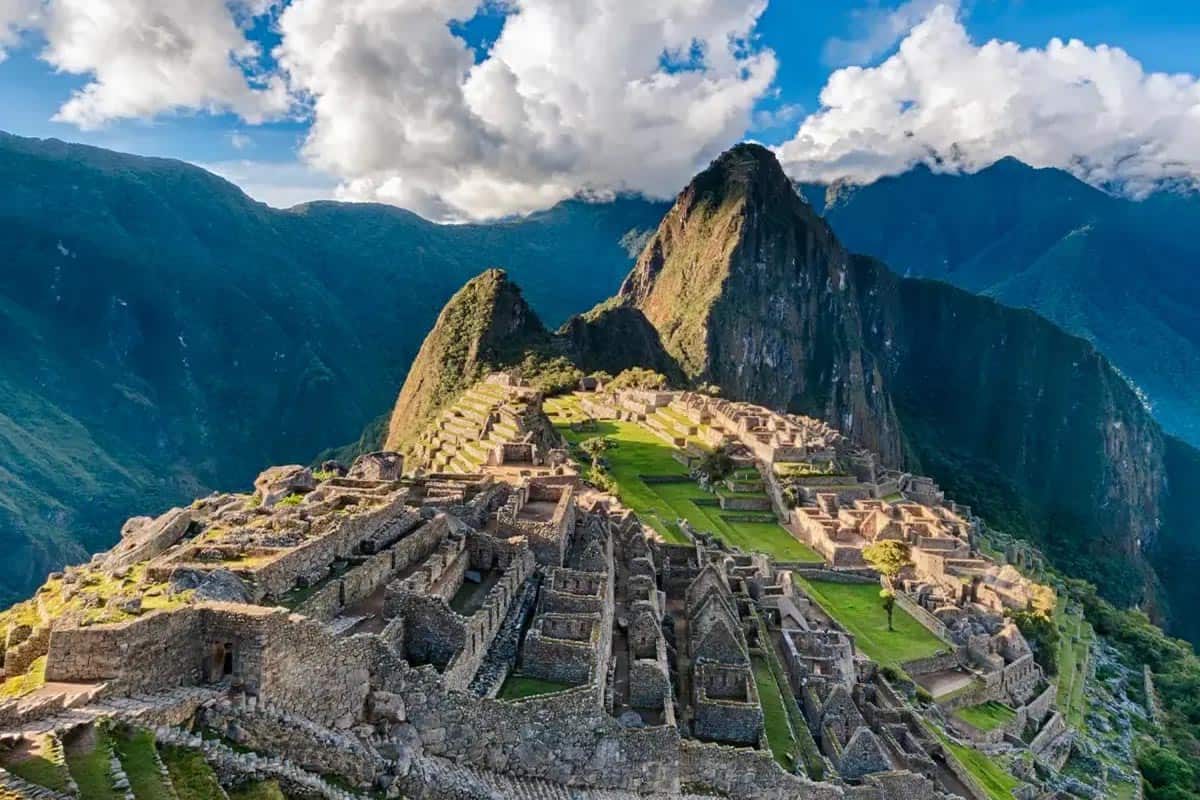
The global travel landscape is witnessing a monumental paradigm shift as Peru Unites With Ecuador to transform regional mobility, binational tourism, and trade across South America. By dismantling outdated bureaucratic hurdles, implementing integrated border checkpoints, and harmonising immigration frameworks, both sovereign nations are carving out a frictionless travel corridor. This unprecedented intergovernmental collaboration addresses historical transit bottlenecks while amplifying economic resilience across traditional Andean communities. As international tourist arrivals surge, this strategic union establishes a modern benchmark for seamless international travel, demonstrating how binational cooperation can unlock vast economic potential, streamline supply chains, and elevate South American global market competitiveness.
Historical Context and Evolution of Andean Border Governance
Legacy Transit Bottlenecks and Dual-Checkpoint Friction
For decades, overland movement along the Pacific corridor of South America suffered under the weight of redundant administrative protocols. Travelers seeking to navigate between Peru and Ecuador historically faced cumbersome border procedures at high-volume crossing points such as Aguas Verdes and Huaquillas. Under traditional border management models, pass-through visitors and commercial transport operators were subjected to duplicate administrative stops: first clearing exit procedures on one side of the border, followed by a separate, often protracted queue for entry immigration and customs on the opposite side.
Advertisement
Advertisement
These legacy arrangements frequently produced extreme waiting times, extending beyond three to five hours during peak tourist seasons and agricultural harvest periods. Beyond generating traveler fatigue, these friction points severely disincentivised multi-country tourism itineraries. Tour operators designing South American circuits often truncated their land-based programs or relied exclusively on expensive regional air travel, excluding mid-tier international travelers and restricting economic spillover to capital cities and primary resort hubs.
The 1998 Peace Accords and Infrastructure Foundations
Advertisement
Advertisement
The foundational architecture for contemporary cooperation between Lima and Quito traces back to the historic 1998 Comprehensive Peace Agreement signed in Brasilia. That landmark treaty not only settled long-standing territorial disputes but also established formal binational commissions tasked with promoting integration, infrastructure development, and border region prosperity.
In the years following the peace accords, both governments invested significantly in physical connectivity. Bridges spanning the Zarumilla River were constructed and modernized, alongside upgraded paved arterial routes along the Pan-American Highway corridor. However, while physical roads improved, administrative soft infrastructure lagged behind physical road network capacity, creating a bottleneck where modern highways funneled high-density traffic into manual, paper-based immigration halls.
Advertisement
Advertisement
Bilateral Frameworks Under the Andean Community (CAN)
As founding members of the Andean Community of Nations (CAN), Peru and Ecuador have consistently leveraged regional supranational bodies to harmonize mobility standards. Decision 503 and subsequent Andean Migration Protocols laid the early groundwork for national identity document recognition for intra-regional travelers.
Building upon these foundational treaties, the modern border modernization initiative converts aspirational supranational frameworks into functional, real-time operational systems. The current bilateral agenda transcends basic identity document recognition by integrating immigration, sanitary inspection, and customs duties under single-window physical and digital infrastructure.
+——————————————————————————-+
Advertisement
Advertisement
| HISTORICAL BORDER GOVERNANCE EVOLUTION |
+——————————————————————————-+
| 1998: Brasilia Peace Accords |
| ├── Permanent territorial resolution |
| └── Establishment of Binational Infrastructure Commissions |
+——————————————————————————-+
Advertisement
Advertisement
| 2001-2015: Andean Community (CAN) Migration Protocols |
| ├── Mutual recognition of national identity documents for citizens |
| └── Initial framework for binational border crossing facilities (CEBAF) |
+——————————————————————————-+
| 2026 Framework: Fully Synchronised Seamless Border Architecture |
| ├── Single-Window Digital Clearances |
Advertisement
Advertisement
| ├── Biometric Passport Interoperability & Automated E-Gates |
| └── Joint Sanitary & Customs Directives |
+——————————————————————————-+
The 2026 Bi-National Integration Agreement: Core Pillars
Single-Window Clearance Systems at Aguas Verdes and Huaquillas
At the heart of the latest border overhaul is the complete deployment of Integrated Border Control Centres (CEBAF) operating under a single-window philosophy. Under this streamlined system, travelers and commercial carriers stop exactly once. Officials from Peru’s National Superintendency of Migrations (Migraciones) and Ecuador’s Undersecretariat of Migration work side-by-side inside unified facility halls.
Advertisement
Advertisement
When a traveler approaches the service counter at the primary binational terminal between Tumbes and El Oro, a single consolidated check handles both the exit stamp from the country of origin and the official entry validation into the destination state. This operational synergy eliminates redundant documentation checks, slashing average border clearance times from several hours down to under seven minutes per vehicle or passenger group.
Biometrics and Interoperable Migration Databases
The technical backbone of this seamless transit framework relies on real-time data sharing between national migration security databases. As Peru Unites With Ecuador to secure and simplify international border operations, facial recognition arrays, digital fingerprint scanners, and optical passport readers have been deployed across primary land terminals.
Interoperable API architecture connects Peru’s Migraciones database directly with Ecuador’s National Police security portal, permitting instantaneous verification against international police records, INTERPOL alerts, and regional travel restriction registries. This technology ensures that security standards are strengthened rather than compromised by accelerated border crossing speeds.
[ Traveler Approach ]
│
Advertisement
Advertisement
▼
[ Automated E-Gate / Single Counter ]
│
├──► Optical Passport Scan & Facial Biometrics
│
├──► Instantaneous Database Query (Migraciones Peru ◄► Interpol ◄► Ecuador Migration)
Advertisement
Advertisement
│
▼
[ Unified Single Clearance Issued ] ──► (Average Processing Time: < 7 Minutes)
Harmonised Health and Sanitary Regulations
Cross-border tourism in South America requires stringent health and phytosanitary safeguards to protect native agriculture and public health. Under the updated bilateral directives, national sanitary authorities—Peru’s National Agricultural Health Service (SENASA) and Ecuador’s Agricultural Quality Assurance Agency (AGROCALIDAD)—have unified their inspection criteria at border points.
Joint agricultural inspection bays operate at freight and bus terminals, eliminating dual cargo unloading procedures. Furthermore, public health clearance protocols, including verified international vaccination records and digital health declarations, are managed via an integrated mobile platform accessible to travelers prior to arriving at the border.
Advertisement
Advertisement
Official Government Directives and Institutional Announcements
Declarations from PROMPERÚ and Ecuador’s Ministry of Tourism
Official statements released jointly by the Peruvian Commission for the Promotion of Export and Tourism (PROMPERÚ) and Ecuador’s Ministry of Tourism highlight the strategic importance of this border unification. Tourism ministers from both nations have emphasized that modern international travelers seek multi-destination experiences that encompass diverse ecosystems, from coastal marine sanctuaries to Andean highlands and Amazonian rainforests.
Official communications confirm joint international marketing campaigns targeting key source markets across North America, Western Europe, and East Asia. These joint promotional programs frame Peru and Ecuador not as competing destinations, but as a unified Pacific-Andean tourism corridor offered through streamlined, single-itinerary packages.
Joint Directives by Ministries of Foreign Affairs and Commerce
Foreign Affairs and International Trade ministries in Lima and Quito have published formal bilateral directives detailing the broader economic framework supporting border modernization. Key administrative measures included in the joint directives encompass:
Advertisement
Advertisement
- Extended Tourist Stay Authorisations: Alignment of maximum allowable non-visa tourist stays up to 183 days for qualified international passport holders, ensuring extended flexibility for long-distance visitors and long-term remote workers.
- Simplified Commercial Passenger Transit: Reciprocal granting of long-term operating permits for international coach operators, allowing direct, non-stop passenger services between major urban centres including Lima, Trujilo, Piura, Machala, Guayaquil, and Quito.
- Binational Emergency Assistance: Mutual recognition of consular services in remote border zones, enabling stranded or distressed tourists to access administrative aid from either country’s diplomatic posts where dedicated national infrastructure is unavailable.
Integration with UN Tourism and Regional Development Protocols
The border integration model implemented by Peru and Ecuador has earned formal endorsement from international bodies, including UN Tourism (formerly UNWTO) and the Organization of American States (OAS). International observers have praised the initiative as an exemplary model of South-South cooperation, demonstrating how regional integration directly supports Sustainable Development Goals by boosting rural employment, preserving cultural heritage, and facilitating clean economic growth along remote frontier regions.
Comprehensive Tourism and Trade Statistics
Visitor Arrival Volumes and Transit Metrics across Key Passages
Recent official migration statistics published by national statistical agencies underscore the immediate structural impact of the unified border framework. Land-based border crossings between Peru and Ecuador have experienced record transit volume growth following the implementation of single-window operational facilities.
Cross-Border Commerce and Supply Chain Efficiency Gains
Advertisement
Advertisement
While tourism represents a major beneficiary of seamless border logistics, commercial trade has recorded equivalent productivity gains. Perishable agricultural exports—including avocados, mangoes, bananas, and seafood—now clear border customs bays in less than one-fourth of the time previously required.
Supply chain risk models show a 35% reduction in freight logistics costs along the Pan-American highway trunk between Guayaquil and Lima. This reduced operational expenditure directly lowers input costs for regional manufacturers, strengthening export price competitiveness in North American and European destination markets.
Modern Infrastructure Upgrades and Transport Interconnectivity
Upgrading the Pan-American Highway Corridors
Physical road infrastructure investment has accompanied soft-policy administrative reforms. Multi-million-dollar road expansion projects funded jointly through national budgets and inter-American infrastructure loans have expanded critical stretches of the Pan-American Highway (Carretera Panamericana) into four-lane dual carriageways from Tumbes in northern Peru through El Oro province in southern Ecuador.
Key engineering projects completed as part of the integration push include:
Advertisement
Advertisement
- The Zarumilla International Bridge Bypass: A high-capacity freight bypass diverting heavy industrial trucking away from dense civilian retail zones in Aguas Verdes and Huaquillas.
- Smart Highway Toll Arrays: Synchronized electronic toll collection systems compatible with national transit tags from both Peru and Ecuador, allowing freight and tourist vehicles to traverse toll gates without stopping for cash transactions.
- Solar-Powered Safety Corridors: Installation of emergency call boxes, continuous cellular repeater coverage, and solar lighting arrays along rural stretches of border highways to maximize night-time transit safety.
Pan-American Highway Alignment:
[ Lima ] ═══► [ Trujillo ] ═══► [ Piura ] ═══► [ Tumbes ]
║
(Single-Window CEBAF)
║
[ Quito ] ◄═══ [ Cuenca ] ◄═══ [ Machala ] ◄═══ [ El Oro ]
Advertisement
Advertisement
Bi-National Bus Transit Licensing and Direct Route Licensing
A historic hurdle for overland South American travel was the requirement for international passengers to switch buses at border towns due to restrictive cabotage laws. Under the unified transport agreement, regulatory agencies in Lima and Quito have instituted a joint licensing system for long-distance intercity bus carriers.
Authorized passenger transport lines can now operate direct, continuous itineraries connecting major tourist and commercial hubs. Passengers traveling from Quito or Cuenca directly to Máncora, Trujillo, or Lima can remain on the same vehicle throughout their journey, with luggage scanned at the integrated border terminal without requiring full unloading and re-boarding.
Regional Airport Expansion and Air Corridor Synchronisation
Complementing land transport integration, civil aviation authorities have liberalized cross-border flight permissions between regional airports in northern Peru and southern Ecuador. Direct regional air corridors now link key hubs, including direct flights connecting Piura (PIU) and Tumbes (TBP) with Guayaquil (GYE) and Cuenca (CUE).
By eliminating mandatory routing through capital city hubs (Lima and Quito), regional airlines have reduced flight durations for cross-border trips from six hours down to less than 50 minutes. This air bridge serves as a vital feeder for high-yield international tourists combining coastal beach resorts with historical cultural circuits.
Advertisement
Advertisement
Economic Implications for Frontier Communities and SMEs
Job Creation in Accommodation, Food, and Guiding Services
Frontier cities that once served merely as rapid transit points or informal trade zones are evolving into vibrant service centers. As Peru Unites With Ecuador to formalize and encourage cross-border movement, investment in boutique hotels, culinary establishments, eco-lodges, and bilingual tour operator agencies has surged in municipalities such as Tumbes, Huaquillas, Macará, and Ayabaca.
Local municipal labor registries report a sharp increase in formal employment within the hospitality sector. Vocational training institutes in northern Peru and southern Ecuador have launched specialized bi-national tourism management certifications, training a new generation of local guides, hotel managers, and logistics coordinators.
Micro-Enterprise Formalisation along the Border Zones
Informal trade historically dominated cross-border economics in border towns. The expansion of accessible, digitized customs frameworks has incentivized thousands of informal vendors to transition into formal micro-enterprises.
Advertisement
Advertisement
Simplified tax regimes tailored for border vendors (Régimen Mype Tributario in Peru and equivalent micro-business platforms in Ecuador) allow small-scale merchants to import and export local craft products, foodstuffs, and textiles across the border with minimal paperwork and preferential tax rates. This policy has empowered women-led artisan cooperatives and smallholder agricultural producers across rural border districts.
Agricultural and Artisanal Trade Facilitation
The elimination of administrative delays at border points has opened immediate cross-border markets for regional agricultural products. High-value crops such as organic cacao, specialty coffee, passion fruit, and artisanal ceramics produced in the Andean border highlands can now reach consumer centers on either side of the frontier within hours of harvest or production.
Joint trade fairs organized by municipal authorities along the border regularly showcase regional offerings, connecting small-scale agricultural cooperatives directly with supermarket procurement networks and high-end restaurant chains in Lima, Guayaquil, and Quito.
Public Safety, Security Protocols, and Emergency Coordination
Joint Police and Customs Patrols in Border Jurisdictions
Advertisement
Advertisement
Maintaining robust security standards along international boundaries is essential for sustaining traveler confidence and regional stability. The binational border agreement establishes clear legal frameworks for coordinated operations between Peru’s National Police (PNP) and the National Police of Ecuador.
Joint law enforcement task forces conduct coordinated patrols along vulnerable border sections, targeting illegal crossing points (pasos informales) and dismantling organized criminal syndicates involved in contraband smuggling. Shared intelligence centers operating 24/7 allow real-time tracking of suspicious vehicle movements and automated cross-border license plate recognition.
[ Joint Bi-National Intelligence Command Center ]
│
┌────────────────┴────────────────┐
▼ ▼
Advertisement
Advertisement
[ PNP Coordinated Units ] [ Ecuador Police Units ]
│ │
└────────────────┬────────────────┘
▼
[ Real-Time Binational Highway Patrols & E-Gates ]
Anti-Trafficking and Illicit Trade Prevention Mechanisms
Advertisement
Advertisement
Border security enhancements extend beyond standard migration checks. Advanced non-intrusive scanning systems, including mobile X-ray cargo inspection vehicles and specialized canine detection units, have been deployed at primary freight terminals.
These technological investments safeguard legitimate tourism and commercial transit by creating an effective barrier against human trafficking, illegal wildlife trade, drug trafficking, and counterfeit goods movement. International observers note that security along the Peru-Ecuador border has reached its highest operational standard in modern history.
Disaster Response and Medical Emergency Coordination
Located within the geologically active Pacific Rim, both Peru and Ecuador are exposed to natural hazards, including seismic events and weather disruptions linked to the El Niño Southern Oscillation (ENSO). The 2026 integration framework includes a specialized protocol for binational disaster response and medical emergency handling.
Under this protocol:
- Emergency medical vehicles (ambulances and air rescue units) possess pre-cleared access to cross the international border without administrative delay when transporting critical patients to regional trauma centers.
- National civil defense agencies (INDECI in Peru and SGR in Ecuador) maintain joint emergency stockpiles and conduct annual cross-border disaster response exercises.
- Tourist safety assistance networks operate unified hotline systems, ensuring international visitors receive immediate emergency support regardless of which side of the border they are located on.
Environmental Protection and Sustainable Tourism Corridors
Advertisement
Advertisement
Cross-Border Eco-Tourism Initiatives in the Amazon and Coastal Parks
Beyond economic and security cooperation, the agreement prioritizes environmental conservation across shared, delicate ecosystems. Northern Peru and southern Ecuador encompass exceptionally biodiverse regions, ranging from the dry forest ecosystems of Tumbes and Loja to the mangrove estuaries of the Gulf of Guayaquil and the pristine headwaters of the Amazon basin.
Joint eco-tourism initiatives established under the framework promote low-impact, sustainable travel itineraries. Specialized bi-national national park passes allow conservation-minded travelers to explore protected areas on both sides of the border, including the Amotape Hills National Park in Peru and the Manglares Churute Ecological Reserve in Ecuador, under unified ticketing and park ranger guidance.
+——————————————————————————-+
| SHARED BI-NATIONAL ECO-SYSTEM PROTECTIONS |
+——————————————————————————-+
Advertisement
Advertisement
| Ecosystem Zone | Protected Territories Included |
+————————–+—————————————————-+
| Equatorial Dry Forests | Cerros de Amotape (Peru) & Arenillas (Ecuador) |
| Coastal Mangrove System | Puerto Pizarro (Peru) & Gulf of Guayaquil (Ecuador)|
| Amazonian Headwaters | Santiago-Zamora Corridor & Cenepa Basin |
+——————————————————————————-+
Advertisement
Advertisement
Biodiversity Conservation across Shared Mangrove Ecosystems
The mangrove forests straddling the border at Tumbes and El Oro provide critical habitats for endangered marine species and serve as natural buffers against coastal erosion. Environmental ministries from both nations have launched the Binational Mangrove Conservation Program, funding research, re-forestation, and eco-tourist boardwalk developments.
Local fishing communities have been integrated into tourism value chains as certified eco-tourist boat captains and wildlife guides. This transition from traditional extraction to sustainable tourism service provision has significantly reduced illegal timber harvesting and unsustainable crab harvesting across sensitive coastal estuaries.
Community-Led Conservation and Sustainable Hospitality Standards
Sustainable hospitality standards established jointly by PROMPERÚ and Ecuador’s Ministry of Tourism encourage hotels and tour operators to obtain green certifications. Businesses adhering to strict water conservation, waste recycling, renewable energy usage, and fair-wage practices receive prominent placement on official national tourism portals.
Indigenous communities along the Amazonian border regions—including Awajún and Shuar populations—manage eco-lodges integrated into the regional tourism network. These community-led enterprises provide visitors with authentic cultural immersion while generating direct financial support for community healthcare, clean water projects, and territorial protection.
Advertisement
Advertisement
Industry Impact: Tour Operators, Hospitality, and Airlines
Package Innovation: Dual-Nation Circuits from Galápagos to Machu Picchu
The elimination of border friction has catalyzed product innovation within global tour operating networks. International travel agencies now market comprehensive “Galápagos to Machu Picchu” overland and air-land packages that were previously logistically impractical.
A typical multi-nation itinerary enabled by seamless border transit includes:
[ Day 1-4: Quito & Galápagos Islands ]
│
Advertisement
Advertisement
▼
[ Day 5-6: Southern Ecuador – Cuenca Cultural Heritage ]
│
▼
[ Day 7: Direct Seamless Land Transit via CEBAF Aguas Verdes ]
│
Advertisement
Advertisement
▼
[ Day 8-9: Northern Peru – Máncora Coastal Resorts ]
│
▼
[ Day 10-14: Lima, Cusco & Machu Picchu ]
These combined packages attract high-spending international travelers seeking bucket-list South American experiences within a single, streamlined trip, significantly elevating total destination spend across both participating nations.
Advertisement
Advertisement
Airline Route Expansion and Regional Multi-Stop Tickets
Regional air carriers have adapted quickly to the binational policy framework. Leading South American airline groups have introduced innovative multi-stop ticketing options, allowing travelers to fly into Quito, travel overland through southern Ecuador and northern Peru, and depart internationally from Lima without incurring heavy open-jaw ticket surcharges.
Direct flight frequencies between regional trade hubs have expanded, with regional carriers reporting record seat load factors exceeding 84% on routes linking northern Peruvian coastal destinations with major Ecuadorian commercial centers.
Hotel Investment Surge in Tumbes, El Oro, and Piura
The hospitality sector has responded to surging visitor numbers with substantial capital investments. International hotel brands and domestic boutique lodge chains have initiated new construction and property expansion projects across northern Peru and southern Ecuador.
Commercial real estate figures indicate a 40% increase in hospitality sector land acquisitions along the Tumbes and Piura coastline over recent quarters. Investors cite long-term regulatory stability, improved infrastructure, and rising cross-border tourist demand as primary drivers for their capital allocation decisions.
Advertisement
Advertisement
Managing Currency Disparities and Banking Integration
Operating a seamless border corridor between two economies with distinct monetary systems presents inherent financial challenges. Ecuador adopted the United States Dollar (USD) as its national legal tender in 2000, whereas Peru operates with the Peruvian Sol (PEN) under a floating exchange rate managed by its Central Reserve Bank.
To prevent currency volatility from disrupting cross-border commerce and tourism, financial authorities in both countries have expanded digital payment interoperability. Merchants along the border corridor accept contact-less payment systems, mobile wallets, and international credit cards processed with real-time currency conversion rates. Cross-border banking regulations have also been simplified, enabling commercial banks to operate branch networks on both sides of the frontier.
Mitigating Regulatory Asymmetries between Lima and Quito
Despite strong alignment on core tourism objectives, administrative differences between Peruvian and Ecuadorian civil services occasionally generate operational friction. Discrepancies in labor regulations, commercial vehicle inspection standards, and environmental permitting timelines require constant diplomatic calibration.
Advertisement
Advertisement
To address these asymmetries, the Permanent Binational Executive Secretariat meets quarterly to review operational data, resolve administrative bottlenecks, and adjust procedures. This institutional body serves as a continuous feedback loop between local border officials and central government ministries in Lima and Quito.
Long-Term Infrastructure Maintenance and Operational Funding
Ensuring the long-term sustainability of modernized border facilities requires dedicated, predictable funding mechanisms. Initial infrastructure deployment relied heavily on sovereign bond issuances and multilateral development loans.
To cover ongoing operational, maintenance, and technological upgrade costs, both governments have instituted a shared, low-cost binational transit fee levied on international commercial transport permits and integrated into long-distance bus ticketing systems. Revenue generated through this system is deposited into a dedicated binational maintenance trust fund managed independently from general national budgets.
Strategic Outlook: The Future of South American Border Dynamics
Potential Expansion to Neighboring Andean and Mercosur Nations
Advertisement
Advertisement
The striking success of the Peru-Ecuador border integration model has sparked intense interest across South America. Policy analysts and diplomatic representatives from neighboring countries—including Colombia, Bolivia, and Chile—are actively studying the Aguas Verdes-Huaquillas single-window framework as a prototype for broader regional adoption.
Trilateral discussions between Peru, Ecuador, and Colombia are already underway to explore extending the seamless border corridor northward along the Pan-American Highway to Bogota. Such an expansion would create a unified, triple-nation travel zone encompassing over 110 million inhabitants and spanning thousands of miles of contiguous Pacific coastline and Andean geography.
Proposed Regional Expansion Axis:
[ Colombia ] ◄── (Phase II Expansion) ──► [ Ecuador ] ◄── (Operational 2026) ──► [ Peru ]
│
▼
Advertisement
Advertisement
[ Bolivia / Chile Axis ]
Digital Nomad Horizons and Extended Multi-Country Visas
As remote work continues to redefine global labor mobility patterns, both Peru and Ecuador are strategically positioning their unified corridor to capture high-value digital nomads. Municipalities along the Pacific coast—such as Máncora in Peru and Montañita in Ecuador—are investing in high-speed fiber-optic connectivity and co-working infrastructure.
Immigration authorities are evaluating a joint Andean Digital Nomad Visa that would grant remote workers legal residency and tax-exempt status across both nations under a single application process. This forward-thinking policy aims to convert transient tourists into long-term resident consumers, injecting steady capital into coastal and highland rural communities.
Global Positioning of the South American Pacific Tourism Grid
By transforming a historically sensitive border into an engine of economic cooperation and frictionless travel, Peru and Ecuador have fundamentally elevated South America’s position in the global tourism marketplace. The integrated Pacific-Andean corridor offers international travelers a unique blend of world-class archaeological sites, ecological sanctuaries, coastal resorts, and vibrant culinary traditions—all accessible through modern, hassle-free travel infrastructure.
Advertisement
Advertisement
As international tourist confidence in South American itineraries reaches new heights, the enduring collaboration between Lima and Quito serves as compelling proof that sovereign nations can preserve national security while opening their borders to the world. The seamless frontier between Peru and Ecuador stands not merely as a local infrastructure achievement, but as an inspiring global model for border management in the 21st century.
Advertisement
