
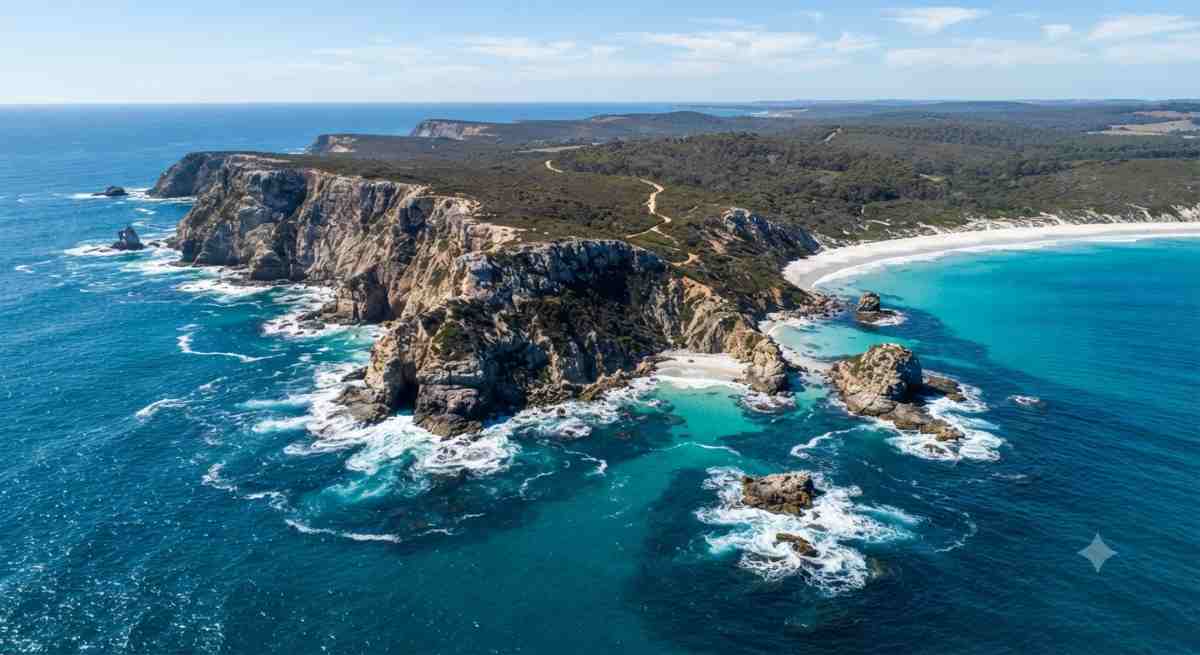
Image generated with Ai
The world-renowned destination of Kangaroo Island is located off the coast of South Australia. It is celebrated globally for its unparalleled natural beauty. Recently, this region was named the second-best must-visit location for 2024 by Lonely Planet. This distinction solidifies its status as a premier global attraction for those interested in Travel.
As the third-largest island in Australia, this territory is recognized as a thriving sanctuary. It is not merely a scenic backdrop. The island provides a home to many native species. The presence of kangaroos is guaranteed. Furthermore, Wildlife Tourism enthusiasts can observe koalas, dolphins, sea lions, and penguins. By providing a protected environment, the island is positioned as a fail-safe place for meaningful engagement with nature.
The impact of such a pristine environment on visitors is profound. Travel to these shores is defined by a deep sense of immersion. The experience is characterized by low-density tourism. Consequently, deep connections with the natural world are encouraged. Rather than being confined to busy tourist paths, visitors are invited to explore.
Furthermore, the reputation of the local coastline was significantly elevated in 2023. A specific stretch of sand was awarded the title of best beach in the nation by Tourism Australia. This accolade has since influenced many travel itineraries. As a result, increased attention is drawn to the island’s coastal management and conservation efforts.
Advertisement
Travelers are often struck by the lack of commercial overcrowding. This allows for an authentic and restorative experience. The combination of serene landscapes and spontaneous wildlife encounters contributes to high levels of visitor satisfaction.
From an industry perspective, this region is viewed as a blueprint for high-value tourism. Economic growth is balanced with the preservation of ecological integrity. Insights from regional boards indicate a shift toward premium experiences. These experiences capitalize on the island’s local food and wine scene.
Local produce is integrated into the supply chain. This ensures that economic benefits remain within the local community. By positioning the island as a high-end, nature-focused retreat, the brand attracts discerning travelers. These visitors prioritize sustainability and quality over mass-market convenience. This shift has necessitated a move away from high-volume models. Instead, a strategy that emphasizes long-term environmental health and community wellbeing is favored. Eco-tourism remains the central pillar of this ongoing development.
When planning a journey, several logistical factors must be considered. Access to the island is facilitated via ferry services from Cape Jervis. Alternatively, travelers may use regional flight paths into Kingscote. Once on the island, the rental of a vehicle is highly recommended. The vast, sprawling topography makes public transport impractical for most visitors.
Advertisement
Advertisement
Travelers are encouraged to allocate at least three to four days for their trip. This time allows for adequate exploration of diverse biomes. Visitors should remain mindful of the fragile nature of the ecosystems.
Additionally, weather patterns in the Southern Ocean can be unpredictable. Therefore, the importance of packing versatile clothing is frequently emphasized by local guides.
The current status of Kangaroo Island as a top-tier destination is the result of strategic development. Previously, the island was viewed as a niche destination for researchers. However, shifts in government policy have led to the enhancement of infrastructure. New road networks and world-class eco-lodges have been developed. These adhere to rigorous sustainability standards.
A significant point of comparison is the change in land use management. Past decades saw a fragmented approach to conservation. Conversely, current policies are characterized by integrated land management. This approach prioritizes:
These changes have been crucial following environmental challenges. They demonstrate a commitment to resilience and recovery. Furthermore, the branding of the island has evolved. It is no longer seen simply as a location for outdoor activities. It is now recognized as a premier culinary destination. This transition was supported by investment in viticulture. Regional provenance is now marketed globally.
Consequently, the island is an essential component of the Australia Tourism portfolio. It shows a marked improvement in service standards compared to the early 2000s. By prioritizing environmental guardianship, the region is well-positioned to maintain its status. The balance of accessibility and preservation remains the cornerstone of its success. It is expected that as global trends lean toward sustainable travel, the strategic value of the island will continue to increase.
Advertisement
Advertisement
Advertisement













Saturday, September 5, 2026

Friday, September 4, 2026
Saturday, September 5, 2026

Saturday, September 5, 2026

Thursday, September 3, 2026

Wednesday, September 2, 2026

Saturday, September 5, 2026

Saturday, September 5, 2026


