

Hartsfield–Jackson Atlanta International and Dallas-Fort Worth Could Feel the Pressure as US Airport Charges Come Into Focus: What Are the Growing Questions?

Published
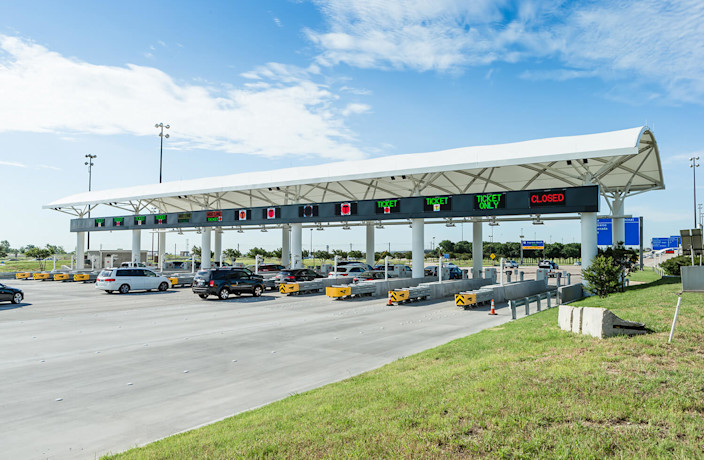
The US airport fee debate intensifies as Hartsfield–Jackson Atlanta, Dallas-Fort Worth, Chicago O’Hare and Denver face growing cost pressures, raising serious questions about aviation expenses and passenger affordability. America’s major aviation hubs require billions in infrastructure investment, but financing these improvements creates difficult choices. American Airlines, Delta Air Lines, United Airlines, and Southwest Airlines depend on predictable operating charges to maintain competitive services. Higher landing fees, terminal rents, and modernization expenses could strain airline budgets. Federal safeguards already protect carriers against unreasonable charges. However, growing infrastructure demands are bringing renewed attention to whether existing oversight can balance airport development, financial stability, and affordable travel.
The debate over airport charges is drawing attention to how the United States finances aviation infrastructure and protects travelers from unreasonable costs. Airlines depend on airports for essential services, from runways and terminals to aircraft parking and passenger facilities. Those services require substantial investment, but higher charges can place additional pressure on airline budgets. Existing federal rules provide protections against unreasonable airport fees, while proposed legislation seeks to strengthen the use of aviation security revenue. The central question is whether current safeguards can support airport modernization without creating unnecessary financial burdens for airlines or travelers.
Advertisement
Advertisement
Which US Airports Could Be Most Exposed to Airport Fee Debates?
| Airport | City and state | Major airline exposure | Relevant issue |
|---|---|---|---|
| Hartsfield–Jackson Atlanta International Airport (ATL) | Atlanta, Georgia | Delta | Hub operating costs and terminal infrastructure |
| Dallas-Fort Worth International Airport (DFW) | Dallas–Fort Worth, Texas | American | Airfield charges and infrastructure investment |
| Chicago O’Hare International Airport (ORD) | Chicago, Illinois | United, American | Terminal modernisation and operating costs |
| Denver International Airport (DEN) | Denver, Colorado | United, Southwest, Frontier | Airport infrastructure and airline cost allocation |
| Los Angeles International Airport (LAX) | Los Angeles, California | Multiple major carriers | Terminal and airfield investment |
| John F. Kennedy International Airport (JFK) | New York | Delta, JetBlue, American | Terminal redevelopment and facility charges |
| Newark Liberty International Airport (EWR) | Newark, New Jersey | United | Hub operations and infrastructure expenditure |
| Miami International Airport (MIA) | Miami, Florida | American | International gateway operating costs |
| San Francisco International Airport (SFO) | San Francisco, California | United | Airport facilities and long-term investment |
| Seattle–Tacoma International Airport (SEA) | Seattle, Washington | Alaska, Delta | Terminal capacity and airline access |
Why Are Airport Fee Safeguards Becoming Increasingly Important for US Airlines?
Airport charges represent a significant component of airline operating expenses. Every commercial flight relies on infrastructure that must be maintained, upgraded, and operated safely. Airports recover some of these expenses through landing fees, terminal rents, gate charges, and other payments collected from airlines.
For major carriers such as American Airlines, Delta Air Lines, United Airlines, and Southwest Airlines, these expenses can become substantial across extensive flight networks. Airlines operating large hubs face particularly complex financial arrangements because they depend on multiple terminals, aircraft gates, and airfield facilities.
Advertisement
Advertisement
The concern is not simply whether airports should charge airlines. These fees are necessary to finance aviation infrastructure. The central issue is whether charges are reasonable, transparent, and connected to legitimate airport operating requirements.
Federal oversight therefore plays an important role in balancing airport investment needs with airline financial stability. Strong safeguards can also help prevent disputes that might otherwise affect airport operations and long-term infrastructure planning.
Advertisement
Advertisement
Why Could Hartsfield–Jackson Atlanta International Airport Face Greater Scrutiny Over Airport Fees?
Hartsfield–Jackson Atlanta International Airport (ATL) in Georgia could face heightened attention in airport fee debates because of its enormous passenger traffic, extensive infrastructure requirements, and importance to Delta Air Lines. As one of the world’s busiest aviation hubs, Atlanta depends on substantial investment in runways, terminals, aircraft gates, and passenger facilities to maintain efficient operations.
Delta’s extensive hub operations make airport-related expenses particularly significant. Any adjustments to landing fees, terminal rents, or infrastructure charges could affect the airline’s operating costs across its network. Other airlines serving Atlanta could also face additional financial pressure.
Advertisement
Advertisement
Airport modernization adds another dimension. Investments in terminal improvements, airfield maintenance, and passenger processing facilities require sustainable funding. However, airlines have an interest in ensuring that charges remain reasonable and reflect legitimate infrastructure expenses.
Greater scrutiny could therefore focus on cost transparency, infrastructure financing agreements, and the distribution of expenses among airport users.
For passengers, higher airport operating costs could contribute to airfare pressures, although any direct effect would depend on airline pricing decisions and market competition.
How Could Dallas Fort Worth International Airport Become a Major Focus of Airport Fee Debates?
Dallas-Fort Worth International Airport (DFW) in Texas could attract increased scrutiny over airport charges because of its extensive infrastructure, ongoing development requirements, and central role in American Airlines’ operations.
Advertisement
Advertisement
As one of the country’s largest aviation hubs, DFW must maintain a complex network of terminals, runways, taxiways, and aircraft facilities. These assets require substantial investment, making airport financing arrangements especially important.
American Airlines operates a major connecting hub at DFW. Consequently, changes to landing charges, terminal rents, or other airport operating fees could influence costs across a large number of flights.
Airport expansion and terminal modernization can create additional financing requirements. While these projects may improve passenger capacity and operational efficiency, airlines must assess whether associated charges are justified and financially sustainable.
Fee debates could focus on how infrastructure costs are allocated, whether airline agreements provide sufficient financial predictability, and how airport development affects smaller competing carriers.
Passengers could experience indirect effects if higher operating expenses influence airline pricing or network planning.
However, infrastructure spending does not automatically produce higher ticket prices.
Advertisement
Advertisement
Why Could Chicago O’Hare International Airport Face Stronger Pressure Over Airport Charges?
Chicago O’Hare International Airport in Illinois could become a particularly important location for airport fee discussions because of its major redevelopment requirements and its role as a hub for both United Airlines and American Airlines.
Unlike airports dominated by a single major network carrier, O’Hare supports substantial operations from two competing airlines. This creates additional complexity when airport authorities negotiate infrastructure investments, terminal arrangements, and operating charges.
O’Hare’s modernization initiatives involve significant changes to passenger facilities and terminal infrastructure. Such projects require long-term financing, potentially influencing airline rents, gate costs, and other airport charges.
Both United and American have a commercial interest in ensuring that infrastructure investments deliver operational benefits without creating unreasonable expenses.
Smaller carriers may also be concerned about whether future pricing arrangements preserve fair access to airport facilities.
Airport fee debates could therefore examine financial transparency, cost-sharing agreements, competition, and the relationship between redevelopment spending and airline operating expenses.
Advertisement
Advertisement
For passengers, successful modernization could improve airport efficiency and connectivity. However, increased costs could place pressure on airline budgets.
How Could Denver International Airport Face Growing Attention Over Airport Fee Safeguards?
Denver International Airport in Colorado could face greater attention in airport fee discussions because of its expanding aviation operations, infrastructure investment requirements, and importance to several major US carriers.
United Airlines operates a major hub at Denver, while Southwest Airlines and Frontier Airlines also maintain significant operations. This combination creates a competitive environment in which airport operating charges can affect carriers with different business models.
Denver’s extensive airfield infrastructure and growing passenger facilities require continued maintenance and investment. Terminal improvements, gate capacity, and operational upgrades can create additional financing demands.
For United, airport charges influence the economics of its connecting network. Southwest and Frontier may evaluate similar expenses differently because of their respective operating structures and fare strategies.
Any substantial changes to landing fees, terminal rents, or gate charges could therefore attract attention from multiple airlines.
Advertisement
Advertisement
Regulatory scrutiny could focus on whether infrastructure costs are distributed fairly and whether airport pricing supports competition.
Passengers might benefit from improved facilities and expanded capacity, although higher operating expenses could influence future airline pricing decisions.
US Airlines Seek Safeguards on Airport Fees: Which US Airlines Are Relevant to the Airport Fee Debate?
| US airline | Main operating model | Why airport fees matter | Confirmed October 2026 safeguard demand? |
|---|---|---|---|
| American Airlines | Major network carrier | Extensive domestic and international airport operations | Not independently verified |
| Delta Air Lines | Major network carrier | Hub infrastructure, terminal facilities and operating charges | Not independently verified |
| United Airlines | Major network carrier | Major hub operations and international airport access | Not independently verified |
| Southwest Airlines | Primarily domestic, low-cost carrier | Airport operating costs and high-frequency flight schedules | Not independently verified |
| JetBlue Airways | Low-cost and network-oriented carrier | Airport access, terminal charges and competition | Not independently verified |
| Alaska Airlines | Network carrier | Airport infrastructure costs and regional connectivity | Not independently verified |
| Hawaiian Airlines | Airline brand within Alaska Air Group | Airport operating costs and island connectivity | Not independently verified |
| Spirit Airlines | Ultra-low-cost carrier | Cost sensitivity and airport operating expenses | Not independently verified |
| Frontier Airlines | Ultra-low-cost carrier | Airport cost efficiency and low-fare operations | Not independently verified |
Which Major US Airlines Have the Greatest Exposure to Airport Charges?
American Airlines, Delta Air Lines, United Airlines, and Southwest Airlines are among the carriers with substantial exposure to airport operating expenses because of their extensive domestic networks and major airport operations.
American Airlines maintains important hub operations at Dallas Fort Worth International Airport, Charlotte Douglas International Airport, and Miami International Airport. These facilities support thousands of flight movements and require continuous investment in airport infrastructure.
Delta Air Lines operates major hubs at Hartsfield-Jackson Atlanta International Airport, Detroit Metropolitan Airport, and Minneapolis-Saint Paul International Airport. United Airlines maintains significant operations at Chicago O’Hare, Denver International, and Newark Liberty International airports.
Southwest Airlines operates a different network structure but also depends heavily on airport infrastructure across the country.
Advertisement
Advertisement
JetBlue, Alaska Airlines, Frontier Airlines, and Spirit Airlines face similar cost considerations, although their operating models differ.
Importantly, these carriers’ exposure to airport charges does not establish that each has formally requested new safeguards. Any specific industry campaign requires confirmation through airline statements or regulatory filings.
What Airport Fee Safeguards Are US Airlines Seeking?
| Safeguard or policy | Main purpose | Importance to airlines | Regulatory position |
|---|---|---|---|
| Reasonable airport charges | Prevent unjustified aeronautical fees | Protects airline operating costs | Existing federal framework |
| Fee dispute resolution | Allows airlines to challenge airport charges | Provides a formal review mechanism | Established under 49 USC §47129 |
| Transparent cost allocation | Links airport charges to relevant facilities and services | Helps airlines evaluate fee proposals | Addressed through FAA rates and charges policy |
| Airport revenue restrictions | Controls how airport revenue is used | Helps protect aviation-related funding | Existing FAA compliance framework |
| Passenger Facility Charge limits | Restricts passenger charges under the PFC programme | Limits eligible passenger assessments | Currently capped at $4.50 per flight segment |
| Airport investment oversight | Ensures qualifying projects serve authorised purposes | Supports infrastructure and competition | FAA approval requirements apply |
| Protection during fee disputes | Prevents certain retaliatory restrictions on airline access | Protects continuity of airline operations | Provided under federal law |
How Does the Federal Aviation Administration Protect Airlines Against Unreasonable Airport Fees?
The Federal Aviation Administration provides an established regulatory framework governing airport rates and charges in the United States.
Under federal law, certain airport charges must be reasonable and comply with applicable requirements governing federally assisted airports. The framework is designed to prevent unjustified pricing while allowing airport operators to recover legitimate infrastructure and operating costs.
Airlines can challenge qualifying airport fee decisions through procedures established under Title 49, Section 47129, of the United States Code.
Generally, an airline must submit a complaint within 60 days after receiving written notice of an airport’s decision to establish or increase a disputed fee.
Advertisement
Advertisement
Federal authorities must then follow a defined review process, with a final determination generally required within 120 days of a qualifying complaint.
These provisions give airlines an avenue to contest potentially unreasonable charges.
The FAA also maintains airport revenue-use policies intended to ensure that airport-generated funds support authorized aviation purposes rather than unrelated activities.
What Airport Fees Do Airlines and Passengers Pay in the United States?
| Fee category | Amount or structure | Who pays? | Purpose |
|---|---|---|---|
| Passenger Facility Charge (PFC) | Up to $4.50 per eligible flight segment | Passenger | Approved airport infrastructure projects |
| Maximum PFC on a one-way journey | $9 | Passenger | Up to two eligible PFC assessments |
| Maximum PFC on a return journey | $18 | Passenger | Up to four eligible PFC assessments |
| TSA September 11 Security Fee | Generally $5.60 per one-way journey | Passenger | Aviation security funding |
| Landing fees | Airport-specific | Airline | Runway and airfield infrastructure |
| Terminal charges | Airport- and agreement-specific | Airline | Terminal infrastructure and services |
| Aircraft parking charges | Airport-specific | Airline | Aircraft parking facilities |
| Gate and facility charges | Agreement-specific | Airline | Airport operating infrastructure |
| Airport concession charges | Varies | Concessionaires, with possible indirect consumer effects | Commercial airport operations |
What Types of Airport Fees Create the Greatest Financial Pressure on Airlines?
Airlines encounter several categories of airport charges, each associated with different operational requirements.
Landing fees help airports recover expenses associated with runways, taxiways, and airfield infrastructure. These charges may depend on aircraft weight, airport-specific pricing arrangements, and other established criteria.
Terminal rents and gate charges cover the use of passenger facilities, boarding areas, and related infrastructure. Airports may also impose aircraft parking charges and fees for certain operational services.
Advertisement
Advertisement
These expenses vary considerably between airports. A major international hub undergoing extensive redevelopment may have different financial requirements from a smaller regional airport.
Airlines must account for these charges when evaluating route profitability, scheduling decisions, and long-term network development.
However, airport fees are only one element of airline operating costs. Fuel, labor, aircraft maintenance, financing, and other expenses also influence airline finances.
Consequently, an increase in airport charges does not automatically produce an equivalent increase in passenger fares. The final effect depends on market conditions and airline pricing decisions.
Could Higher Airport Charges Lead to More Expensive Flights for American Travelers?
Higher airport operating expenses can create additional financial pressure on airlines, but their effect on ticket prices is not always straightforward.
Airlines generally establish fares according to passenger demand, available capacity, competition, and expected operating costs. When expenses rise, carriers may attempt to recover some of those increases through ticket pricing.
Advertisement
Advertisement
However, competitive conditions can limit their ability to pass additional costs directly to travelers.
A route served by several airlines may experience different pricing pressures from a route with limited competition. Similarly, a carrier may absorb certain expenses temporarily to maintain market share.
Airport charges can also influence longer-term decisions about flight frequencies and route development.
For passengers, the concern extends beyond ticket prices. Airlines facing higher operating costs may reassess services at airports where profitability becomes difficult to maintain.
Nevertheless, there is no verified evidence that a newly announced US airport-fee safeguard dispute has directly caused nationwide airfare increases. Any such claim would require specific airline financial data and documented pricing changes.
What Is the Passenger Facility Charge and Why Does It Matter?
The Passenger Facility Charge, commonly known as the PFC, is a federally authorized fee collected through airline tickets to finance approved airport projects.
Advertisement
Advertisement
Under the existing Federal Aviation Administration framework, eligible airports may collect up to $4.50 per flight segment.
A passenger can generally pay no more than $9 in PFCs on a one-way itinerary or $18 on a round-trip itinerary, depending on the number of eligible segments.
Revenue from these charges supports approved projects intended to improve airport safety, security, capacity, noise mitigation, or airline competition.
The PFC system differs from the landing fees and terminal rents paid directly by airlines.
Although airlines collect PFCs through ticket transactions, the revenue is intended for authorized airport development rather than general airline operations.
The fee has become an important part of the wider discussion about airport financing because infrastructure improvements require sustained funding.
Advertisement
Advertisement
Policymakers must therefore consider how to maintain investment while protecting passengers from unnecessary additional charges.
Why Is Airport Infrastructure Investment Central to the Fee Debate?
American airports face continuing pressure to modernize facilities, expand capacity, and accommodate changing passenger demand.
Large aviation hubs require substantial investment in terminals, security checkpoints, baggage systems, airfield infrastructure, and passenger transportation connections.
These improvements can increase operational efficiency and support economic development. They can also improve the passenger experience by reducing congestion and providing more reliable facilities.
However, major construction programs require financing.
Airports may use a combination of airline payments, passenger charges, bonds, federal grants, and other revenue sources to fund improvements.
Advertisement
Advertisement
The challenge is determining how these expenses should be distributed among airports, airlines, passengers, and other stakeholders.
Airlines benefit from modern facilities, but they also have an interest in ensuring that proposed projects are financially justified.
Transparent infrastructure planning can help airport operators explain their investment decisions and provide airlines with greater certainty about future costs.
Effective oversight should support necessary development without discouraging competition or creating avoidable financial pressure.
Which Major US Airports Could Face Greater Scrutiny Over Operating Costs?
Major aviation hubs are particularly relevant to discussions about airport fees because they manage extensive infrastructure and large volumes of aircraft movements.
Hartsfield-Jackson Atlanta International Airport is a critical hub for Delta Air Lines, while Dallas Fort Worth International Airport supports major American Airlines operations.
Advertisement
Advertisement
Chicago O’Hare International Airport serves as an important hub for both United Airlines and American Airlines. Denver International Airport supports operations involving United, Southwest, and Frontier.
New York’s John F. Kennedy International Airport and Los Angeles International Airport are also significant because of their complex terminal infrastructure and extensive domestic and international connections.
These airports demonstrate why fee transparency matters in large aviation markets.
Airport redevelopment, maintenance, and capacity expansion can involve substantial financial commitments extending over many years.
However, identifying these airports as financially significant does not mean they are currently involved in confirmed disputes over unreasonable charges.
Any airport-specific allegation would require evidence from regulatory filings, airport financial documents, or official statements.
Advertisement
Advertisement
What Does the SAFEGUARDS Act of 2026 Mean for Aviation Funding?
A separate development in Washington concerns the allocation of aviation security revenue.
The SAFEGUARDS Act of 2026, introduced in the US House of Representatives on May 12, addresses the use of revenue generated through the September 11 Passenger Security Fee.
The fee is generally $5.60 per one-way journey and is collected to support aviation security.
Supporters of the legislation argue that revenue collected from passengers for security purposes should be directed toward those purposes rather than unrelated federal spending.
According to the Congressional Budget Office, the Transportation Security Administration collected approximately $4.5 billion through the security fee in 2025.
Lawmakers supporting the proposal have also raised concerns about billions of dollars in security fee revenue being redirected since 2014.
Advertisement
Advertisement
The legislation focuses on security funding rather than establishing new limits on airport landing charges.
Its relevance lies in the broader principle that aviation-related fees should be used transparently and for their intended purposes.
How Is Canada’s Airport Fee Dispute Influencing the Wider North American Discussion?
A separate airport financing debate has emerged in Canada, where airlines have expressed concern about potential charges associated with proposed changes to airport operating arrangements.
The discussion involves four major airports: Toronto Pearson International Airport, Montréal-Trudeau International Airport, Vancouver International Airport, and Calgary International Airport.
Canadian airlines have sought safeguards intended to prevent unreasonable fee increases under potential private-sector operating arrangements.
The proposals have attracted attention because airport ownership, operating structures, and financing decisions can influence long-term aviation costs.
Advertisement
Advertisement
US airlines serving Canadian destinations also have a commercial interest in the cost of operating at these airports.
However, the Canadian dispute should not be confused with a newly confirmed collective campaign by American carriers.
Canada’s airport governance framework differs from the system used in the United States.
Nevertheless, both discussions highlight a shared challenge: ensuring that airport infrastructure receives sufficient investment while maintaining fair charges, regulatory accountability, and competitive access for airlines.
How Could Stronger Airport Fee Protections Support Competition and Regional Connectivity?
Reasonable airport charges can help maintain competitive conditions across the aviation industry.
Large network carriers often possess extensive financial resources and established airport relationships. Smaller airlines may have less flexibility when facing unexpected increases in operating expenses.
Advertisement
Advertisement
For low-cost carriers, airport charges can influence decisions about which destinations to serve and how frequently to operate flights.
Regional airports also face a delicate balance. They need sufficient revenue to maintain infrastructure but must remain commercially attractive to airlines.
If airport charges become disproportionately expensive, carriers may reconsider routes with limited passenger demand.
This could affect travelers in smaller communities who already have fewer direct flight options.
Transparent pricing and predictable cost structures can support long-term route planning and encourage airline participation in underserved markets.
However, lower charges alone cannot guarantee additional services. Passenger demand, aircraft availability, staffing, and airline profitability remain important factors determining whether a route can operate sustainably.
Advertisement
Advertisement
What Should US Travelers Understand About Airport Fees Before Booking Flights?
Travelers should distinguish between charges collected directly through airline tickets and operating expenses paid by airlines to airport authorities.
Passenger Facility Charges and federal security fees are generally included in the total ticket price displayed during booking.
Landing fees, terminal rents, and other airline operating charges are different. They are expenses that carriers consider when determining the economics of their services.
Passengers comparing fares should therefore focus on the complete ticket price rather than assuming every airport-related expense appears as a separate charge.
Travelers should also review baggage fees, seat selection costs, and applicable change conditions before completing a reservation.
For international journeys, additional government taxes and airport-related charges may apply depending on the itinerary.
Advertisement
Advertisement
Understanding these distinctions can help passengers evaluate ticket prices more accurately.
While stronger airport fee safeguards could contribute to a more predictable aviation cost environment, they do not guarantee cheaper fares or immediate reductions in passenger expenses.
What Happens Next for US Airlines, Airport Operators, and Federal Regulators?
The future of airport fee oversight will depend on regulatory enforcement, infrastructure financing decisions, and legislative developments.
The FAA will continue to play an important role in overseeing airport compliance with federal requirements governing rates, charges, and revenue use.
Airlines and airport operators will also need to negotiate financing arrangements for major infrastructure improvements while maintaining reliable aviation services.
Meanwhile, the SAFEGUARDS Act represents a separate effort to address the allocation of federal aviation security revenue.
Advertisement
Advertisement
Its eventual impact will depend on the legislative process and any resulting changes to federal funding requirements.
The Canadian airport privatisation discussion may provide an additional reference point for policymakers examining the relationship between airport governance and pricing protections.
For US travelers, the most important consideration is whether these processes produce efficient infrastructure, fair competition, and reasonable operating costs.
The broader challenge is achieving financial sustainability without weakening airport investment or placing unnecessary pressure on passengers.
Why Airport Fee Safeguards Matter for the Future of US Aviation
Airport fee safeguards are essential to maintaining a balanced relationship between airlines, airport operators, regulators, and travelers. American Airlines, Delta, United, Southwest, and other carriers depend on financially sustainable airports, but they also need predictable and reasonable operating charges. Existing federal laws provide mechanisms for challenging certain fees, while ongoing legislative discussions emphasize accountability in aviation funding. Although no new collective safeguard demand by named US airlines has been independently established, the underlying financial concerns remain significant. As airports continue modernizing their facilities, transparent pricing and effective oversight will be crucial to supporting competition, regional connectivity, infrastructure development, and long-term passenger confidence.
America’s aviation industry faces a delicate financial challenge as major airports balance infrastructure expansion with reasonable operating charges. Atlanta, Dallas Fort Worth, Chicago O’Hare, and Denver illustrate why airport financing deserves closer examination. Their extensive airline networks and development requirements create potential exposure to future fee disputes. Higher charges could influence airline operating costs and eventually affect passenger fares, although increases are not inevitable. Existing federal protections offer mechanisms to challenge unreasonable fees. Stronger transparency, responsible investment, and fair cost allocation could help preserve competition. Ultimately, effective oversight remains essential to protecting travelers while supporting sustainable airport growth nationwide.
[Image: Dallas-Fort Worth International Airport]
Advertisement
