
India Celebrates Durga Puja, Navratri and Garba as Major Festivals Draw Visitors Across the Country
Updated
Published
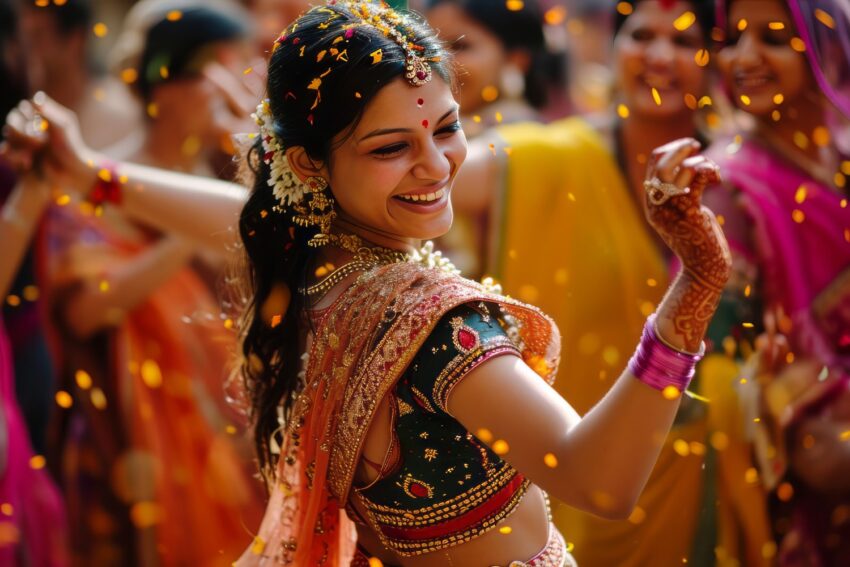 Image generated with Ai
India celebrates Durga Puja, Navratri and Garba as major festivals draw visitors across the country, bringing cultural performances, religious traditions and colourful gatherings to popular destinations. From Kolkata’s decorated pandals to Gujarat’s dance celebrations and Mysuru’s royal festivities, October 2026 offers travellers opportunities to explore India’s diverse cultural heritage.
India’s Autumn Festivals Bring Cultural Tourism Into Focus
India’s autumn festival season is bringing religious celebrations, cultural performances and community gatherings to destinations across the country. Durga Puja, Navratri, Garba, Dussehra and several regional festivals are creating opportunities for domestic tourism, hospitality businesses, local transport operators and traditional artisans.
Advertisement
Advertisement
The celebrations take different forms across India. Kolkata is known for elaborate Durga Puja pandals, while Gujarat attracts visitors through Garba and Dandiya performances. Karnataka’s Mysuru Dasara showcases royal traditions, and Chhattisgarh’s Bastar Dussehra highlights distinctive community rituals.
Together, these celebrations demonstrate how festivals contribute to India’s cultural tourism identity.
Advertisement
Advertisement
Kolkata Durga Puja Attracts Visitors With Art and Religious Traditions
Kolkata remains one of India’s leading destinations for Durga Puja. The principal celebrations in 2026 take place from 17 to 21 October, transforming neighbourhoods into centres of religious worship, artistic installations and cultural activities.
Visitors can explore decorated pandals, observe traditional rituals and experience Bengali food, music and craftsmanship.
Advertisement
Advertisement
Durga Puja in Kolkata received UNESCO recognition as intangible cultural heritage in 2021, reflecting its importance as a community celebration and artistic tradition.
The festival also supports local businesses, including restaurants, hotels, transport services, decorators and independent craftspeople.
Gujarat Celebrates Navratri With Garba and Dandiya
Gujarat’s Navratri celebrations bring traditional dance and devotional activities to Ahmedabad, Vadodara and other destinations.
Ahmedabad’s Vibrant Navratri Festival, scheduled from 11 to 20 October 2026, features Garba performances, handicraft displays, food stalls and religious ceremonies.
Garba, recognised by UNESCO as intangible cultural heritage in 2023, remains central to Gujarat’s cultural identity.
Vadodara is another important destination, with community Garba gatherings attracting participants and spectators.
Advertisement
Advertisement
These events create seasonal opportunities for accommodation providers, restaurants, clothing retailers and cultural tourism operators.
Mysuru Dasara Highlights Karnataka’s Royal Heritage
Mysuru Dasara, taking place from 11 to 21 October 2026, combines religious traditions with cultural programmes and heritage attractions.
The celebrations include Mysuru Palace illumination, performances, exhibitions and the traditional Jumboo Savari procession.
The festival provides an opportunity for visitors to discover Karnataka’s history while exploring Mysuru’s palaces, markets and museums.
Local hospitality businesses and transport providers benefit from demand generated by visitors attending the celebrations.
Bastar Dussehra and Bathukamma Showcase Regional Traditions
Chhattisgarh’s Bastar Dussehra offers a different interpretation of the festive season. Centred on Goddess Danteshwari, its ceremonies include traditional chariot processions and participation by local communities.
Advertisement
Advertisement
In Telangana, Bathukamma celebrates flowers, seasonal traditions and community participation.
Women gather around colourful floral arrangements, sing traditional songs and participate in collective celebrations.
These festivals demonstrate the regional diversity of India’s religious and cultural traditions.
Kullu Dussehra Extends Celebrations in Himachal Pradesh
Himachal Pradesh’s International Kullu Dussehra is scheduled from 21 to 27 October 2026.
The festival brings together traditional deity processions, folk performances and cultural gatherings at Dhalpur Maidan.
Unlike many Dussehra celebrations elsewhere in India, Kullu’s festivities begin around Vijayadashami.
Advertisement
Advertisement
The event also provides an opportunity to explore the Himalayan region’s distinctive traditions and local handicrafts.
India Festival Tourism Statistics 2024–2025
| Tourism indicator / Destination | 2024 | 2025 | Growth / Change |
|---|---|---|---|
| India – Domestic tourist visits | 294.82 crore | 428.69 crore | +45.4% |
| India – Foreign tourist arrivals | 99.52 lakh | 91.50 lakh | −8.1% |
| India – International tourist arrivals, including NRIs | 20.57 million | 20.22 million | −1.7% |
| Gujarat – Total tourist visits | 16.77 crore | 22.28 crore | +32.9% |
| Mysuru – Palace visitors during Dasara | 135,456 | 199,703 | +47.4%* |
| Kolkata – Metro passenger journeys during Durga Puja | 50.50 lakh | 46.56 lakh | −7.8%* |
| Gujarat – Organised Garba venues | Baseline | Reported 20% increase | +20% (reported) |
| Mysuru – Chamundi Hill Temple visitors during Dasara | Not verified | Nearly 6 lakh | Not available |
Festival Tourism Supports Local Economies
India’s festive calendar creates demand across accommodation, transport, food services, handicrafts and retail.
For travellers, the celebrations offer experiences extending beyond conventional sightseeing. Visitors can discover regional cuisine, traditional performances, religious architecture and community customs.
However, popular festival destinations may experience crowded streets, increased transport demand and changes to local traffic arrangements.
Travellers should consult official event schedules, plan accommodation early and follow local safety instructions.
The variety of celebrations across India illustrates the country’s ability to connect cultural heritage with contemporary tourism experiences.
Advertisement
Advertisement
India’s Growing Tourism Market Provides a Strong Foundation for Festival Travel
India’s tourism industry has experienced substantial growth in domestic travel, strengthening the market for cultural festivals, religious tourism and regional holiday experiences.
According to Ministry of Tourism statistics, India recorded approximately 294.82 crore domestic tourist visits in 2024, increasing to around 428.69 crore in 2025. This represents growth of approximately 45.6%, reflecting a significant expansion in recorded domestic tourism activity.
Foreign tourist arrivals followed a different pattern. India welcomed approximately 9.95 million foreign tourists in 2024, compared with around 9.15 million in 2025.
These figures cover the entire calendar year and should not be interpreted as visitor totals specifically associated with Durga Puja, Navaratri or Garba.
Nevertheless, the wider expansion of domestic tourism provides an important backdrop for India’s autumn festival season, when millions of residents participate in religious celebrations, cultural performances and regional travel.
Durga Puja, Navaratri and Garba are particularly significant because they connect established religious traditions with tourism experiences involving heritage, music, art, food and community participation.
Advertisement
Advertisement
For hotels, airlines, railway operators, restaurants and local businesses, these celebrations create opportunities to serve visitors travelling between cities and regions.
Kolkata Durga Puja Strengthens West Bengal’s Cultural Tourism Identity
Kolkata remains one of India’s most recognisable destinations for Durga Puja, with the festival transforming neighbourhoods into centres of artistic expression, worship and community gatherings.
The principal Durga Puja celebrations in 2026 take place from 17 to 21 October, bringing elaborate pandals, traditional ceremonies, cultural performances and seasonal food experiences to the city.
Kolkata’s Durga Puja received UNESCO recognition as intangible cultural heritage in 2021, acknowledging the festival’s importance as a living cultural tradition.
Visitors travelling for Durga Puja can explore temporary artistic installations, observe traditional rituals and experience Bengali craftsmanship.
Kumartuli, the historic neighbourhood associated with clay idol-making, is particularly important to the artistic traditions surrounding Durga Puja.
Advertisement
Advertisement
The festival also supports decorators, lighting specialists, craftspeople, food vendors and transport providers.
Historical transport statistics illustrate the scale of activity during Durga Puja. Kolkata Metro reportedly carried approximately 50.5 lakh passenger journeys during a specified Puja period in 2024, compared with 46.56 lakh during a shorter reporting period in 2025.
Although these figures are not directly comparable because the counting windows differ, they demonstrate substantial public transport demand during Durga Puja.
Importantly, Metro passenger journeys include residents and commuters and should not be treated as unique tourist arrivals.
For travellers, Kolkata’s Durga Puja offers an opportunity to combine religious celebrations with colonial-era architecture, museums, traditional markets and Bengali cuisine.
Ahmedabad Navaratri and Garba Celebrations Support Gujarat’s Visitor Economy
Gujarat is another major centre of India’s autumn festival tourism, particularly through Navaratri and Garba celebrations.
Advertisement
Advertisement
Ahmedabad’s Vibrant Navaratri Festival, scheduled from 11 to 20 October 2026, features traditional Garba performances, Dandiya Raas, religious ceremonies, handicraft displays and regional food experiences.
Navaratri is observed over nine nights in honour of the divine feminine, while Garba forms an important part of Gujarat’s cultural celebrations.
UNESCO recognised Garba of Gujarat as intangible cultural heritage in 2023, strengthening international awareness of the dance tradition.
The cultural importance of Navaratri and Garba extends beyond religious observance. Organised performances and community gatherings also generate demand for accommodation, restaurants, traditional clothing, jewellery and local transport.
Gujarat’s wider tourism statistics provide additional economic context.
Government tourism figures indicate that the state recorded approximately 16.77 crore tourist visits in 2024 and 22.28 crore in 2025, representing growth of nearly 32.9%.
Advertisement
Advertisement
These totals cover all tourism activity rather than Navaratri or Garba alone.
However, the growth illustrates the expanding scale of Gujarat’s visitor economy, within which Navaratri and Garba remain prominent cultural attractions.
Ahmedabad also offers visitors heritage experiences, including the historic walled city, traditional markets and regional cuisine.
For cultural travellers, Navaratri and Garba provide opportunities to experience Gujarat’s living traditions rather than conventional sightseeing alone.
Vadodara Emerges as an Important Destination for Traditional Garba
Vadodara is widely associated with traditional Garba celebrations and remains an important destination during Navaratri.
Large community gatherings, live musical performances and coordinated dance celebrations attract participants from Gujarat and other parts of India.
Advertisement
Advertisement
During Navaratri, Garba venues become important social and cultural spaces where traditional music, clothing and community participation remain central.
Industry reporting from 2025 suggested that organised Garba venues expanded across Gujarat’s major cities, including Vadodara, Ahmedabad, Surat and Rajkot.
However, these reports should be treated as estimates of event activity rather than audited tourist arrivals.
For visitors, Vadodara’s Garba celebrations offer an opportunity to understand the cultural significance of Navaratri through direct participation.
The city also provides access to heritage attractions, museums, palaces and local markets.
Travel businesses can use the Navaratri and Garba season to develop itineraries combining evening performances with daytime cultural exploration.
Advertisement
Advertisement
Mysuru Dasara Attracts Visitors Through Royal Heritage and Cultural Events
Karnataka’s Mysuru Dasara is another major attraction during India’s autumn festive period.
The 2026 celebrations run from 11 to 21 October, featuring cultural performances, exhibitions, palace illumination and the traditional Jumboo Savari procession.
Mysuru Dasara differs from Durga Puja and Garba in its presentation, with royal heritage and ceremonial traditions forming major elements of the visitor experience.
Historical attendance figures provide useful evidence of its popularity.
Reports indicate that Mysore Palace recorded approximately 135,456 ticketed visitors during a 10-day Dasara period in 2024.
In 2025, approximately 199,703 ticketed visitors were recorded over a longer reporting period.
Advertisement
Advertisement
The figures represent a numerical increase of approximately 47.4%, although the different counting periods mean they cannot establish an equivalent year-on-year growth rate.
Separate reporting also indicated substantial attendance at Chamundi Hill Temple during the 2025 celebrations.
These figures highlight the importance of Mysuru Dasara for cultural attractions and religious tourism.
Visitors can combine festival activities with visits to Mysore Palace, Chamundi Hill, local markets and museums.
The celebrations also create opportunities for hotels, transport operators, restaurants and local retailers.
Hyderabad Bathukamma Adds Floral Traditions to India’s Festival Calendar
While Durga Puja, Navaratri and Garba dominate many national festival tourism discussions, Telangana’s Bathukamma offers another distinctive cultural experience.
Advertisement
Advertisement
Bathukamma is celebrated through colourful floral arrangements, traditional songs and community gatherings.
Women participate in collective celebrations centred on seasonal flowers and regional customs.
Hyderabad is an important destination for visitors interested in experiencing these traditions alongside the city’s historic architecture and culinary heritage.
Bathukamma also demonstrates how regional festivals can complement better-known celebrations such as Durga Puja and Navaratri.
For tourists, the festival offers an opportunity to discover Telangana’s cultural identity through community participation and local traditions.
Bastar Dussehra Highlights Chhattisgarh’s Distinctive Cultural Heritage
Chhattisgarh’s Bastar Dussehra presents another important dimension of India’s festival tourism.
Advertisement
Advertisement
Unlike conventional Dussehra celebrations centred on the burning of Ravana effigies, Bastar Dussehra follows traditions associated with Goddess Danteshwari.
The festival features ceremonial chariots, religious rituals and participation by local communities.
Jagdalpur serves as a principal destination for visitors exploring these celebrations.
Bastar Dussehra offers a different cultural experience from Kolkata’s Durga Puja or Gujarat’s Garba.
Its significance lies in the preservation of regional religious practices and community heritage.
Visitors should approach the ceremonies respectfully, recognising that these traditions remain important religious and cultural observances rather than performances organised solely for tourists.
Advertisement
Advertisement
Kullu Dussehra Extends India’s Autumn Festival Travel Season
Himachal Pradesh’s International Kullu Dussehra, scheduled from 21 to 27 October 2026, extends the autumn festival calendar beyond the main Navaratri period.
Celebrations at Dhalpur Maidan include traditional deity processions, folk performances and community gatherings.
Kullu Dussehra is particularly attractive to visitors interested in combining Himalayan scenery with cultural experiences.
The festival also provides opportunities to explore regional handicrafts, traditional food and mountain communities.
Unlike many celebrations elsewhere in India, Kullu Dussehra begins around Vijayadashami and continues for several days.
This extended schedule offers travellers an additional festival destination after attending Durga Puja, Navaratri or Garba events elsewhere.
Advertisement
Advertisement
Festival Tourism Creates Opportunities for Hospitality, Transport and Local Businesses
India’s autumn celebrations support a broad network of tourism-related activities.
Durga Puja generates demand for artistic installations, food services, transport and cultural experiences in Kolkata.
Navaratri and Garba encourage spending on event participation, accommodation, traditional clothing and regional entertainment across Gujarat.
Mysuru Dasara, Bathukamma, Bastar Dussehra and Kullu Dussehra provide further opportunities for heritage tourism and regional travel.
However, the economic impact varies by destination, and available national tourism statistics cannot independently measure the contribution of each festival.
For travellers planning to attend Durga Puja, Navaratri and Garba, advance arrangements remain important.
Advertisement
Advertisement
Popular destinations may experience crowded public spaces, altered traffic routes and greater demand for hotels and transport.
Visitors should check official event schedules, confirm entry requirements and respect local religious practices.
India’s Cultural Diversity Remains Central to Festival Tourism Growth
India’s festival calendar demonstrates the country’s ability to offer varied travel experiences across different regions.
Durga Puja highlights Bengal’s artistic and religious traditions, while Navaratri and Garba showcase Gujarat’s community celebrations and musical heritage.
Mysuru Dasara, Bathukamma, Bastar Dussehra and Kullu Dussehra further expand the country’s cultural tourism offerings.
As domestic tourism continues to develop, these festivals remain important opportunities for destinations to promote local heritage, support small businesses and encourage responsible travel.
Advertisement
Advertisement
The historical figures from 2024 and 2025 demonstrate the scale of India’s wider tourism market and the substantial activity associated with major cultural celebrations.
For 2026, the continued appeal of Durga Puja, Navaratri and Garba reinforces the importance of festivals within India’s diverse tourism landscape.
Research note: National and Gujarat tourism statistics represent annual tourist visits, not unique festival tourists. Mysuru Palace attendance and Kolkata Metro ridership measure different types of activity and should not be presented as comparable festival tourism totals.
India’s Durga Puja, Navratri, Garba and Dussehra celebrations underline the importance of cultural tourism in connecting communities and destinations. From Kolkata and Ahmedabad to Mysuru, Bastar and Kullu, these festivals preserve regional traditions while creating opportunities for travellers, artisans and hospitality businesses throughout the country’s festive season.
Advertisement
