
Dublin Joins London, Edinburgh, Munich, and Madrid as European Airspace Congestion and Summer ATC Bottlenecks Delay Thousands of Flights, Disrupting Regional Carriers.

Published
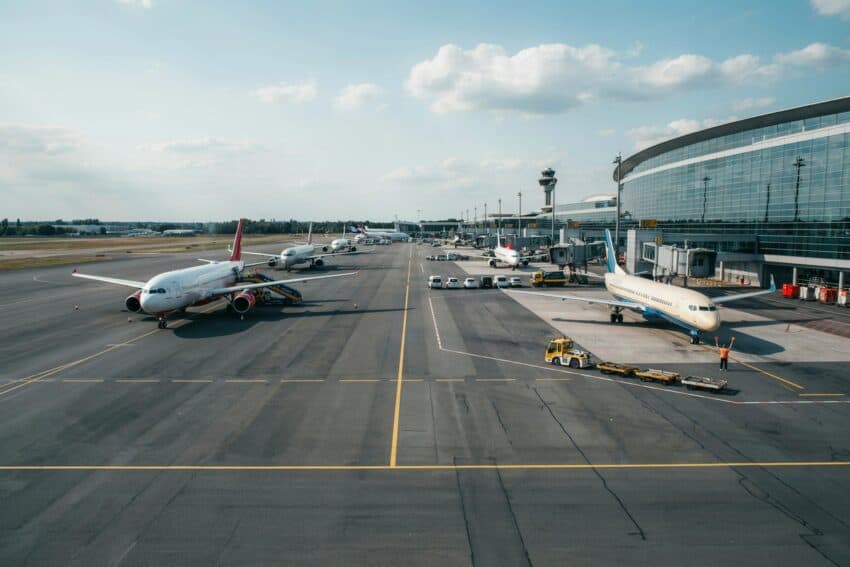
European airspace congestion intensified sharply as Dublin, London, Edinburgh, Munich and Madrid emerged as key hotspots in a widening European aviation crisis driven by summer ATC bottlenecks. Across major European hubs, surging passenger demand, rising flight volumes exceeding five per cent growth, and limited air traffic control capacity have overwhelmed already saturated airspace systems. This disruption has resulted in thousands of flight delays and cancellations, with only 65 per cent of services operating on time during peak summer operations. Over 4.5 million passengers have been affected as airports struggle with staffing shortages, infrastructure constraints, and reduced operational flexibility. The crisis has been further intensified by weather disruptions and capacity reductions, exposing systemic weaknesses in European air traffic management and raising urgent concerns about long-term network resilience and airline stability.

Explosive Growth Meets Airspace Congestion
Traffic across European airspace has been rising faster than capacity. Official council notes recorded that volumes were growing at over five per cent each year and only 65 per cent of flights arrived on time. During summer the network was handling around 36 000 daily flights carrying more than 4.5 million passengers. Hubs such as Dublin, London, Edinburgh, Munich and Madrid faced congestion as traffic levels surpassed pre‑pandemic benchmarks. Limited airspace availability following geopolitical crises and the saturation of control centres meant that growth translated directly into severe delays, missed connections and increasing financial strain on regional carriers.

Warnings from Official Bodies
Government and intergovernmental reports were blunt. A council note warned that European air traffic control systems were nearing maximum capacity and could not handle additional flights. It concluded that seven Member States generated about eighty per cent of all network delays, placing a disproportionate burden on the rest. The note urged States to recruit more controllers and provide flexible training and rostering, to redesign airspace and to invest in modern automation and artificial intelligence. Without action, it cautioned, bottlenecks would multiply and congestion would become normalised, punishing regional carriers. The note predicted that by 2035 most units would reach saturation.

Summer 2026 Outlook
The Eurocontrol network manager’s summer outlook projected that traffic in summer 2026 would rise by two to five per cent above the previous year. Only about 80 per cent of pre‑Ukraine airspace was available, meaning the network was already saturated. To address congestion, Eurocontrol announced six priority action areas and said network traffic distribution measures would be applied to spread demand and reduce delays. However, the outlook warned that the measures were mitigation rather than a cure. Without additional capacity and cooperation, rising movements at major hubs such as Dublin, London and Madrid would still cause long delays.
Advertisement
Advertisement

Demand and Capacity Balancing
Eurocontrol’s rolling network plan highlighted the congestion expected when demand outstripped capacity at key control centres. Overloads were anticipated at Ljubljana, Barcelona, Madrid, Sevilla, Geneva, Zurich, London and Prestwick, particularly on Fridays and weekends. The network manager urged flexibility and dynamic sector configurations to balance traffic. Airlines and regional carriers were told to prioritise first rotations to prevent knock‑on delays later in the day. Despite these recommendations, controllers faced limited options because military exercises, weather events and industrial actions could reduce capacity further. Demand surges continued to overwhelm the system and create worsening delays, particularly during peak periods.

Sector Expansions
Facing rising demand, nineteen area control centres planned to open more sectors to create capacity. ACCs such as Madrid, Sevilla, Zurich and London were expanding their sector configurations during the six‑week period. Eleven centres, including Brest, Reims, Dublin, Bodo, Oslo, Stavanger, Warszawa, Ljubljana, Stockholm, Geneva and Zurich, had already increased sectors compared with previous editions. These expansions were intended to spread airspace demand and reduce congestion, yet they still relied on available controllers and equipment. Without adequate staffing and modern technology, sector increases could not eliminate delays, but they offered temporary relief to regional carriers operating through congested hubs.
Advertisement
Advertisement

Capacity Reductions
While some centres were expanding, others faced forced reductions. Reims ACC planned to reduce capacity by fifteen per cent in two sectors because of photographic missions. Riga operated many single‑person sectors, limiting flexibility and lowering throughput. Bratislava could cut capacity by about thirty per cent when military activity restricted airspace. Zurich would reduce capacity by twenty per cent during a trial to collect data, and Prestwick in Scotland would cut between ten and twenty per cent from March to August as free route airspace was implemented. These reductions threatened to amplify delays, undermine network resilience and trigger major disruptions.
Airport Infrastructure Constraints
Beyond airspace management, airport infrastructure limitations added to congestion. Dublin’s main taxiway corridor was largely shut, with major taxiways F1, F2, F3, M1, H1, Alpha, B2, Apron Taxiway 4, Links 2 and 3 closed until the end of 2029. The closures increased taxi times and restricted movements. Manchester faced night‑time repairs, Helsinki and Warsaw operated with closed taxiways and stands, Stockholm, Tenerife and Lisbon faced runway and stand works, and several other airports scheduled rehabilitation projects. These construction works combined with heavy seasonal traffic to produce long delays and forced regional carriers to reroute flights, severely affecting throughput.
Maintenance and Special Events
Temporary events and maintenance projects added new stress. The Eurocontrol plan noted that the Cannes Lions festival and the Ironman world championship in Nice would attract additional flights to the French Riviera. A Ukraine recovery conference in Gdansk would close infrastructure and reduce capacity during the meeting. Meanwhile, runway and taxiway works at Prague and Bologna and other airports further reduced throughput. These events compounded existing congestion by sending traffic to alternative hubs and creating unpredictable schedules. Regional carriers faced delays and cancellations whenever special events or maintenance works clashed with already strained operations across the overstretched network causing disruptions.
Regional Hotspots
A Eurocontrol flash briefing covering early June 2026 revealed the intensity of congestion across Europe. Punctuality improved but 41 599 flights – about 17 per cent of total – were delayed due to air traffic flow management restrictions. France generated twenty‑seven per cent of en‑route delays (with Reims accounting for 9.4 per cent and Marseille 5.5 per cent), Spain produced twenty‑four per cent (Barcelona 13.7 per cent, Sevilla four per cent, Madrid 5.1 per cent) and Greece accounted for fourteen per cent (Athens 9.4 per cent). These regional hotspots illustrated how concentrated delays undermined network fluidity.
London’s Multitude of Hubs
The United Kingdom’s capital region exemplified complex airspace management. Heathrow handled around 1 349 daily flights and Gatwick, Stansted, City and Luton also processed hundreds each. The London control centre faced overloads and would expand sectors to cope with rising movements. However, its neighbour Prestwick planned to reduce capacity by ten to twenty per cent during free route airspace development. The interplay between expansion and reduction created unpredictability. Delays reverberated through the region when weather or military restrictions occurred. For regional carriers operating out of London, those contradictory pressures translated into schedule disruptions and increased waiting times for passengers there.
Edinburgh and Prestwick
Scotland’s aviation network was squeezed between overloading and reduction. Edinburgh handled around 416 flights per day, acting as a crucial regional hub. Prestwick’s control centre, responsible for Scottish high‑level airspace, faced overloads and simultaneously planned a ten to twenty per cent capacity reduction during free route implementation. This paradox meant that controllers were asked to handle more traffic with fewer sectors. Weather and military activity compounded the strain. As a result, regional carriers serving Scottish cities were vulnerable to long delays and cancellations that cascaded beyond the country’s borders, affecting both domestic and international connections, hurting connectivity.
Advertisement
Advertisement
The Munich Challenge
Germany’s busiest southern hub carried about 1 000 flights daily and served as a gateway between Western and Eastern Europe. Although Germany was not among the most delayed states, Munich remained exposed to network congestion because of its central location and the rising volume of transcontinental connections. Any capacity reduction at neighbouring ACCs funnelled more flights over Bavaria, increasing workload and risking delays. Munich’s performance depended on coordinated airspace management across the network and timely completion of infrastructure upgrades. Without proactive planning, this vital hub could become another choke point for regional carriers and connecting passengers and freight.
The Spanish Squeeze
Spain was a major contributor to network congestion. The flash briefing showed that Spanish delays accounted for twenty‑four per cent of all en‑route restrictions, with Barcelona generating 13.7 per cent, Sevilla four per cent and Madrid 5.1 per cent. To cope, Madrid and Sevilla ACCs planned to open additional sectors, yet their staffing shortages remained acute. Seasonal tourism surges to Mediterranean resorts and unpredictable weather patterns complicated planning. Without structural changes, the Spanish network risked chronic delays that would harm regional carriers and reduce competitiveness. The pressure to keep flights moving at Spain’s airports remained relentless.
Northern Nerves
The Alpine corridor epitomised the delicate balance between demand and capacity, especially during summer peaks. Geneva and Zurich ACCs were forecast to experience overloads. To counter this, extra sectors were planned, yet Zurich also announced a twenty per cent capacity reduction during a trial period. Geneva, which already expanded sectors, remained vulnerable to weather and cross‑border traffic surges. The combination of expansion and reduction created confusion for airlines. Delays at these Swiss hubs quickly cascaded through the network because many long‑haul flights transit the region. Regional carriers and passengers feared further disruptions if capacity was not restored quickly.
The Greek and Balkan Knot
Southeastern Europe was another pressure point. Greece accounted for fourteen per cent of en‑route delays, with Athens contributing 9.4 per cent. The network plan anticipated overloads at Ljubljana and Skopje ACCs during peak periods. Tirana’s taxiway closures increased taxi times and curtailed departures. Hot weather and military exercises further reduced available airspace, forcing reroutes around restricted zones. Tourist flows to the Adriatic and Aegean coasts strained limited resources. Regional carriers struggled to maintain punctuality, as knock‑on delays from the Greek and Balkan hotspots spread across the network, impacting carriers and passengers significantly across borders and economies.
Weather and External Shocks
Even the best plans were vulnerable to external shocks. The flash briefing said that updated capacity and weather‑based operations saved about 300 000 minutes of delay during early June. However, storm systems, heatwaves and fog could quickly erode these gains. The Middle East crisis altered traffic distribution, forcing flights to reroute via Albania, Croatia and Greece while reducing flows through Bulgaria, Hungary, Romania and Turkey. Unplanned military missions and photographic operations further reduced airspace availability. Each unexpected event triggered more delays, highlighting the fragility of Europe’s network and the need for adaptive management during the busy summer season.
Staffing Shortages and Training
Human resources remained a critical bottleneck. The council note emphasised the urgency of recruiting more air traffic controllers and training them to operate different sectors flexibly. It warned that without rapid recruitment programmes, staffing shortages would persist well into the next decade, seriously undermining efforts to expand capacity. Some ACCs, such as Riga, operated single‑person sectors, limiting flexibility and increasing workload. Improved rostering and cross‑border cooperation were essential. Unless governments invested in training, regional carriers would continue to face delays caused by controller shortages. The network’s long‑term resilience depended on people as much as on infrastructure.
Advertisement
Advertisement
Technological Fixes
Solutions were not limited to bricks and mortar. The council note called for investment in new technologies and automation to provide additional capacity. It urged the deployment of advanced tools such as artificial intelligence and digital communication systems to enhance situational awareness and optimise trajectories. Eurocontrol’s summer outlook likewise emphasised digitalisation and data‑link communications as critical to network efficiency. However, these innovations required certification, training and cross‑border interoperability, meaning that benefits would accrue gradually. Without sustained funding and political support, the technological promise would remain unfulfilled and congestion would continue to produce severe delays across the continent.
Network Strategies
Network managers recognised that no single country could solve congestion alone. Eurocontrol’s outlook proposed applying network traffic distribution measures to reroute flows away from overloaded corridors and to improve efficiency. This would require cross‑border cooperation and dynamic sector management so that capacity could be moved between regions in real time. Priority actions included optimising departure sequencing, sharing situational awareness and harmonising operational procedures across borders. These strategies demonstrated the value of treating Europe’s skies as a truly single system rather than a patchwork. Successful implementation could reduce delays, though they depended on political will, coordination and unity.
Political Will and Regulatory Pressure
Many capacity solutions required serious political commitment rather than technical fixes. The council note urged Member States to cooperate across borders and invest in a Single European Sky to remove national boundaries in airspace management. It stressed that without such regulatory reform, modernisation efforts would be undermined by fragmented authority and competing interests. Governments were asked to adopt more flexible licensing and rostering rules and to remove legal barriers that prevented controllers from working across borders. Regulatory inertia has allowed congestion to persist. Unless political leaders deliver consistent policies and funding, new technologies and network strategies will not reduce delays.
Impact on Regional Carriers
Regional carriers felt the brunt of congestion and ATC bottlenecks. Their business models relied on tight schedules and rapid turnaround, but only 65 per cent of flights arrived on time. Frequent delays forced them to cancel rotations, reposition crews and pay compensation, eroding slim margins. Larger airlines could absorb losses and shift passengers through multiple hubs, whereas regional operators had fewer aircraft and limited options. Network constraints also limited access to slots at busy airports, hampering their ability to grow. Without targeted support and faster regulatory reform, regional carriers risked being squeezed out of Europe’s crowded airspace and competitiveness.
Passenger Impacts
Travellers experienced the consequences of congestion directly. During summer peaks more than 4.5 million passengers were expected to travel daily across Europe. With only 65 per cent of flights on schedule, tens of thousands of people faced missed connections, extended stopovers and overnight stays. In early June, 41 599 flights – around 17 per cent – were delayed by ATFM restrictions. Long queues for security and border control added to the misery. Families on holiday and business travellers alike endured frustration as journeys turned into marathons. Unless capacity is increased and processes streamlined, passenger dissatisfaction will continue to grow and stress.
Environmental Implications
Beyond economic impacts, congestion also affected the environment. Eurocontrol highlighted its work on research and innovation programmes aimed at reducing noise, carbon dioxide and other emissions. Congested airspace forced aircraft into holding patterns or longer routes, increasing fuel consumption and contrail formation. Free route airspace, continuous climb and descent operations, and performance‑based navigation were promoted to reduce emissions. However, these measures were undermined when delays and capacity reductions forced inefficient trajectories. Sustainable aviation goals therefore depended on resolving ATC bottlenecks. Without comprehensive reforms, summer congestion threatened to increase emissions despite technological advances across the European network each summer season.
Advertisement
Advertisement
Airspace Reforms
Long‑term relief from congestion would require structural changes to airspace design. The council note advocated redesigning national airspace to create more efficient flight paths and to integrate civil and military zones. Eurocontrol promoted free route airspace, allowing airlines to plan direct trajectories rather than following rigid airways. Flexible use of airspace and cross‑border coordination could add capacity without building new infrastructure. However, implementing reforms required political agreement and harmonisation of systems. Without a Single European Sky, individual States could undermine progress. Successful reforms would enhance efficiency, reduce delays and support environmental goals and greater resilience for decades ahead.
Long‑Term Warnings
Official forecasts painted a grim picture for the coming decade. The council note warned that by 2035 around eighty per cent of air traffic control units could reach saturation, leading to delays six times greater than current levels. Without substantial investment and reforms, the number of flights would outstrip capacity and everyday congestion would resemble a crisis. This scenario threatened not only regional carriers but also the European economy and connectivity. Governments were urged to act swiftly to avoid this bleak outcome, as building new capacity and training controllers require years of planning and would erode passenger confidence and trust.
Conclusion and Future Trajectories
The predicament facing Europe’s aviation network is clear. Without decisive action to expand capacity, invest in technology and train controllers, congestion will become a permanent feature of summer travel. Major hubs including Dublin, London, Edinburgh, Munich and Madrid will continue to experience ATC bottlenecks and regional carriers will struggle to survive. Political leaders must implement structural airspace reforms and support a Single European Sky. Governments should prioritise green operations and protect passengers from chronic delays. The decisions made in the next few years will determine whether Europe’s skies remain a dynamic artery or sink into gridlock, forever uncompetitive.
Advertisement
