
Australia’s Longest Shores Promise Wild Coastal Adventures Beyond the Ordinary

Published
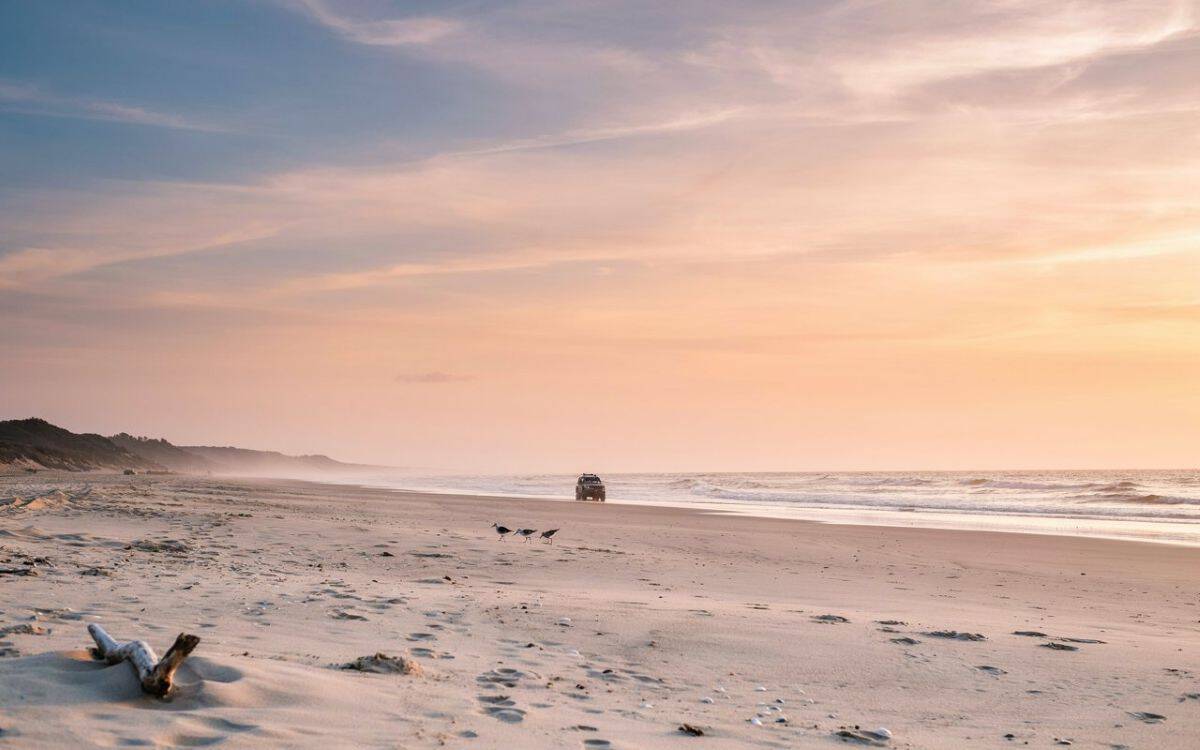
Image generated with Ai
The long coasts of Australia have much to offer adventurous travelers who wish to get closer to nature and experience something truly unique and unusual. Firstly, such beaches call on travelers to observe nature and enjoy their surroundings. At the same time, traveling always requires caution. Before planning any trip, one should consider all relevant warnings, the tidal conditions, weather and accessibility of the chosen destination. Secondly, one needs to find the beach appropriate to one’s plans, be it a quiet walk, fishing, bird watching, sand driving, swimming, or just observing the nature.
Eighty Mile Beach Delivers Australia’s Great Coastal Wilderness
Eighty Mile Beach is one of Australia’s biggest beach experiences. It runs for 220 kilometres between Broome and Port Hedland in Western Australia. The coastline looks vast from the ground. It looks even more dramatic from the air. Pale sand, tidal flats and open sea meet under a huge sky.
Advertisement
Advertisement
The beach sits where the Kimberley and Pilbara regions meet. This gives it a special mix of red earth, dry country, warm weather and Indian Ocean views. It feels far from crowded resorts and busy city beaches. Many visitors come here to slow down. They come for quiet walks, fishing and sunsets.
The name can confuse travellers. Eighty Mile Beach is much longer than eighty miles. Its official measurement reaches 220 kilometres. This makes it the strongest choice for travellers searching for one of Australia’s longest documented beach stretches.
Advertisement
Advertisement
The beach is also far more than sand. It forms part of an internationally important wetland area. Vast mudflats provide food for migratory shorebirds. Thousands of birds arrive after long flights across the East Asian–Australasian Flyway. Birdwatchers may see great knots, red knots, eastern curlews and sandpipers.
Advertisement
Advertisement
Flatback turtles also use parts of this coast for nesting. Turtle activity is especially important between October and February. Visitors should keep their distance from turtles, nests and birds. A quiet beach does not mean an empty beach. Wildlife depends on this place.
Eighty Mile Beach suits road-trip travellers. The main access point lies around 365 kilometres south of Broome and 250 kilometres north of Port Hedland. A sealed access road leads from the Great Northern Highway towards the beach and caravan park.
Visitors can stay at powered or unpowered caravan sites. They can book simple accommodation. They can fish from the shore. They can collect shells where permitted. They can walk at sunrise or watch the stars after dark. With very little artificial light nearby, the night sky can look remarkable.
Advertisement
Advertisement
This beach is ideal for people who want a large and peaceful Australian coast. It is not a place for rush. It is a place for time, space and respect for nature.
Ninety Mile Beach Gives Victoria an Endless Golden Horizon
Ninety Mile Beach stretches across Victoria’s Gippsland coast. It runs from near Port Albert towards Lakes Entrance. The beach separates the Gippsland Lakes from Bass Strait. This creates a special landscape. Calm lakes sit on one side. Open ocean waves break on the other.
Advertisement
Advertisement
Official tourism information describes it as a 90-mile stretch of golden sand. The beach feels endless because it has very few rocky headlands. The horizon stays open. Sand dunes line much of the coast. The sound of the sea becomes the main part of the journey.
This destination gives travellers more choice than a remote wilderness beach. Several coastal towns sit near different access points. Visitors can use Woodside Beach, Seaspray, Golden Beach, Loch Sport or Lakes Entrance as a base. Each place offers a different holiday mood.
Families may enjoy nearby shops, accommodation and beach facilities. Walkers can choose shorter sections rather than trying to cover the full coastline. Fishers can find long open areas beside the surf. Nature lovers can combine beach time with Gippsland Lakes activities.
The beach is popular for swimming, surfing, fishing and long walks. Some places have lifesaving patrols during the summer season. Woodside and Seaspray are among the locations with seasonal patrols. Visitors should always look for local signs and swim only in safe, patrolled areas.
The nearby marine environment adds another reason to visit. Parks in the region protect underwater sandy plains that hold rich marine life. The sand below the water supports many small creatures. Fish, crabs, molluscs and other species live in this hidden world.
Advertisement
Advertisement
Ninety Mile Beach offers beauty, but it needs care. Bass Strait conditions can change. Strong currents and undertows may affect swimmers. Tides can also make some areas difficult to pass. A calm-looking coast can still have powerful water.
For travellers, this beach works best as a flexible escape. Stay near Lakes Entrance for a fuller holiday experience. Choose Seaspray or Golden Beach for a quieter coastal break. Explore the beach, then move inland to the lakes and waterways. Ninety Mile Beach proves that long coastlines can offer both open nature and easy holiday access.
K’gari 75 Mile Beach Turns Sand Into a Grand Adventure Route
K’gari in Queensland offers one of Australia’s most famous beach drives. Its 75 Mile Beach runs along the eastern side of the island. The beach is around 75 miles long. It forms part of a larger island journey filled with rainforest, freshwater lakes, dunes and wildlife.
K’gari is the world’s largest sand island. It has a deep cultural connection to the Butchulla people. Its traditional name, K’gari, reflects this living heritage. Visitors should use the name with respect and understand that the island is not only a holiday place. It is Country with strong cultural meaning.
75 Mile Beach is not an ordinary beach road. Four-wheel-drive vehicles travel across the sand. Light aircraft may also land on parts of the beach. Drivers need to watch the surface, tides, pedestrians, wildlife and aircraft activity. Conditions can shift from firm sand to soft sand quickly.
Advertisement
Advertisement
The beach offers major sights. Eli Creek flows across the sand towards the ocean. The Maheno shipwreck stands as a well-known landmark. Visitors can also reach areas near Lake Wabby, Indian Head, Champagne Pools and inland sand blows.
Fishing is popular along the beach. Travellers often look for gutters and deeper holes where fish gather. However, the beach is not safe for swimming. Strong currents and sharks create real risks. Visitors should enjoy the view from the sand and use safer freshwater swimming areas on the island.
K’gari rewards visitors who plan well. There is no bridge from the mainland. Travellers usually arrive by barge from Inskip Point or River Heads. Scenic flights are also available from nearby areas. A four-wheel-drive vehicle is needed for most self-drive journeys, while guided tours offer another way to explore.
In 2026, access needs extra care. Severe erosion has affected the Inskip barge landing tracks. The entrance and exit tracks have narrowed into one shared lane. Travellers should plan journeys around low tide, allow more time and check the latest barge advice before departure.
Wildlife rules also matter. Wongari, also known as dingoes, live on K’gari. From September to November 2026, the rearing and emergence season requires special care. Young pups explore more widely. Adult dingoes may protect their young and search firmly for food. Visitors should secure rubbish and food, keep children close, walk in groups and never feed animals.
Advertisement
Advertisement
K’gari offers a thrilling beach destination, but it works best for prepared visitors. It brings a rare mix of adventure, heritage and nature. The beach itself is part road, part runway, part wildlife space and part coastline. That is why it remains unforgettable.
Ocean Beach Brings Tasmania’s Wild West Coast to Life
Ocean Beach near Strahan is Tasmania’s longest beach. It extends for more than 40 kilometres along the island’s west coast. The beach runs north from Macquarie Harbour and Hells Gates towards Trial Harbour.
This is a different kind of Australian beach. The weather can change fast. Waves arrive from the Southern Ocean. The next landfall across the water is South America, more than 10,000 kilometres away. That fact gives the beach a powerful feeling of distance and scale.
Ocean Beach does not sell a typical warm-water beach holiday. It offers wild scenery. Visitors come to see huge waves, shifting clouds, strong winds and dramatic sunsets. The coast feels raw and open. It is a place for photography, walking and quiet reflection.
Strahan is the best base for this destination. The town sits near Macquarie Harbour, around six kilometres from Ocean Beach. Visitors can reach the beach by an unsealed road. They should check weather and road conditions before travelling, especially after rain or strong winds.
Advertisement
Advertisement
The beach also fits into a wider west coast journey. Strahan offers Gordon River cruises, harbour views, rainforest walks and visits connected to Sarah Island’s history. Henty Dunes sit nearby and add another striking sand landscape. Visitors can explore huge dunes, then return to the ocean to watch waves crash across the long shore.
Ocean Beach shows that length is only one part of a great beach destination. Its real power comes from its mood. It feels far away from city life. It offers a coast shaped by weather and wilderness. It asks visitors to pause, look and listen.
Travellers should not treat the sea casually. Wild surf can be dangerous. The beach is best enjoyed with sensible choices, local advice and respect for the changing conditions. For those who love dramatic nature, Ocean Beach can become one of the most memorable stops in Tasmania.
Stockton Beach Combines Giant Dunes With Living Culture
Stockton Beach in New South Wales runs for 32 kilometres. It sits near Newcastle and Port Stephens. The beach may be shorter than Australia’s huge western and southern coastal stretches, but it stands out for another reason. It connects visitors with one of the largest moving coastal dune systems in the Southern Hemisphere.
The wider area includes the Worimi Conservation Lands. The Worimi people own and co-manage these lands with New South Wales National Parks. This makes cultural respect central to any visit. Travellers should stay on marked routes, follow signs and avoid protected sites.
Advertisement
Advertisement
The dunes create a striking landscape. Sand rises high above the beach. Wind shapes the surface every day. Visitors can join guided tours, try sandboarding, ride horses or explore the landscape with permitted four-wheel-drive experiences.
Beach driving is popular, but it needs preparation. A vehicle permit is required for the Worimi Conservation Lands. Drivers must understand tides, sand conditions and access rules. Standard road habits do not always work on a beach. The sand can soften. Water can cover the route. Conditions can change without warning.
A current 2026 safety notice warns visitors that parts of the beach may be hard to pass. Beach conditions have degraded in some sections. Drivers should avoid travelling close to high tide. They should turn back safely if the route becomes impassable. They must never drive over dunes or vegetation to find another path.
Swimming also needs careful thought. The beach within the Worimi Conservation Lands is unpatrolled, and managers advise against swimming there. Dangerous currents, large waves and sudden drops can affect the coast. Visitors looking for a swim should choose safer local beach areas with lifeguard services when available.
Stockton town offers a different experience. It has a foreshore, playground, ferry link and views across Newcastle Harbour. The ferry from Newcastle creates an easy connection for visitors who want a shorter coastal outing. Stockton Beach itself offers open sand and views stretching towards Port Stephens.
Advertisement
Advertisement
This destination suits travellers who want more than a beach photo. They can learn about Country, see major dune landscapes and enjoy guided activities. Stockton Beach proves that a coastline can hold culture, recreation and conservation together.
Cable Beach Offers Long Sand With Broome Holiday Comfort
Cable Beach in Broome is 22 kilometres long. It does not compete with Eighty Mile Beach or Ninety Mile Beach on total length. Yet it remains one of Australia’s most popular long beach destinations because it combines space with comfort.
The beach has white sand, turquoise Indian Ocean water, red cliffs and large tides. Visitors can swim, walk, fish, kayak or simply watch the sunset. The famous camel rides create one of Broome’s best-known scenes.
Cable Beach offers nearby resorts, caravan parks, restaurants and transport links. This makes it easier for travellers who want a beach holiday without a remote road-trip plan. Broome’s town centre sits within a short drive.
The beach also has seasonal lifeguards from May to October. Visitors should swim between the flags when patrols operate. Tides are large, so the beach changes shape across the day. At low tide, huge areas of sand appear. This gives walkers extra room but also means visitors should watch the time and water level.
Advertisement
Advertisement
Beach driving is allowed in selected areas north of the rocks. Drivers should check tide times and hire-car rules before taking a vehicle onto the sand. Turtle nesting also occurs from October to February, so restrictions may apply.
Cable Beach is a useful choice for visitors who want a long beach with a simple holiday setup. It offers sunsets, swimming opportunities, facilities and space. It also makes a good beginning or end point for a wider Kimberley trip.
The Coorong and Teewah Beach Add More Giant Coastal Journeys
The Coorong in South Australia deserves attention because it offers a huge coastal landscape. Official park information describes more than 150 kilometres of lagoon and coastline to explore. This covers the wider region, rather than one single measured beach. Still, the destination gives travellers an enormous sense of space.
The Coorong includes dunes, lagoons, birdlife, fishing areas and remote campsites. Visitors can explore by boat, kayak, four-wheel drive or walking trail. The ocean beach offers surf fishing and open Southern Ocean views.
Most beach access needs a four-wheel-drive vehicle. Drivers should travel at low tide and stay between the high and low water marks. The beach is a gazetted road, so road rules still apply. The annual vehicle closure from Tea Tree Crossing to the Murray Mouth runs from 24 October to 24 December to protect hooded plovers.
Advertisement
Advertisement
Teewah Beach in Queensland also deserves a place in the story. It lies in the Cooloola Recreation Area between Noosa North Shore and Double Island Point. The destination has dunes, coloured sands, coastal forest and long beach-driving routes.
Camping at Teewah needs planning. Visitors must use a portable toilet in the camping zones. Campfires are prohibited. Drivers must follow beach road rules and avoid sensitive dunes and vegetation. The landscape is beautiful, but it is also fragile.
These destinations show a wider truth about Australia’s coast. Long beaches are not only places to swim. They can be wildlife habitats, road routes, cultural landscapes and protected nature areas. The best journeys come from enjoying them with patience and care.
Australia’s Long Beaches Need Smart Travel Choices in 2026
The following is the best way to explore Australia and its amazing beaches in 2026, and those who love adventures must visit all the amazing beaches. These beaches provide the visitor light, wildlife, space and natural beauty. However, planning is necessary to avoid trouble on the way. Before heading off, it is important for tourists to consider the route, tide, weather conditions, and even the levels of alertness. There are some unique stories to tell about the Eighty Mile Beach, Ninety Mile Beach, K’gari, Ocean Beach, Stockton Beach, and Cable Beach.
Advertisement
