
Windstar Cruises expands regional footprint with Star Seeker 2028–29 Asia deployment centred on immersive destination cruising : Know More

Published
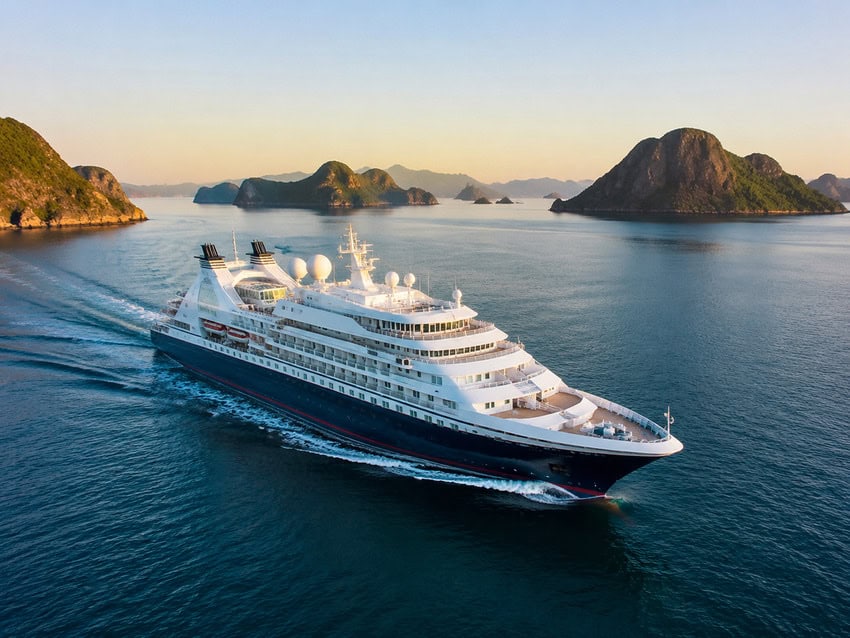
Windstar Cruises is broadening its presence in Asia with the introduction of its Star Seeker 2028–29 deployment, a programme built around immersive, small-ship cruising across Japan, Southeast Asia and surrounding regions. The expansion reflects a strategic push to deepen access to destinations that are often bypassed by larger cruise vessels, using the Star Seeker’s size to call at both major urban centres and smaller regional ports. Running from September 2028 to May 2029, the season includes 25 departures across five countries and is structured around extended itineraries, overnight port stays and combined land-and-sea experiences designed to strengthen destination engagement.
The programme reflects a continued industry shift toward smaller-ship cruising, with Windstar highlighting operational flexibility as a defining advantage of the Star Seeker. The vessel’s size allows it to call at ports that are typically out of reach for larger cruise ships, including city-centre berths and secondary coastal destinations. This positioning is intended to bring passengers closer to urban cores and reduce the need for extended transfers from distant industrial ports.
Advertisement
Advertisement
The cruise line reports strong early interest in Asia itineraries, stating that bookings are tracking ahead of previous seasons. The momentum aligns with broader demand trends in experiential travel, where passengers increasingly seek longer stays in port, greater cultural exposure and itineraries that prioritise depth over distance.
The 2028–29 schedule is structured around four core cruise-only routes, supported by extended “Star Collector” journeys that combine multiple segments into continuous sailings ranging from 20 to 42 days. These longer itineraries are designed to allow guests to traverse large parts of Asia in a single voyage while still maintaining extended time in selected destinations. The line is also offering land-based extensions before and after select cruises, connecting maritime travel with inland cultural circuits in places such as Hanoi, Angkor Wat, Chiang Mai and Kyoto.
Advertisement
Advertisement
Among the key sailings is a 10-night Japan itinerary linking Tokyo, Osaka and Kyoto. The route integrates both major metropolitan centres and smaller ports such as Karatsu, while also including scenic navigation through the Inland Sea. The itinerary is structured to balance high-density cultural hubs with quieter coastal stops, offering a contrast between modern urban Japan and its more traditional maritime regions.
Another featured voyage spans Vietnam and Cambodia over 10 nights, with overnight calls in Ho Chi Minh City and the Halong Bay region. Extended time in port is intended to allow deeper exploration of both northern and southern Vietnam, while optional overland programmes connect travellers to Cambodia’s inland heritage sites, including Angkor Wat. The structure reflects a growing preference in cruise design for longer port stays that enable independent exploration and guided excursions.
Advertisement
Advertisement
A separate 10-night itinerary crosses Vietnam, Hong Kong, Taiwan and Japan, incorporating a mix of major cities and island destinations. Stops include Taipei, Okinawa, Amami and Ishigaki, creating a route that moves across distinct cultural and geographic zones in East Asia. The itinerary highlights the increasing integration of island calls into regional cruise planning, particularly in areas with strong maritime infrastructure.
An 11-night Southeast Asia sailing connects Bangkok, Phuket and Singapore, with an overnight stay in Singapore providing additional time in one of the region’s most active cruise and air hubs. The route combines dense urban environments with tropical coastal settings, reflecting the diversity of Southeast Asia’s tourism landscape within a single voyage.
Advertisement
Advertisement
At the upper end of the programme, a 41-night Grand Asia Explorer itinerary links multiple segments into a continuous journey between Phuket and Tokyo. The sailing includes overnight stays in four cities and incorporates river cruising along both the Saigon and Chao Phraya waterways. This hybrid routing blends ocean cruising with inland navigation, allowing access to major cities located far from open-sea ports and expanding the geographical scope of the voyage.
To support early reservations, Windstar is offering an incentive for bookings made by July 31, 2026. The package includes a complimentary all-inclusive fare structure, onboard credit per guest and a discount for those paying in full at the time of booking. The promotion is positioned to secure advance demand well ahead of deployment, a common strategy in long-range cruise planning cycles.
Windstar Cruises expands its regional footprint with the Star Seeker 2028–29 Asia deployment, driven by rising demand for immersive small-ship itineraries that connect major cities with smaller, less-accessible ports across the region.
Taken together, the 2028–29 Asia season underscores a broader evolution in cruise design, where smaller vessels, longer itineraries and integrated land extensions are becoming central to product strategy. The emphasis is less on point-to-point transport and more on continuous regional immersion, with flexibility and access driving the core value proposition of the Star Seeker deployment.
Advertisement
