
Andorra Proves Small Mountain Nations Creating Big Travel Experiences Across Europe in 2026

Published
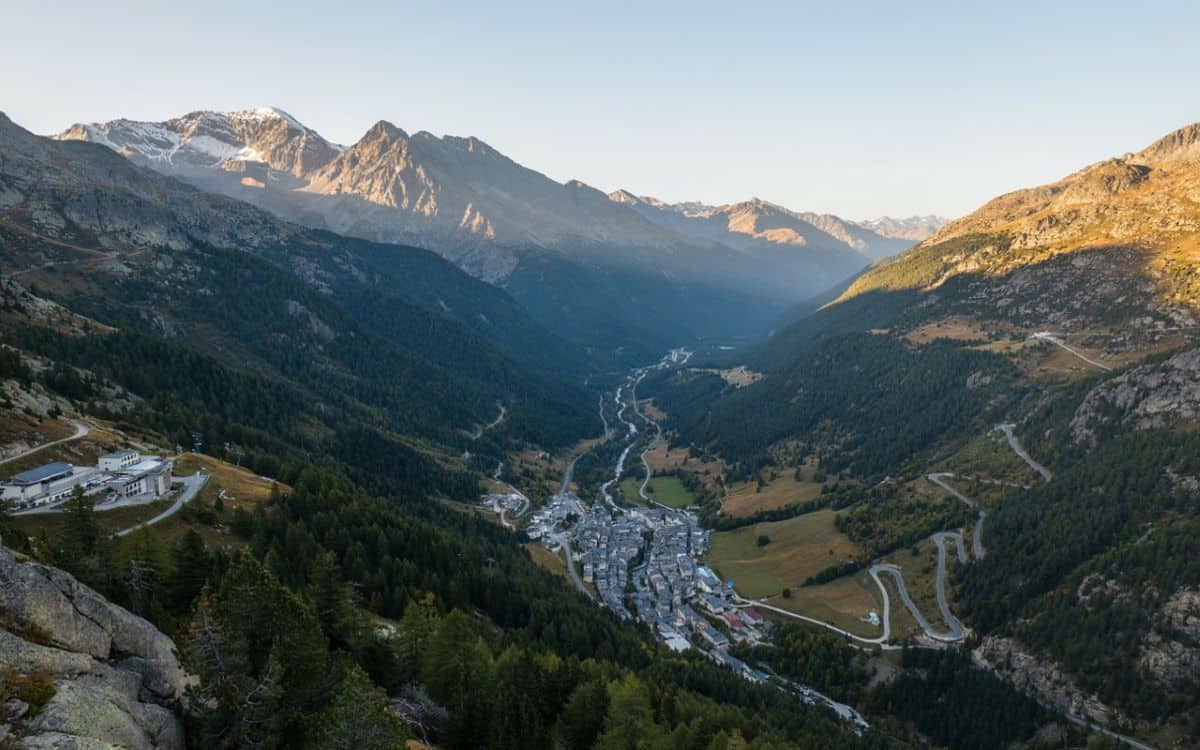
Image generated with Ai
It is evident from the example of Andorra that even the smallest mountainous nations can provide huge travel experiences in Europe in 2026. The country demonstrates how Small Mountain Nations can attract tourists through their magnificent nature, exciting outdoor activities, and fascinating cultural experiences. Furthermore, Andorra offers Big Travel Experiences by turning its magnificent nature into a valuable source of tourist attraction. The nation in Europe keeps on developing as travelers tend to look for genuine locations other than congested cities. Andorra in 2026 will clearly demonstrate that even smallness is not an obstacle to success.
Why Are Europe’s Smallest Countries Becoming Tourism Powerhouses?
Many travellers today are searching for destinations that offer something different. They want authentic experiences, rich history and places that feel unique. Europe’s smallest countries provide exactly that.
These nations may have limited territory, but they offer concentrated experiences. Visitors can discover historic buildings, cultural landmarks, natural landscapes and traditional communities within a short distance.
The six recognised European microstates are Andorra, Liechtenstein, Malta, Monaco, San Marino and Vatican City. Each country has developed a different tourism identity.
Advertisement
Advertisement
Vatican City attracts visitors through religious heritage and world-famous art. Monaco has transformed its small coastline into a symbol of luxury. San Marino protects centuries of history. Liechtenstein combines Alpine beauty with economic strength. Malta blends Mediterranean culture with ancient heritage. Andorra uses mountains to create adventure tourism.
Their success sends a powerful message. A country does not need a huge territory to create unforgettable travel experiences.
Advertisement
Advertisement
Vatican City Shows How The Smallest Country Can Hold The Biggest Influence
Vatican City remains one of the most remarkable destinations in the world. Located inside Rome, Italy, this tiny country covers less than one square kilometre. Despite its size, it has worldwide cultural and religious importance.
The country is the centre of the Catholic Church and home to the Pope. It welcomes visitors who want to explore historic landmarks, religious sites and artistic treasures.
The Vatican Museums, Sistine Chapel and St Peter’s Basilica make the country one of Europe’s most recognised cultural destinations.
Its small territory creates a unique visitor experience. Travellers can explore an entire country within a single trip while discovering centuries of history.
Vatican City proves that influence does not come only from land area. Its cultural importance reaches across continents.
The country has turned limited physical space into a global tourism destination by protecting its heritage and sharing its history with millions of visitors.
Advertisement
Advertisement
Monaco Turns A Tiny Mediterranean Territory Into A Luxury Tourism Giant
Monaco represents one of the strongest examples of small-scale success. Located on the French Riviera, this country covers only around two square kilometres. Yet it has become one of the world’s most famous luxury destinations.
The country uses its limited territory as an advantage. Monaco offers luxury hotels, coastal views, premium experiences and international events within a very compact area.
Monte Carlo has become a global symbol of elegance and high-end travel. Visitors come to experience the Mediterranean lifestyle, impressive architecture and glamorous atmosphere.
Monaco’s development shows how careful planning can transform a small territory into a powerful tourism brand.
Instead of competing with large countries through size, Monaco competes through exclusivity and quality.
Its success highlights a key lesson for destinations worldwide. Unique experiences can create stronger tourism value than simply having more land.
Advertisement
Advertisement
San Marino Protects Ancient History Inside A Small European Territory
San Marino offers another extraordinary example of a small country with a powerful identity. Surrounded completely by Italy, this historic republic covers around 61 square kilometres.
The country is famous for its medieval appearance, mountain location and historic independence.
San Marino City, located on Mount Titano, provides visitors with old fortifications, traditional streets and impressive views over the surrounding Italian landscape.
Unlike large European destinations that spread attractions across wide areas, San Marino offers a concentrated cultural journey.
Its tourism strength comes from authenticity. Visitors experience a country where history remains visible in everyday life.
San Marino demonstrates how preserving heritage can become one of the strongest tourism assets.
Advertisement
Advertisement
Its small size has not reduced its importance. Instead, it has helped create a distinctive identity that attracts travellers looking for unusual European experiences.
Liechtenstein Uses Alpine Beauty To Build A Strong Tourism Identity
Liechtenstein is one of Europe’s smallest nations, covering approximately 160 square kilometres. Located between Switzerland and Austria, it combines mountain landscapes with modern development.
The country offers a completely different experience from Mediterranean microstates. Its attraction comes from nature, mountains and peaceful villages.
Visitors can enjoy hiking routes, winter activities and scenic Alpine views. Vaduz, the capital city, provides cultural attractions and historic landmarks.
Liechtenstein proves that natural landscapes can become powerful tourism resources even within a small territory.
The country has successfully balanced economic development with environmental protection.
Advertisement
Advertisement
For modern travellers seeking quieter destinations, Liechtenstein offers a rare combination of nature, culture and simplicity.
Its success shows that small countries can create strong tourism identities by focusing on what makes them unique.
Malta Transforms A Small Island Into A Major Mediterranean Destination
Malta may be small in size, but its tourism influence is enormous. Covering around 316 square kilometres, the island country has created a strong global reputation through history, beaches and culture.
Located in the Mediterranean Sea, Malta has a strategic position that shaped its long and fascinating history.
Visitors discover ancient temples, historic cities, coastal landscapes and traditional villages.
Valletta, the capital, represents the country’s rich architectural heritage and cultural importance.
Advertisement
Advertisement
Unlike some microstates with very small populations, Malta operates as a complete island nation with modern infrastructure, international connections and a strong tourism economy.
The country demonstrates how a small destination can attract millions by combining natural beauty with cultural depth.
Malta’s story proves that limited land can still support a powerful tourism industry when a destination protects its identity.
Andorra Turns Mountain Landscapes Into A Four Season Tourism Success
Andorra is the largest among Europe’s classic microstates, covering around 468 square kilometres. However, compared with larger European countries, it remains a small mountain nation.
Located between France and Spain in the Pyrenees, Andorra has built its tourism model around nature and outdoor experiences.
The country attracts visitors throughout the year. Winter brings skiing and snow activities. Summer offers hiking, cycling and mountain exploration.
Advertisement
Advertisement
Andorra la Vella combines modern facilities with spectacular natural surroundings.
The country shows how geography can become a major tourism advantage. Instead of seeing mountains as a limitation, Andorra transformed them into its biggest attraction.
Its success provides an important lesson for destinations with unique landscapes. Natural assets can become powerful tourism engines when they are managed effectively.
What Can Larger Countries Learn From Europe’s Smallest Nations?
Europe’s smallest countries offer valuable lessons for larger destinations.
They show that successful tourism depends on identity, not only size.
These microstates focus on their strongest features. They protect heritage, create memorable experiences and build clear destination images.
Advertisement
Advertisement
Vatican City focuses on culture and faith. Monaco focuses on luxury. San Marino focuses on history. Liechtenstein focuses on mountains. Malta focuses on Mediterranean heritage. Andorra focuses on adventure.
Their strategies demonstrate that every destination has something valuable to offer.
In 2026, travellers are increasingly interested in meaningful experiences. Small countries are perfectly positioned to provide these personalised journeys.
Europe’s Smallest Countries Prove That Size Does Not Define Success
Smallest states of Europe keep impressing the world in terms of tourism. These small countries illustrate how it is possible to provide an amazing travel experience despite having very little land. In addition, they have amazing stories, rich history and good strategies for making tourism interesting. These states make their geographical limitations an advantage thanks to their culture, nature and innovations. By 2026, the smallest countries of Europe will illustrate that their success lies in their experience and not in the size of their territories.
Advertisement
