
The New Airbus Forecast From France Points To More Travel And Aviation Services Demand Doubling By 2045

Published
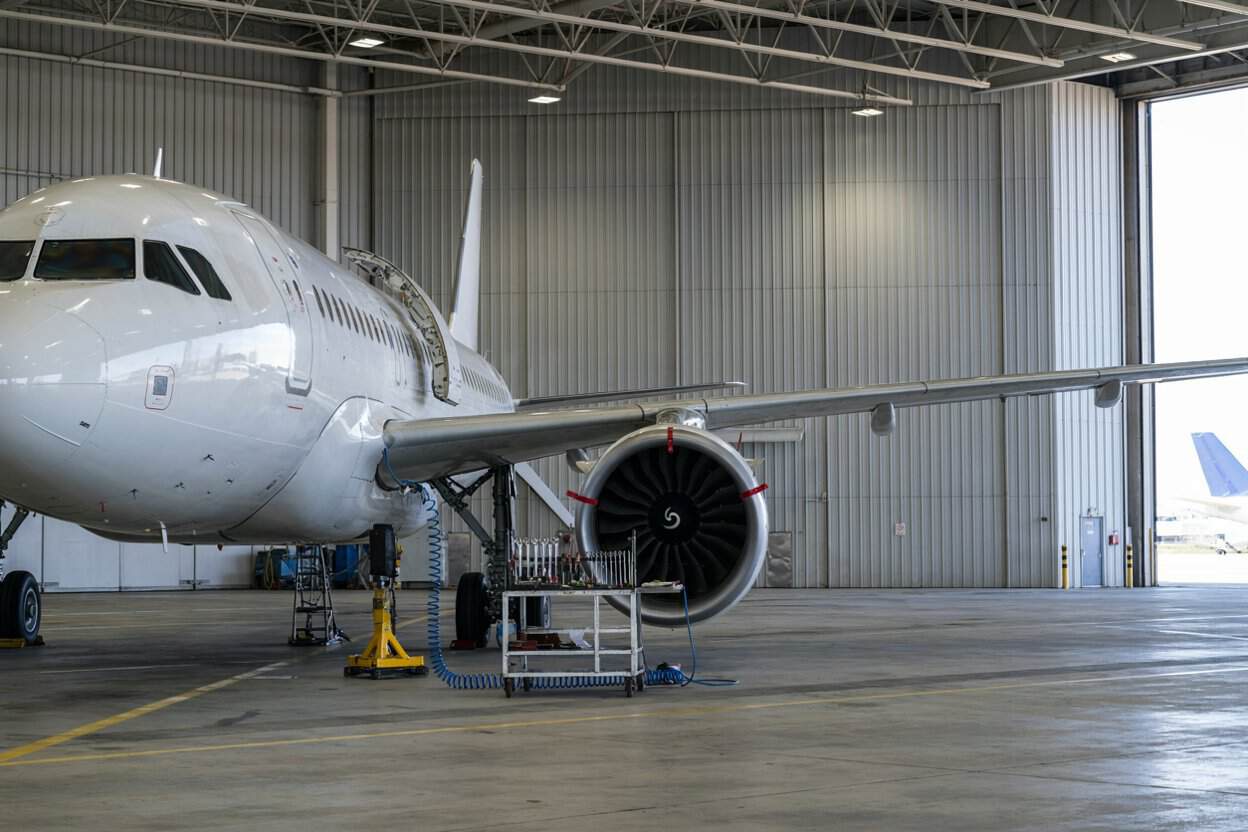
A new Aviation Services forecast released in Toulouse, France, on 14 October 2026 projects a US$422 billion annual market by 2045. Published by an aircraft manufacturer, the outlook links expanding passenger journeys with greater demand for maintenance, training and digital support. It matters to travellers and tourism businesses because larger fleets require dependable operational capacity. The announcement introduces no immediate change to routes, fares, visas or existing bookings.
What the Forecast Establishes for Global Travel
The outlook for Aviation Services Demand Doubling concerns worldwide operational support through 2045. The following allocation is an editorial assessment of the story’s focus, not official market shares or measured tourism impacts. Percentages total 100%, reflecting the relative importance of the verified forecast components. Every finding in the table comes from the same official announcement, linked in the final cell.
Advertisement
Advertisement
| News Component | Share of Story | Officially Verified Finding | Relevance to Travellers | Official Source |
|---|---|---|---|---|
| Market and fleet outlook | 25% | 45,550 aircraft and approximately 10 billion annual journeys projected by 2045. | Potential future transport capacity. | Forecast announcement |
| Maintenance | 35% | Engine and component maintenance projected at US$217 billion annually by 2045. | Supports aircraft availability. | Forecast announcement |
| Workforce | 20% | 2.44 million new professionals required cumulatively by 2045. | Supports staffing and operational capacity. | Forecast announcement |
| Digital systems | 10% | Connectivity and digital services projected at US$27 billion annually by 2045. | Aims to improve reliability. | Forecast announcement |
| Tourism relevance | 10% | No destination revenue forecast or specific route launch announced. | Possible benefits remain conditional. | Official forecast Airbus |
The evidence establishes a published forecast and its assumptions, not completed expansion. Approximately 10 billion annual passenger journeys would include repeated travel by individuals, rather than 10 billion distinct tourists. No confirmed increase in destination arrivals, hotel bookings or tourism earnings follows directly from this announcement. Its immediate relevance is industry planning, while passenger benefits depend on implementation. The outlook covers passenger aircraft above 100 seats and freighters carrying more than 10 tonnes. It includes multiple manufacturers, so the market total does not represent one company’s revenue, investment budget or confirmed sales.
The Current Situation and the Events Behind the Outlook
The chronology shows existing pressures before the new forecast. Industry research published on 24 June 2026 identified engine durability issues, parts shortages and restricted maintenance access. A cooperation initiative announced on 25 June addressed shared technical resources and visibility of available materials. International tourism figures followed on 17 September, then passenger traffic data on 30 September. The services outlook was released on 14 October, adding a long-term planning perspective.
Advertisement
Advertisement
Current demand remains uneven. Global passenger traffic fell 0.8% in August 2026 compared with August 2025, while available capacity increased 0.3%. Separately, international tourist arrivals reached approximately 690 million during January–June 2026, up 0.4% annually. These measures are incompatible for direct comparison: passenger traffic incorporates distance travelled, while tourist arrivals count international visits across transport modes. They provide context, rather than proof that the forecast will materialise. The published passenger figures are provisional and may be revised. International tourism data also covers a different reporting period. Neither series measures the services market itself, which is why the growth rates should remain separate.
Aviation Services Demand Doubling Depends on Fleet Support
The forecast’s stated drivers include fleet expansion, greater aircraft use, cabin improvements and digital adoption. Annual market value rises from US$209 billion in 2026 to US$422 billion in 2045. The calculated increase is US$213 billion, or approximately 101.9%. Its stated compound annual growth rate is 3.8%. The related traffic outlook projects 3.9% annual growth and 42,060 new aircraft deliveries, including 19,820 replacements. Replacement aircraft therefore account for approximately 47.1% of expected deliveries. The difference matters because replacing an older aircraft does not add another aircraft to the fleet. Likewise, compound growth summarises a long period and does not imply that demand increases at an identical rate every year.
Advertisement
Advertisement
Within Aviation Services, maintenance dominates because aircraft need continuing inspections, repairs and parts. Engine and component work reaches US$217 billion, operations support US$104 billion, and aircraft maintenance US$36 billion annually by 2045. Together, these categories represent approximately 84.6% of the projected market. Cabin modifications and upgrades add US$21 billion. These calculations explain spending priorities; they do not demonstrate that maintenance shortages have ended or that every airline will improve reliability.
Workforce and Digital Capacity Will Shape Delivery
The prospect of Aviation Services Demand Doubling requires people as well as equipment. Forecast staffing needs comprise 660,000 pilots, 730,000 maintenance technicians and 1.05 million cabin crew. Their respective shares are approximately 27.0%, 29.9% and 43.0%, allowing for rounding. The total includes workforce replacement and expansion, so it is not purely net job creation. Training demand is projected at US$17 billion annually by 2045, highlighting the scale of preparation required.
Advertisement
Advertisement
Digital systems and connectivity are the fastest-growing segment, with projected annual growth of 5.3% and approximately threefold expansion. Predictive maintenance uses operational data to identify developing faults and schedule work earlier. The forecast emphasises reliability, while published industry research stresses better access to parts, repairs and maintenance capacity. These are complementary priorities. Neither establishes a universal deadline for fewer cancellations, cabin improvements or free onboard internet, and their passenger benefits remain implementation-dependent. For passengers, earlier fault detection could help protect onward connections and arrival plans. This describes the intended operational benefit, not a measured improvement delivered by publication of the forecast. Digital spending still requires equipment, integration and trained users.
Tourism Opportunities and Practical Steps for Travellers
With Aviation Services Demand Doubling projected, Asia is expected to lead growth, while Europe, North America and China remain major markets. Europe’s regional grouping includes the Commonwealth of Independent States. The related outlook identifies India, Vietnam, Indonesia and Malaysia among growing traffic markets and anticipates more connections between smaller cities. Hotels and tour operators could benefit where services actually expand, but no quantified tourism gain is confirmed. Travellers need no immediate itinerary change because of this forecast. Destination accessibility also depends on the services airlines choose to operate.
- Check published airline schedules before treating a prospective connection as bookable.
- Confirm cabin facilities with the operating airline; upgrades are not universal.
- Use destination authorities for entry rules; this forecast changes no visa requirement.
- Follow relevant service notices rather than changing bookings solely because of projections.
Confirmed materials-sharing initiatives offer practical industry action, but the forecast announces no passenger rollout date or specific route launch. Tourism businesses should assess actual schedules and delivered capacity before assuming higher visitor demand. The most useful next evidence will concern implementation and operational performance. For passengers, existing airline terms and destination requirements remain the basis for decisions; the announcement creates no new travel obligation.
The Long-Term Outlook Still Depends on Delivery
The forecast from France places Aviation Services within the practical foundations of future global travel. Its market, fleet and workforce figures describe expected requirements through 2045, while current traffic evidence shows uneven conditions. Maintenance capacity, skilled staff and useful digital systems will determine whether expansion supports more dependable journeys. Tourism opportunities remain conditional on connections reaching destinations and attracting sustained demand. No new route, visa rule or passenger deadline follows from the announcement. Travellers should use confirmed schedules and official requirements when planning. Businesses should distinguish forecast opportunity from delivered capacity, and follow official updates as industry initiatives develop further.
Advertisement
