
Bahamas Turns October Into a Thrilling Escape Across Its Least Seen Islands

Published
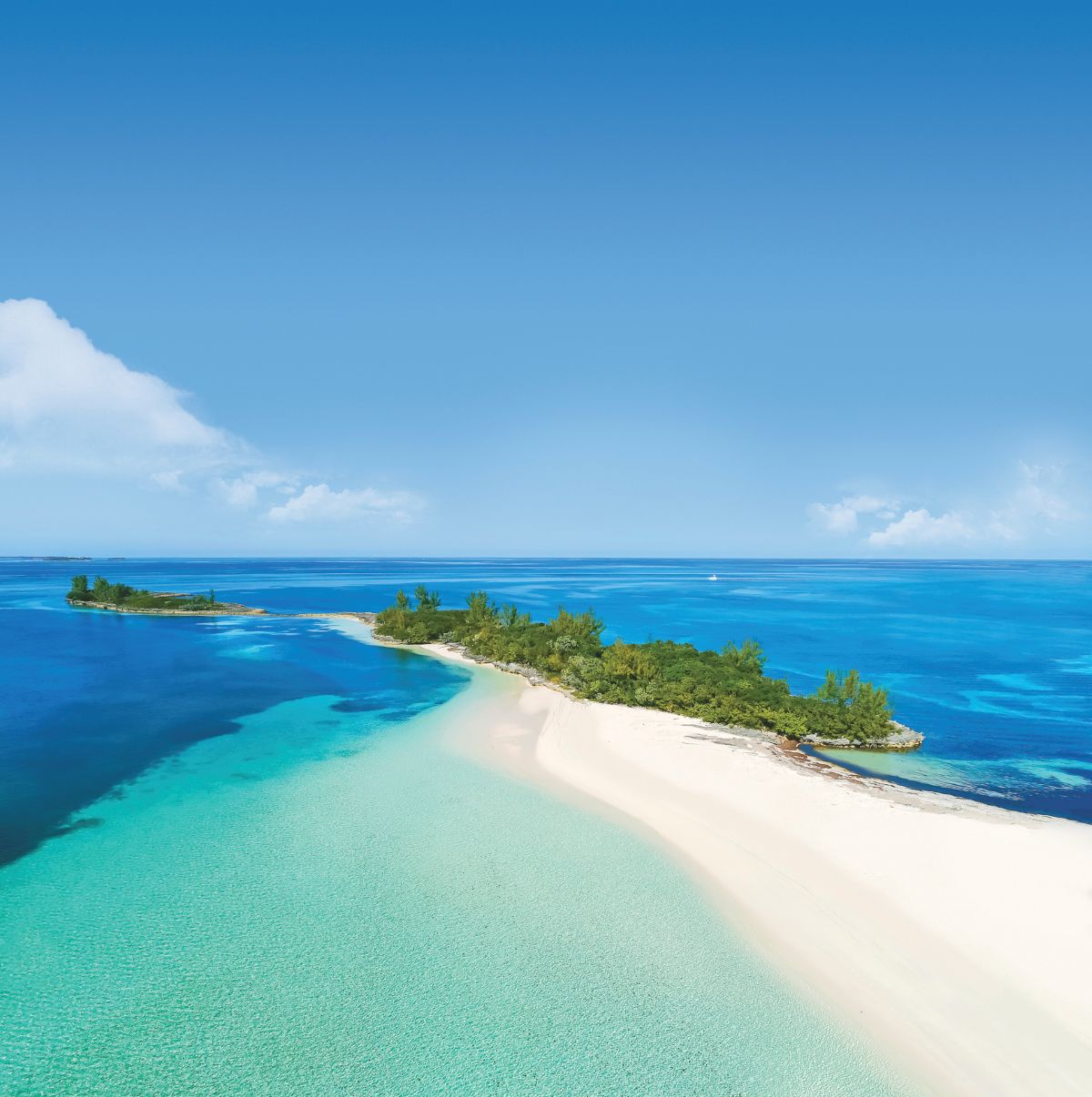
Image credit: bahamas
The Bahamas is famous for Nassau, Paradise Island and the Exumas. These places draw many travellers each year. Yet the country has another side. It is quieter. It is wilder. It is full of small islands where nature leads the journey.
October gives travellers a chance to look beyond the usual resort holiday. The Out Islands offer blue holes, empty beaches, birdlife, fishing flats, dive sites and small communities. These destinations are not unknown to Bahamians or local tourism businesses. But they receive far less global attention than Nassau and the large resort islands.
The tourism story is clear. Visitors now want trips that feel real. They want nature. They want local guides. They want places where the day moves slowly. The lesser-covered islands of the Bahamas can offer this type of travel.
However, October needs careful planning. It remains part of the Atlantic hurricane season, which officially ends on 30 November. Weather can change quickly. Flights, boats and small-island services may change with short notice. Travellers should check official weather updates and book flexible travel where possible.
Andros brings a big nature story
Andros is the largest island in the Bahamas. It is a strong choice for travellers who want more than sun and sand. The island has mangrove creeks, wide tidal flats, blue holes and deep water. It supports scuba diving, deep-sea fishing and fly-fishing.
West Side National Park covers 1.5 million acres. Its creeks and flats create a huge outdoor playground for paddlers, birdwatchers and anglers. The island also has more than 180 blue holes. These natural water-filled caves and pools give Andros a striking visual identity.
Andros offers a powerful October tourism angle. It can be presented as the Bahamas beyond the resort. Visitors can explore nature with local guides, learn about the island’s water systems and spend time on the flats looking for bonefish, tarpon and permit. This is not a loud holiday. It is a quiet adventure with a strong conservation message.
Inagua makes wildlife the headline
Inagua is one of the Bahamas’ most important wildlife destinations. Inagua National Park covers 183,740 acres. It is home to the world’s largest breeding colony of West Indian flamingos. The population is estimated at around 60,000 birds.
Flamingos are the main attraction. But the island offers much more. Visitors can also find the Bahama parrot, hummingbirds, herons, egrets, owls and other bird species. Mangroves, ponds and open landscapes give wildlife travellers many reasons to stay longer.
Inagua should be promoted as a birdwatching and conservation destination. It is not a place for a quick luxury break. It is for people who want to watch wildlife with care and understand why protected habitats matter. October could give travel writers a chance to explain how the Bahamas protects natural spaces while building nature tourism.
Advertisement
Advertisement
Acklins and Crooked Island offer true escape
Acklins and Crooked Island sit around the Bight of Acklins, a large lagoon covering about 500 square miles. The islands remain close to nature. They are known for boating, bonefishing, snorkelling and diving.
The tourism strength here is space. The islands offer a slower type of holiday. Visitors can stay in small lodges or bed and breakfasts. Many places work closely with local fishing guides. This makes the experience more personal than a large hotel stay.
The best October angle is fishing travel with a human touch. The story can follow a local guide across clear flats as visitors look for bonefish. It can also show how smaller communities benefit when travellers stay longer, hire guides and eat locally. Access takes planning, but that is part of the attraction.
Long Island delivers two coastlines in one trip
Long Island is one of the Bahamas’ most dramatic destinations. Its eastern coast is wild. Cliffs, caves and Atlantic waves create a bold landscape. Its western side is calmer. Soft sandy beaches face the Bahama Bank and offer easy swimming.
The island is home to Dean’s Blue Hole. It is one of the deepest blue holes in the world and a major attraction for divers and free divers. Long Island also has coral reefs, fishing flats and quiet villages.
This creates a rich October story. A traveller can move from a calm beach to a cliff edge, then visit a blue hole in the same day. Long Island gives the Bahamas a different image. It is not only turquoise water and beach chairs. It is also geology, adventure and deep water.
Advertisement
Advertisement
Rum Cay and San Salvador open a history trail
Rum Cay is a small island with a big sense of mystery. It has white beaches, dive sites, ancient Lucayan art and Hartford Cave. Divers can explore the HMS Conqueror shipwreck. Nearby Conception Island National Park adds another layer of protected natural beauty.
The tourism angle is clear: Rum Cay is a place for travellers who want to mix diving with history. It is suited to a feature on underwater heritage, early island life and marine protection.
San Salvador offers a similar mix. It has historic monuments, lakes, beaches and natural parks. Visitors can explore Watling’s Blue Hole and Great Lake National Park. The Gerace Research Centre also gives the island a science tourism link.
Together, Rum Cay and San Salvador can form a powerful story about the Bahamas as a country of research, heritage and wild landscapes. This is far deeper than a simple beach holiday.
Mayaguana and Ragged Island reward the patient traveller
Mayaguana is one of the Bahamas’ most isolated escapes. The island is known for quiet beaches, fishing spots, Abraham’s Bay and Booby Cay. It is ideal for people who want peace and open space.
Ragged Island offers another remote adventure. Duncan Town is its small settlement. The surrounding waters attract anglers looking for bonefish, barracuda, tuna and kingfish. Nearby cays add to the feeling of being far from busy life.
These islands should not be sold as easy resort breaks. Their value lies in their remoteness. Visitors need to plan flights, stays, food and transport carefully. But for travellers who want a real break from crowds, this effort can bring a rare reward.
Abaco adds an October event hook
The Abacos provide the strongest confirmed October event story. The Terry Spurlock Halloween Fly-In will run from 30 October to 2 November 2026. The event will use Green Turtle Cay as its home base.
The fly-in brings private pilots together to explore the Abacos from the air and water. It also shows how aviation tourism can support smaller islands. Green Turtle Cay offers waterfront stays, beaches and easy access to the surrounding sea.
The Bahamas has 16 distinct island destinations. October gives travellers a reason to discover the ones that do not often make the front page. From Inagua’s flamingos to Andros’ blue holes and Ragged Island’s fishing waters, these islands prove that the Bahamas still has many stories waiting to be told.
Advertisement
