
Brazil Opens New Japan Travel Era as Visa Free Access Extension Unlocks Bigger Tourism Opportunities Until 2029

Published
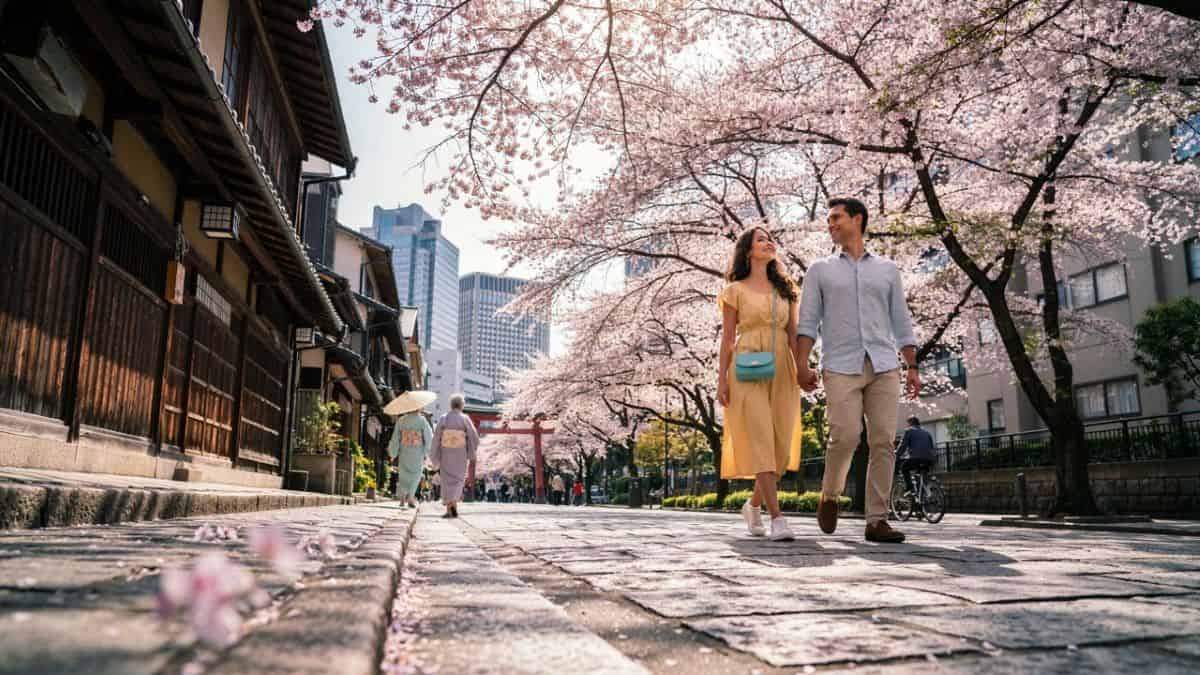 Image generated with Ai
It is evident that Brazil is ushering a new travel era in Japan due to strengthened tourist connections between the two countries through a visa free access extension program until 2029. The new visa free access extension presents greater tourism opportunities for Brazilians in their efforts to experience smooth trips to Japan. Further, the visa free access extension is geared at fostering greater cultural interaction, business linkages and tourism among the two destinations. It can be seen that the visa free access extension presents smooth trips for tourists amid a continued effort by Japan to increase inbound tourism.
Brazil And Japan Strengthen Travel Ties With Three-Year Visa-Free Extension
Japan and Brazil have extended their short-stay visa exemption arrangement from 30 September 2026 until 29 September 2029. The agreement allows eligible Brazilian and Japanese passport holders to visit each other’s countries for up to 90 consecutive days without obtaining a traditional short-stay visa before travel.
Advertisement
Advertisement
The extension applies to travellers holding valid ordinary passports that meet international standards. The passports must be ICAO-compliant electronic passports with integrated chips.
For Brazilian travellers heading to Japan, this means easier access for holidays, tourism experiences, visiting friends and relatives, cultural exchanges and certain business activities.
Advertisement
Advertisement
However, the visa exemption does not allow travellers to take employment or perform paid work during their stay. Anyone planning to work must apply through the correct immigration process.
The agreement also does not guarantee automatic entry. Border authorities maintain the authority to check travellers and decide admission according to immigration rules.
Advertisement
Advertisement
This distinction is important because visa-free travel does not mean unlimited access. It creates a simpler pathway for short visits while keeping existing border protection measures in place.
The extension provides stability for travellers, airlines, tourism businesses and travel planners who depend on predictable entry rules.
Japan’s Growing Tourism Market Finds New Momentum In Brazil
Brazil is emerging as one of Japan’s important long-distance tourism markets. Official figures from the Japan National Tourism Organization show Brazilian arrivals increased significantly in recent years.
In 2025, Japan welcomed 110,594 visitors from Brazil. This represented a 29.2 per cent increase compared with the previous year.
Among these visitors, 102,068 were classified under tourism purposes, recording growth of 31.1 per cent.
South America as a whole also showed strong momentum. The region generated 216,010 visitor arrivals to Japan in 2025, an increase of 38.8 per cent year on year.
Advertisement
Advertisement
Brazil represented more than half of South American arrivals, showing its important role in the region’s travel connection with Japan.
The growth reflects several factors. Japanese culture has a strong following in Brazil through anime, cuisine, traditional arts and entertainment. Interest in destinations such as Tokyo, Kyoto, Osaka, Hokkaido and Okinawa continues to expand.
At the same time, improved travel access can make Japan more attractive for travellers who previously faced longer planning processes.
The visa exemption extension gives travellers more confidence because entry rules remain stable for several years.
Brazil Becomes A Key South American Gateway For Japan Tourism Growth
Japan’s tourism expansion is increasingly looking beyond traditional markets in East Asia, North America and Europe.
South America represents a smaller but strategically important market because travellers from the region often stay longer and seek deeper cultural experiences.
Advertisement
Advertisement
Brazil has one of the world’s largest populations and has a long historical connection with Japan. The Brazilian Japanese community is the largest Japanese diaspora community outside Japan, creating a unique cultural bridge between the two nations.
This connection influences travel patterns. Brazilian visitors often have interest in Japanese heritage, family history, food culture and traditional experiences.
Japan’s tourism industry has been expanding beyond major cities. Many destinations are now promoting rural areas, local communities and less crowded attractions.
For Brazilian travellers travelling long distances, experiences that combine culture, nature and authenticity can become major attractions.
The visa-free extension supports this broader tourism strategy by making Japan more accessible for travellers who may want to explore beyond Tokyo and Kyoto.
New Working Holiday Programme Opens A Different Path For Young Travellers
The biggest new development is not only the visa exemption extension. Japan and Brazil are also launching a reciprocal Working Holiday Programme from 1 December 2026.
Advertisement
Advertisement
This programme creates a separate travel opportunity for young people who want to experience another country while supporting their stay through limited employment.
Eligible Brazilian applicants must normally live in Brazil and be between 18 and 30 years old. The main purpose of the journey must be a holiday experience.
Participants can stay for up to one year and undertake temporary work to help finance their travel.
The programme is designed around cultural exchange rather than employment migration.
For young Brazilians, Japan offers opportunities to experience Japanese language, traditions, technology, food culture and everyday life.
For Japan, the programme can attract younger international visitors who may develop long-term connections with the country.
Advertisement
Advertisement
Working Holiday participants often become future travellers, entrepreneurs, students or cultural ambassadors because they build personal relationships during their stay.
The launch adds another layer to the Brazil-Japan travel relationship.
Visa-Free Travel Requires Understanding The Rules Behind The Access
Japan’s visa exemption system covers many countries and regions, but entry conditions vary depending on nationality and passport type.
The Japanese Ministry of Foreign Affairs highlights that some countries receive visa exemption only when travellers hold specific electronic passports.
Brazil is among the countries where an ICAO-compliant IC passport requirement applies.
This means travellers should check passport requirements before departure.
Advertisement
Advertisement
A common misunderstanding is that visa-free travel removes all travel preparation. In reality, visitors still need valid passports, return or onward travel arrangements when required, and compliance with immigration regulations.
The Japanese authorities also maintain the ability to suspend or modify arrangements if circumstances change.
For tourism companies, travel advisors and visitors, clear communication about these rules remains essential.
Japan Uses Easier Entry Policies To Support Long-Term Tourism Goals
Japan has set ambitious tourism targets for the coming years. The country aims to welcome 60 million international visitors and achieve ¥15 trillion in visitor spending by 2030.
To reach these goals, Japan is working to diversify visitor markets, encourage regional tourism and improve travel experiences.
The Brazil agreement fits into this wider direction.
Advertisement
Advertisement
Japan is not only focusing on increasing visitor numbers. It is also seeking higher-value tourism, longer stays and greater spending across different regions.
Long-distance markets such as Brazil can contribute to this strategy because visitors travelling from overseas often plan longer trips.
A Brazilian traveller visiting Japan may combine major cities with regional destinations, supporting hotels, restaurants, attractions, transport providers and local businesses.
The government’s approach focuses on creating a tourism ecosystem where international visitors contribute across the country rather than concentrating only in famous locations.
Cultural Connections Could Drive The Next Wave Of Brazil-Japan Travel
Tourism between Brazil and Japan is supported by more than government agreements.
The relationship is built on cultural connections that have developed over generations.
Advertisement
Advertisement
Japanese food, animation, traditional arts and technology have strong recognition among Brazilian audiences.
At the same time, Brazil’s culture, music, festivals and natural landscapes attract interest among Japanese travellers.
The renewed visa arrangement creates easier conditions for more people to experience these connections directly.
Travel often strengthens understanding between countries because visitors experience daily life rather than only seeing a destination through media.
The Working Holiday Programme could deepen this relationship further by allowing young people to spend extended time abroad.
These travellers can create personal networks that continue long after their journeys end.
A New Brazil-Japan Travel Corridor Emerges As Tourism Competition Intensifies
Brazil ushers in a new era of Japan tourism with visa free access extension paving the way for better tourism prospects up to 2029. In addition, the move will help to develop a better travel link between Brazil and Japan, thus promoting the movement of people between the countries. The extension of visa free access allows tourists to travel to Japan with ease and make better plans for their stay. On the other hand, the introduction of the new Working Holiday Programme opens up more options for young tourists looking for a better experience.
Advertisement
