
Canada and Indonesia Grapple with the Unsettling Facade of Highly Commodified Extreme Culinary Tourism Attractions

Published
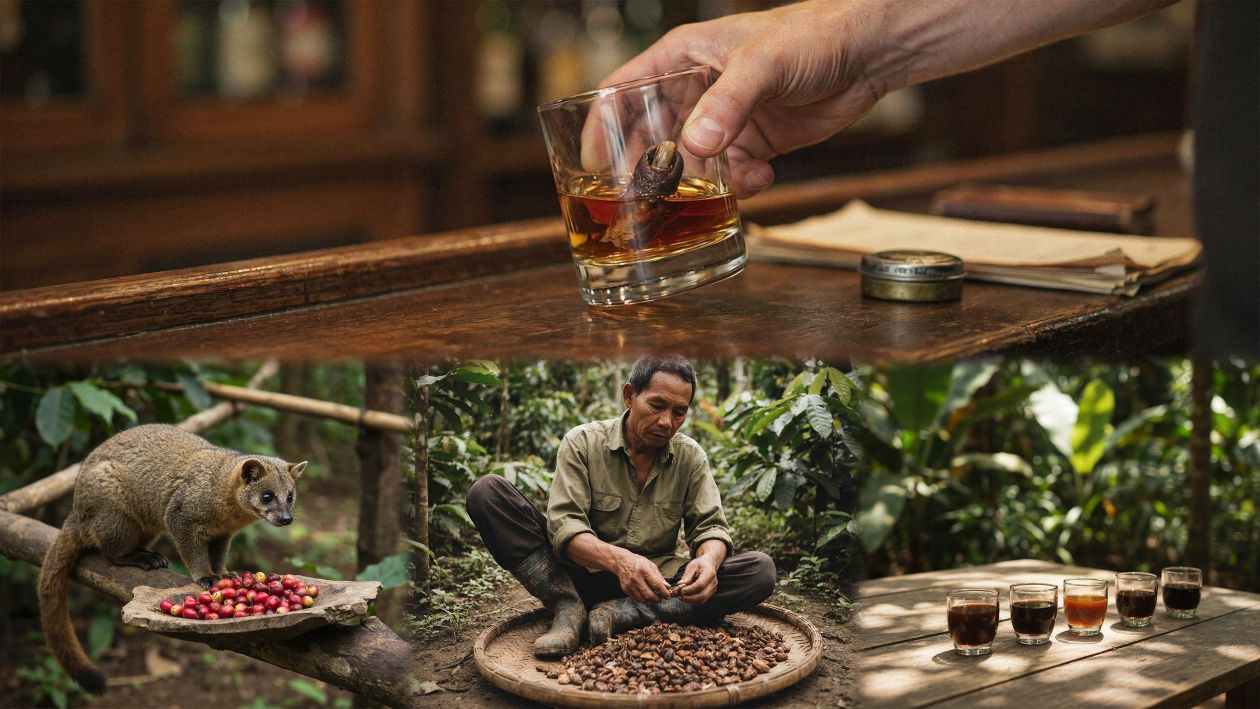
Extreme culinary tourism attractions anchor modern travel identities in Canada and Indonesia. Tourists increasingly seek out these highly unusual global travel experiences. Niche practices evolve quickly into highly regulated, significant regional attractions. This report investigates two heavily marketed, prominent global examples. Canada promotes the gritty Sourtoe Cocktail in Dawson City. Indonesia leverages the luxury appeal of Kopi Luwak civet coffee. Both destinations face unique regulatory, legal, and operational travel challenges.
Dawson City And The Yukon
Dawson City sits within Canada’s remote northern Yukon territory. The local tourism identity leans heavily into frontier narratives. The Sourtoe Cocktail remains the undisputed crown jewel here. This bizarre drink contains a genuine, dehydrated human toe. Patrons consume this novelty shot at the Downtown Hotel.
Advertisement
Advertisement
Captain Dick Stevenson created this bizarre tradition in 1973. He allegedly found a preserved toe in an abandoned cabin. The toe originally belonged to a prohibition-era rum runner. Stevenson established the official Sourtoe Cocktail Club shortly afterwards.
The Sourtoe Oath Rules
Tourists must purchase a shot of alcohol to participate. Yukon Jack whisky serves as the traditional liquor choice. Participants must then take the mandatory, unbreakable Sourtoe Oath. Patrons can drink it fast or drink it slow. However, their lips must physically touch the human toe.
Advertisement
Advertisement
This attraction acts as a major regional economic driver. Official bodies track it as a cultural heritage asset. The Yukon Government monitors these tourism demographics very closely. Academic analyses confirm government support for this frontier branding. Over 113,800 people have officially completed this bizarre challenge.
Travel And Safety Impacts
Tourists often wonder about the health and safety implications. The practice is entirely legal under Canadian health codes. Operators mummify the toes in salt for six weeks. They store the toes in high-proof alcohol for sanitation.
Advertisement
Advertisement
Strict legal protections safeguard these highly valuable anatomical assets. Individuals who undergo amputations voluntarily donate these human toes. Seventeen toes have been used since the 1973 inception. Operators enforce strict rules against chewing or swallowing them.
Financial And Legal Risks
Swallowing the toe incurs a severe financial and legal penalty. The saloon levies a strict 2,500 Canadian dollar fine. Violators also face the serious risk of legal prosecution. Such incidents impact passenger liability and travel insurance policies.
Travel insurance rarely covers fines resulting from deliberate rule violations. Tourists must understand these local legal and financial liabilities. The UN Tourism organisation urges travellers to respect local ordinances. Failure to pay fines could complicate future Canadian visa applications.
Kopi Luwak Tourism In Indonesia
The narrative shifts dramatically in Southeast Asia and Indonesia. Indonesia promotes luxury and exoticism through its coffee tourism. Kopi Luwak remains the most expensive coffee globally. Asian palm civets eat, digest, and excrete these coffee beans.
Originally, locals gathered Kopi Luwak from wild civet droppings. Global demand surged, creating a massive new agricultural tourism sector. Indonesia rapidly developed civet coffee agritourism across several islands. Plantations across Bali now offer lucrative tourist tracking tours.
Agritourism And Government Promotion
“Wonderful Indonesia” acts as the official national tourism board. This entity actively co-brands regions known for this product. Plantations host structured tasting sessions for international package tourists. This tourism model relies heavily on captive wild animals.
Advertisement
Advertisement
This reliance on captivity draws immense international scrutiny today. The Indonesian Ministry of Agriculture established strict intervention frameworks. They introduced Regulation No. 37/2015 for agricultural tourism operators. This dictates that production must follow strict animal welfare principles.
Ethics And Global Trade
The European Union monitors Kopi Luwak imports very closely. The EU permits these imports under general food safety laws. However, European authorities rely heavily on local Indonesian regulations. They trust these frameworks to ensure ethical sourcing practices.
Investigative studies reveal a significant lack of regulatory enforcement. A 2023 study highlighted massive failures in these plantations. The Journal of Applied Animal Welfare Science published these findings. Researchers observed numerous tourist-oriented civet coffee plantations across Indonesia.
| Factor | Dawson City (Canada) | Bali (Indonesia) |
| Primary Attraction | Sourtoe Cocktail | Kopi Luwak Coffee |
| Key Risk | 2,500 CAD fine | Animal welfare violations |
| Regulating Body | Yukon Government | Ministry of Agriculture |
| Market Appeal | Frontier Grit | Luxury Exoticism |
The Animal Welfare Disconnect
Welfare standards consistently fail to meet official Indonesian law. Captive civets suffer from poor diets and limited mobility. Plantations also demonstrate a severe lack of proper hygiene. None of the observed civets met standard welfare criteria.
The internationally recognised “Five Freedoms” of animal welfare failed. Up to 800 civets enter these tourism plantations annually. Animal welfare organisations document this severe market impact regularly. Researchers urge tourists to boycott these specific agricultural plantations.
Impact On Travel Corridors
These controversies impact broader commercial travel and tourism corridors. Wildlife NGOs pressure international tour operators to drop itineraries. Airline corporate media desks report changing passenger booking preferences. Conscious travellers actively avoid destinations with poor welfare records.
Advertisement
Advertisement
Statutory civil aviation authorities monitor these shifting travel patterns. The International Air Transport Association notes changing regional demand. Sustainable travel choices dictate future airline route planning significantly. Ethical concerns directly alter the commercial viability of routes.
Consumer Utility Analysis
Travellers must prioritise ethical considerations when booking these tours. Consumer travel compliance requires checking official government travel advisories. Tourists face accommodation bottlenecks in these highly specific regions. Transit infrastructure strains under the weight of niche tourism.
Ethical choices prevent inadvertent support of unregulated animal cruelty. Passengers hold significant power to demand better welfare enforcement. The World Travel and Tourism Council supports ethical tourism initiatives. Travellers must demand transparency from their local tour operators.
The Future Of Extreme Tourism
Governments must balance economic gains against ethical regulatory enforcement. Extreme culinary tourism attractions require stringent international oversight mechanisms. Travellers will continue to seek out these unique experiences. However, they must navigate the complex ethical landscapes carefully.
Advertisement
