
São Paulo Aligns with Mexico City, Warsaw and Other Cities Pushing Urban Tourism to Shopoholics with Best Shopping Travel Destinations

Updated
Published
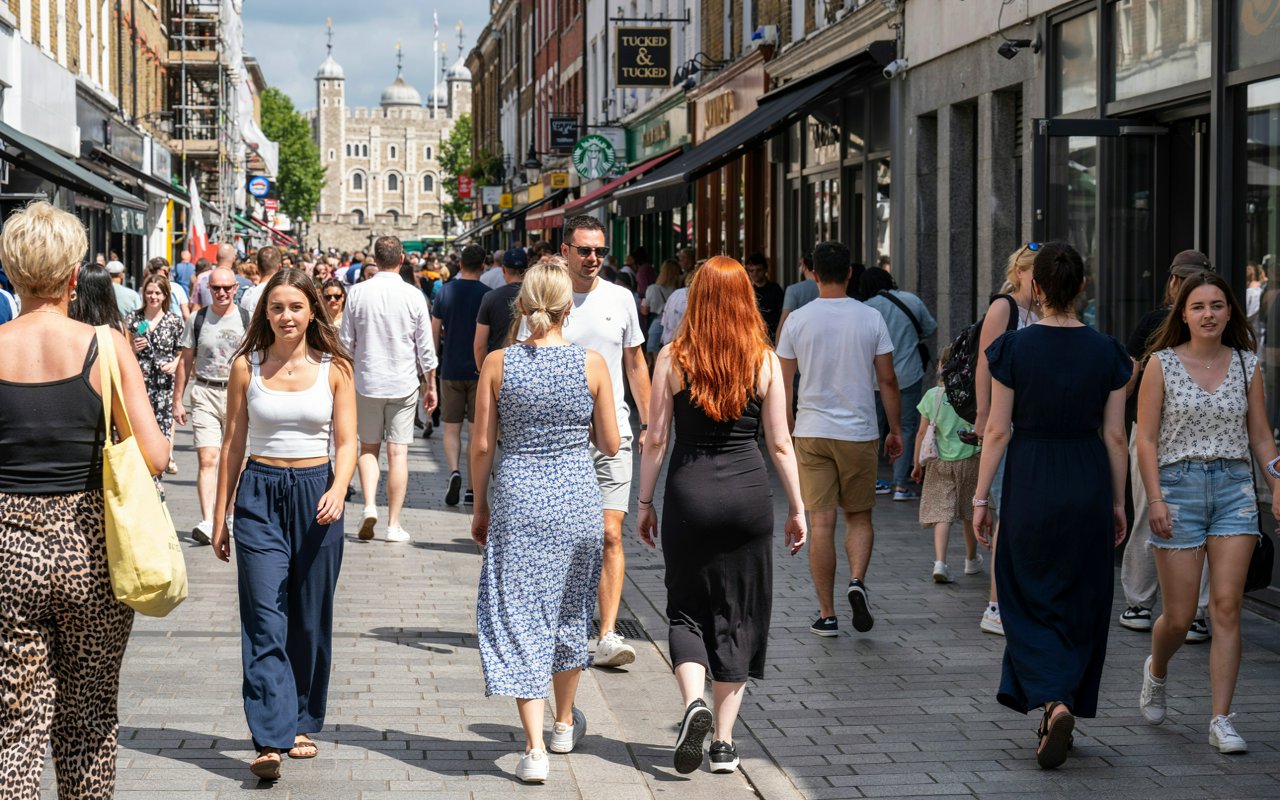
Image generated with Ai
São Paulo aligns with Mexico City, Warsaw and other cities as urban tourism evolves. Together, these shopping travel destinations attract shopaholics with malls, markets and local retail. Moreover, tourists can explore fashion, crafts, food and souvenirs while discovering city culture. This growing retail appeal strengthens urban tourism and visitor spending.
Shopping has become an increasingly important part of the urban travel experience, with tourists often looking beyond conventional souvenirs for local food, handicrafts, fashion, antiques, design products and everyday items that reflect a destination’s identity. Across São Paulo, Warsaw, Belgrade, Mexico City, Zagreb, Bucharest, Jakarta, Sofia, Ljubljana, Bratislava, Limassol, Vilnius, Metro Manila, Riga, Tallinn, Skopje, Buenos Aires and Marrakech, the shopping experience ranges from huge contemporary malls to historic bazaars and neighbourhood flea markets.
For travellers, this diversity means a shopping itinerary can reveal much more than retail brands. Markets often provide direct access to local culture, while malls offer familiar international labels, dining, entertainment and convenient all-weather shopping. Together, these destinations demonstrate how retail continues to form an important part of city tourism.
São Paulo, Brazil: From Luxury Retail to Bustling Street Markets
São Paulo offers one of Brazil’s broadest urban shopping experiences. The city combines sophisticated retail districts with enormous popular markets, allowing tourists to move between luxury fashion, independent boutiques, food markets and bargain shopping.
Advertisement
Advertisement
Iguatemi São Paulo and JK Iguatemi are associated with premium retail, while Cidade Jardim and MorumbiShopping provide extensive fashion, dining and lifestyle options. For a completely different experience, Rua 25 de Março is one of the city’s best-known shopping areas, with a dense concentration of shops selling clothing, accessories, household products and souvenirs.
Mercadão, officially the Mercado Municipal de São Paulo, adds a strong food dimension, while Praça Benedito Calixto is known for its antiques, collectibles and weekend market atmosphere. Together, these areas make São Paulo particularly relevant to travellers who want shopping to become part of their exploration of the city.
Advertisement
Advertisement
Warsaw, Poland: Modern Shopping Centres Meet Local Markets
Warsaw combines modern European retail with traditional market culture. Westfield Arkadia is one of the city’s major shopping destinations, offering fashion, restaurants and international brands under one roof, while Złote Tarasy provides another central option close to Warsaw’s main railway station.
The city’s markets provide a different perspective. Hala Mirowska is associated with fresh produce and everyday shopping, while flea and market-style venues can introduce visitors to Polish food, antiques and locally sourced products.
Advertisement
Advertisement
For tourists, Warsaw’s appeal lies in convenience. A traveller can spend part of the day exploring the historic centre and then reach a major shopping centre or local market without needing to dedicate an entire day exclusively to retail.
Belgrade, Serbia: Balkan Markets and Contemporary Retail
Belgrade has developed a diverse shopping environment that brings together large contemporary centres and traditional markets. Galerija Belgrade, UŠĆE Shopping Center and Delta City provide international brands, restaurants, entertainment and modern retail facilities.
The city’s traditional markets offer a more local experience. Zeleni Venac, Bajloni and Kalenić markets allow visitors to see everyday Serbian commerce, including fresh produce and regional products.
This contrast is important for tourism because shopping in Belgrade does not have to mean visiting a conventional shopping centre. Visitors can combine modern retail with market exploration, making the experience more closely connected with the city’s daily life.
Advertisement
Advertisement
Mexico City, Mexico: Handicrafts Become the Shopping Attraction
Mexico City is particularly strong for travellers interested in crafts, textiles, jewellery, art and food. La Ciudadela is one of the most recognisable destinations for Mexican handicrafts, with products representing traditions from different parts of the country.
Mercado de Coyoacán provides another market experience, while Mercado de San Juan is better known for its distinctive food offering. Lagunilla adds a different dimension, with antiques, vintage products and weekend shopping.
At the other end of the spectrum, Antara Fashion Hall and other major retail centres provide international fashion and premium shopping. The result is a city where tourists can purchase both globally recognised brands and products strongly associated with Mexican craftsmanship.
Zagreb, Croatia: Markets Add Character to City Shopping
Zagreb combines conventional shopping centres with historic markets and independent retail streets. Arena Centar, Avenue Mall and other contemporary centres provide fashion, restaurants and entertainment.
For visitors, however, Dolac Market is particularly significant because it sits close to the historic centre and provides an opportunity to experience local food culture. Britanski Trg adds an antique-market dimension, while Ilica remains an important shopping street.
Zagreb therefore works well for travellers who prefer a shopping experience integrated into sightseeing rather than confined to a large retail complex.
Advertisement
Advertisement
Bucharest, Romania: Large Malls and Traditional Market Culture
Bucharest has become an important retail centre in Romania, with AFI Cotroceni, Băneasa Shopping City, ParkLake and Mega Mall offering extensive modern shopping.
Traditional markets create a different experience. Obor Market is particularly well known and offers visitors an opportunity to encounter Romanian food products, produce and everyday market life.
The combination gives Bucharest a two-layer shopping proposition: contemporary retail for international brands and traditional markets for visitors seeking products and experiences that feel more closely connected with local life.
Jakarta, Indonesia: A Retail Giant with Two Very Different Faces
Jakarta is one of the most striking destinations on this list for the sheer scale of its shopping ecosystem. Grand Indonesia, Plaza Indonesia, Central Park, Pacific Place and Pondok Indah Mall provide extensive modern retail, from international fashion to restaurants and entertainment.
Yet Jakarta’s shopping identity also extends far beyond premium malls. Tanah Abang is associated with wholesale fashion and textiles, while Thamrin City offers clothing and other merchandise at a different price point. Pasar Baru provides another traditional shopping environment.
For international tourists, this means Jakarta can accommodate both luxury shopping and bargain hunting within the same metropolitan area.
Advertisement
Advertisement
Sofia, Bulgaria: From Paradise Center to Historic Markets
Sofia offers contemporary shopping centres alongside traditional markets. Paradise Center, Serdika Center, Mall of Sofia and Sofia Ring Mall provide modern retail and entertainment.
Zhenski Pazar, one of the city’s historic market areas, gives visitors a more traditional shopping experience. The area around Alexander Nevsky Cathedral can also appeal to tourists interested in antiques and collectibles.
This mix makes Sofia relevant for visitors who want to combine Bulgarian food, crafts and market culture with familiar European retail brands.
Ljubljana, Slovenia: A Compact City with a Broad Shopping Mix
Ljubljana’s shopping environment benefits from the city’s compact scale. BTC City Ljubljana and Citypark provide major modern retail, while Aleja and other centres add further fashion and lifestyle choices.
The Central Market is particularly important for visitors wanting local food and products. Ljubljana also has flea-market and craft-market experiences, including the Sunday flea market and ARTish events.
The result is a destination where shopping can be easily combined with walking tours, cafés, architecture and cultural attractions.
Advertisement
Advertisement
Bratislava, Slovakia: Riverside Retail and Market Experiences
Bratislava has expanded its modern shopping offer through centres such as Eurovea, Aupark and Nivy. Eurovea is particularly convenient for visitors exploring the Danube waterfront and city centre.
The Old Market Hall adds a more distinctive local experience, with markets and events that can include artisan food and other locally produced goods. Independent shops and specialist retailers around the historic centre provide another layer.
For tourists, Bratislava’s advantage is accessibility: major shopping areas can be incorporated into a wider city itinerary without requiring lengthy journeys.
Limassol, Cyprus: Mediterranean Retail with a Modern Focus
Limassol’s shopping landscape is more heavily oriented towards modern retail, boutiques and central commercial streets than some of the other destinations on the list.
My Mall Limassol provides a conventional shopping-centre experience, while Anexartisias Street and Makariou Avenue offer central retail options. Visitors can combine shopping with the city’s waterfront, restaurants and Mediterranean leisure environment.
The destination is therefore particularly suited to travellers who want shopping as one component of a broader coastal holiday rather than a market-focused city break.
Advertisement
Advertisement
Vilnius, Lithuania: Baltic Design, Amber and Modern Malls
Vilnius offers major shopping centres such as Akropolis, Panorama, Ozas and Vilnius Outlet. These provide international brands and familiar European shopping facilities.
The Old Town creates a more distinctive experience, with boutiques selling Lithuanian design products, linen, jewellery and amber. Markets such as Hales Market and Kalvarijų Market add food and local retail.
Amber remains particularly relevant to visitors looking for a recognisable Baltic product, while independent design shops offer an alternative to mass-market souvenirs.
Metro Manila, Philippines: Mega Malls and Bargain Shopping
Metro Manila is one of the world’s major mall-oriented urban destinations. SM Mall of Asia, Greenbelt, Glorietta, Power Plant Mall and Venice Grand Canal Mall demonstrate the scale and variety of contemporary shopping available.
However, bargain shopping remains an important part of the city’s retail culture. Divisoria is widely associated with affordable merchandise, while Greenhills offers another well-known shopping environment.
The contrast between luxury malls and highly price-sensitive markets means tourists can experience dramatically different forms of retail within the same metropolitan region.
Advertisement
Advertisement
Riga, Latvia: Historic Markets and Contemporary Retail
Riga combines modern shopping centres with one of Europe’s more distinctive historic market environments. Galerija Centrs, Origo, Galleria Riga, Akropole and Spice provide conventional retail.
Riga Central Market is the city’s signature traditional shopping attraction, offering food and local products across a large market complex. Bergs Bazaar and Kalnciema Quarter add boutiques, cafés and periodic markets.
For tourists, Riga demonstrates how historic market infrastructure can remain an important part of a modern city’s visitor economy.
Tallinn, Estonia: Estonian Design and Market Shopping
Tallinn’s modern retail network includes Ülemiste Centre, T1 Mall of Tallinn and other major shopping facilities. Visitors can find international fashion alongside Estonian products and design.
Balti Jaama Market is especially useful for travellers seeking food, vintage goods, crafts and local products. The city’s Old Town also contains smaller specialist retailers and design shops.
Tallinn’s strongest shopping proposition is therefore not simply the size of its malls but the connection between contemporary Baltic design and historic urban surroundings.
Advertisement
Advertisement
Skopje, North Macedonia: The Old Bazaar Remains Central
Skopje offers modern shopping through East Gate Mall, Skopje City Mall and Capitol Mall, but the Old Bazaar provides a much more distinctive tourist experience.
The historic bazaar contains shops associated with jewellery, textiles, crafts and traditional products, while Bit Pazar provides a lively market environment. Tourists can therefore move between contemporary international retail and centuries-old commercial traditions.
For visitors interested in cultural shopping, the Old Bazaar is an important part of the city’s tourism identity.
Buenos Aires, Argentina: Antiques, Fashion and Street Markets
Buenos Aires has a particularly diverse retail landscape. Galerías Pacífico, Alto Palermo, Recoleta Mall and other centres serve conventional and premium shoppers.
San Telmo is central to the city’s tourist shopping identity, particularly for antiques, vintage objects, crafts and market experiences. Feria de Mataderos adds traditional Argentine crafts and cultural products, while the Mercado de Pulgas appeals to visitors looking for furniture, collectibles and unusual finds.
The city’s shopping experience consequently extends well beyond conventional fashion retail.
Advertisement
Advertisement
Marrakech, Morocco: The Souk as a Tourist Attraction
Marrakech is perhaps the clearest example of shopping itself becoming a tourism experience. The Medina’s souks form an interconnected retail environment where visitors can browse carpets, leather goods, textiles, ceramics, spices, jewellery and handicrafts.
Souk Semmarine and other specialist souks provide different categories of merchandise, while the wider Medina creates an immersive environment of narrow lanes, workshops and independent traders.
Modern retail is also available at Menara Mall and in the M Avenue district. Nevertheless, Marrakech’s distinctive attraction remains its traditional souk culture, where shopping and sightseeing effectively become part of the same experience.
Why These Cities Matter to the Global Travel Industry
The shopping landscape across these 18 destinations demonstrates that modern tourism retail is no longer defined exclusively by department stores and shopping centres. Travellers increasingly encounter destinations through a combination of malls, markets, flea markets, craft districts, food halls, independent boutiques and traditional bazaars.2
“Shopping has become an important part of the modern travel experience, and these destinations demonstrate its growing influence on urban tourism. From vibrant markets to world-class malls, travellers can discover local culture while spending. This diversity creates valuable opportunities for tourism businesses, retailers and destinations to engage international visitors.” says Anup KUmar Keshhan, TTW
For tourism economies, that combination can extend visitor activity beyond major attractions and encourage spending across a wider network of businesses. From São Paulo’s street markets and Mexico City’s craft districts to Jakarta’s enormous retail centres, Buenos Aires’ antiques and Marrakech’s souks, each destination presents a different relationship between shopping and tourism.
Advertisement
Advertisement
For travellers, the most useful approach is to treat shopping as part of the wider city experience. A market can reveal local food traditions, a craft district can introduce regional design, and a contemporary mall can provide international brands and practical amenities. Together, these retail environments help explain why shopping remains an enduring component of the global urban travel economy.
São Paulo, Mexico City, Warsaw and other cities show how shopping can strengthen urban tourism. From modern malls to traditional markets, these travel destinations give shopaholics varied experiences. Moreover, local products, fashion, crafts and food add cultural value, while diverse retail districts encourage tourists to spend more time exploring cities.
Advertisement
