

PATA Youth Symposium 2026 in Pohang Spotlights Youth Leadership, Resilience and Sustainable Tourism Growth Across Asia Pacific Industry Transformation

Published
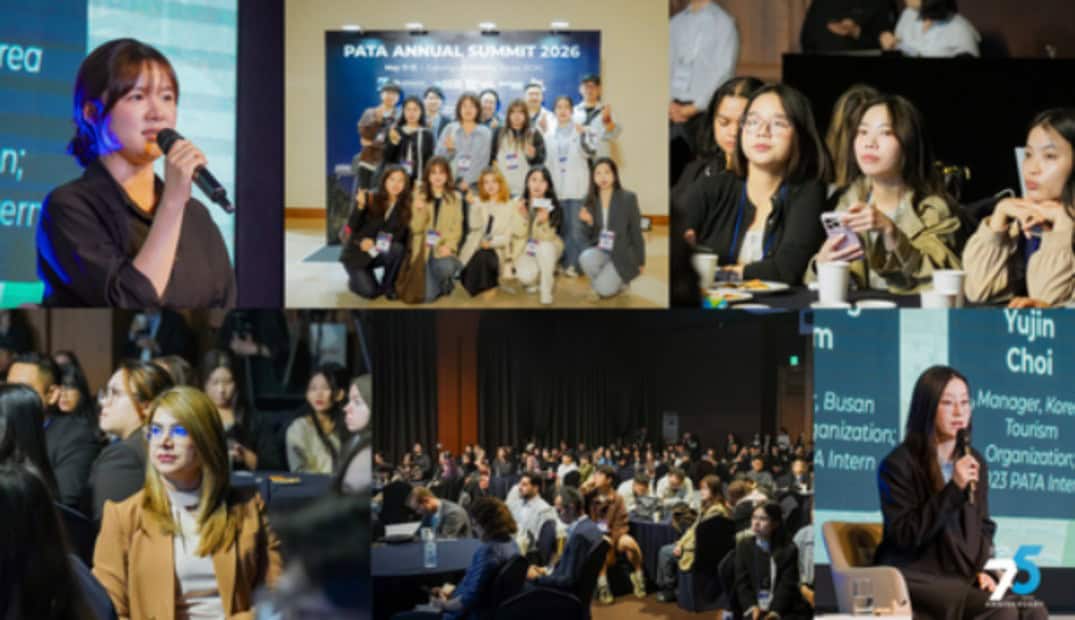
In the year 2026, the PATA Youth Symposium will be hosted by Pohang, Korea and will place this Korean city at the heart of an important discussion about the future of travel, tourism and youth leadership. The symposium will take place at the Lahan Hotel, Pohang, Korea on the first day of the PATA Annual Summit 2026. This event will be attended by students, young professionals, educators, destination and tourism leaders. The program for this half-day event will focus on topics such as career development, resilience, sustainability, diversity, maritime protection and new skill sets required in the tourism sector.
Pohang Becomes a Youth Tourism Leadership Hub
Pohang gained strong visibility as the host city for the first PATA Youth Symposium of 2026. The event was supported by Gyeongsangbuk-do Culture and Tourism Organization, Pohang City and the PATA Thailand Chapter. It also formed part of the wider PATA Annual Summit 2026, which brought international tourism delegates to Pohang and Gyeongju.
This mattered for the city. Pohang is known for its coastal setting, industrial strength, marine culture and growing tourism profile. By hosting young tourism voices, the city showed that tourism development is not only about attractions and infrastructure. It is also about people. Future growth depends on students, young workers, local talent and new ideas.
Youth Voices Take Centre Stage at PATA Annual Summit 2026
The symposium gave young participants more than a seat in the room. It gave them space to speak. Students and early-career professionals joined sessions designed to open direct discussion with industry leaders. This focus supported the main summit theme, Navigating Towards a Resilient Future.
Advertisement
Advertisement
The message was clear. Tourism cannot build a stronger future if young people only listen from the sidelines. They must take part in the conversation. They must share concerns. They must test ideas. They must question old systems. The event helped turn youth engagement from a slogan into a working platform. It also gave destinations a simple lesson. If the industry wants future leaders, it must hear them now.
Career Stories Help Students Understand the Real Industry
One of the key sessions focused on the shift from study to work. Former PATA interns shared lessons from their own career paths. The discussion explored the move from university life into the professional tourism world. It also touched on uncertainty, early mistakes, career changes and personal growth.
Advertisement
Advertisement
This was important because tourism careers are not always straight. A student may begin in hospitality, move into destination marketing, enter aviation, join a travel technology company or work in sustainability. The session helped students see that career development can be flexible. It also showed that early work experience, mentorship and adaptability can shape long-term success.
The Next Generation Shares Hope and Concern
The Voices of the Next Generation session gave students a chance to speak about the future of tourism. Many participants showed optimism. They still saw tourism as a meaningful career path after graduation. They recognised the industry’s power to connect people, places and cultures.
Advertisement
Advertisement
However, some students also expressed concern. The lasting effects of the pandemic still influence how young people see tourism work. They remember instability. They understand that travel can be affected by health crises, climate pressure, economic shocks and global disruption. This mix of hope and caution made the session more honest. It showed that young people are not blind to risk. They want careers, but they also want a more stable and responsible industry.
Resilience Becomes the Main Skill for Future Tourism
Across the symposium, resilience stood out as a central idea. Speakers from destinations, companies and academic institutions pointed to a future shaped by rapid change. Climate pressure, digital platforms, shifting traveller behaviour and economic uncertainty are now part of normal tourism planning.
This means future tourism workers need more than technical knowledge. They need judgement. They need flexibility. They need emotional strength. They need the ability to adjust when markets change. They also need to understand sustainability and community impact. The symposium made one point very clear. The next generation must not only enter tourism. It must help redesign it.
Sarawak’s Youth Model Shows the Power of Participation
The event also highlighted youth empowerment work from Sarawak. The Rainforest Youth Summit was presented as a platform for collaboration, leadership development and long-term community building. This example showed how destinations can create practical spaces for young people to take part in tourism planning.
Advertisement
Advertisement
This type of model matters across Asia Pacific. Many destinations want young talent, but they do not always give young people influence. A summit, forum or training platform can change that. It can help students understand policy, sustainability, culture, conservation and business. It can also help destinations build a future workforce that feels connected to place and purpose.
Sustainability and Climate Adaptation Shape the Industry Debate
The symposium placed strong focus on sustainability, climate adaptation and changing traveller expectations. These are not distant issues. They already shape how destinations plan, how hotels operate, how airlines communicate and how travellers choose trips.
Young tourism professionals will have to manage this shift. They will work in an industry where climate risk, community pressure and responsible travel are central. They will need to protect destinations while still supporting jobs and growth. They will also need to help businesses avoid empty claims. Future travellers will expect real action, not weak messaging. This makes sustainability a core career skill.
Diversity Becomes a Business Strength in Tourism Careers
The symposium also explored diversity and inclusive workplaces. The discussion underlined how inclusion can support innovation, resilience and stronger organisational performance. This is especially relevant in tourism because the industry serves people from many cultures, languages, identities and backgrounds.
For young jobseekers, workplace culture matters. Many want employers that respect difference and offer fair opportunities. Tourism businesses that understand this can attract better talent. They can also serve travellers with greater care. In a global industry, diversity is not a side issue. It is part of service quality, team strength and long-term competitiveness.
Ocean Protection Brings Coastal Tourism Into Focus
The panel on maritime sustainability and ocean conservation added a strong coastal tourism angle. The discussion focused on protecting marine ecosystems and coastal environments while supporting island and seaside communities. This theme was well suited to Pohang.
Advertisement
Advertisement
The city has a strong link with the sea, port activity and coastal tourism. Across Asia Pacific, many destinations depend on beaches, reefs, fishing communities, ports and marine attractions. If oceans suffer, tourism suffers too. The panel showed that responsible coastal tourism must protect nature while also supporting local livelihoods. This balance will become even more important as climate change affects coastlines.
Travel Technology and Transformation Redefine Future Careers
Tourism transformation was another major theme. Speakers discussed how travel businesses must adapt to new platforms, online services and changing customer behaviour. The industry now blends tourism, data, mobility, hospitality and digital services. For young professionals, this creates opportunity.
Future tourism careers may sit inside online travel agencies, destination technology, data analysis, customer experience design, digital marketing or sustainability reporting. The old idea of tourism as only hotels, tours and flights is too narrow. The sector now needs people who can connect service, technology and human experience.
Pohang Gains Destination Value Through Global Tourism Dialogue
Hosting the symposium gave Pohang more than event exposure. It allowed the city to present itself as part of Asia Pacific’s tourism future. Official tourism promotion already highlights Pohang’s coastal attractions, parks, sunrise viewpoints and cultural sites. The PATA event added a leadership layer to that image.
This matters because cities increasingly compete through ideas, not only scenery. A destination that hosts international tourism dialogue can build a stronger brand among students, professionals and industry leaders. It can also create links with future talent, universities, tourism boards and private companies. For Pohang, the symposium supported both destination visibility and knowledge exchange.
A Strong Signal for the Future of Asia Pacific Tourism
The PATA Youth Symposium 2026 revealed that the future of the tourism industry will be defined by young people who know what they can get from it and what risks lie ahead. This time, the organizers managed to bring together career experiences, student views, sustainability, diversity, ocean conservation and business transformation in a single programme. From the side of PATA, the event reaffirmed the association’s commitment to youth development.
Advertisement
Advertisement
From the side of Pohang, it helped the city establish itself as an important place for productive tourism discussion. For young participants of the symposium, it was a lesson on how their future looks like. Tourism definitely has a bright future, but it requires new skills and responsible leadership. This event demonstrated that youth engagement cannot be considered additional anymore. This topic is integral to the future of travel. In order to remain resilient, inclusive and sustainable, tourism in Asia-Pacific should keep involving the younger generation.
Image Source: PATA
Advertisement
