

Dubai Reveals Why True Travel Passion Never Fades As Miraculous Hotel Occupancy Defies The Scorching Desert Heat

Published
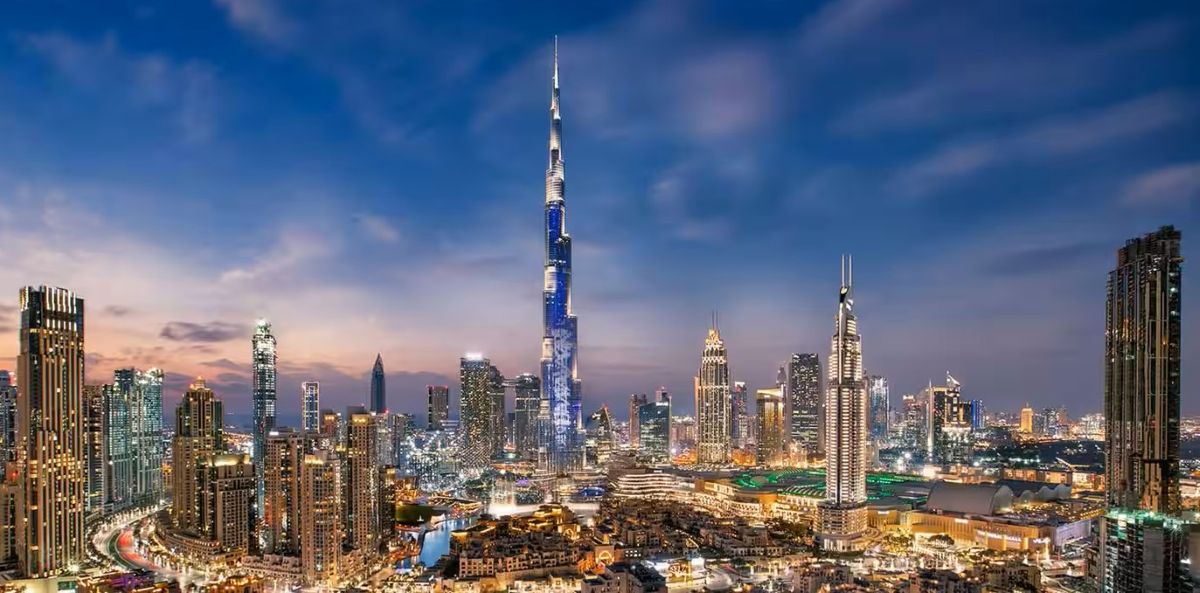
Who would have guessed a hot August desert breeze could feel so electric? Dubai just flipped the script on travel pulling off an amazing return that really makes you gasp. Rising above a low of 36 percent in winter, Dubai, the shining jewel of the United Arab Emirates climbed to a 66 percent hotel occupancy. With room inventories, near 149,000 and travelers arriving from every corner of the world this is not a market rebound. It is a unstoppable roar of human ambition proving that a city built on wild dreams never sleeps.
Why Did Dubai Achieve a Strenuous 66% Hotel Occupancy Rate in August Across Its Luxury Properties?
Advertisement
Advertisement
When high summer temperatures traditionally deter travelers from visiting the Arabian Peninsula, Dubai completely shattered conventional wisdom by registering a phenomenal 66% occupancy rate across its properties. This remarkable performance represents a major six-month high, bouncing back triumphantly from the challenging 36% low observed in March. Industry experts credit this unexpected spike to innovative domestic staycation incentives and aggressive promotional campaigns driven by the local tourism authorities.
Major hospitality operators throughout the United Arab Emirates (UAE) rolled out bespoke luxury packages that successfully captured regional and international wanderlust alike. The relentless drive to position Dubai as a year-round destination has fundamentally rewritten traditional seasonal travel patterns across the wider Middle East.
Advertisement
Advertisement
How Is the Rapidly Expanding Hotel Inventory Approaching 149,000 Rooms Shaping the Future of UAE Tourism?
As construction cranes continue to shape the ever-evolving skyline of the UAE, the total hotel inventory in Dubai has surged to approach a massive 149,000 rooms. This impressive expansion reflects profound investor confidence and an unwavering commitment to meeting soaring global accommodation demands across every conceivable market segment. This exponential growth in room supply effectively prevents inflationary pricing spikes, ensuring that the emirate remains exceptionally competitive against rival tourism capitals worldwide.
Advertisement
Advertisement
Moreover, this diverse portfolio of accommodations allows the city to seamlessly cater to high-spending corporate executives and adventurous leisure seekers exploring the vibrant streets of Dubai. Consequently, property developers across the United Arab Emirates (UAE) are continually redefining architectural boundaries to deliver immersive hospitality experiences that set new global standards.
Which International Regions and Source Markets Are Fueling This Phenomenal Tourism Boom in Dubai?
Understanding the heartbeat of the local tourism economy requires a close look at the diverse nationalities flocking to the dazzling shores of Dubai during the initial eight months. Western Europe triumphantly claimed the top spot as the largest source region, contributing a dominant 20% of all international visitations to the glittering emirate. Close behind, vibrant cultural ties and robust aviation connectivity propelled South Asia to secure 17% of the tourist share, while neighboring GCC nations accounted for a robust 16% of arrivals.
Additionally, emerging markets from CIS and Eastern Europe demonstrated immense loyalty by capturing a solid 14% share of the international tourist demographic in Dubai. This cosmopolitan mix of global travelers transforms famous commercial districts and pristine beaches in the UAE into a vibrant cultural melting pot where East seamlessly meets West.
What Is the Profound Socio-Economic Impact of Travel and Tourism on the Infrastructure and Economy of Dubai?
The staggering tourism metrics recorded in Dubai are not merely numbers on a spreadsheet, but rather a powerful testament to the transformative socio-economic engine of travel and tourism in the UAE. A thriving hospitality sector directly generates hundreds of thousands of jobs, stimulates retail ecosystems, and accelerates infrastructural developments across the entire Middle East. Every single visitor checking into a hotel room contributes significantly to local employment, aviation growth, and foreign direct investment within Dubai.
Advertisement
Advertisement
Furthermore, this continuous influx of global capital enables the government of the United Arab Emirates (UAE) to heavily fund pioneering smart-city initiatives, sustainable green energy projects, and world-class public transport systems. Ultimately, the relentless success of the tourism industry ensures that Dubai remains an unstoppable global economic titan and an enduring beacon of innovation.
How Do Total Occupied Room Nights and Monthly Visitor Arrivals Quantify Dubai’s Massive August Hospitality Milestone?
Dubai hotels recorded an astonishing 21.61 million occupied room nights between January and August, while August alone attracted 869,000 international overnight visitors, representing the highest single-month arrival volume since February. This phenomenal volume underscores the enduring appeal of the United Arab Emirates (UAE) as a premier global destination, proving that summer heat cannot dampen tourist enthusiasm. Strategic marketing efforts across Dubai have successfully transformed traditional seasonal slowdowns into periods of continuous high-volume engagement.
Cumulative room nights and surging monthly visitor counts underpin the remarkable 66% occupancy rate, showcasing sustained guest volume despite summer seasonality. Industry analysts point out that meticulous data tracking allows local authorities in Dubai to tailor their promotional strategies precisely to changing international travel trends. Consequently, visitor numbers continue to soar across the emirate year after year.
What Role Do Upper Midscale Properties and Diverse Market Segments Play in Balancing Dubai’s Hotel Pricing Ecosystem?
Upper Midscale hotels across Dubai captured leading occupancy rates of nearly 66% during the mid-year evaluation, proving that budget-conscious and mid-tier accommodations are driving resilient volume alongside ultra-luxury resorts. This impressive market balance ensures that the wider United Arab Emirates (UAE) hospitality sector remains accessible to a diverse array of global travelers. Diverse property portfolios protect the destination from over-reliance on a single high-spending demographic.
Advertisement
Advertisement
Asset diversification across different star ratings protects the wider United Arab Emirates (UAE) hospitality market from inflationary volatility and appeals to a broader demographic. Property developers in Dubai continuously invest in mid-scale establishments to capture the growing middle-class segment of international tourists. This thoughtful segmentation ensures long-term economic stability for the entire regional travel ecosystem.
In What Ways Are Strategic Aviation Expansions and Global Flight Connectivity Accelerating Inbound Tourism Growth?
Major carriers and airport hubs like Dubai International (DXB) and Dubai World Central (DWC) coordinated global flight resurgences, facilitating seamless entry for millions of passengers across more than 200 global destinations. These continuous infrastructural enhancements ensure that travelers from every corner of the planet can reach the United Arab Emirates (UAE) with absolute ease. World-class aviation networks serve as the primary lifeblood of the local tourism economy in Dubai.
The direct correlation between aviation route restorations, seat capacity increases, and the steady influx of visitors from Western Europe, South Asia, and the GCC remains undeniable. Strategic partnerships between airlines and tourism boards in Dubai have unlocked new source markets and accelerated flight frequencies. This seamless connectivity solidifies the emirate’s status as the ultimate global aviation crossroads.
How Does the Ambitious D33 Economic Agenda Fuel Investor Confidence and Accelerate Long-Term Hotel Inventory Growth?
Driven by strategic visions like the Dubai Economic Agenda (D33), the emirate’s total room inventory scaled toward 149,000 rooms distributed across hundreds of active properties. This massive expansion reflects profound investor trust in the long-term economic trajectory of the United Arab Emirates (UAE). Forward-thinking government policies continue to attract multi-billion-dollar investments into the hospitality sector of Dubai.
Advertisement
Advertisement
Long-term government blueprints incentivize multi-billion-dollar real estate investments, ensuring that hospitality supply scales efficiently ahead of future demand spikes. Real estate developers across Dubai are introducing innovative architectural marvels that redefine modern luxury and lifestyle accommodations. This continuous growth guarantees that the city will comfortably host tens of millions of visitors in the coming decades.
What Economic Impact Do Regional Visitors from the GCC and Emerging CIS Markets Have on Retail and Luxury Spending?
Regional GCC visitors accounted for 16% of total tourist distribution, while CIS and Eastern Europe contributed a robust 14%, generating high per-capita spending metrics across luxury malls, dining, and entertainment complexes. These neighboring and emerging source markets bring immense purchasing power, heavily stimulating the retail and hospitality sectors throughout Dubai. Proximity and cultural affinity make the United Arab Emirates (UAE) a perennial favorite for repeat regional travelers.
The distinct spending behaviors of neighboring and emerging market segments highlight how regional travel proximity cushions the emirate during traditional shoulder seasons. High-end boutiques, fine-dining establishments, and entertainment venues across Dubai thrive on the steady patronage of these affluent visitors. Their substantial economic contribution reinforces the resilient financial foundation of the local tourism landscape.
How Are Indoor Entertainment Hubs and Innovative Summer Staycation Strategies Neutralizing Seasonal Weather Dips?
Domestic staycations surged by over 25% during peak summer months, supported by world-class indoor attractions such as climate-controlled theme parks, mega-malls, and multi-use entertainment arenas. These visionary urban developments ensure that visitors to Dubai enjoy a vibrant, action-packed itinerary regardless of external weather conditions. Local residents and regional tourists eagerly embrace these air-conditioned oases across the United Arab Emirates (UAE).
Advertisement
Advertisement
Creative urban planning and marketing shifts have successfully turned summer heat from a tourist deterrent into a thriving indoor leisure economy within Dubai. Immersive indoor entertainment ecosystems provide endless recreation, transforming seasonal challenges into unique commercial opportunities. This adaptability sets a benchmark for tourism management in desert climates worldwide.
What Are the Long-Term Employment and Foreign Direct Investment Projections Stemming From Dubai’s Thriving Tourism Boom?
The tourism and hospitality sectors directly and indirectly support over 700,000 jobs across the local economy, injecting billions in foreign direct investment (FDI) into the UAE GDP. This massive labor market multiplier effect creates stable, rewarding career paths for professionals living in Dubai. Sustained high hotel occupancy rates translate directly into flourishing commercial enterprises throughout the United Arab Emirates (UAE).
High hotel occupancy rates translate into widespread career creation and infrastructural development across Dubai. Foreign investors view the local tourism market as one of the safest and most profitable ventures globally. This continuous influx of capital guarantees a prosperous and innovative future for the regional economy.
How Are Sustainable Tourism Initiatives and Green Building Standards Shaping the Future of Accommodation in Dubai?
Over 40% of Dubai’s hotel inventory has implemented certified green building or energy-saving frameworks in alignment with the Dubai Sustainable Tourism (DST) initiative. Hoteliers across the United Arab Emirates (UAE) are rapidly adopting eco-friendly technologies to minimize environmental footprints without compromising luxury standards. Sustainability has become a core pillar of modern hospitality development in Dubai.
Advertisement
Advertisement
Rising demand for eco-conscious travel is shaping the future of accommodation as modern hotels reduce carbon footprints while maintaining ultra-luxury standards for international guests. Eco-friendly practices such as water conservation, solar power integration, and waste reduction are now standard across top properties in Dubai. This green transformation ensures responsible tourism growth for generations to come.
The Final Verdict
Who would have thought a scorching desert month could rewrite travel history? Seeing Dubai bounce back to a 66% hotel occupancy in August feels nothing short of magical. Backed by 149,000 rooms and a vibrant mix of wanderers from Western Europe, South Asia, the GCC and beyond this city proves that passion always outshines the heat. The real magic here isn’t, in the luxury or the numbers it is the heartbeat of a community refusing to slow down. Dubai doesn’t just build destinations; it crafts dreams that capture our imagination forever.
Frequently Asked Questions
- What was the hotel occupancy rate in Dubai during August? Dubai recorded a strong hotel occupancy rate of 66% in August, marking a significant six-month high and a major recovery from 36% in March.
- How large is the current hotel room inventory in Dubai? The total hotel inventory in Dubai has expanded rapidly, approaching nearly 149,000 rooms across various luxury and lifestyle segments.
- Which region contributed the highest number of international visitors to Dubai? Western Europe remained Dubai’s largest source region during the first eight months, contributing 20% of total international visitation.
- What are the top source markets for Dubai tourism after Western Europe? Following Western Europe, South Asia contributed 17%, the GCC contributed 16%, and CIS and Eastern Europe accounted for 14% of international arrivals.
Advertisement
