
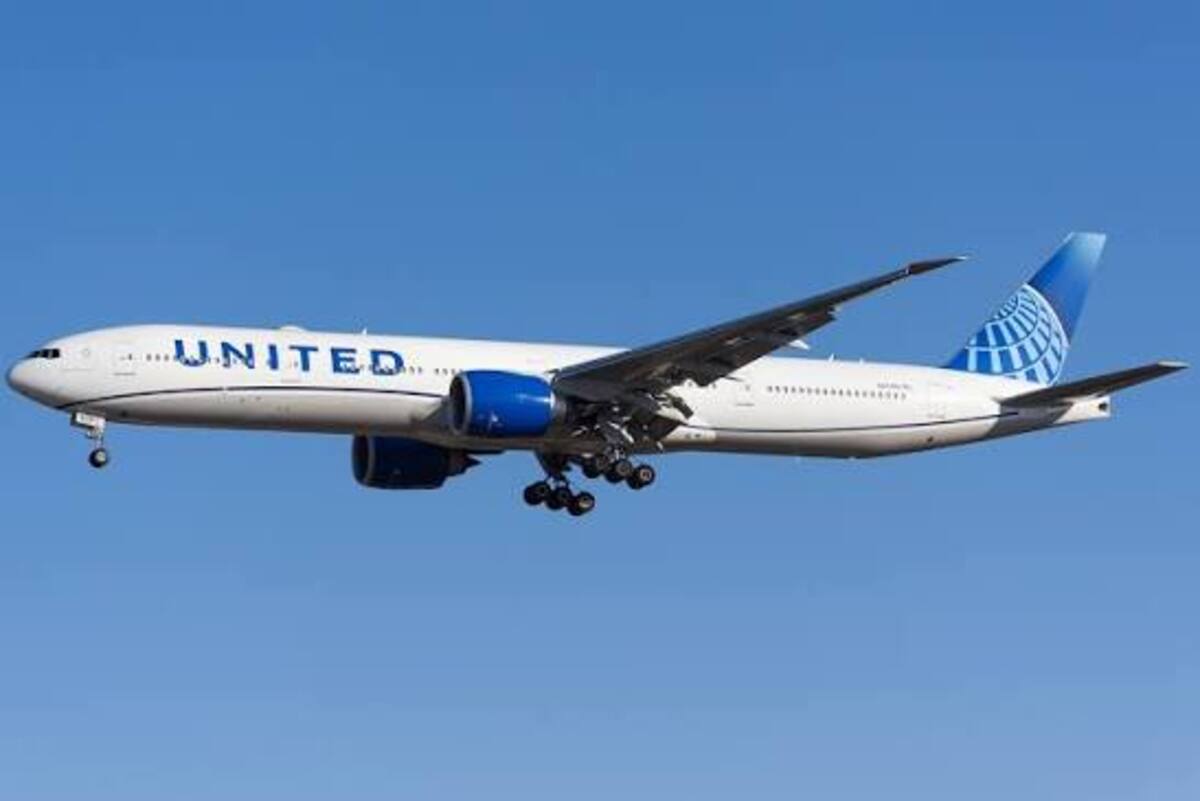
Image generated with Ai
United Airlines flight UA1505 travelling from Denver International Airport (DEN) to Newark Liberty International Airport (EWR) was diverted to Chicago O’Hare International Airport (ORD) on 28 July 2026, resulting in a delayed arrival and disruption for passengers.
United Airlines flight UA1505 from Denver International Airport (DEN) to Newark Liberty International Airport (EWR) was diverted to Chicago O’Hare International Airport (ORD) on Tuesday, 28 July 2026, after the Airbus A321neo operating the service changed its planned route during the journey. The aircraft, registered as N54525, landed at Chicago O’Hare instead of continuing directly towards New York, creating a delay for passengers expecting to arrive at Newark.
Advertisement
The flight departed from Denver International Airport at 5:09 PM MDT from Gate B18 and arrived at Chicago O’Hare International Airport Gate C16 at 9:38 PM CDT, approximately three hours and three minutes behind schedule. The diversion added significant travel time for passengers and required United Airlines teams to manage the operational changes before completing the journey.

Image generated with Ai
United Airlines flight UA1505 was scheduled to operate a direct domestic service between Denver and Newark, connecting two of the airline’s major US hubs. However, during the flight, the aircraft was diverted away from its original route and redirected to Chicago O’Hare International Airport, one of the busiest aviation facilities in the United States.
Advertisement
The specific reason for the diversion was not publicly confirmed, but airlines regularly redirect flights for operational reasons, including technical assessments, weather-related concerns, air traffic restrictions, medical situations, or other safety-related requirements. A diversion decision is generally made to protect passengers, crew members, and aircraft operations when continuing towards the original destination is not considered the most suitable option.
Chicago O’Hare was selected as the alternative airport because of its extensive airline infrastructure, multiple runways, maintenance capabilities, and strong United Airlines presence. As one of United’s largest hubs, ORD provides the resources required to handle unexpected aircraft movements and passenger support requirements.
Passengers travelling on United Airlines UA1505 (UAL1505) experienced a major change to their planned journey after the aircraft landed in Chicago instead of Newark. Travellers who expected a direct connection between Denver and the New York metropolitan area faced additional waiting time as airline teams worked through the operational disruption.
The flight arrived at Chicago O’Hare at 9:38 PM CDT, with the aircraft reaching the airport more than three hours later than its scheduled timing. The delay affected passengers’ arrival plans, particularly those with onward transportation arrangements, business commitments, hotel bookings, or connecting travel plans from Newark.
Flight diversions can create complex challenges because airlines must coordinate aircraft positioning, crew availability, airport gates, passenger communication, and possible onward arrangements. Although the aircraft landed safely, the diversion demonstrated how quickly an unexpected operational change can affect hundreds of travellers.
Chicago O’Hare International Airport plays a vital role in the US aviation network and frequently supports airlines during irregular operations. Its position as a major domestic and international hub allows airlines to handle diverted aircraft more effectively compared with airports with fewer facilities.
For United Airlines, Chicago O’Hare is particularly important because it serves as one of the carrier’s largest operational bases. The airport offers extensive ground support, maintenance facilities, passenger services, and aircraft management capabilities that help airlines respond to unexpected situations.
When flights are diverted, choosing an airport with strong operational resources can reduce further disruption. Chicago O’Hare’s ability to accommodate additional aircraft movements makes it a practical alternative location for carriers managing schedule changes.
The diversion of United Airlines flight UA1505 highlights the importance of major aviation hubs in maintaining network stability. These airports act as critical support points when airlines face unexpected operational challenges.
Flight diversions remain relatively uncommon, but they are an essential part of airline safety procedures. Modern aviation systems are designed with flexibility, allowing airlines to make route changes whenever continuing the original journey may create additional risks or operational difficulties.
On busy domestic routes such as Denver to Newark, airlines manage complex schedules involving aircraft rotations, crew duty limits, airport capacity, and weather conditions. Any disruption affecting one aircraft can influence wider airline operations throughout the day.
Possible causes of diversions include severe weather near the destination airport, technical inspections, passenger medical emergencies, security concerns, or temporary airport restrictions. Airlines typically evaluate multiple factors before deciding whether a flight should continue, return, or land at an alternative airport.
For passengers, a diversion can be frustrating, but it is primarily a safety and operational decision designed to ensure the journey continues under suitable conditions.
Passengers affected by flight diversions should rely on official airline updates and airport announcements for the latest information. Airlines usually provide revised schedules, gate details, and onward travel instructions once the aircraft reaches the diversion airport.
Travellers should keep mobile devices charged, check airline applications, monitor notifications, and remain in contact with airline representatives at the airport. Having flexible travel plans can also help reduce stress when unexpected changes occur.
The United Airlines UA1505 diversion from Denver to Chicago shows why passengers should consider possible delays when travelling through major aviation hubs. While disruptions cannot always be predicted, staying informed allows travellers to respond more effectively.
The diversion of United Airlines UA1505 (UAL1505) represents the wider operational challenges faced by airlines managing thousands of daily flights across the United States. Large carriers depend on carefully coordinated networks where aircraft, crews, airports, and air traffic systems must operate together.
Denver and Newark are both important aviation gateways, serving large passenger markets and connecting travellers across domestic and international routes. A disruption between these airports can have wider effects on aircraft availability and passenger schedules.
However, the ability to redirect the aircraft safely to Chicago O’Hare demonstrates the resilience of modern airline operations. Strong hub networks, experienced airline teams, and advanced operational systems allow carriers to manage unexpected events while prioritising passenger safety.
The United Airlines UA1505 diversion ultimately highlights how aviation networks adapt when flights cannot follow their original plans, ensuring that passengers and aircraft remain supported during unexpected disruptions.
Advertisement
Tags: airline operational disruptions, Chicago O’Hare Airport Disruption, Denver Newark Flight Diversion, United Airlines Flight UA1505, US flight Delays
Advertisement
Advertisement













Saturday, September 5, 2026

Friday, September 4, 2026

Saturday, September 5, 2026

Saturday, September 5, 2026

Thursday, September 3, 2026

Wednesday, September 2, 2026

Saturday, September 5, 2026

Saturday, September 5, 2026


