

Turkey’s Istanbul Aviation Summit Tackles GPS Disruption and Flight Safety Risks

Published
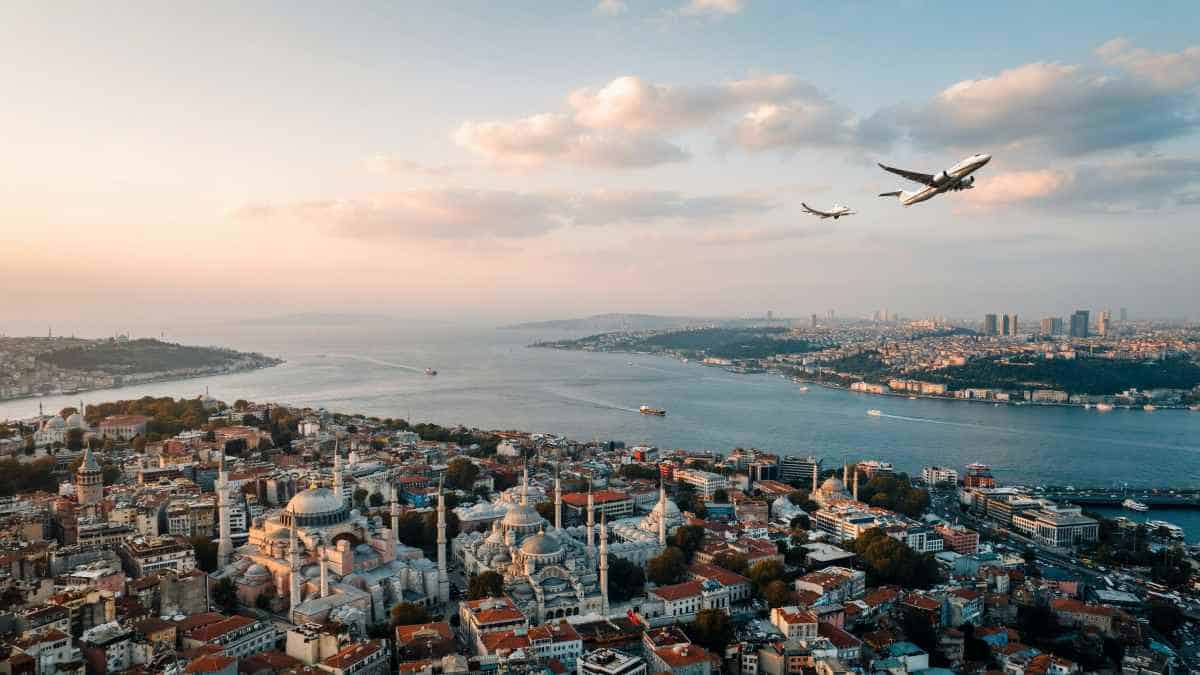
IATA’s WSOC conference was held in Turkey from 6 to 8 October 2026 in Istanbul, where aviation leaders, regulators, and experts in aviation safety came to discuss various threats in international flight operations. Organised by Turkish Airlines, this event is devoted to the problems of aviation safety, operational resilience, crisis management, and people in today’s flight environments. It has relevance for the tourism sector since international flights unite vacationers with the resort destinations around the world. Various problems with navigation, geopolitical conflicts, and other factors may impact flight planning and routes to resorts. Still, it is important to understand that this event is intended for discussion rather than implementation of some mandatory rules for all airlines.
GPS Interference and Conflict Zone Risks Take Centre Stage
Global Navigation Satellite System (GNSS) interference has become an important concern for airlines operating near areas affected by geopolitical tensions. GNSS includes satellite navigation systems used to help aircraft determine their position, while GPS is one of those systems.
Advertisement
Advertisement
Jamming can disrupt satellite signals, while spoofing can provide misleading navigation information. These incidents can complicate flight operations and require crews and operators to rely on established procedures and alternative navigation capabilities.
For passengers, the consequences depend on the location, severity and duration of an incident. Airlines may need to adjust routes, while air traffic management authorities can issue operational guidance or restrictions when required. Such measures may increase journey times or affect connecting schedules, although GNSS interference does not automatically result in a flight cancellation.
Advertisement
Advertisement
IATA identified emerging risks, including GNSS interference near conflict zones, among the issues being examined at the 2026 conference. The wider discussion centred on how aviation professionals can identify threats, share information and respond appropriately when normal operations are affected.
Artificial Intelligence and Airline Operations
Artificial intelligence is becoming an increasingly relevant tool in aviation operations, including the analysis of operational information and the identification of emerging risks. At the Istanbul conference, IATA highlighted the relationship between technology, data, automation and the people responsible for making safety-critical decisions.
Advertisement
Advertisement
AI-assisted systems can help teams process large amounts of information, identify patterns and support operational planning. Their usefulness depends on reliable data, appropriate system design and human oversight.
For airlines, these capabilities may support decisions involving flight planning, disruption management and the assessment of operational risks. However, AI does not independently guarantee safer flights or eliminate the possibility of delays. Safety procedures, trained personnel and established decision-making responsibilities remain essential.
Advertisement
Advertisement
The conference theme, “Performance Through People”, reflected IATA’s emphasis on the human contribution to aviation safety. The association highlighted training, knowledge transfer and the importance of a safety culture in which employees can report hazards, errors and near misses.
Why Aviation Safety Matters for International Tourism
Istanbul is an important international aviation hub linking Europe and Asia, with connections serving travellers from multiple regions. Its airports support tourism to Turkey as well as onward journeys to destinations across Europe, the Middle East, Africa and Asia.
The city’s international connections help visitors reach attractions such as Hagia Sophia, the Blue Mosque, the Grand Bazaar and the Bosphorus waterfront. Istanbul also serves as a gateway for travellers continuing to Turkey’s Mediterranean coast, Cappadocia and other destinations.
For tourists, operational safety measures are generally invisible when flights proceed normally. However, when airlines encounter navigation interference or security concerns, precautionary routing changes can affect schedules and connections.
Advertisement
Advertisement
Passengers travelling on itineraries involving multiple flights should allow sufficient connection time and monitor airline notifications when operating conditions change. Travellers with time-sensitive bookings, including tours and onward transfers, should check their reservations if a flight schedule is revised.
The conference did not announce a blanket change to passenger itineraries or confirm that widespread routing delays would follow. Any effects on individual journeys would depend on operational conditions and decisions taken by airlines and aviation authorities.
Istanbul’s Role in Global Aviation
It is interesting that Turkey was selected in light of its location as the meeting point between various travel routes in the world. The event united industry players to discuss their experience in issues related to safety, cabin services, maintenance, flights, and crisis management. The IATA agenda consisted of over 45 hours of various discussions in four streams in order to help aviation professionals find solutions to emerging challenges. Reliability of air links for the development of Turkey’s tourism sector is one of the key factors in attracting tourists, while cooperation on aviation safety may strengthen the reliability of these links. However, whether it makes any sense in practice will be determined by how recommendations are put into effect by individual airlines, regulators, and others involved in aviation. The event was completed on 8 October, and the future actions of travellers will be determined not only by the event itself.
Advertisement
