



































Minnesota Rallies Alongside Georgia and More as 100 Million-Plus Passenger Hubs Enter a New Airline Cost Battle

Published
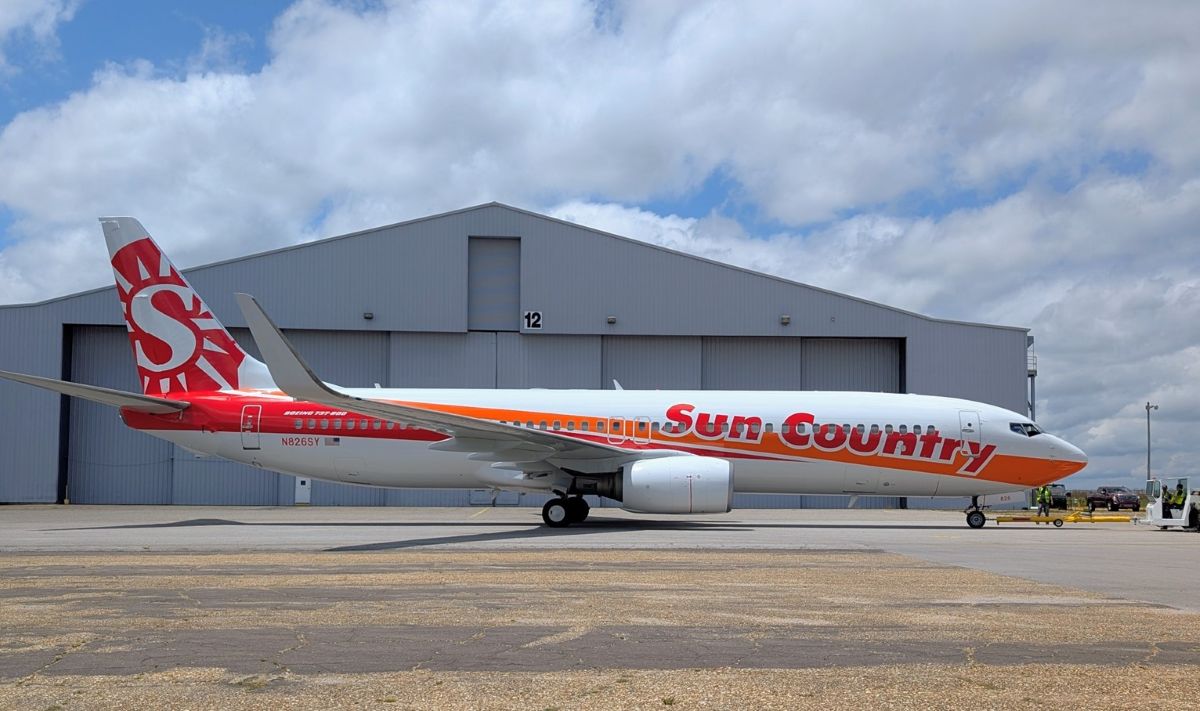
Minnesota Rallies Alongside Georgia and More as 100 Million-Plus Passenger Hubs Enter a New Airline Cost Battle as major US aviation centres face increasing pressure from rising fuel costs, capacity adjustments and changing operational strategies. The reason behind this shift is the growing challenge for airlines to maintain connectivity while controlling one of their largest expenses. Minnesota, through Minneapolis–Saint Paul International Airport (MSP), joins major aviation states such as Georgia, home to the world’s busiest airport by passenger traffic, as airlines review schedules and improve efficiency. With major hubs handling millions of travellers every year, the impact of fuel prices, route decisions and airport operations becomes increasingly significant. As 100 Million-Plus Passenger Hubs Enter a New Airline Cost Battle, carriers are focusing on smarter capacity planning, stronger-performing routes and operational flexibility to support future air travel demand.
Why Is MSP Airport Facing Increased Pressure During Busy Travel Weekends?

Minneapolis–Saint Paul International Airport plays an important role in Minnesota’s aviation network and becomes especially busy during major travel periods.
MSP connects:
- domestic travellers;
- international visitors;
- business passengers;
- holiday travellers.
The airport handled approximately 36 million passengers in 2025, making it one of the busiest airports in the Upper Midwest.
MSP is also a major hub for Delta Air Lines and an important base for Sun Country Airlines, increasing the importance of smooth operations.
During peak travel weekends, higher passenger numbers can create additional pressure on:
| Airport Area | Possible Challenge |
|---|---|
| Check-in | Longer queues |
| Security | Increased waiting times |
| Baggage systems | Higher demand |
| Aircraft operations | Faster turnaround requirements |
| Parking | Increased congestion |
Although no major Minnesota-specific disruption has been confirmed, busy periods require careful planning from both airlines and travellers.
Are Rising Fuel Costs Changing Airline Strategies Across the US?
Fuel prices remain one of the largest operating expenses for airlines, influencing how carriers plan routes and schedules.
Across the US aviation sector, airlines have been reviewing operations as higher costs affect profitability.
Major carriers have focused on:
- improving efficiency;
- adjusting capacity;
- prioritising stronger routes;
- managing expenses.
Possible passenger impacts include:
| Airline Change | Traveller Impact |
|---|---|
| Capacity adjustments | Fewer options on selected routes |
| Schedule changes | Different departure times |
| Higher operating costs | Possible fare pressure |
| Route reviews | Changes in future availability |
Airlines generally protect high-demand markets while reviewing routes that face greater financial pressure.
For Minnesota travellers, broader airline decisions could influence schedules, connections and future route availability through MSP.
Could Minnesota Weather Affect Airline Operations?
Weather remains one of the most important factors affecting Minnesota aviation, especially during colder months.
The state’s winter conditions can create challenges including:
- snowfall;
- ice accumulation;
- aircraft de-icing;
- runway management;
- ground transportation delays.
At major airports, even short weather interruptions can create wider effects because aircraft and crews operate across multiple flights each day.
Travellers flying through MSP can reduce disruption risks by:
- checking forecasts before departure;
- monitoring airline notifications;
- allowing additional connection time;
- arriving earlier at the airport.
Minnesota’s changing weather patterns mean passengers should remain prepared, particularly during periods of high travel demand.
Are Air Traffic Management Challenges Affecting US Flight Reliability?
Air traffic management remains another factor influencing airline operations across the United States.
Challenges involving:
- controller availability;
- air traffic flow management;
- network congestion;
- operational coordination;
can affect airports nationwide.
When air traffic restrictions occur, airlines may experience:
- departure delays;
- arrival holding;
- aircraft repositioning issues;
- crew scheduling challenges.
Because MSP operates as a major connecting airport, wider US aviation disruptions can influence flights passing through Minnesota.
Airlines and airport authorities continue focusing on operational coordination to maintain reliability during high-demand travel periods.
What Should Minnesota Travellers Do Before Flying?
Passengers can reduce the impact of possible disruptions through careful preparation.
Important steps include:
Check Flight Updates
Airlines provide real-time notifications through mobile applications and websites.
Arrive Early
Busy travel periods can increase waiting times for parking, check-in and security.
Allow More Connection Time
Extra time can help protect against delays when travelling through major hubs.
Keep Essential Items Accessible
Important documents, medication and valuables should remain in carry-on luggage.
Monitor Weather Conditions
Minnesota weather can change quickly, especially during colder seasons.
What Is the Future Outlook for Minnesota Air Travel?
Minnesota remains a significant aviation market because of MSP’s strong airline network and regional importance.
The airport continues supporting millions of passengers while airlines adapt to wider industry pressures.
Key factors shaping future travel conditions include:
- fuel prices;
- airline capacity decisions;
- weather conditions;
- airport congestion;
- national aviation management.
The current concerns are linked mainly to broader US aviation challenges rather than a confirmed Minnesota-specific crisis.
Travellers can continue flying confidently by staying informed and preparing for possible changes during busy travel periods.
Top U.S. States Facing Similar Airline Pressure as Minnesota
| Rank | State | Major Airport(s) | Passenger Traffic Indicator | Main Airline Pressure Factors |
|---|---|---|---|---|
| 1 | Georgia | Hartsfield-Jackson Atlanta International Airport (ATL) | ATL handled 106.3 million passengers in 2025, the busiest airport in the world by passenger traffic | High passenger volume, Delta hub operations, fuel costs, air traffic congestion |
| 2 | Texas | Dallas/Fort Worth International Airport (DFW), Houston airports | DFW handled 85.7 million passengers in 2025 | Large connecting network, capacity management, weather disruptions |
| 3 | Illinois | Chicago O’Hare International Airport (ORD) | ORD handled about 84.9 million passengers in 2025 | Hub congestion, winter weather, airline schedule adjustments |
| 4 | Colorado | Denver International Airport (DEN) | DEN handled about 82.4 million passengers in 2025 | Weather delays, high passenger demand, mountain-region weather |
| 5 | California | Los Angeles International Airport (LAX), San Francisco International Airport (SFO) | LAX handled about 73.7 million passengers in 2025 | International capacity pressure, fuel costs, congestion |
| 6 | Florida | Orlando International Airport (MCO), Miami International Airport (MIA) | MCO handled about 57.7 million passengers, MIA about 55.3 million passengers in 2025 | Tourism demand, storms, high seasonal traffic |
| 7 | North Carolina | Charlotte Douglas International Airport (CLT) | CLT handled about 53.6 million passengers in 2025 | Hub dependency, connecting traffic pressure |
| 8 | Washington | Seattle-Tacoma International Airport (SEA) | SEA handled more than 52 million passengers in 2025 | International traffic, weather and capacity constraints |
| 9 | Arizona | Phoenix Sky Harbor International Airport (PHX) | PHX handled about 51.6 million passengers in 2025 | Extreme heat, aircraft performance issues, passenger growth |
| 10 | New York | JFK, LaGuardia, Newark (NY/NJ region) | JFK handled about 62.6 million passengers in 2025 | Air traffic congestion, airport capacity limit |
Why Are These States Experiencing Airline Pressure?
1. Rising Jet Fuel Costs Affecting Airline Networks
Fuel remains one of the largest expenses for airlines. Recent increases have pushed major carriers to reconsider route profitability and adjust capacity plans.
American Airlines, United Airlines and Southwest Airlines have announced schedule adjustments linked to higher fuel costs, with airlines focusing on stronger-performing routes while reviewing less profitable services.
States with major airline hubs are more exposed because:
- more flights operate daily;
- more aircraft depend on fuel availability;
- schedule changes affect larger passenger groups.
2. Major Airport Hubs Face Greater Operational Pressure
States such as Georgia, Texas, Illinois and Colorado rely heavily on large connecting airports.
For example:
- Atlanta (ATL) is a major Delta Air Lines hub.
- Dallas/Fort Worth (DFW) is a key American Airlines hub.
- Chicago O’Hare (ORD) supports major United and American operations.
- Denver (DEN) is a significant connecting point.
High passenger volumes create additional pressure on:
- terminals;
- runways;
- baggage systems;
- aircraft turnaround times.
3. Weather Creates Additional Airline Risks
Several states face weather-related operational challenges similar to Minnesota.
| State | Weather Challenge |
|---|---|
| Minnesota | Snow, ice and winter storms |
| Colorado | Snow and mountain weather |
| Illinois | Winter storms and low temperatures |
| Texas | Thunderstorms and extreme heat |
| Florida | Hurricanes and severe storms |
| Arizona | Extreme summer temperatures |
Weather disruptions can create wider network problems because aircraft and crews often operate multiple flights across different states.
4. Air Traffic Management Challenges Affect Major Aviation States
Air traffic control pressure can affect airports nationwide. The FAA has been working on modernising air traffic management systems amid concerns about delays, staffing and operational efficiency.
Large aviation markets are especially sensitive because delays at one major hub can spread across the national network.
Which States Are Most Similar to Minnesota’s Airline Situation?
Minnesota’s situation is most comparable to states with:
- large hub airports;
- major airline bases;
- high passenger volumes;
- strong seasonal weather impacts.
The closest comparisons include:
| State | Similarity With Minnesota |
|---|---|
| Colorado | Weather challenges and major hub airport |
| Illinois | Winter climate and hub operations |
| Georgia | Large airline hub dependence |
| Texas | High traffic and capacity management |
| North Carolina | Connecting-hub operations |
What Should Travellers Watch During Busy Travel Periods?
Passengers travelling through major U.S. airports should monitor:
- airline schedule updates;
- airport announcements;
- weather forecasts;
- connection times;
- possible capacity changes.
Airline pressure does not mean all flights will face disruption. However, busy hubs and high-demand travel periods require greater operational coordination.
Key Takeaway
Minnesota’s airline pressures reflect a wider U.S. aviation trend affecting states with major airports and airline hubs. Georgia, Texas, Illinois, Colorado, California, Florida and North Carolina face similar challenges because of rising fuel costs, passenger demand, capacity adjustments and operational complexity.
While no single state is experiencing the same conditions, the broader aviation environment is forcing airlines and airports across America to focus on efficiency, flexible scheduling and improved operational planning.
Frequently Asked Questions
Why is MSP Airport important for Minnesota travel?
MSP is the state’s main aviation gateway and handles more than 36 million passengers annually.
Are Minnesota flights being cancelled because of fuel costs?
No major Minnesota-specific cancellations have been confirmed due to fuel costs, but airlines are reviewing capacity across their networks.
Which airlines are important at MSP?
Delta Air Lines and Sun Country Airlines are among the major carriers operating at MSP.
Can weather affect Minnesota flights?
Yes. Snow, ice and winter conditions can influence airport operations.
How can travellers prepare?
Passengers should monitor flight updates, arrive early and check weather conditions.
Conclusion
Minnesota Rallies Alongside Georgia and More as 100 Million-Plus Passenger Hubs Enter a New Airline Cost Battle reflecting a wider transformation across the US aviation industry. The cause behind this development is the pressure created by fuel expenses, rising operational costs and the need to manage capacity efficiently across some of America’s busiest airports. The answer lies in airlines adopting flexible strategies, including route optimisation, fleet efficiency and careful schedule management. As Minnesota Rallies Alongside Georgia and More, major passenger hubs continue adapting to changing conditions while supporting millions of travellers. The New Airline Cost Battle is not about stopping connectivity but about creating more sustainable operations. With passenger demand remaining important, airports and airlines are focusing on efficiency, reliability and improved planning to navigate the evolving aviation environment.
