
France Targets Record Tourism Revenue In 2026

Published
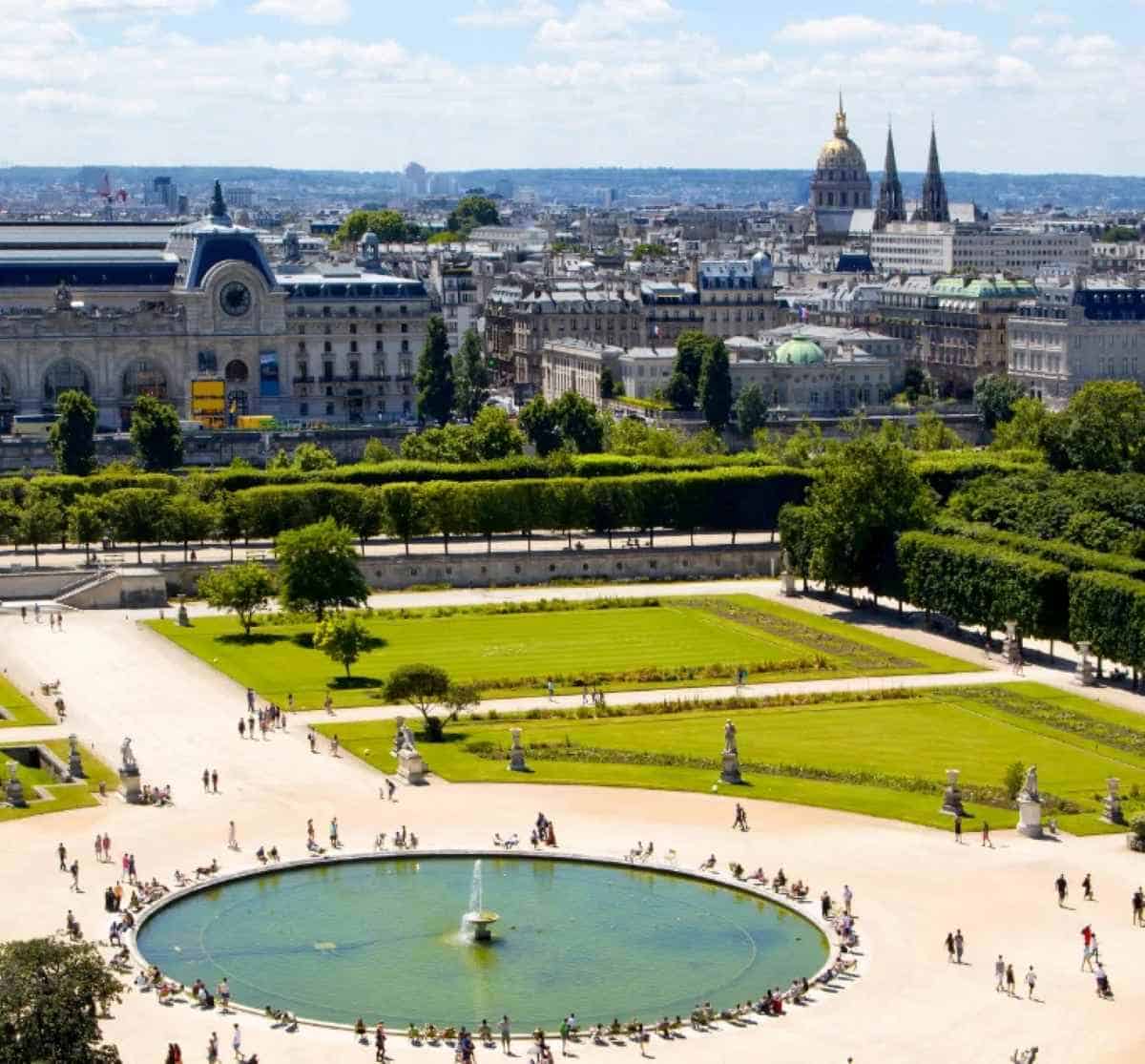
In France, Paris as well as other destinations across the nation are set to see another record-breaking year for tourism earnings from abroad, with tourist spending expected to total €80 billion in 2026. Tourism in France has been fueled by high spending from tourists travelling from afar as well as from neighbouring European countries.
Tourism Receipts Continue To Rise
France’s international tourism performance has remained strong through the first part of 2026, with July foreign tourism receipts reaching €9.4 billion.
Advertisement
Advertisement
The monthly figure represented a 3.7% increase compared with July of the previous year and contributed to expectations that annual international tourism revenue could reach €80 billion.
Tourism receipts measure spending by international visitors during their stays, covering areas such as accommodation, restaurants, shopping, transport, cultural attractions and leisure activities.
Advertisement
Advertisement
For France, the continued growth provides an indication that international visitors are not only arriving in large numbers but are also generating significant spending across the visitor economy.
Advertisement
Advertisement
Paris Remains A Major Tourism Engine
Paris continues to play a central role in France’s international tourism performance.
The capital attracts visitors for its museums, architecture, fashion, food, cultural institutions and major landmarks. The Louvre, Eiffel Tower, Notre-Dame area, Montmartre and the Seine remain key components of the city’s tourism offering.
International travellers often use Paris as the starting point for wider French itineraries, combining the capital with destinations in the regions.
Advertisement
Advertisement
This creates tourism spending beyond accommodation in the city, with visitors continuing towards the French Riviera, Provence, Loire Valley, Bordeaux and other parts of the country.
Long-Haul Visitors Support Higher Spending
Visitors arriving from the United States, Canada and Latin America are contributing to France’s tourism performance through longer international journeys and spending across multiple categories.
Advertisement
Advertisement
Long-haul travellers frequently combine several French destinations within a single trip, particularly when visiting Europe for the first time.
A visitor from North America might combine Paris with the French Riviera, while a Latin American traveller could include Provence or Bordeaux alongside the capital.
Longer stays can increase spending on accommodation, domestic transport, restaurants, shopping and cultural experiences.
European Neighbours Extend The Season
France’s proximity to Germany, the United Kingdom and the Netherlands provides another important source of international tourism demand.
Travellers from neighbouring markets can reach France by air, rail, road and ferry, making shorter holidays and repeat visits easier to arrange.
Advertisement
Advertisement
These visitors can also travel outside the traditional July and August peak, supporting the expansion of France’s shoulder-season tourism.
Autumn city breaks, wine trips, cultural holidays and countryside escapes can keep accommodation and attractions active after the main summer period.
The French Riviera Adds Luxury Demand
The French Riviera remains one of France’s strongest international tourism regions.
Nice, Cannes, Antibes, Saint-Tropez and Monaco’s surrounding travel network attract visitors interested in beaches, luxury hotels, dining, shopping, yachting and cultural experiences.
The region also benefits from international air connectivity through Nice Côte d’Azur Airport, allowing long-haul and European visitors to reach the Mediterranean coast without necessarily travelling through Paris.
Advertisement
Advertisement
For higher-spending visitors, the Riviera provides an extensive network of premium accommodation, restaurants and leisure activities.
Provence Broadens The Visitor Experience
Provence provides a different tourism proposition, combining historic towns, vineyards, countryside landscapes, food and cultural heritage.
Visitors can travel from Paris or the Mediterranean coast into destinations such as Avignon, Aix-en-Provence and smaller communities across the region.
The area is particularly attractive for travellers seeking slower itineraries and rural experiences, helping distribute tourism spending away from France’s largest cities.
Food and wine tourism also provide additional reasons for international visitors to extend their stays.
Advertisement
Advertisement
Rail Helps Connect The Country
France’s high-speed rail network supports multi-destination tourism by linking Paris with major regional cities.
Visitors can travel quickly between the capital and destinations including Lyon, Marseille, Bordeaux and the south of France.
This connectivity allows international tourists to create broader itineraries without relying entirely on domestic flights or car hire.
For tourism, the network also helps distribute visitor spending across hotels, restaurants, attractions and local businesses in regional destinations.
Shoulder Seasons Gain Importance
One of the notable features of France’s tourism performance is the continued importance of travel outside the peak summer months.
Advertisement
Advertisement
Long-haul visitors often plan extended European holidays, while travellers from neighbouring countries can take advantage of shorter journeys throughout the year.
This creates opportunities for destinations to attract visitors during spring and autumn, reducing dependence on the concentrated summer period.
Paris benefits from year-round cultural tourism, while regions such as Provence, Bordeaux and the French Riviera can offer different experiences across the seasons.
France’s Tourism Map Keeps Expanding
With €80 billion predicted to be earned through international tourism revenues, it is not simply a matter of numbers. The figure shows the economic significance of the spending by international visitors in hotels, food and beverages, transportation, shopping, entertainment and attractions. Despite the fact that Paris is the primary gateway for global tourists to France, other tourist destinations in the form of resorts in the Mediterranean, wine regions, historical cities, and rural areas are becoming increasingly significant. With the increasing number of international travellers coming in from North America, Latin America, and other neighbouring countries in Europe, the country has been receiving a large number of tourists. Considering that the month of July has already generated revenue of €9.4 billion, and the overall forecast for the year is estimated at €80 billion, France is set to make a historic year for its international tourism.
Advertisement
