
Ancient Rainforests and Island Adventures Make Sabah a Standout Escape for Every Traveller

Published
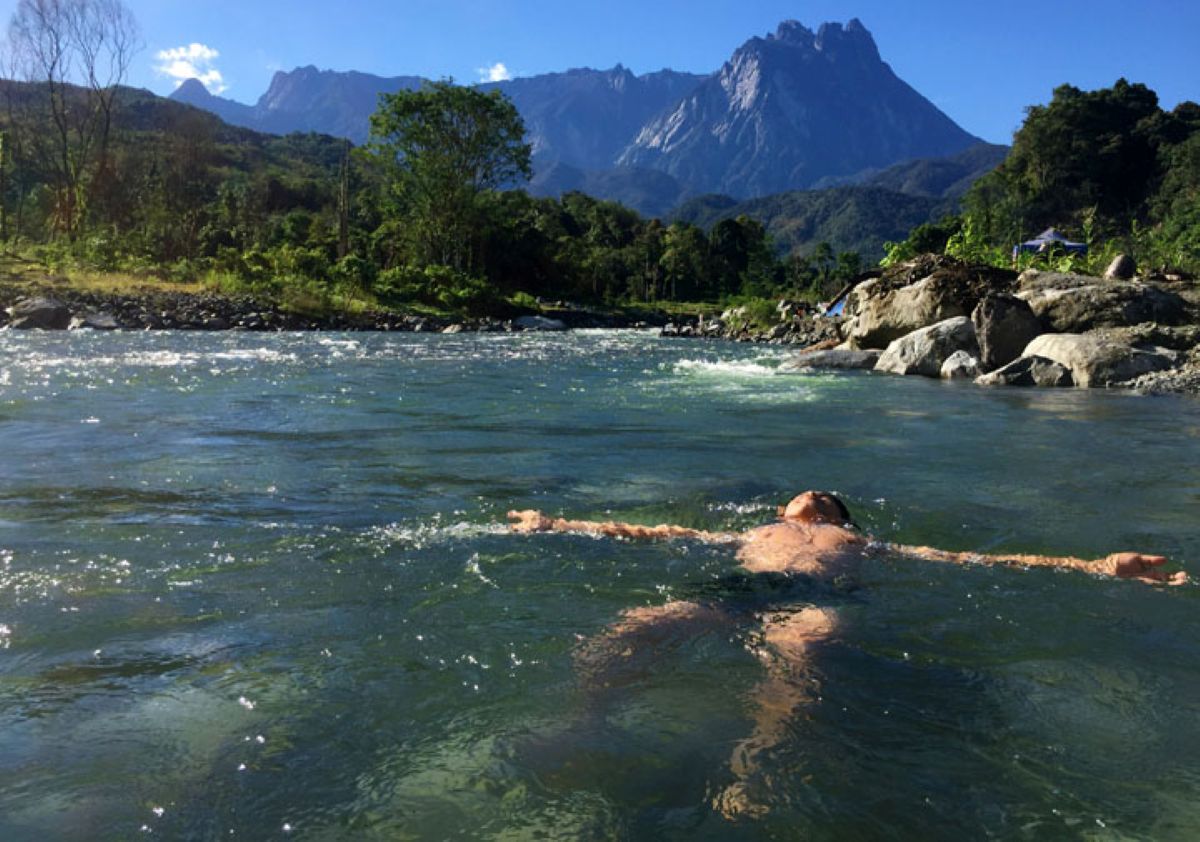
Sabah is positioning itself as a nature-rich destination for families, student groups, independent travellers and adventure seekers, with ancient rainforest, wildlife encounters, islands, snorkelling and diving at the centre of its tourism appeal.
Speaking during a travel industry interview in Hong Kong, Julie, representing Sabah tourism, said the Malaysian state offers a broad range of experiences rather than focusing on only one visitor segment. She said Sabah is suitable for families with young children, students seeking rainforest learning opportunities, solo travellers and visitors who want an active island holiday.
Sabah is located on the northern part of Borneo, one of the world’s most important nature regions. Its tourism offer combines rainforest landscapes, coastal experiences, local food and modern digital services. This mix gives travellers a chance to enjoy nature without giving up the convenience they expect when booking and planning a holiday.
At ITE Hong Kong 2026, Julie from WB Tours and Travels SDN BHD presented Sabah as a flexible Borneo nature destination for families, students, solo travellers and adventure seekers. The destination combines ancient rainforest experiences, wildlife encounters, island hopping, snorkelling and world-class diving around Sipadan and Mabul. Families can introduce children to nature, while study groups can explore rainforest biodiversity and conservation. Independent travellers can arrange much of their trip digitally, although guided bookings remain important for selected activities. Sabah also offers Malaysian food, modern e-payment facilities and a tourism experience designed around safe, organised and memorable exploration.
Advertisement
Advertisement
Rainforest and wildlife lead the Sabah experience
Nature remains Sabah’s strongest tourism attraction. Julie said the destination has a very old rainforest environment and a wide variety of wildlife, making it especially suitable for educational travel.
Student groups can use Sabah as a place to learn about rainforests, biodiversity, conservation and wildlife. These experiences can make school travel more meaningful, as students see ecosystems beyond a classroom setting. Sabah’s natural surroundings also give families an opportunity to introduce children to forests, marine life and responsible travel.
Advertisement
Advertisement
For many parents, a holiday is no longer only about hotels and sightseeing. They want children to spend time outdoors, learn new things and build a closer connection with nature. Sabah’s forests, islands and wildlife areas can support this growing demand for family tourism with a purpose.
Islands bring snorkelling and diving opportunities
Sabah also offers a different side of Borneo through its islands and marine activities. Families with young children can explore island areas, enjoy beach time and take part in suitable water activities. Snorkelling and diving remain key attractions for visitors who want to discover the destination’s underwater world.
Advertisement
Advertisement
This gives Sabah a wider tourism appeal. Some travellers may arrive for rainforest exploration and wildlife experiences, while others may choose the state for island relaxation, diving and sea-based adventures. Families can combine both in one trip, allowing adults and children to enjoy different activities without changing destinations.
Food is another important part of the visitor experience. Julie highlighted Sabah’s food culture, which adds another reason for travellers to explore the destination beyond its natural attractions. Local flavours can help visitors understand the cultural diversity of Malaysian Borneo while supporting restaurants, markets and small businesses.
Sabah welcomes independent and solo travellers
The destination is also responding to the rise of independent travel. Julie said Sabah receives many solo travellers, while visitors can arrange parts of their journey themselves, including hotel bookings and daily plans.
However, some activities may still need to be booked through travel agents. This can help make certain experiences safer and better organised, particularly in remote nature areas or for specialist activities. The approach gives travellers flexibility while recognising that guided arrangements remain important for some parts of a Sabah trip.
Advertisement
Advertisement
Independent tourism is growing in many Asian source markets, including Hong Kong, where travellers increasingly prefer personalised holidays over traditional group tours. Sabah’s combination of self-planned travel, accommodation options and organised experiences can meet this demand.
Nature destination with modern digital convenience
Although Sabah is often associated with countryside landscapes and rainforest, Julie said the destination is also modern in the way visitors book and pay for travel services. Digital platforms and e-payments are widely used, helping travellers manage bookings more easily.
She also described Sabah as a safe destination, while advising travellers to remain aware of their surroundings wherever they travel. For visitors, this message is important. Sabah offers remote natural beauty, but it also provides the planning tools and tourism structure needed for a comfortable modern holiday.
Sabah’s tourism strength lies in this balance: ancient rainforest, wildlife, islands and marine adventure, supported by digital convenience and flexible travel choices.
image credit: media.borneophotos.com
Advertisement
