
Turks and Caicos Teams Up With Jamaica and More as U.S. Travel Warnings Put Caribbean Holiday Safety in the Spotlight

Published
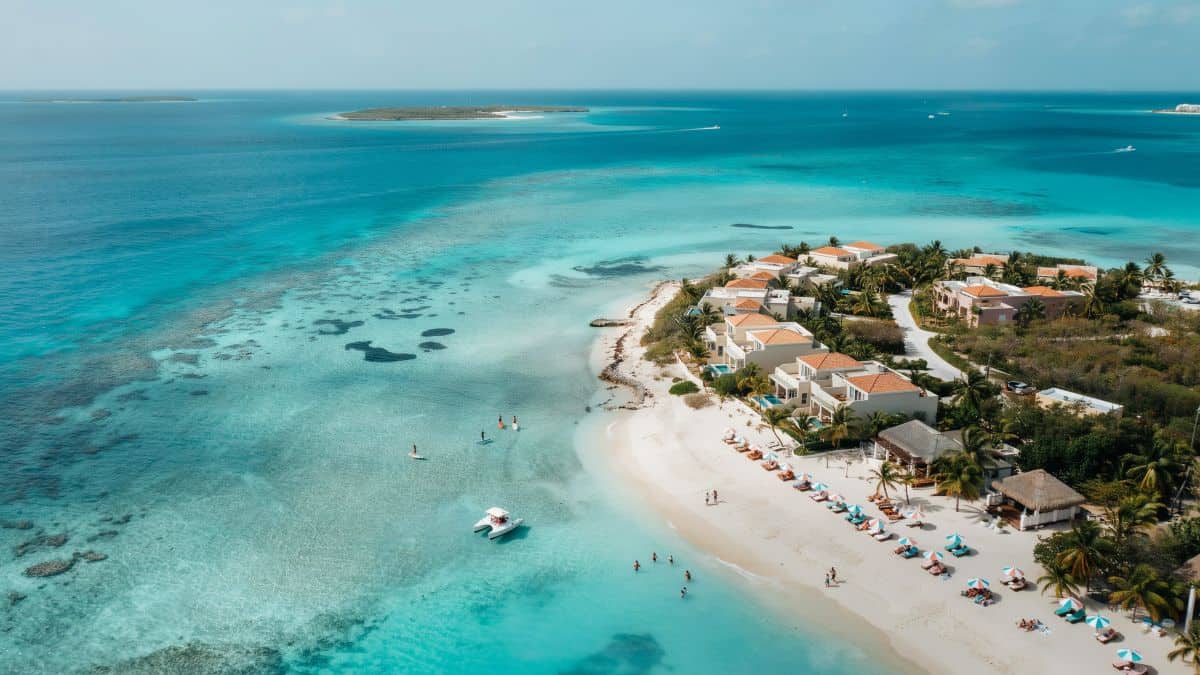
The Turks and Caicos travel warning is putting Turks and Caicos and wider Caribbean holidays under fresh attention. Jamaica and more Caribbean destinations also feature in U.S. travel warnings, making safety an important part of holiday planning. As U.S. travel warnings evolve, travellers should understand what each advisory means before booking flights, resorts and excursions. Caribbean holiday safety therefore deserves attention alongside beaches, cruises and island adventures. Travel And Tour World urges readers to read the entire story for essential guidance. The latest information can help tourists make informed decisions, follow official advice and prepare responsibly for their Caribbean travel plans.
U.S. Keeps Turks and Caicos at Level 2
The latest Turks and Caicos travel warning keeps the destination at Level 2: Exercise Increased Caution. The U.S. Department of State says the advisory was updated on July 7, 2026, with crime remaining the main concern. There has been no change to the advisory level or risk indicators.
U.S. guidance says most reported crime occurs on Providenciales, where police resources may sometimes be limited for investigations. Reports also include sexual assaults and petty crime.
Providenciales and Grand Turk Need Greater Awareness
The UK Foreign, Commonwealth & Development Office identifies Providenciales and Grand Turk as having higher levels of serious crime than other islands.
Advertisement
Advertisement
Its guidance highlights gang-related crime involving guns and robbery. Although tourist areas generally have lower risks, incidents have also occurred in populated public locations. Crime levels on other islands are described as low.
For travellers, this means remaining alert without treating the entire destination as unsafe.
Advertisement
Advertisement
Practical Safety Tips for Tourists
Visitors should avoid isolated places after dark and take particular care when walking alone. Travellers should keep valuables secure and avoid displaying expensive belongings.
Tourists should use licensed taxis and avoid unregistered vehicles known locally as jitneys. Taxi fares should be confirmed before starting a journey because charges can apply per passenger.
Drivers should remember that traffic moves on the left. The speed limit is 20mph in towns and 40mph elsewhere. Accidents are increasing on Leeward Highway, particularly at night. Livestock can also wander onto roads, especially on Grand Turk.
Entry Rules and Important Local Laws
Travellers should check passport requirements before departure. Current UK guidance says passports must remain valid for the duration of the stay. Visitors can normally receive permission to stay for up to 90 days, subject to entry requirements.
Strict rules apply to weapons and drugs. Unauthorised firearms and ammunition can result in a minimum 12-year custodial sentence. Drug possession can also bring severe penalties, including fines of up to US$5,000 and two years’ imprisonment.
Cash or other payment instruments exceeding US$10,000 must be declared.
Advertisement
Advertisement
Travel Planning Should Include Weather and Insurance
Hurricane season normally runs from June through November, so visitors should monitor official weather information when travelling during these months.
Travel insurance is also advisable, particularly for visitors planning diving or other adventure activities.
Despite the warning, Turks and Caicos remains an established international tourism destination. Its official tourism organisation promotes its beaches, resorts and marine experiences, while Providenciales remains the main tourism hub.
For global travellers, the message is clear: the Turks and Caicos travel warning calls for preparation, not panic. Checking official advice, securing valuables, choosing licensed transportation and understanding local laws can help visitors enjoy their Caribbean holiday more safely.
US Travel Warnings Across the Caribbean: How Turks and Caicos Compares With Other Popular Destinations
The latest Turks and Caicos travel warning places the destination at Level 2: Exercise Increased Caution, with crime identified as the principal concern. The wider Caribbean picture shows that this is not an isolated situation. The U.S. Department of State currently maintains travel advisories for several major holiday markets, although the severity and reasons differ significantly.
For travellers, however, advisory levels should not be confused with tourism performance. A destination can receive millions of visitors while simultaneously carrying a U.S. travel warning.
Advertisement
Advertisement
Turks and Caicos: Strong Tourism Despite the Advisory
Government statistics show 640,748 stayover visitors in 2025, compared with 641,767 in 2024 and 580,196 in 2023. The pandemic caused a major decline to 164,539 in 2020, before arrivals recovered to 404,664 in 2021.
The monthly pattern is highly seasonal. In 2025, March recorded 77,124 stayover arrivals, the year’s highest monthly figure, while September recorded 18,795, the lowest. December reached 66,509.
| Turks & Caicos indicator | 2020 | 2021 | 2023 | 2024 | 2025p |
|---|---|---|---|---|---|
| Stayover visitors | 164,539 | 404,664 | 580,196 | 641,767 | 640,748 |
| Q1 visitors | 122,034 | 51,639 | 167,706 | 188,038 | 193,030 |
| Q2 visitors | 0 | 113,500 | 152,214 | 176,502 | 170,807 |
| Q3 visitors | 9,962 | 117,236 | 111,530 | 129,067 | 125,785 |
| Q4 visitors | 32,543 | 122,289 | 148,746 | 148,160 | 151,126 |
The U.S. is particularly important to the destination’s cruise economy. Turks and Caicos recorded 1,158,652 U.S. cruise passengers in 2025, up from 1,119,967 in 2024 and 852,799 in 2023.
Jamaica: A Major U.S.-Dependent Caribbean Market
The U.S. also advises increased caution in Jamaica because of crime and health risks. The advisory is currently Level 2.
Jamaica welcomed approximately 4.27 million total visitors in 2024, generating about US$4.35 billion. Government tourism officials reported that the United States remained the country’s dominant source market.
Jamaica’s Ministry of Tourism has reported that the U.S. share of visitors increased from approximately 63% in 2020 to about 74%, illustrating the extraordinary dependence of the island’s tourism industry on American travellers.
Advertisement
Advertisement
The Bahamas: Record Tourism and Level 2 Advisory
The Bahamas is also under a Level 2 U.S. advisory because of crime. American guidance warns about armed robberies, burglaries and sexual assaults.
Tourism performance remains exceptionally strong. The Bahamas recorded 9,654,838 visitors in 2023, representing a 38% increase over 2022 and 33% above the previous 2019 record.
By 2025, visitor arrivals reached approximately 12.5 million, an 11.4% annual increase, according to the Bahamas Ministry of Tourism.
Dominican Republic: Huge Visitor Numbers Despite Crime Concerns
The Dominican Republic carries a U.S. Level 2 advisory because of crime. U.S. guidance recommends increased caution and provides dedicated tourist-police assistance through POLITUR.
Its official statistics agency publishes monthly arrival data by nationality, covering 2017 through 2026, allowing researchers to track the country’s recovery and changing source markets.
The United States is one of the country’s largest tourism markets. Official Dominican data also provide separate monthly nationality tables, meaning U.S.-origin trends can be examined alongside total international arrivals.
Advertisement
Advertisement
Trinidad and Tobago: A More Serious Warning
Trinidad and Tobago represents a materially different risk category. U.S. guidance reports a nationwide state of emergency declared on March 2, 2026, following a spike in violent criminal activity.
This makes the destination an important comparison for travellers. Unlike Turks and Caicos, where the current warning is Level 2, Trinidad and Tobago’s security situation includes extraordinary government measures.
Belize: Regional Safety Concerns
Belize currently carries a Level 2 advisory, with the U.S. specifically advising travellers to reconsider travel to Southside Belize City because of crime.
The Belize Tourism Board identifies the United States as its principal visitor market. At one point, official tourism material reported that 75.5% of arrivals originated from the United States, demonstrating the importance of American demand to Belize’s tourism economy.
Grenada: Smaller Market, Similar Advisory
Grenada is another Caribbean destination under a Level 2 U.S. advisory. The U.S. warning cites violent crime, including armed robbery, assault, burglary and rape, and notes that American citizens have been victims.
Official Grenada statistics demonstrate the country’s much smaller tourism scale. Historical government data show that the U.S. has consistently been one of Grenada’s principal stayover markets.
Advertisement
Advertisement
Five-Year Data Availability: An Important Warning for Researchers
A major issue arises when comparing 60 monthly observations per destination for five consecutive years. Government agencies do not publish the same dataset in the same format.
| Destination | Current U.S. advisory | Principal concern | Official tourism data availability |
|---|---|---|---|
| Turks & Caicos | Level 2 | Crime | Monthly stayover data, 2015–2025 |
| Jamaica | Level 2 | Crime, health | Annual and selected monthly datasets |
| Bahamas | Level 2 | Crime | Monthly stopover datasets and annual totals |
| Dominican Republic | Level 2 | Crime | Monthly nationality data, 2017–2026 |
| Trinidad & Tobago | Current U.S. warning | Violent crime/state of emergency | Tourism statistics available, formats vary |
| Belize | Level 2 | Crime | Tourism data and U.S.-market statistics |
| Grenada | Level 2 | Crime | Tourism indicators and nationality data |
It would be misleading to manufacture missing monthly U.S.-visitor figures simply to create a complete 60-month table. The official sources confirm that Turks and Caicos and the Dominican Republic provide particularly strong monthly datasets, while comparable five-year, month-by-month U.S.-specific series are not consistently exposed by every destination’s statistical authority.
What Travellers Should Take From the Numbers
The statistics reveal an important travel trend: a U.S. travel advisory does not automatically translate into collapsing visitor demand.
Turks and Caicos illustrates this clearly. Stayover arrivals rose from 404,664 in 2021 to 640,748 in 2025, while U.S. cruise passengers reached more than 1.15 million in 2025.
The Bahamas provides an even stronger example, reaching roughly 12.5 million visitors in 2025 despite its Level 2 U.S. warning.
For international tourists, the practical lesson is therefore to examine the specific risk identified, the affected locations, current government restrictions and the latest advisory, rather than treating every Level 2 destination as equally risky.
Advertisement
Advertisement
Before departure, travellers should consult the latest advisory from their own government, check local emergency arrangements and review travel-insurance conditions. The U.S. Department of State maintains the central database of destination-specific advisory levels and risk indicators.
Conclusion
The Turks and Caicos travel warning highlights why Caribbean travellers should stay informed before their journey. Jamaica and other destinations also face U.S. travel warnings, but each advisory reflects different local circumstances. Therefore, tourists should review official guidance, understand specific risks and plan their activities carefully. Smart preparation can make a Caribbean holiday safer and more enjoyable. From securing valuables to choosing reliable transportation, simple precautions can make a meaningful difference. Travel And Tour World urges travellers to check the latest government advice before departure and make informed decisions. With awareness, preparation and responsible travel, visitors can continue exploring the Caribbean confidently.
Advertisement
