

Switzerland Follows Poland and More to Discover Spain’s Family Tourism Boom Across Catalonia and Valencia

Updated
Published
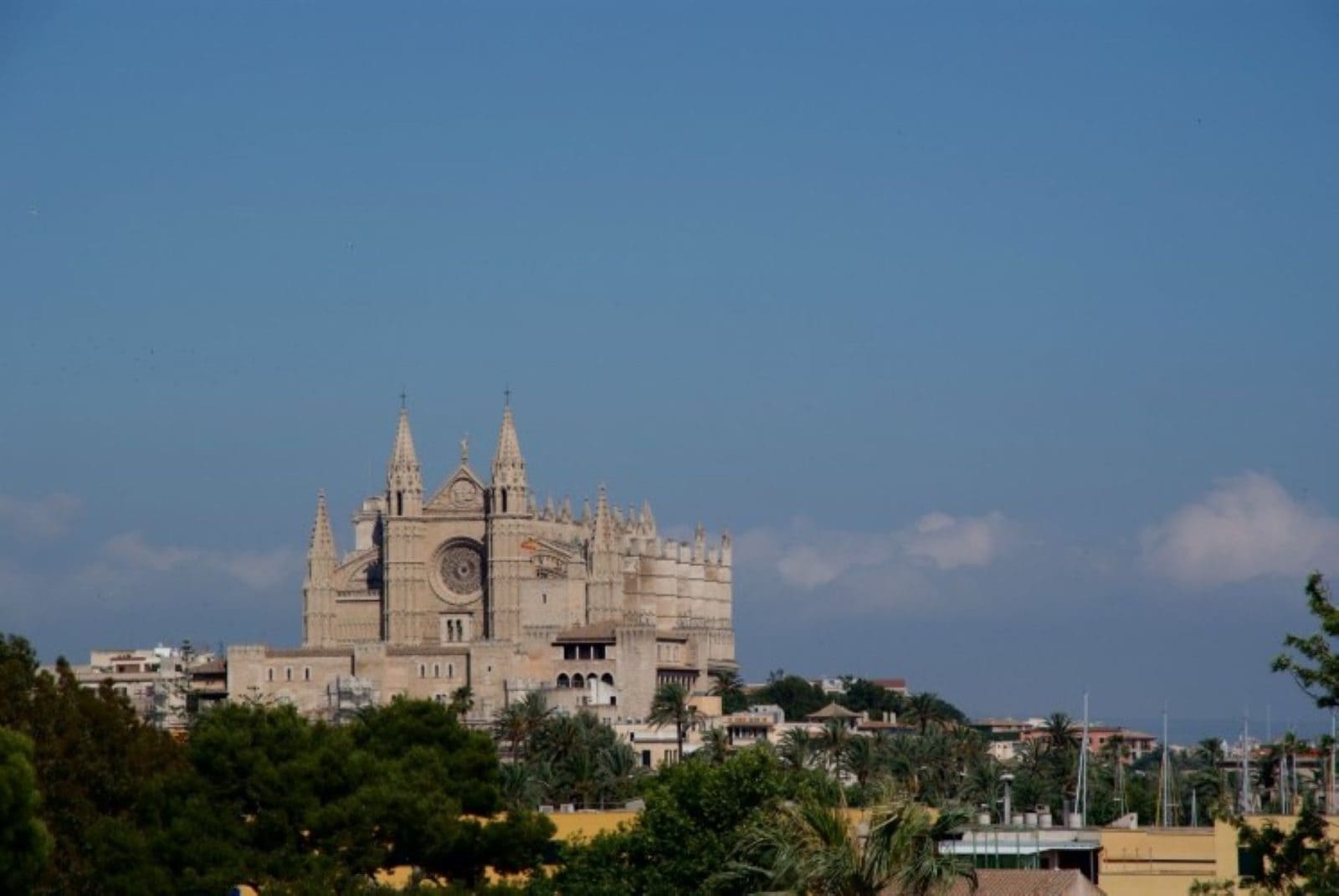
Spain’s expanding family tourism offer is creating more travel opportunities for visitors from Switzerland, Poland, Belgium and the Netherlands. From Catalonia’s cultural attractions to Valencia’s Mediterranean coastline, the country offers varied holidays for children, teenagers, parents and older travellers. Spain’s family tourism boom reflects a broader emphasis on multigenerational experiences, combining beaches, heritage, nature and outdoor activities. For European travellers, this diversification provides greater choice when planning holidays across Spanish regions. For global tourism, it highlights how established destinations can broaden their appeal through family-friendly attractions, accessible travel options and experiences suited to different generations.
Spain Family Tourism 2026: How Multigenerational Holidays Are Reshaping Travel Demand
Spain’s family tourism market extends beyond conventional summer holidays. Its tourism offer combines coastal resorts, historic cities, cultural attractions, nature reserves and recreational activities that appeal to different generations. This diversity allows families to organise holidays around shared interests while accommodating individual preferences. The official Spanish tourism portal highlights family-friendly experiences across the country, including cultural sightseeing, outdoor recreation and leisure attractions. Andalusia, Catalonia, the Basque Country and the Region of Valencia provide distinct examples of this approach. Together, these destinations illustrate how Spain can attract international families seeking varied experiences rather than relying exclusively on traditional seaside tourism.
- Spain promotes holidays for children, teenagers, adults and older travellers.
- Coastal destinations remain important to family travel.
- Cultural and heritage attractions provide alternatives to beach holidays.
- Outdoor activities broaden the country’s appeal.
- Family-friendly destinations support more flexible multigenerational itineraries.
| Tourism component | Family travel relevance |
|---|---|
| Coastal tourism | Beach holidays and water-based recreation |
| Cultural tourism | Museums, monuments and historic cities |
| Nature tourism | Hiking, landscapes and outdoor experiences |
| Urban tourism | Family attractions and sightseeing |
| Multigenerational travel | Activities suitable for different ages |
Spain’s Official Family Tourism Data Highlights a Major European Holiday Market
Official tourism statistics provide important context for Spain’s expanding family travel market. The National Statistics Institute publishes international arrivals through FRONTUR and visitor expenditure through EGATUR, while Turespaña provides destination information and tourism research. These sources help distinguish overall tourism growth from family-specific demand. The supplied September 2026 report identifies substantial family visitor activity across Andalusia and Catalonia, alongside strong family tourism indicators in Valencia and the Basque Country. However, regional figures should retain their original attribution unless their statistical definitions and reporting periods can be independently confirmed through official datasets. This distinction is essential for reliable tourism reporting.
- Andalusia recorded 6.8 million family tourists in the latest full year cited by the supplied report.
- Catalonia recorded 12.6 million family visitors, representing 30% of its tourists.
- Andalusia was the preferred summer holiday destination for 26.3% of families in the reported measure.
- Family tourism accounted for 36% of tourist demand in the Region of Valencia.
- The Basque Country recorded an 80% family recommendation rate.
| Destination | Reported family tourism indicator | Interpretation |
|---|---|---|
| Andalusia | 6.8 million family tourists | Family visitor volume |
| Andalusia | 26.3% | Summer destination preference |
| Catalonia | 12.6 million family visitors | Family visitor volume |
| Catalonia | 30% | Share of total tourists |
| Basque Country | 80% | Family recommendation rate |
| Region of Valencia | 36% | Share of tourist demand |
Catalonia Family Holidays Gain Importance as International Tourism Reaches 14.3 Million Visitors
Catalonia combines metropolitan attractions, Mediterranean beaches and outdoor experiences, making it a versatile destination for family holidays in Spain. Barcelona provides museums, architecture and educational attractions, while Costa Daurada and Costa Brava offer coastal leisure. Spain’s National Statistics Institute recorded 14,323,450 international arrivals in Catalonia between January and August 2026, an increase of 3.9% compared with the corresponding period of 2025. These are overall arrivals rather than family-specific figures. Nevertheless, they demonstrate the region’s considerable international tourism scale. For multigenerational visitors, Catalonia offers opportunities to combine cultural discovery, seaside relaxation and entertainment within one regional itinerary.
Advertisement
Advertisement
- Barcelona provides cultural and educational attractions.
- Costa Daurada offers beach resorts and recreational activities.
- PortAventura World adds theme park experiences.
- Costa Brava supports coastal sightseeing and outdoor holidays.
- Catalonia’s international tourism market grew during January–August 2026.
| Tourism indicator | Verified information |
|---|---|
| International arrivals | 14,323,450 |
| Reporting period | January–August 2026 |
| Annual growth | 3.9% |
| Principal urban destination | Barcelona |
| Family holiday areas | Costa Daurada and Costa Brava |
Valencia Family Tourism Expands Alongside Strong Mediterranean Visitor Growth
The Region of Valencia offers family travellers an extensive combination of Mediterranean beaches, cultural landmarks and educational attractions. Valencia city features the City of Arts and Sciences, including interactive science exhibits and the Oceanogràfic aquarium. Coastal destinations such as Benidorm, Peñíscola and Alicante provide further opportunities for seaside holidays. Official INE statistics recorded 9,398,699 international tourists in the Region of Valencia between January and August 2026, representing 9% annual growth. This reflects overall tourism performance, not a measured increase in family travel. The region’s diverse attractions nevertheless make it relevant to visitors seeking holidays across different generations.
- Valencia city combines science, culture and urban sightseeing.
- The Oceanogràfic provides marine-life experiences.
- Benidorm offers beaches and established holiday infrastructure.
- Peñíscola combines Mediterranean scenery with historic attractions.
- International visitor arrivals increased during the first eight months of 2026.
| Tourism indicator | Verified information |
|---|---|
| International arrivals | 9,398,699 |
| Reporting period | January–August 2026 |
| Annual growth | 9.0% |
| Principal attractions | City of Arts and Sciences, Oceanogràfic |
| Holiday destinations | Valencia, Alicante, Benidorm, Peñíscola |
Andalusia Family Tourism Combines Heritage, Beaches and Double-Digit Visitor Growth
Andalusia offers international families a combination of historic cities, Mediterranean and Atlantic coastlines, museums and natural landscapes. Seville, Granada, Málaga and Cádiz provide different experiences for travellers interested in culture, recreation and regional heritage. According to the INE, Andalusia welcomed 11,084,168 international tourists between January and August 2026, representing growth of 10.4% compared with the same period in 2025. This is an overall tourism measure rather than a family-specific total. For families travelling across generations, the region provides opportunities to combine cultural sightseeing with coastal holidays, educational attractions and nature-based activities within a single destination.
Advertisement
Advertisement
- Seville provides architecture and historic attractions.
- Granada combines cultural heritage with educational experiences.
- Málaga offers coastal holidays and museums.
- Cádiz provides beaches and historic urban areas.
- Andalusia recorded double-digit international visitor growth in 2026.
| Tourism indicator | Verified information |
|---|---|
| International arrivals | 11,084,168 |
| Reporting period | January–August 2026 |
| Annual growth | 10.4% |
| Major destinations | Seville, Granada, Málaga, Cádiz |
| Tourism strengths | Heritage, beaches, culture and nature |
Basque Country Family Tourism Connects Coastal Holidays With Gastronomy and Nature
The Basque Country provides an alternative to Spain’s larger Mediterranean resort destinations. Its family tourism appeal centres on coastal landscapes, regional gastronomy, cultural attractions and outdoor activities. Bilbao offers museums and urban sightseeing, while San Sebastián combines a coastal setting with cultural experiences. Families can also explore smaller towns and natural landscapes through walking routes and excursions. These experiences can appeal to teenagers, parents and older travellers seeking varied holiday programmes. Although the supplied September 2026 report cites an 80% family recommendation rate, that specific figure requires confirmation from its underlying research before it can be treated as independently verified government data.
- Bilbao offers cultural attractions and museums.
- San Sebastián provides beaches and coastal sightseeing.
- Regional gastronomy contributes to visitor experiences.
- Natural landscapes support walking and outdoor recreation.
- Historic towns provide alternatives to conventional resort holidays.
| Destination | Family tourism opportunities |
|---|---|
| Bilbao | Museums, architecture and urban exploration |
| San Sebastián | Beaches, coastal walks and gastronomy |
| Basque coastal towns | Scenic excursions and heritage |
| Inland Basque Country | Nature and outdoor recreation |
| Regional cities | Cultural sightseeing |
Spain’s Certified Family Destinations Strengthen Heritage and Educational Travel
Spain’s family holiday offer also extends to destinations outside major coastal tourism centres. Ávila, Burgos and Aranjuez feature in the supplied September 2026 report as recent recipients of the Family Tourism Seal, although the individual award dates require confirmation from the certification authority. Each destination offers a distinctive cultural experience. Ávila is associated with medieval city walls, Burgos with its historic cathedral and Aranjuez with its royal palace and landscaped gardens. Spain’s official tourism website also identifies Aranjuez as a destination accessible through the heritage-themed Strawberry Train from Madrid. Such experiences help families combine education, sightseeing and leisure.
Advertisement
Advertisement
- Ávila provides medieval architecture and heritage sightseeing.
- Burgos offers cathedral visits and historical exploration.
- Aranjuez combines royal heritage with gardens.
- The Strawberry Train offers a themed excursion from Madrid.
- Heritage destinations diversify Spain’s family holiday options.
| Destination | Region | Principal family experience |
|---|---|---|
| Ávila | Castile and León | Medieval walls and heritage |
| Burgos | Castile and León | Cathedral and historic city |
| Aranjuez | Community of Madrid | Royal Palace and gardens |
| Madrid | Community of Madrid | Museums and family excursions |
| Alcalá de Henares | Community of Madrid | Literary heritage and themed tourism |
Switzerland to Spain Family Holidays Offer Mediterranean Beaches and Cultural City Breaks
Travellers from Switzerland can explore Spain’s family holiday destinations through a combination of air travel, regional rail connections and local transport. Barcelona provides a practical starting point for cultural sightseeing and excursions towards Costa Daurada. Valencia offers Mediterranean beaches alongside educational attractions, while Andalusia provides historic cities and coastal resorts. Swiss families planning multigenerational holidays can choose accommodation suited to different ages and build itineraries around shared interests. Travellers should compare available flights from Swiss airports to Spanish gateways and check onward transport arrangements before booking. This approach supports flexible holidays without assuming any particular increase in Swiss family tourism demand.
- Explore Barcelona’s museums and architecture.
- Visit Costa Daurada for coastal recreation.
- Discover Valencia’s City of Arts and Sciences.
- Combine Seville and Granada for cultural sightseeing.
- Choose accessible accommodation for multigenerational holidays.
| Spanish destination | Travel experience for Swiss families |
|---|---|
| Barcelona | Culture and interactive museums |
| Costa Daurada | Beaches and theme parks |
| Valencia | Science attractions and Mediterranean leisure |
| Seville | Historic landmarks |
| Granada | Heritage and educational tourism |
Poland to Spain Family Travel Opens Opportunities Across Catalonia and Valencia
Families travelling from Poland can consider Spain for Mediterranean holidays that combine coastal recreation with cultural sightseeing. Barcelona and Valencia offer distinct urban experiences, while the surrounding coastal destinations provide opportunities for longer family stays. Polish travellers can explore flights to Spanish airports serving their chosen regions and use trains, buses or rental vehicles for onward journeys. A Catalonia itinerary might combine Barcelona with Costa Daurada, while a Valencia holiday could include the city, beaches and nearby historic towns. Travellers should review flight schedules, baggage allowances, family accommodation arrangements and attraction admission requirements before confirming their itineraries.
- Combine Barcelona with Costa Daurada.
- Explore Valencia’s interactive science attractions.
- Visit Mediterranean beaches and coastal towns.
- Use Spanish rail services for regional journeys.
- Plan itineraries around children’s ages and family interests.
| Spanish destination | Travel experience for Polish families |
|---|---|
| Barcelona | Urban sightseeing and museums |
| Salou | Beach holidays and recreation |
| Valencia | Science, culture and beaches |
| Alicante | Coastal leisure |
| Peñíscola | Heritage and seaside tourism |
Belgium to Spain Family Holidays Combine Coastal Resorts With Cultural Experiences
Belgian travellers can explore Spain’s varied family tourism offer through coastal holidays, cultural city breaks and multigenerational itineraries. Catalonia provides opportunities to combine Barcelona’s attractions with Mediterranean seaside destinations. Valencia offers interactive museums, marine-life attractions and beaches, while Andalusia provides historic cities and coastal recreation. Families can assess air connections from Belgian airports to suitable Spanish destinations, then arrange onward transport according to their itinerary. Accommodation selection is particularly important for groups travelling with young children or older relatives. Choosing a manageable number of destinations can help families balance sightseeing, recreation and relaxation without creating unnecessarily demanding travel schedules.
- Explore Barcelona’s family-oriented attractions.
- Visit Costa Brava for Mediterranean coastal experiences.
- Discover Valencia’s science and marine attractions.
- Combine Málaga with Andalusian heritage destinations.
- Select accommodation suited to multigenerational groups.
| Spanish destination | Travel experience for Belgian families |
|---|---|
| Barcelona | Culture and museums |
| Costa Brava | Coastal sightseeing |
| Valencia | Interactive educational attractions |
| Málaga | Beaches and urban tourism |
| Granada | Historic architecture and heritage |
Netherlands to Spain Family Travel Offers Flexible Beach, Nature and Heritage Holidays
Travellers from the Netherlands can organise Spanish family holidays around Mediterranean destinations, cultural attractions and outdoor recreation. Catalonia provides opportunities for city sightseeing and beach holidays, while Valencia combines urban attractions with coastal experiences. Andalusia offers another option for families interested in historic cities and natural landscapes. Dutch travellers can compare flights to regional Spanish airports and consider rail or road connections within Spain. Families planning longer stays may prefer accommodation with cooking facilities, separate sleeping areas and convenient access to local transport. Selecting activities for different generations can create a balanced itinerary that combines relaxation, education and outdoor exploration.
Advertisement
Advertisement
- Visit Barcelona for architecture and educational attractions.
- Explore Costa Brava’s coastal landscapes.
- Discover Valencia’s museums and beaches.
- Travel through Andalusia’s historic cities.
- Combine nature excursions with relaxed seaside holidays.
| Spanish destination | Travel experience for Dutch families |
|---|---|
| Barcelona | City breaks and cultural attractions |
| Costa Brava | Beaches and coastal recreation |
| Valencia | Science museums and urban tourism |
| Andalusia | Heritage and nature |
| Alicante | Mediterranean coastal holidays |
Spain’s Tourism Economy Benefits From Rising Visitor Spending and International Demand
Spain’s broader tourism economy provides an important foundation for the development of family holidays. According to the INE, international tourist expenditure reached €99.892 billion between January and August 2026, increasing 8% compared with the corresponding period in 2025. During August alone, visitors spent €17.838 billion, with accommodation, package holidays and activities accounting for substantial expenditure. These figures cover international tourism overall rather than family tourism specifically. Nevertheless, they demonstrate the economic importance of services that families also use. For hotels, attractions, restaurants and transport operators, diversified family itineraries offer opportunities to serve visitors with different interests and requirements.
- Accommodation providers can cater to multigenerational groups.
- Cultural attractions can develop age-appropriate visitor experiences.
- Transport operators can support regional family itineraries.
- Coastal destinations can combine recreation with cultural tourism.
- Restaurants and local businesses can serve a broader range of visitors.
| Official tourism indicator | August 2026 |
|---|---|
| International tourism expenditure | €17.838 billion |
| Annual expenditure growth | 9.2% |
| Average expenditure per tourist | €1,455 |
| Average daily expenditure | €202 |
| Accommodation share of expenditure | 20.7% |
| Package holiday share | 18.5% |
| Activities share | 18.4% |
Conclusion
Spain’s family tourism offer gives travellers from Switzerland, Poland, Belgium and the Netherlands opportunities to discover destinations suited to different generations. Catalonia combines cultural attractions with Mediterranean beaches, while Valencia offers educational experiences and coastal recreation. Andalusia contributes historic cities and seaside holidays, and the Basque Country adds gastronomy, nature and cultural exploration. Together, these regions demonstrate the breadth of Spain’s family travel proposition. For the wider tourism industry, the emphasis on multigenerational holidays creates opportunities to diversify accommodation, attractions and regional itineraries. Spain’s appeal ultimately rests on combining accessible experiences, destination variety and meaningful holidays for families.
Advertisement
