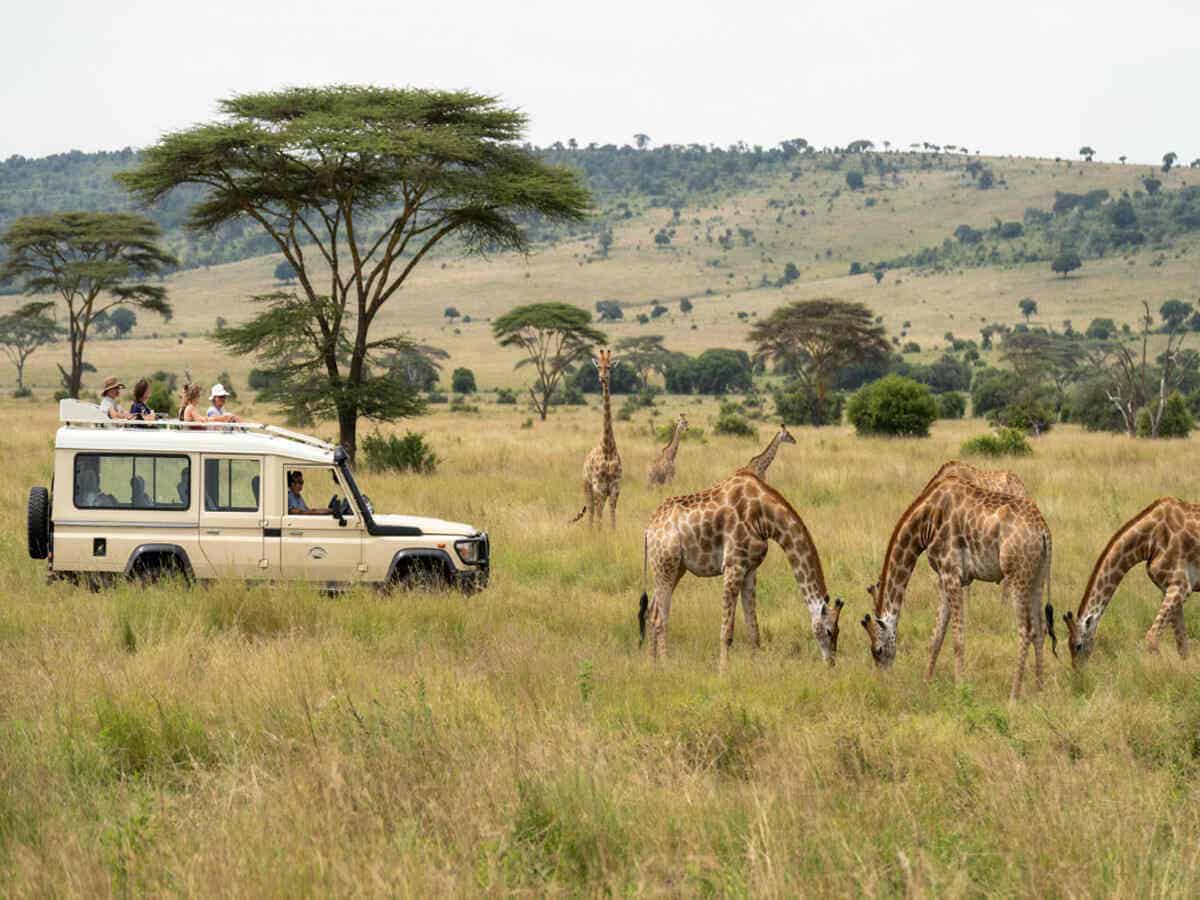
Image generated with Ai
Africa Tourism increases by 4% through Morocco, South Africa and other nations that are bringing in a new era of travel. The African tourism industry has now entered into a new phase of growth where tourists from all around the world have started searching for experience, scenery and culture. Early 2026 witnessed an increase of 4% in international tourists visiting African countries.
The rise is being supported by leading tourism markets including Morocco, South Africa, Egypt, Kenya, Tanzania, Rwanda, Botswana, Namibia, Mauritius and Seychelles, each developing specialised tourism products ranging from heritage tourism and wine experiences to luxury safaris, adventure travel and visa-friendly access.
Advertisement
Africa is no longer being viewed only as a safari destination. The continent is becoming a complete travel ecosystem where visitors can combine wildlife encounters, ancient heritage, beach escapes, culinary discoveries, luxury accommodation and sustainable tourism experiences within one journey.
| Country | Main Tourism Attraction | Strategy Driving Growth |
|---|---|---|
| Morocco | Heritage, desert, culture, beaches, gastronomy | Better connectivity, infrastructure, diversified markets |
| South Africa | Safari, wine, cities, adventure | Global marketing, luxury tourism, diverse experiences |
| Egypt | Ancient history, Red Sea resorts | Heritage promotion and new tourism projects |
| Kenya | Wildlife, Maasai Mara, beaches | Safari expansion and international campaigns |
| Tanzania | Serengeti, Kilimanjaro, Zanzibar | Luxury safari and beach combination |
| Rwanda | Gorilla trekking, eco-tourism | High-value conservation tourism |
| Botswana | Luxury safari | Low-volume premium tourism |
| Namibia | Desert, wildlife, adventure | Nature-based travel promotion |
| Mauritius | Beaches, wellness, luxury | Premium leisure tourism |
| Seychelles | Island tourism | Luxury and sustainable tourism |
Morocco has emerged as one of Africa’s strongest tourism performers by successfully combining history, culture, nature and modern hospitality. The country has expanded its tourism identity beyond Marrakech’s famous markets and historic attractions by promoting desert adventures, coastal holidays, mountain tourism and luxury experiences.
Advertisement
Morocco welcomed 4.3 million tourists in the first quarter of 2026, representing a 7% year-on-year increase, supported by stronger air connectivity, wider source markets and improved accommodation offerings.
Morocco is also strengthening its appeal through gastronomy and wine tourism, giving travellers more reasons to extend their stays beyond traditional sightseeing.
South Africa remains one of Africa’s most diverse tourism destinations because it offers multiple experiences in a single country. The nation has built a powerful global reputation by combining wildlife, beaches, urban tourism, adventure activities and premium wine experiences.
South Africa recorded 8.9 million international tourist arrivals in 2024, highlighting its position as one of the continent’s leading tourism markets.
The country’s tourism strength comes from its ability to attract different traveller segments.
South Africa is strengthening tourism through:
The country is successfully positioning itself as a destination where travellers can enjoy safari mornings, wine experiences in the afternoon and coastal city exploration in the evening.
Egypt continues to be one of Africa’s strongest tourism brands because of its unmatched historical attractions.
Millions of visitors travel to Egypt for:
The country is expanding beyond traditional heritage tourism by promoting:
Egypt’s combination of ancient civilisation and modern hospitality keeps it among Africa’s most recognised destinations.
Kenya remains a global safari leader and one of the biggest contributors to Africa’s experiential tourism growth.
The country attracts visitors through:
Kenya’s tourism strategy focuses on:
The country is particularly attractive for travellers seeking meaningful nature experiences rather than conventional holidays.
Tanzania has become a major driver of Africa’s tourism boom by combining world-famous wildlife with tropical island experiences.
Major attractions include:
The country’s biggest advantage is its ability to offer a complete journey:
Wildlife safari + mountain adventure + luxury island holiday
Tanzania is attracting high-value travellers through:
Rwanda has created one of Africa’s strongest premium tourism identities through gorilla trekking and sustainable travel.
Key attractions:
The country attracts travellers through:
Rwanda’s strategy focuses on attracting fewer visitors who spend more, protecting natural resources while increasing tourism revenue.
Botswana has positioned itself as a premium safari destination through:
Its strategy focuses on quality rather than mass tourism.
Namibia is attracting adventure travellers through:
The country promotes:
Africa’s island destinations are adding another dimension to the continent’s tourism growth.
These destinations help Africa compete in the global luxury leisure market.
| Tourism Feature | Why Travellers Choose Africa |
|---|---|
| Wildlife | Rare animal encounters and safari experiences |
| Culture | Authentic communities and traditions |
| Heritage | Ancient civilisations and historic sites |
| Adventure | Mountains, deserts and outdoor activities |
| Luxury | Exclusive lodges and private experiences |
| Beaches | Tropical island escapes |
| Sustainability | Conservation-focused tourism |
| Food and Wine | Local culinary and vineyard experiences |
Countries are investing in:
Better connectivity is making Africa easier to access from Europe, Asia, the Middle East and North America.
Many African destinations are improving entry procedures through:
These measures reduce travel barriers and encourage more international arrivals.
African countries are shifting marketing strategies from simply promoting attractions to selling experiences.
New tourism messages focus on:
African destinations are attracting premium travellers through:
This approach increases visitor spending and supports longer stays.
Africa’s tourism boom is being powered by a combination of established destinations and emerging markets. Morocco’s cultural revival, South Africa’s wine and wildlife experiences, Kenya and Tanzania’s safari strength, Rwanda’s conservation model and island destinations’ luxury appeal are collectively reshaping the continent’s global tourism image.
With stronger connectivity, improved visa access and growing demand for experiential travel, Africa is moving beyond its traditional safari reputation and becoming one of the world’s most dynamic tourism regions.
Africa Tourism grows by 4% due to Morocco, South Africa and other countries promoting wildlife, luxury, visa free, and experience tourism.
The future success of Africa tourism is based on the ability of countries to blend nature, culture, luxury, and sustainability for attracting tourists of the next generation.
Advertisement
Advertisement
Advertisement











Tuesday, September 1, 2026
Tuesday, September 1, 2026

Tuesday, September 1, 2026

Tuesday, September 1, 2026
Tuesday, September 1, 2026
Tuesday, September 1, 2026

Tuesday, September 1, 2026

Tuesday, September 1, 2026