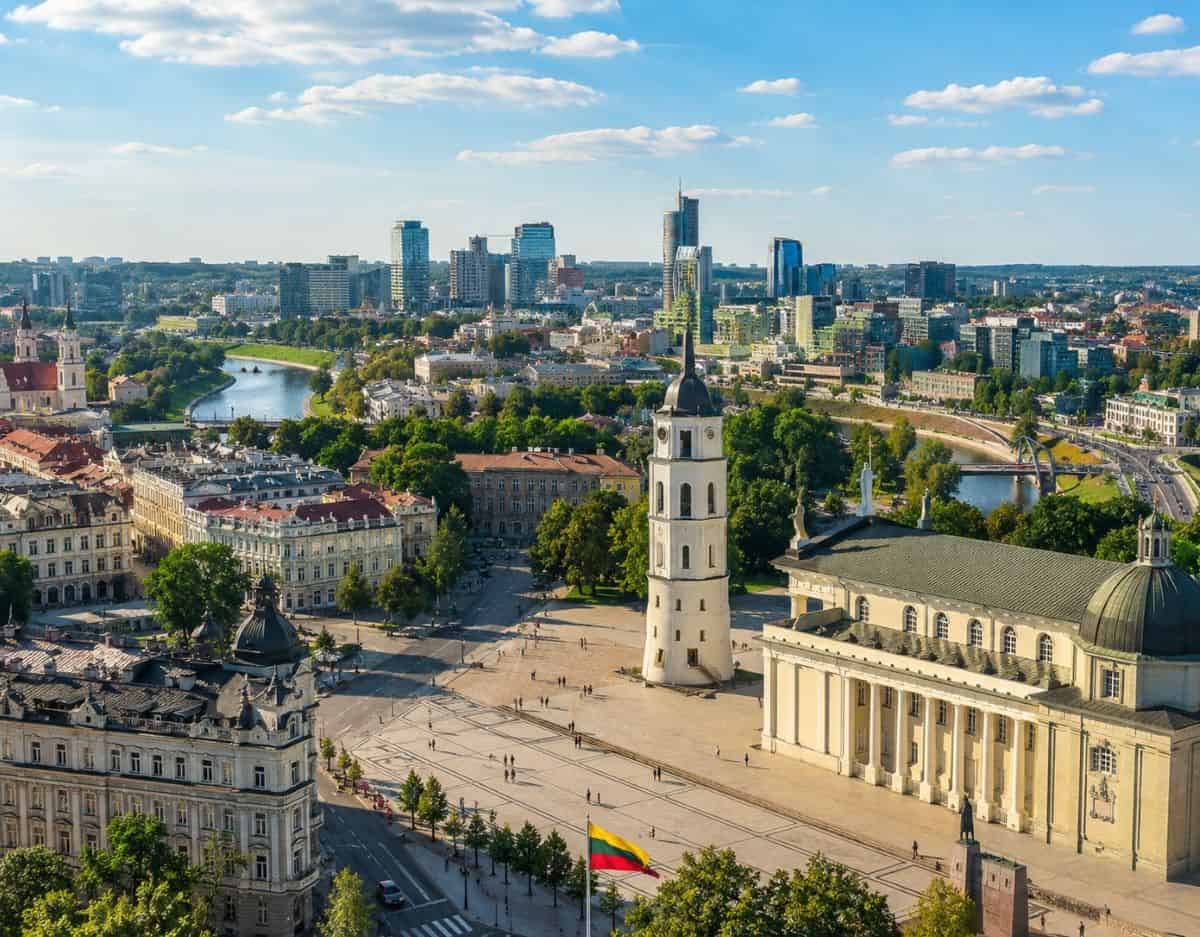
Image generated with Ai
You are on top of Parnidis Dune and you can hear the foghorns over the Baltic. The sand moves under your feet, and beyond, is Jagiellońskiego. Storms of the ocean transform the sand into beach spits. Skies beyond are gray. There are no human made structures. This is your wilderness. This is the result of Lithuania’s determination to protect natural habitats. Lithuania has built the infrastructure for sustainable travel. Skipping mass tourism has been the foundation of Lithuania’s travel model. From the moss boardwalks of Labanoras to the peacefulness of the Žuvintas protected peatlands, Lithuania has made travel and set the precedent for travel that doesn’t damage the Earth. Every boardwalk and every organic meal will tell a story of travel that does not cause damages to the Earth. Travel with Lithuania is a once in a lifetime opportunity to be a partner with the community to sustain the landscape, ecology, and the culture.
How Do Lithuania’s Biodiversity Protection Zones Safely Integrate Environmental Tourism Without Destroying Fragile Wildlife Ecosystems Across Curonian Spit, Žuvintas Biosphere Reserve, and Čepkeliai Bog?
Advertisement
Protected natural zones cover approximately 17.04% of Lithuania’s terrestrial area and 25.59% of its territorial waters under the strict oversight of the State Service for Protected Areas (VSTT). This expansive ecological network comprises 1,060 designated protection areas, including 5 National Parks, 30 Regional Parks, 6 Strict Nature Reserves, 404 Managed Nature Reserves, and 7 Ramsar Wetlands of International Importance.
To balance human presence with delicate ecosystems, the Žuvintas Biosphere Reserve serves as a vital sanctuary for the globally threatened aquatic warbler. Visitors explore strictly via regulated timber boardwalks and educational centers to ensure nesting grounds remain untouched during breeding seasons.
Advertisement
Similarly, the Čepkeliai Strict Nature Reserve shields Lithuania’s largest raised bog complex, where public access is prohibited outside of tight, guided educational windows accompanied by official park rangers. Along the Baltic coast, Curonian Spit National Park utilizes tourist environmental entrance tolls to directly fund ongoing sand dune stabilization and forest fire prevention programs. Across these wilderness zones, officials have constructed over 30 observation towers alongside elevated wooden trails such as those in Mūšos Tytuvėnai and Varniai preventing soil erosion and safeguarding peatland hydrology.
What Key Ecological Principles Safeguard Primary Habitats Across Aukštaitija National Park, Dzūkija National Park, Žemaitija National Park, and Trakai Historical National Park?
Lithuania structures its national park network to balance biodiversity conservation with public environmental education. Each territory focuses on specific landscape features and cultural heritage while strictly managing visitor traffic. In Aukštaitija National Park, the country’s oldest national park, extensive forest and lake systems are shielded through regulated water routes and designated primitive camping zones. Dzūkija National Park, the largest protected area in the nation, preserves inland sand dunes and ancient pine forests by channeling hikers onto designated trails to prevent lichen mat destruction.
In Žemaitija National Park, glacial lakes and wetland systems are protected from contamination by banning combustion-engine watercraft and enforcing strict seasonal fishing regulations. Meanwhile, Trakai Historical National Park combines cultural preservation with lake conservation, maintaining water clarity through stringent shoreline development restrictions.
Throughout these national parks, visitor activity is continuously monitored by regional authorities to maintain ecological integrity. This balance ensures that human presence supports, rather than undermines, local nature preservation efforts.
What Key Role Do Carbon-Neutral Accommodations and Green Infrastructure Standards Play in Decarbonising Hospitality Across Zarasai, Molėtai, and Anykščiai?
Lithuania’s hospitality sector is undergoing a rapid transition toward net-zero operation through stringent eco-certifications and green architecture. Properties adopt renewable energy systems and closed-loop waste controls to reduce their overall operational impacts on surrounding natural landscapes. The internationally recognized Green Key Eco-Label certifies hotels and eco-lodges that meet rigid benchmarks in energy management, chemical reduction, and waste sorting. Complementing this, the Lithuanian Countryside Tourism Association (LCTA / Atostogos kaime) oversees a national rural rating system representing nearly 400 rural tourism providers. The LCTA awards eco-stork classifications based on an establishment’s use of local building materials, on-site wastewater treatment, organic farm sourcing, and renewable power.
At the infrastructure level, accommodations benefit from national grid decarbonization under the updated NECP, which aims for 100% domestic electricity generation from renewable wind and solar energy before 2030. Off-grid stays across Zarasai, Molėtai, and Anykščiai routinely incorporate geothermal heat pumps, modular timber framing from FSC-certified forests, and closed-loop constructed wetland filtration systems.
Furthermore, state-subsidized electric vehicle charging networks managed by the Ministry of Transport and Communications now link Vilnius, Kaunas, and Klaipėda directly to remote national park gateways.
Why Are Sustainable Urban Gateway Standards Transforming Eco-Travel Options Across Vilnius, Kaunas, and Klaipėda?
Urban centers in Lithuania act as low-carbon transit hubs that connect arriving international travelers with rural nature reserves. Municipalities prioritize electric mass transit, shared mobility schemes, and green building standards to minimize travel-related emissions.
In Vilnius, public transportation systems are increasingly powered by renewable electricity, while city planners expand bicycle infrastructure connecting urban centers to suburban forests. Kaunas integrates eco-friendly transit along its river confluence corridors, encouraging low-impact river transit and pedestrian exploration.
As a coastal gateway, Klaipėda implements green port strategies alongside electric bus fleets to reduce urban emissions near delicate marine environments. These primary urban gateways ensure that an eco-conscious travel itinerary begins immediately upon arrival in the country. By connecting urban transit networks with regional electric vehicle corridors, Lithuania ensures continuous low-carbon travel nationwide. Travelers can easily cross from major cities directly into remote wilderness areas without relying on carbon-heavy transport options.
How Does Community-Based Tourism Drive Rural Wealth Retention and Regenerative Cultural Preservation Across Varėna, Šilutė, and Trakai?
Community-based tourism in Lithuania explicitly decentralizes travel spending away from urban capitals directly into rural municipalities. This economic model ensures host communities benefit financially while participating in regional conservation goals. By coordinating over 60% of countryside hospitality, the LCTA directs economic benefits toward traditional forestry and agrarian settlements in regions like Varėna, Šilutė, and Trakai. This financial structure funds the preservation of intangible cultural heritage, including hands-on workshops in traditional Samogitian culinary arts, Suvalkija honey harvesting, and Baltic linen weaving.
Beyond cultural protection, community-based tourism initiatives actively foster ecosystem restoration through citizen science and voluntourism. Visitors can join guided river cleanup expeditions along the Minija and Merkys rivers, participate in invasive plant eradication drives, or contribute to bird monitoring programs alongside park specialists.
Eco-farm stays also support indigenous agricultural heritage by maintaining organic seed banks and breeding native Žemaitukai horses, demonstrating how modern travel can directly restore local environments.
How Do Ethnographic Traditions and Local Food Networks Support Environmental Protection Across Nemunas Delta, Mūšos Tytuvėnai, and Varniai?
Lithuania’s regional culinary traditions and ethnographic practices are closely tied to landscape stewardship. Local food supply chains reduce transport emissions while supporting small-scale organic farming across regional municipalities. In the Nemunas Delta, local fishing communities offer low-impact educational tours, sharing traditional smoking and preparation methods while advocating for fish stock preservation. In Mūšos Tytuvėnai and Varniai, rural hosts introduce visitors to forage-based gastronomy, utilizing wild herbs, mushrooms, and berries gathered using sustainable traditional harvesting methods.
These regional food systems eliminate long-distance transport emissions, relying instead on immediate micro-regional production. Consequently, dining stays within rural homesteads directly subsidize small producers who practice chemical-free agriculture.
By preserving traditional land management techniques, rural communities maintain biodiversity within agricultural zones. Cultural heritage preservation and habitat protection function as mutually supportive goals across all rural provinces.
Strategic SummarySector Primary Governing / Supporting Bodies Strategic Focus Biodiversity & Parks State Service for Protected Areas (VSTT), Ministry of Environment Habitat protection, regulated boardwalk access, UNESCO reserve management Eco-Accommodation Green Key, Lithuanian Countryside Tourism Association (LCTA) Grid decarbonization, waste reduction, renewable heat pumps, eco-stork ratings Community Travel LCTA (Atostogos kaime), Local Municipalities Rural income retention, ethnographic preservation, low-impact regional travel
Expanding Forest Cover Dynamics and Managing Reforestation Carbon Sinks Across Labanoras Regional Park and Dzūkija
Lithuania’s extensive forest cover spans approximately 35.2% of its total land mass, encompassing roughly 2.2 million hectares of woodland. Under strict state forestry regulations, over 70% of these forest areas are certified for sustainable management, balancing ecological conservation with controlled resource use. Official state policies target expanding national forest coverage to 38% by 2030 through state-funded afforestation projects and habitat restoration initiatives. These managed woodlands function as critical carbon sinks, absorbing millions of metric tonnes of carbon dioxide annually to offset emissions across the nation.
In geographic terms, these forestry efforts focus heavily on the ancient pine woodlands of Labanoras Regional Park, which stands as Lithuania’s largest regional park, alongside the dense primeval forests of Dainava Forest in the Dzūkija region. Visitors exploring these expansive pine ecosystems contribute directly to conservation funds through eco-tourism activities, which in turn support continuous trail maintenance, wildlife protection programs, and sustainable forest management practices.
Developing Slow Water Eco-Mobility and Clean Inland Hydrological Corridors Across Lake Galvė, Lake Plateliai, and Aukštaitija National Park
Lithuania is actively transitioning water travel across its network of over 6,000 lakes and 22,000 rivers into zero-emission, electric-powered, and non-motorized hydrological corridors. With more than 820 km of navigable inland rivers and lagoons, national transport directives aim for complete electrification of public passenger ferries in the Curonian Lagoon by 2030. Solar-powered electric boats and zero-emission vessels now operate systematically across major freshwater sites, including Lake Galvė in Trakai and Lake Plateliai within Žemaitija National Park, reducing water noise and pollution.
In addition to motorized electrification, non-motorized paddling routes form a core element of the country’s inland eco-tourism framework. Pristine river networks such as the Žeimena, Būka, and Lakaja rivers in Aukštaitija National Park provide extensive kayak and canoe corridors that allow travelers to navigate delicate aquatic environments without disrupting water quality or shorelines.
Advancing Sustainable Agro-Tourism and Regenerative Organic Farming Networks Across Dzūkija and Samogitia
Certified organic farmstays drive Lithuania’s farm-to-table culinary tourism sector while safeguarding native soil microbiomes from chemical runoff. Certified organic cultivation accounts for approximately 9% of total agricultural land, supported by over 400 certified rural homesteads participating in local organic food loops. Eco-agrotourism generates 15% to 20% higher revenue per bed-night compared to standard rural accommodations, retaining income directly within rural agrarian populations.
Specific regional agricultural practices showcase this sustainable model across the country. In the sandy soils of Dzūkija, organic buckwheat and wild berry farming collectives maintain low-impact cultivation methods that protect local biodiversity. Concurrently, dairy-heritage farms in Samogitia, also known as Žemaitija, preserve historic processing methods while offering organic farmstay experiences that directly fund soil conservation and sustainable land management.
Enforcing Coastal Dune Preservation and Earmarking Eco-Toll Revenue Mechanisms Across the Curonian Spit, Parnidis Dune, and Nagliai Nature Reserve
Lithuania relies on targeted financial mechanisms to fund coastal preservation across its vulnerable Baltic barrier islands. During peak travel seasons, visitors entering Neringa Municipality pay a local environmental entry toll ranging from €20 to €30 per vehicle. This entry mechanism generates over €2.5 million annually, which is allocated exclusively toward sand dune restoration, timber staircase maintenance, and forest fire prevention systems across 98 km of coastal sand barriers.
These ring-fenced funds safeguard the UNESCO-listed Curonian Spit, directly mitigating dune erosion caused by severe weather and human foot traffic. Conservation efforts concentrate on high-impact sites, including the shifting Parnidis Dune and the protected Dead Dunes within the Nagliai Strict Nature Reserve, ensuring fragile coastal ecosystems remain protected from over-tourism.
Integrating Urban Nature Infrastructure and Eco-Capital Design Across Vilnius, Pavilniai Regional Park, and Kaunas
Lithuania connects urban spaces with primary forests by embedding green infrastructure directly into metropolitan planning. Highlighting this national focus, Vilnius was designated as the European Green Capital for 2025, supported by urban green space coverage exceeding 61% across its municipal boundaries. Public transit fleets across Vilnius and Kaunas deploy 100% electric and hybrid buses, while over 150 km of continuous cycling paths link city centers to peripheral nature reserves.
Within Vilnius city limits, Pavilniai Regional Park provides immediate access to protected geological formations and forested hiking areas. Features such as the Ribiškės Erosion Landscape Trail demonstrate how urban populations can access pristine natural environments through low-carbon transit options without causing habitat fragmentation.
Harnessing Geothermal Balneotherapy and Thermal Green Energy Across Druskininkai and Birštonas
Lithuania utilizes subterranean geothermal energy and natural mineral waters to power low-carbon wellness tourism across its health resort regions. Subterranean geothermal water extracted from depths between 1,000 and 2,000 meters yields temperatures ranging from 40°C to 80°C. By implementing closed-loop geothermal heat pumps, wellness facilities and thermal spas reduce operational heating emissions by up to 60%.
This thermal infrastructure supports resort centers such as Druskininkai along the Nemunas River and the historical spa town of Birštonas. Recognized internationally for sustainable wellness operations, these resort hubs offer balneotherapy and mineral water treatments powered primarily by clean renewable energy sources.
Expanding the Circular Bioeconomy and Zero-Waste Rural Gastronomy Across Varėna and Nemunas Delta
Minimizing the environmental impact of travel, Lithuania’s eco-restaurants and rural homesteads connect directly with hyper-local foraging networks and closed-loop waste systems. Lithuania features 44 establishments recognized in the Michelin Guide, including Green Star distinctions awarded for sustainable, zero-waste practices. Participating venues source ingredients within a 50 km radius, while certified rural homesteads report organic waste diversion rates exceeding 80% through on-site composting.
This circular dining approach relies on regional ecosystems and traditional food gathering techniques. In Varėna, known as the mushroom capital of Lithuania, local menus emphasize wild fungi and berries harvested sustainably from surrounding pine forests. Similarly, traditional fish-smoking villages along the Nemunas Delta, including Kintai and Rusnė, maintain zero-waste seafood preparation methods that support local fishing communities.
Protecting Avian Migratory Flyways and Funding Ornithological Conservation Across Ventė Cape and Nemunas Delta Regional Park
Birdwatching tourism plays a major financial role in seasonal habitat protection along the East Atlantic Flyway. Lithuania records over 300 bird species, with millions of migratory birds passing through its coastal and wetland corridors annually during bi-annual migrations. Specialized birdwatching excursions contribute over €1.5 million seasonally to rural communities in the delta region, providing economic incentives for habitat conservation.
The Ventė Cape Ornithological Station, located at Ventės Ragas, rings up to 80,000 birds annually, operating as one of the largest ringing facilities in Europe. Conservation efforts extend across the Kintai Ponds and the flooded meadows of Nemunas Delta Regional Park, where eco-tourism revenues fund wetland monitoring, invasive species management, and nesting site protection.
The Final Horizon
When you go, you will just have the images of the sleeping Lithuanian lakes and forests. Some places recuperate from the fractures that travel creates. There is a lot of respect and love for Lithuania. You can experience this in an old-growth pine forest or the making of Lake Galvė from the swishing of the paddles. The true Lithuania is not found in the places you go or the things you see. Travel will fulfill its pledge and make certain peace in its stillness. It is in the bogs and you know the warblers will be unbothered to come and rest and to build their nests. A sand dune lets you wander to enjoy the wild and unspoiled Lithuania. It is free to go, with the farmer’s family that is more than happy to have you and to let you have the food that they raised and harvested. We have the chance to protect these valuable places to make certain that Lithuania’s beauty and nature will be wild and free for future generations.
Frequently Asked Questions
What is Lithuania’s overall target for renewable energy by 2030?
Under its updated National Energy and Climate Plan (NECP), Lithuania aims for over 45% renewable energy in gross final energy consumption and plans to cover 100% of its domestic electricity needs from renewable sources like wind and solar.
How are fragile areas like bogs and coastal dunes protected from over-tourism?
The State Service for Protected Areas (VSTT) enforces strict zoning, constructs raised timber boardwalks, restricts unguided public entry in strict reserves like Čepkeliai, and uses entrance tolls for dune restoration in Curonian Spit National Park.
What role does the LCTA play in sustainable rural travel?
The Lithuanian Countryside Tourism Association (LCTA / Atostogos kaime) represents nearly 400 rural tourism providers, evaluating stays with eco-stork ratings based on renewable energy, waste treatment, and local economic impact.
Advertisement
Tags: Europe, lithuania, tourism updates, Travel News
Advertisement
Advertisement











Tuesday, September 1, 2026
Tuesday, September 1, 2026

Tuesday, September 1, 2026

Tuesday, September 1, 2026
Tuesday, September 1, 2026

Tuesday, September 1, 2026
Tuesday, September 1, 2026