
Cook Islands, Rarotonga and Aitutaki Lead a New Era of Regenerative Tourism

Published
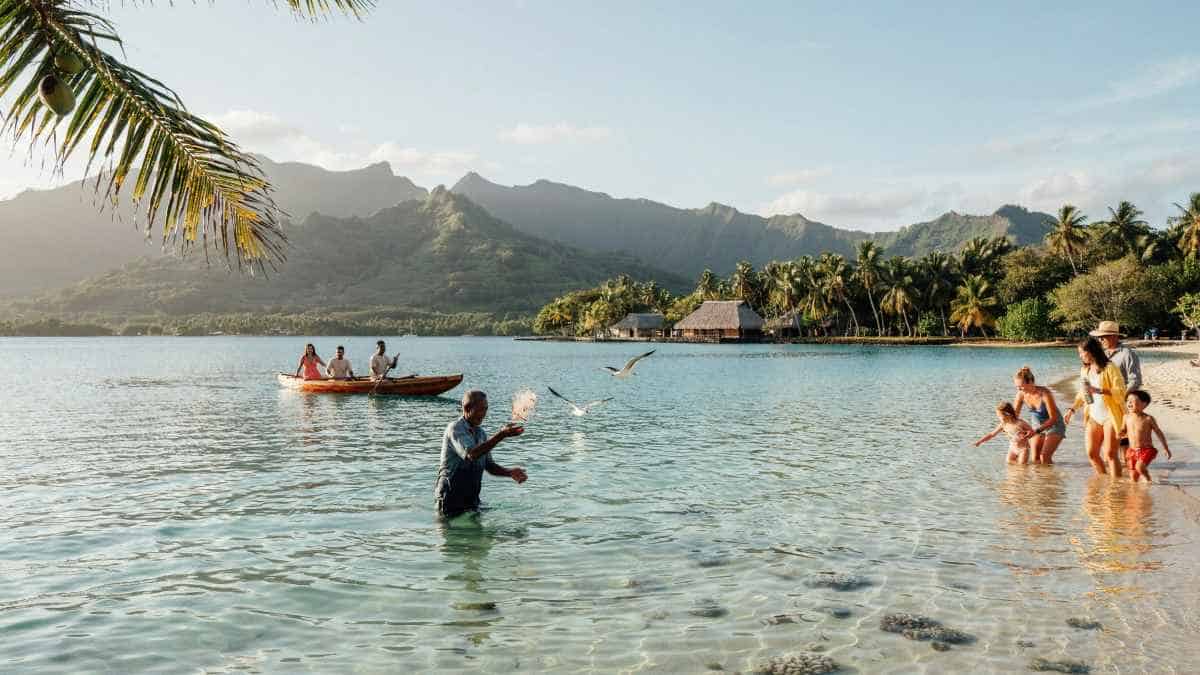
Image generated with Ai
The Cook Islands, Rarotonga, Aitutaki, Atiu and Mangaia are entering the winter travel season when the region receives an increasing number of tourists as far as the development of tourism is concerned, outside the famous resorts of the country. The high season for the Cook Islands from May to October has witnessed the arrival of numerous tourists due to the increasing attention to the Pa Enua or the Outer Islands that offer a lot for ecotourism, cultural and community-based tourism. The numbers show that in May 2026, the Cook Islands welcomed 17,285 visitors, which is an increase of 7.5% compared to April. New Zealand became the source of 62% of tourists who arrived in the island nation, while Australia accounted for 27%, Europe – 3.8% and the USA – 3.6%.
Rarotonga and Aitutaki Remain the Main Gateways
Rarotonga continues to serve as the principal gateway to the Cook Islands, with international services from New Zealand, Australia, Tahiti and the United States. Seasonal direct flights from Christchurch are also operating during the May-to-October 2026 period, while domestic flights connect Rarotonga with Aitutaki and other islands.
Aitutaki remains one of the country’s most recognisable travel destinations, centred on its expansive lagoon, beaches and marine experiences. The island can be reached from Rarotonga in around 50 minutes by domestic flight, making it accessible for both short excursions and longer stays.
The two islands therefore form the foundation for many international itineraries. Visitors can combine resort accommodation and lagoon activities with mountain walks, cultural experiences and locally operated excursions.
Advertisement
Advertisement
Pa Enua Gains a Stronger Tourism Role
The country’s tourism strategy is increasingly focused on spreading benefits beyond the main centres. The Cook Islands Destination Stewardship Plan 2026–2030, endorsed by Cabinet in December 2025, provides the framework for managing tourism around communities, environmental protection, cultural heritage and long-term wellbeing.
Advertisement
Advertisement
The approach is closely linked to Mana Tiaki, a concept centred on guardianship of the islands. Cook Islands Tourism describes it as a responsibility shared by residents, businesses and visitors, with tourism experiences designed to support communities, protect the environment and strengthen culture.
The programme is already supporting projects in Rarotonga, Aitutaki and Atiu. Its 2026 programme includes microgrants for local initiatives, while cultural storytelling projects are being developed with future pathways towards the Pa Enua.
This gives smaller islands a clearer role in the national visitor economy.
Advertisement
Advertisement
Atiu Combines Caves, Forest and Birdlife
Atiu offers one of the strongest nature-based experiences among the Pa Enua. The island is known for dense vegetation, raised coral limestone terrain and cave systems, including Anatakitaki Cave.
Birdwatching is another major attraction. Cook Islands Tourism identifies the endangered Kakerori, or Rarotonga flycatcher, among Atiu’s native birds, alongside the kopeka and several seabird species.
Advertisement
Advertisement
The island also has an established coffee-growing tradition, allowing visitors to combine eco-adventure with agricultural experiences. Local accommodation and guided excursions provide a smaller-scale alternative to the main resort areas.
Cook Islands Tourism has been working with Atiu’s community on regenerative tourism initiatives, including infrastructure, visitor activities and programmes designed to increase the benefits of tourism for residents.
Mangaia Adds Wildlife and Heritage
Mangaia provides another route into the less-developed side of the Cook Islands. The island is one of the oldest in the Pacific and is characterised by a volcanic plateau surrounded by raised fossilised coral cliffs.
Its caves, wetlands, archaeological sites and local communities create a varied nature and heritage itinerary. The island is also home to the Mangaia kingfisher, a distinctive endemic bird that can be encountered during nature-focused exploration.
Cook Islands Tourism has been working with Mangaia’s community to revitalise sustainable tourism, including digital marketing and regenerative tourism development.
Advertisement
Advertisement
Cultural Heritage Becomes Part of the Visitor Journey
Cultural preservation is also becoming more visible within the Cook Islands’ tourism planning. The Taki Tua Peu Māori programme is developing cultural storytelling installations that highlight ancestral history, language and living heritage.
One of the latest projects is Avana Nui Maruarua in Ngatangiia, Rarotonga, which was officially unveiled in June 2026 as the flagship site for the cultural storytelling programme.
Mana Tiaki principles are also being incorporated into visitor experiences, encouraging travellers to engage with local culture and the environment responsibly.
Expedition Cruises Expand Island Access
Cruise tourism continues to add another layer to the Cook Islands’ visitor economy. The official 2026 cruise schedule includes calls by Silver Dawn, Seabourn Quest, Paul Gauguin, Scenic Eclipse, MS Sirena, Starbreeze and other vessels at Rarotonga and Aitutaki.
Silversea’s Silver Cloud is also scheduled to include Rarotonga and Aitutaki on a 34-day 2027 expedition voyage linking South America, Easter Island, French Polynesia and the wider South Pacific.
Advertisement
Advertisement
These itineraries position the Cook Islands within longer expedition journeys rather than treating the destination solely as a standalone beach holiday.
A Wider Cook Islands Travel Experience
The expanding tourism offer now covers several distinct travel themes:
- Rarotonga: Culture, hiking, lagoons, food and island activities.
- Aitutaki: Lagoon travel, marine excursions and resort stays.
- Atiu: Caves, birdwatching, coffee and community experiences.
- Mangaia: Wildlife, caves, heritage and rural island life.
- Pa Enua: Smaller-scale cultural and nature-based tourism.
This has led to the development of a tourism concept for the Cook Islands that links up the existing popularity of Rarotonga and Aitutaki with an expanded range of islands where nature, culture, and community involvement play an increasingly important role.
Advertisement
