
South Korea Transforms Travel as Seoul and Busan Lead AI-Powered Smart Tourism Innovation

Updated
Published
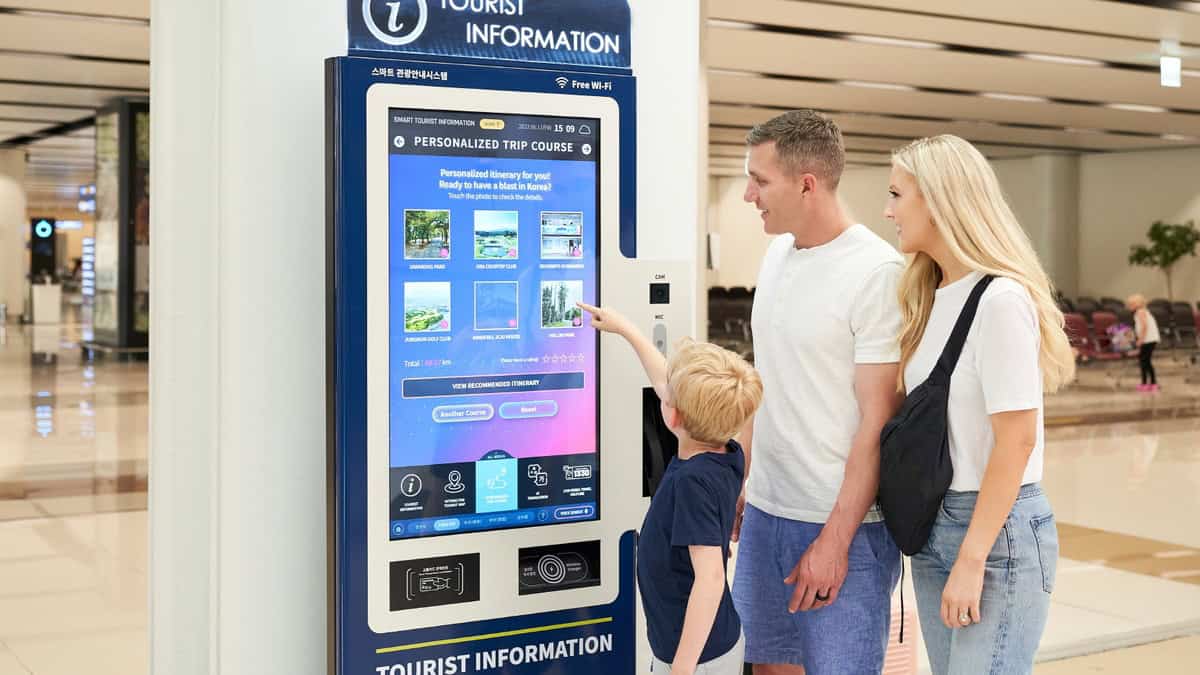
South Korea is advancing a new phase of travel technology by moving beyond basic digital tourism services towards AI-powered smart tourism ecosystems designed to personalise, simplify and improve the visitor journey. Seoul and Busan are emerging as key destinations in this transformation, combining artificial intelligence, tourism data, smart mobility, digital platforms, multilingual services and personalised recommendations to create more connected experiences for international travellers. The development represents a wider shift in global tourism, where destinations are becoming technology-enabled travel platforms rather than only physical locations.
South Korea Moves From Smart Destinations To Intelligent Travel Ecosystems
South Korea’s latest travel technology direction is centred on creating smarter tourism environments where technology supports every stage of a traveller’s journey, from trip planning before arrival to navigation, payments and local experiences during the stay.
The country’s smart tourism strategy is based on integrating information and communication technology into tourism services. The Korea Tourism Organization defines smart tourism cities as destinations that use smart technology to enhance local travel experiences by connecting visitors with digital services, personalised content and convenient travel solutions.
The exclusive industry angle is that South Korea is not only adding digital tools to tourism. It is building an interconnected visitor infrastructure where data, artificial intelligence and location-based services can reduce travel friction.
Advertisement
Advertisement
For international travellers, this means future trips could become more personalised. Instead of searching across multiple platforms for attractions, transport, language support and local recommendations, visitors can increasingly access integrated systems designed around their individual preferences.
Advertisement
Advertisement
This approach places South Korea among destinations experimenting with the next generation of tourism technology, where convenience, personalisation and real-time information become central parts of the travel experience.
Seoul Becomes The Digital Tourism Laboratory For AI-Based Travel Experiences
Seoul is one of the strongest examples of South Korea’s smart tourism ambitions because the capital already operates as a major technology-driven urban environment.
The Seoul Metropolitan Government’s smart city strategy includes artificial intelligence, big data, digital platforms, open data systems and connected urban services. These foundations create opportunities for tourism applications such as AI travel recommendations, visitor information services and smarter mobility solutions.
The city’s importance for tourism technology comes from the combination of three factors:
| Seoul Smart Tourism Advantage | Traveller Impact |
|---|---|
| AI and big data infrastructure | More personalised recommendations and travel planning |
| Digital public services | Easier access to information and city services |
| Connected mobility systems | Smoother movement across attractions |
| Multilingual digital support | Reduced language barriers for overseas visitors |
Seoul’s role is increasingly changing from being only a destination that attracts visitors to becoming a platform that helps visitors experience the city more efficiently.
Advertisement
Advertisement
For travel companies, this creates new opportunities. Tour operators can develop technology-enhanced packages, while travel platforms can integrate smart recommendations, digital guides and personalised itineraries into their services.
The broader significance is that large urban destinations worldwide are moving towards similar models, where tourism success depends not only on attractions but also on how effectively technology connects travellers with experiences.
Busan Expands Smart Coastal Tourism Through AI, Data And Digital Convenience
Busan represents another important part of South Korea’s smart tourism development because the city combines coastal tourism, cruise potential, cultural attractions and digital innovation.
The Busan Metropolitan Government has established policies supporting smart tourism ecosystems based on information and communication technology. The city’s smart tourism framework includes smart tourism services, tourism data collection, digital infrastructure expansion and technology-based visitor experiences.
Busan’s tourism technology development is closely connected with its ambition to become a stronger global tourism hub. The city’s long-term tourism strategy includes improving foreign visitor convenience through artificial intelligence, big data, smarter mobility and digital travel services.
Advertisement
Advertisement
| Busan Technology Focus | Benefit For Travellers |
|---|---|
| AI-based personalised recommendations | More relevant attraction and itinerary suggestions |
| Smart mobility services | Easier movement around the city |
| Digital tourism platforms | One-stop access to travel information |
| Data-based tourism management | Better destination planning |
The significance of Busan is that smart tourism is being applied beyond capital cities. Coastal destinations and regional tourism hubs are increasingly using technology to compete internationally and encourage longer visitor stays.
Digital Tourist Information Systems Reduce Travel Barriers For International Visitors
A major part of South Korea’s technology-driven tourism approach is improving practical travel convenience.
The Visit Korea Committee operates a Smart Tourist Information System that provides multilingual digital tourism support at important tourism and transport locations. The system offers attraction information, personalised travel recommendations, location-based maps, real-time transport information, translation services and connections to tourist assistance services.
For international visitors, these systems address some of the biggest challenges during overseas travel:
| Traveller Challenge | Technology Solution |
|---|---|
| Language difficulties | AI and multilingual translation support |
| Finding attractions | Digital maps and personalised recommendations |
| Transport uncertainty | Real-time travel information |
| Trip planning complexity | Integrated tourism platforms |
This development is particularly important as international travellers increasingly expect destinations to provide the same level of digital convenience they experience in daily life.
Advertisement
Advertisement
Why South Korea’s Smart Tourism Model Matters For Global Travel Industry
South Korea’s technology-led tourism transformation reflects a wider global movement. Destinations are competing not only through natural attractions, culture and hospitality but also through digital experience quality.
The next generation of tourism infrastructure will likely involve a combination of physical assets and invisible technology networks.
Airports, transport systems, attractions, hotels and tourism authorities are increasingly connected through shared data environments. This allows destinations to understand visitor behaviour, improve services and create more personalised journeys.
For travel businesses, the development creates both opportunities and operational challenges.
Companies that understand smart tourism systems can create better products by combining technology with traditional travel experiences. However, they will also need stronger digital capabilities, data management practices and partnerships with technology providers.
Advertisement
Advertisement
South Korea’s approach demonstrates that future destination competitiveness may depend on how effectively a location can transform information into better visitor experiences.
Key Operational Takeaways For Travel Agents And Tour Operators
- Monitor South Korea’s smart tourism platforms because digital services may influence future itinerary design.
- Consider adding technology-based experiences such as AI-assisted city exploration, digital guides and personalised travel planning.
- Prepare customers for increasingly app-based destination services covering transport, attractions and local information.
- Explore Seoul and Busan as technology-focused destinations for future premium travel products.
- Track developments in AI tourism because personalised travel services are expected to expand globally.
- Build partnerships with technology providers to create smoother international visitor experiences.
Long-Term Outlook
South Korea’s smart tourism transformation signals a major change in how destinations will compete in the international travel market. Seoul and Busan demonstrate how cities can combine technology, infrastructure and tourism strategy to create more personalised visitor journeys.
The future of travel will increasingly depend on destinations that can provide seamless digital support alongside authentic experiences. South Korea’s development of AI-powered tourism ecosystems positions the country as an important example of how technology can reshape global tourism, from trip planning and navigation to personalised discovery and destination management.
Advertisement
