
Kyrgyzstan Advances With Uzbekistan and Others as Central Asia Visa Access Gets Easier Through Digital Reforms

Published
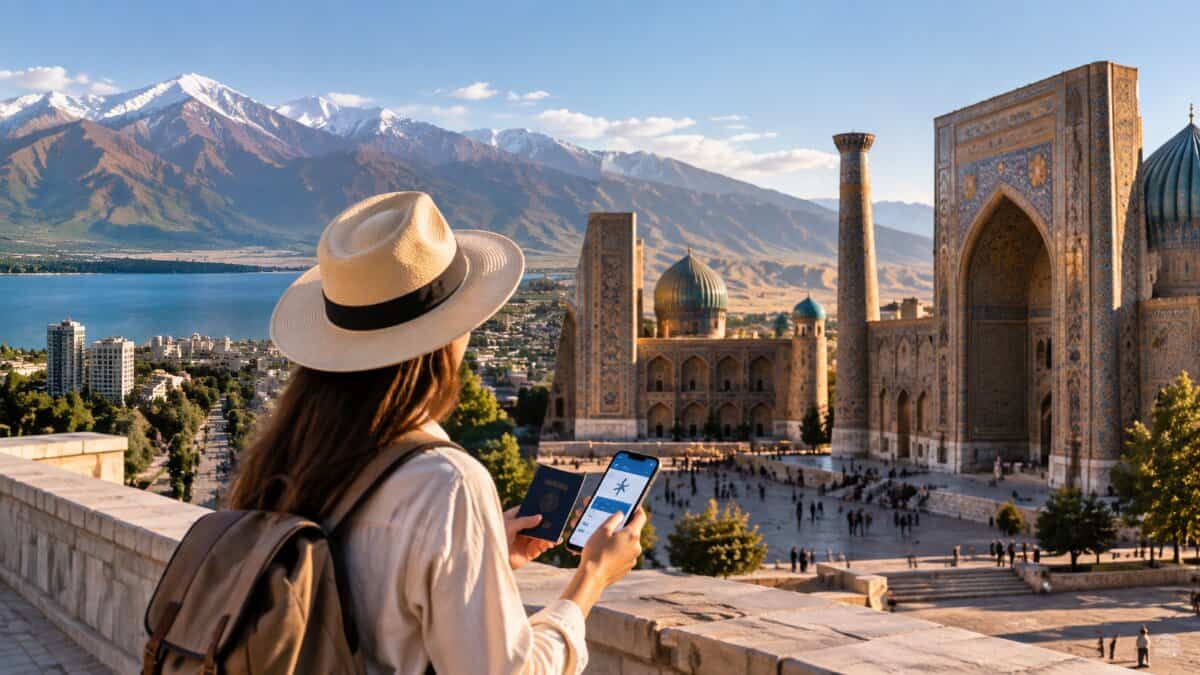
Image generated with Ai
Central Asia is entering a new phase of travel accessibility as Kyrgyzstan, Kazakhstan and Uzbekistan expand digital visa systems, simplified entry procedures and cross-border tourism cooperation. While a single unified Central Asian visa has not yet become an operational reality, individual visa reforms are creating the foundation for easier multi-country journeys across the historic Silk Road. The development is especially important for travellers planning combined itineraries covering Kyrgyzstan’s mountain landscapes, Kazakhstan’s transport hubs and Uzbekistan’s UNESCO heritage cities such as Samarkand and Bukhara.
Central Asia Visa Simplification Creates New Opportunities For Multi-Country Tourism
Central Asia’s travel market is moving towards a more connected model as governments modernise visa procedures and introduce digital entry solutions designed to reduce administrative barriers for international visitors.
Advertisement
Advertisement
The emerging trend is not based on one single regional visa system but on a combination of national reforms that allow travellers to plan longer journeys across neighbouring countries with fewer procedural challenges.
The most visible developments are coming from Kyrgyzstan, Kazakhstan and Uzbekistan, where official electronic visa platforms and simplified immigration procedures are becoming important tools for tourism growth.
Advertisement
Advertisement
According to official government information, Uzbekistan operates an electronic visa platform managed through its Ministry of Foreign Affairs, while Kazakhstan and Kyrgyzstan also provide official digital visa channels for eligible foreign travellers.
Advertisement
Advertisement
This creates a new travel pattern where Central Asia is increasingly marketed not as separate destinations but as a connected region built around shared Silk Road heritage, cultural tourism, adventure experiences and cross-border exploration.
Kyrgyzstan Leads Digital Entry Transformation From Bishkek Gateway
Kyrgyzstan has become one of the most important countries in Central Asia’s visa modernisation efforts because of its focus on digital access and adventure tourism development.
The country’s official e-visa system allows eligible travellers to apply online without visiting diplomatic missions, creating a simpler process for visitors planning trips to destinations such as Bishkek, Issyk-Kul Lake, the Tien Shan mountains and remote nomadic regions.
Advertisement
Advertisement
Kyrgyzstan’s Visa Advantage For Adventure Tourism
| Area | Tourism Impact |
|---|---|
| Bishkek | Main international arrival point and regional travel gateway |
| Issyk-Kul | Major lake tourism destination |
| Tien Shan Mountains | Trekking, hiking and adventure travel attraction |
| Digital visa system | Reduces embassy-based application barriers |
For international tour operators, Kyrgyzstan’s simplified entry procedures create opportunities to combine mountain tourism with neighbouring destinations.
A traveller arriving in Bishkek can potentially build a broader Central Asian itinerary that includes Kazakhstan’s Almaty region or Uzbekistan’s historic cities.
Advertisement
Advertisement
The strategic importance of Kyrgyzstan is its position between nature-based tourism and regional connectivity. Its tourism identity complements Uzbekistan’s cultural heritage and Kazakhstan’s urban and transport infrastructure.
Uzbekistan Connects Samarkand Heritage With Easier Visitor Access
Uzbekistan represents the cultural centre of the emerging Central Asian tourism corridor because of its internationally recognised Silk Road destinations.
Cities such as Samarkand, Bukhara and Khiva provide a strong foundation for international tourism, while improved visa accessibility helps increase the attractiveness of multi-destination travel packages.
According to Uzbekistan’s official government information, the country maintains visa-free arrangements with several countries and operates an electronic visa system for eligible foreign nationals.
Uzbekistan Visa Features Supporting Tourism Growth
| Feature | Traveller Benefit |
|---|---|
| Online visa application | Reduces physical paperwork |
| Digital approval process | Faster access to travel documentation |
| Visa-free agreements with selected countries | Encourages regional mobility |
| International airport connectivity | Supports long-distance tourism flows |
Samarkand has become especially important because it represents the historical centre of Silk Road tourism. The city’s heritage attractions, combined with Uzbekistan’s improved digital visa infrastructure, strengthen its role as a starting point for regional cultural journeys.
Advertisement
Advertisement
The wider opportunity is the creation of travel products that combine Uzbekistan’s heritage routes with Kyrgyzstan’s landscapes and Kazakhstan’s modern tourism infrastructure.
Kazakhstan Strengthens Regional Mobility Through Digital Visa Infrastructure
Kazakhstan plays a different role within the Central Asian travel ecosystem. While Uzbekistan attracts visitors through historical tourism and Kyrgyzstan through nature experiences, Kazakhstan provides scale, transport connectivity and international access.
According to Kazakhstan’s official government guidance, its e-visa system provides a simplified visa process for eligible foreign nationals travelling for purposes including tourism and other approved categories.
Kazakhstan’s Tourism Connectivity Role
| Destination | Importance |
|---|---|
| Almaty | Major aviation and tourism gateway |
| Astana | Business, government and MICE destination |
| Charyn Canyon | Nature tourism attraction |
| Mountain regions | Adventure and outdoor tourism |
The country’s infrastructure advantage allows it to function as a bridge between Central Asia, Europe and Asia-Pacific markets.
For travel companies, Kazakhstan provides an important entry point for travellers seeking combined Central Asian itineraries.
Advertisement
Advertisement
Tajikistan And Turkmenistan Remain Important Future Links
Although current digital visa developments are most visible in Kyrgyzstan, Kazakhstan and Uzbekistan, Tajikistan and Turkmenistan remain important parts of the wider regional tourism picture.
Tajikistan contributes strong adventure tourism potential through the Pamir Mountains and high-altitude landscapes.
Its inclusion in wider Central Asian travel planning is linked to:
- trekking routes,
- mountain expeditions,
- cultural tourism,
- Silk Road heritage.
Turkmenistan adds a different tourism dimension through archaeological and historical attractions, including ancient Silk Road locations.
The two countries demonstrate why regional visa coordination matters. Multi-country tourism products require travellers to understand entry rules across several borders, making simplified procedures increasingly valuable.
Advertisement
Advertisement
Why The Visa Reform Trend Matters For Travel Businesses
The biggest industry impact is not only about individual travellers obtaining visas more easily. It is about changing how international travel companies design products.
Previously, Central Asia was often sold as separate country experiences. The emerging trend allows operators to create longer itineraries combining:
- cultural tourism,
- adventure travel,
- heritage routes,
- mountain exploration,
- luxury expedition travel.
Potential Multi-Country Tourism Products
| Route Concept | Countries Included |
|---|---|
| Silk Road Heritage Journey | Uzbekistan, Kazakhstan |
| Mountain Adventure Route | Kyrgyzstan, Kazakhstan, Tajikistan |
| Central Asian Cultural Circuit | Uzbekistan, Kyrgyzstan, Kazakhstan |
| Archaeological Exploration Route | Uzbekistan, Turkmenistan |
This approach could increase average visitor spending because travellers staying longer across multiple destinations generally require more accommodation nights, transport services and guided experiences.
Operational Impact For Travel Agents And Tour Operators
Travel companies planning Central Asia packages should focus on:
- verifying each traveller’s nationality-specific visa requirement before booking;
- avoiding assumptions that one country’s visa rules apply across the entire region;
- creating flexible itineraries because entry rules remain country-specific;
- monitoring official immigration updates before departure;
- educating customers about passport validity requirements;
- building partnerships with local operators in each destination.
Long-Term Outlook
Central Asia’s visa transformation represents a gradual shift from isolated national tourism markets towards a more connected regional travel ecosystem. The combination of digital visas, improved border processes and shared Silk Road branding creates new possibilities for international tourism growth.
Advertisement
Advertisement
The future strength of the region will depend on continued cooperation between governments, transport providers and tourism businesses. If entry procedures become increasingly coordinated, Central Asia could become a stronger competitor in the global cultural, adventure and heritage tourism market.
Frequently Asked Questions
1. Has Central Asia launched a single unified tourist visa?
No. As of 24 September 2026, there is no confirmed operational Central Asian equivalent of the Schengen visa. The current development is based on separate national visa reforms and digital entry systems.
2. Which countries are most connected to Central Asia visa simplification?
Kyrgyzstan, Kazakhstan and Uzbekistan are the most closely associated because they have developed official digital visa systems and tourism accessibility reforms.
3. Why is Uzbekistan important for this travel trend?
Uzbekistan provides the strongest cultural tourism foundation through Silk Road cities including Samarkand, Bukhara and Khiva, making it a key destination for international multi-country itineraries.
4. Can travellers use one visa to visit Kyrgyzstan, Kazakhstan and Uzbekistan?
Travellers must currently check each country’s individual entry requirements. Separate visa rules continue to apply unless specific bilateral arrangements exist.
5. How will visa reforms affect tourism growth?
Simpler digital procedures can reduce travel barriers, support longer stays and encourage international tour operators to develop wider Central Asian travel packages.
Advertisement
