
Idaho Unites With Hawaii and Regional Partners Driving Nationwide Adventure Tourism Surge

Published
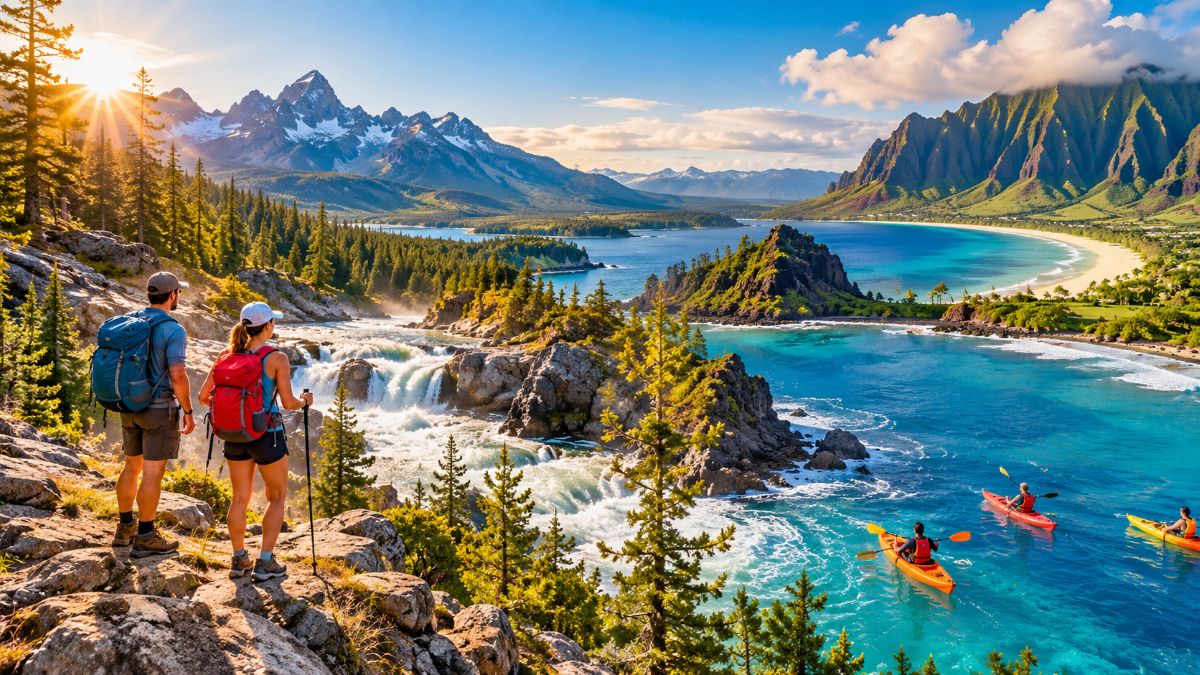
Image generated with Ai
The United States outdoor recreation and adventure travel sector has entered an interconnected era of development. State tourism offices across northern, western, and island corridors are aligning collaborative initiatives to distribute traveller flows beyond high-density urban areas into wilderness, alpine, and coastal landscapes. By building collective marketing frameworks and unified conservation management models, regional organisations are directing domestic and international visitation towards nature-centric pursuits. This synchronised approach enables travellers to combine varied sporting itineraries, linking mountain river expeditions with remote national park excursions and ocean sports under shared safety standards.
State destination bodies in the Pacific Northwest, Rocky Mountain region, and Central Appalachia recognise that contemporary travellers seek immersive experiential journeys rather than isolated leisure stops. Emerging inter-state cooperative strategies emphasize ecological resilience, multi-activity route development, and verified outdoor guiding services. Through coordinated infrastructure improvements, streamlined permitting systems, and community-led visitor dispersion policies, destination stewardship councils are establishing durable models that safeguard fragile natural habitats while stimulating regional travel economies from river corridors to high-elevation peaks.
Collaborative Tourism Corridors Across Diverse Landscapes
The formal alignment between outdoor sports organisations in the Pacific Northwest and maritime recreation entities in the central Pacific demonstrates an evolving operational strategy in destination management. By packaging contrasting geographic assets, marketing bodies help travellers plan seasonal journeys that transition smoothly from whitewater corridors along the Salmon River and Hells Canyon directly to world-class surfing breaks on tropical shores. Coordinated messaging educates visitors on water safety, resource protection, and seasonal weather windows, ensuring long-term ecological balance across riverbeds and coastal marine environments.
The expansion of collaborative destination strategies also integrates premier geothermal wonderlands in the northern Rockies with high-altitude climbing centres in the Appalachian mountains. Inter-regional travel programs showcase the geological diversity of protected terrains, guiding visitors from the boardwalks of Grand Prismatic Spring and wildlife habitats in the Lamar Valley directly to sandstone rock faces in Appalachia. Destination organisations utilize collective data systems to assess seasonal carrying capacities, distribute foot traffic evenly across shoulder months, and reduce visitor impacts on sensitive wildlife migration pathways.
Advertisement
Advertisement
| Destination Region | Primary Adventure Sector | Critical Seasonal Window | Key Environmental Management Focus |
|---|---|---|---|
| Pacific Northwest River Corridors | Whitewater Rafting and Jetboating | May to September | Riparian habitat preservation and riverbed erosion mitigation |
| Central Pacific Shorelines | Coastal Surfing and Ocean Recreation | November to April | Coral reef conservation and ocean water safety management |
| Northern Rocky Mountains | Geothermal and Backcountry Hiking | June to October | Wildlife migration corridors and thermal feature protection |
| Central Appalachian Gorges | Sandstone Sport Rock Climbing | September to November | Cliffline preservation and designated trail stabilization |
| Wasatch Alpine Ranges | Downhill Skiing and Snowboarding | December to April | Alpine watershed management and winter trail safety |
Seasonal Dispersion Strategies and Regional Economic Impact
Winter sports hubs across the Wasatch Range play an indispensable role in multi-region adventure networks by capturing high-value seasonal travel demand. Coordinated flight schedules, integrated mountain passes, and regional transportation links allow global sports enthusiasts to combine alpine skiing near Salt Lake City with subsequent warm-weather recreation across southern and island regions. This level of cross-market distribution mitigates local tourism seasonality, offering steady employment for certified mountain guides, alpine hospitality operators, and outdoor retail providers throughout extended operational windows.
Spreading visitors into regional adventure hubs generates crucial financial support for public lands stewardship and regional infrastructure maintenance. State agencies direct revenue generated through adventure gear rentals, backcountry entry permits, and licensed guiding concessions directly back into visitor infrastructure, trail repairs, and indigenous heritage interpretation programs. When state tourism authorities unite to promote sustainable adventure networks, they safeguard rural natural resources while establishing viable economic pipelines that sustain outdoor communities for generations.
Advertisement
Advertisement
Frequently Asked Questions
How does collaborative adventure tourism benefit international travellers visiting the United States? Collaborative tourism initiatives provide seamless itineraries, unified booking resources, and transparent seasonal recreation guidance across multiple states, enabling international visitors to navigate diverse wilderness destinations with enhanced safety and efficiency.
What is the ideal time of year to combine mountain rafting and alpine skiing? Late spring provides a viable transitional window where late-season snowpack permits skiing across high Wasatch elevations while early snowmelt opens whitewater rafting runs in river canyons.
Advertisement
Advertisement
Why are state destination offices shifting focus towards visitor dispersion strategies? Visitor dispersion reduces environmental strain on over-visited national park hotspots, distributes commercial expenditure into rural gateway communities, and balances ecological wear across sensitive public lands.
Which safety standards apply to commercial outdoor guiding operators across state lines? Commercial adventure operators must maintain valid operating permits, hold commercial general liability insurance, follow wilderness first responder protocols, and comply with state and federal land agency safety regulations.
How do seasonal swell patterns determine surf travel planning? Winter months produce large ocean swells suited for advanced surfing on northern island shores, whereas summer periods generate gentle wave breaks ideal for novice surf instruction.
What measures protect geothermal ecosystems during heavy visitation periods? Parks deploy elevated wooden boardwalks, strict off-trail regulations, real-time thermal monitoring, and ranger enforcement to protect fragile geothermal formations from foot traffic and prevent visitor accidents.
Advertisement
Advertisement
How do multi-state adventure corridors support local conservation projects? Recreation fees, commercial guiding permits, and state tourism taxes generated along adventure corridors fund native habitat restoration, erosion control, and wildlife monitoring programs.
Are introductory lessons widely accessible for technical rock climbing in national parks? Accredited local guide services provide certified gear, safety ropes, harness instruction, and introductory coaching on designated sandstone cliffs suitable for all technical skill levels.
How does regional public transit integrate with winter alpine sports destinations? Major gateway cities provide dedicated ski buses and direct shuttle services linking urban transit centers directly to mountain base lodges, significantly reducing alpine canyon car congestion.
Where can visitors verify active backcountry trail conditions before departure? Travellers can inspect conditions through official national park visitor centres, state wildlife agency portals, regional avalanche forecasting centres, and licensed mountain ranger posts.
Advertisement
