

Move Over, Morocco: Why Egypt, Kenya, and South Africa Are Stealing the Global Tourism Spotlight

Published
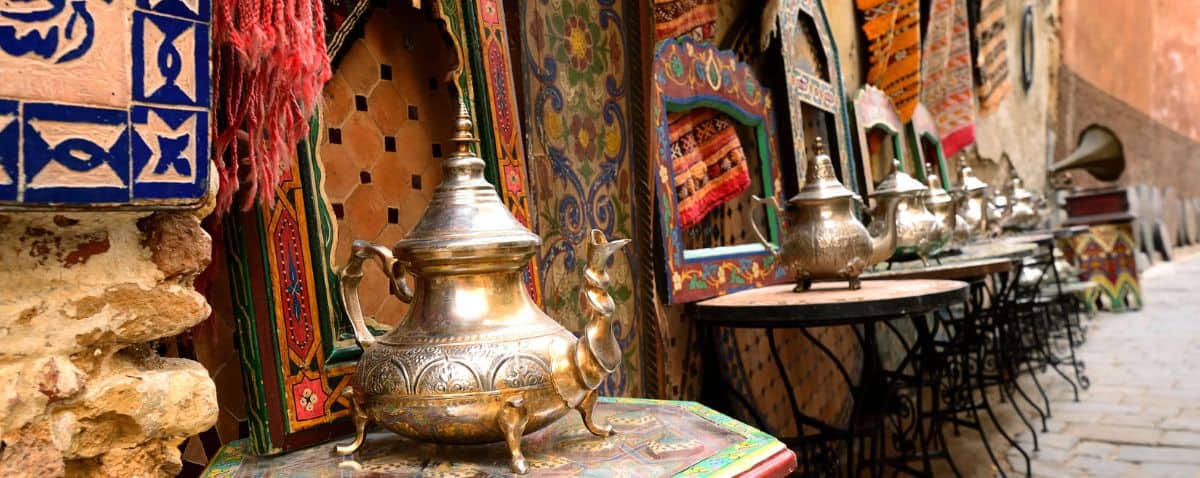
Image Credit: VisitMorocco
Move Over, Morocco: Why Egypt, Kenya, and South Africa Are Stealing the Global Tourism Spotlight as Africa enters a new era of tourism expansion driven by strong visitor growth, improved connectivity and rising international demand. The reason behind this shift is the growing appeal of diverse travel experiences, from Egypt’s ancient heritage and Red Sea resorts to Kenya’s world-famous safaris and South Africa’s wildlife, cities and coastal attractions. While Move Over, Morocco highlights the rise of new competitors, Morocco continues to remain a major tourism success story. However, Egypt, Kenya, and South Africa are increasingly Stealing the Global Tourism Spotlight by attracting millions of travellers through unique experiences, tourism investment and stronger global promotion. The growth of these destinations shows that Africa’s tourism future is becoming more competitive, diverse and influential in the global travel market.
Why Are Egypt, Kenya, and South Africa Challenging Morocco’s Tourism Dominance?
Morocco has become one of Africa’s strongest tourism performers, welcoming record visitor numbers through its combination of cultural heritage, coastal destinations and improved tourism infrastructure. However, other African countries are now rapidly expanding their global presence by offering different experiences that appeal to modern travellers.
Egypt, Kenya and South Africa are gaining attention because they provide highly distinctive tourism products:
Advertisement
Advertisement
| Country | Main Tourism Strength |
|---|---|
| Egypt | Ancient history and Red Sea resorts |
| Kenya | Safari and wildlife experiences |
| South Africa | Wildlife, cities and adventure tourism |
The growth of these destinations does not replace Morocco’s success. Instead, it highlights a broader African tourism transformation where multiple countries are attracting international visitors through unique experiences, stronger connectivity and improved hospitality investment.
Africa Tourism Growth Leaders: Visitor Numbers and Revenue Comparison of Morocco, Egypt, Kenya and South Africa
Morocco’s tourism boom is part of a wider African tourism transformation, with Egypt, Kenya and South Africa also recording strong visitor growth and rising tourism revenues. Official government statistics show that these countries are benefiting from stronger international demand, improved connectivity, wildlife tourism, cultural attractions and investment in hospitality infrastructure.
Advertisement
Advertisement
Africa’s Tourism Growth Comparison: Morocco, Egypt, Kenya and South Africa
| Country | Tourist Arrivals (Latest Official Data) | Tourism Growth Compared With Previous Year | Tourism Revenue / Economic Contribution | Main Growth Drivers |
|---|---|---|---|---|
| Morocco | 19.8 million tourists in 2025 | Around +14% vs 2024 | Tourism receipts continued rising with record visitor spending | Heritage tourism, Marrakech, coastal resorts, air connectivity |
| Egypt | 19 million tourists in 2025 | Around +21% growth in 2025 | Tourism revenue reached around $15 billion in 2024; strong revenue growth continued in 2025 | Pyramids, Red Sea resorts, Grand Egyptian Museum, cultural tourism |
| Kenya | 2.7 million international arrivals in 2025 (7.9 million total visitors including domestic) | Around +9% international arrivals vs 2024 | Around KSh 500 billion ($3.8 billion) tourism earnings in 2025 | Safari, Maasai Mara, beaches, adventure tourism |
| South Africa | 10.5 million international arrivals in 2025 | Continued record recovery after 2024 growth | Tourism contributes significantly to GDP and employment | Safari, Cape Town, wine tourism, beaches |
How Does Morocco Compare With Other African Tourism Powerhouses?
Morocco remains one of Africa’s strongest tourism performers, reaching a historic milestone of 19.8 million visitors in 2025. The country’s success has been driven by its ability to combine multiple tourism products, including cultural cities, desert experiences, Atlantic beaches and luxury hospitality.
| Morocco Tourism Strength | Example |
|---|---|
| Cultural tourism | Marrakech, Fez, historic medinas |
| Coastal tourism | Agadir, Atlantic resorts |
| Adventure tourism | Sahara Desert, Atlas Mountains |
| Luxury tourism | Boutique hotels and premium resorts |
Morocco’s tourism model has become a reference point for other African destinations because it does not rely on a single attraction. Instead, it offers a complete travel experience combining history, nature and modern infrastructure.
Advertisement
Advertisement
Why Is Egypt Becoming Africa’s Fastest-Rising Tourism Competitor?
Egypt recorded one of its strongest tourism performances, welcoming around 19 million tourists in 2025, according to official Egyptian government information.
The country’s tourism growth is being driven by:
- ancient Egyptian heritage,
- Red Sea resorts,
- cruise tourism,
- improved aviation links,
- the opening and promotion of major cultural attractions.
Egypt’s tourism revenue reached record levels, with official and government-linked sources reporting approximately $15 billion in tourism income in 2024.
| Egypt Tourism Segment | Key Destination |
|---|---|
| Heritage tourism | Cairo, Giza, Luxor |
| Beach tourism | Hurghada, Sharm El Sheikh |
| Luxury tourism | Red Sea resorts |
| Cultural tourism | Grand Egyptian Museum |
Egypt’s strategy is similar to Morocco’s: combining iconic heritage with modern tourism infrastructure to attract higher-spending visitors.
Advertisement
Advertisement
How Is Kenya Growing Through Safari and Experience-Based Tourism?
Kenya’s tourism growth is being powered by wildlife, nature and premium travel experiences.
According to Kenya tourism sector performance data, the country welcomed around 7.9 million visitors in 2025, including domestic and international travellers, with tourism earnings reaching approximately KSh 500 billion ($3.8 billion).
International arrivals increased from approximately 2.47 million in 2024 to 2.7 million in 2025, representing around 9% growth.
| Kenya Tourism Product | Attraction |
|---|---|
| Wildlife tourism | Maasai Mara, Great Migration |
| Adventure tourism | Mount Kenya |
| Coastal tourism | Mombasa, Diani Beach |
| Cultural tourism | Local communities |
Kenya’s advantage is its ability to combine safari experiences with beach holidays, allowing travellers to enjoy multiple experiences in one trip.
Why Is South Africa Strengthening Its Global Tourism Position?
South Africa continues to be one of Africa’s most diverse tourism markets, offering wildlife, cities, beaches and luxury experiences.
According to Statistics South Africa, the country recorded 8.92 million international arrivals in 2024, representing a 5.1% increase compared with 2023.
Advertisement
Advertisement
In 2025, South Africa reached a record milestone with 10.5 million international arrivals, while January–March 2026 recorded 2.91 million inbound travellers.
| South Africa Tourism Segment | Destination |
|---|---|
| Safari | Kruger National Park |
| Urban tourism | Cape Town, Johannesburg |
| Coastal tourism | Durban, Garden Route |
| Wine tourism | Western Cape |
South Africa’s strength comes from offering a complete tourism ecosystem rather than relying on one attraction.
Which Country Is Growing Fastest in Africa Tourism?
Based on recent percentage growth:
| Country | Approximate Tourism Growth |
|---|---|
| Egypt | +21% (2025) |
| Morocco | +14% (2025) |
| Kenya | +9% international arrivals (2025) |
| South Africa | +5% in 2024; record arrivals in 2025 |
Egypt has shown the fastest percentage expansion among these major markets, while Morocco has achieved one of Africa’s strongest absolute visitor numbers.
What Is Driving Africa’s Tourism Revenue Growth?
Across Morocco, Egypt, Kenya and South Africa, several common factors are supporting tourism expansion:
| Growth Factor | Impact |
|---|---|
| Better air connectivity | Easier international access |
| Hotel investment | Increased accommodation capacity |
| Global marketing | Stronger destination awareness |
| Experience tourism | Higher visitor spending |
| Luxury travel | Premium tourism growth |
African destinations are increasingly moving away from only increasing visitor numbers and focusing on attracting longer stays and higher-spending travellers.
Advertisement
Advertisement
Africa Tourism Outlook: Can These Countries Challenge Europe and Asia?
The growth of Morocco, Egypt, Kenya and South Africa shows that Africa is becoming more competitive in the global tourism market.
Each destination offers a different advantage:
| Country | Global Tourism Identity |
|---|---|
| Morocco | Culture, cities and Mediterranean-style experiences |
| Egypt | Ancient history and Red Sea tourism |
| Kenya | Wildlife and adventure |
| South Africa | Complete lifestyle tourism |
The next challenge will be managing rapid growth sustainably by investing in infrastructure, protecting natural resources and ensuring local communities benefit from tourism expansion.
How Is Egypt Becoming One of Africa’s Fastest-Growing Tourism Destinations?
Egypt is strengthening its position as a global tourism powerhouse by combining some of the world’s most recognised heritage attractions with modern coastal tourism.
The country attracts visitors through:
- Pyramids of Giza,
- ancient temples,
- Nile cruises,
- Red Sea resorts,
- desert experiences.
Official tourism data has shown strong growth in Egypt’s international arrivals, supported by increased air connectivity and renewed demand for cultural tourism. (Egypt Ministry of Tourism and Antiquities)
Advertisement
Advertisement
Egypt’s tourism strategy focuses on expanding beyond traditional sightseeing by promoting:
| Tourism Segment | Example |
|---|---|
| Heritage tourism | Cairo, Luxor, Aswan |
| Beach tourism | Hurghada, Sharm El Sheikh |
| Luxury tourism | Red Sea resorts |
| Adventure tourism | Desert activities |
This combination allows Egypt to compete with global destinations by offering both history and relaxation within one journey.
Why Is Kenya Capturing Global Attention Through Wildlife Tourism?
Kenya has become one of Africa’s most recognised wildlife destinations, attracting travellers seeking authentic nature experiences.
The country’s tourism appeal is built around:
- Maasai Mara National Reserve,
- Great Migration,
- Mount Kenya,
- Indian Ocean beaches.
Kenya’s tourism authorities have focused on promoting premium and sustainable tourism, targeting visitors interested in unique experiences rather than only traditional holidays. (Kenya Ministry of Tourism and Wildlife)
| Kenya Tourism Advantage | Visitor Appeal |
|---|---|
| Safari experiences | Global wildlife tourism |
| Beaches | Indian Ocean holidays |
| Culture | Local community experiences |
| Adventure | Outdoor exploration |
Kenya’s ability to combine safari and coastal tourism gives it an advantage similar to Morocco’s mix of cities, deserts and beaches.
Advertisement
Advertisement
How Is South Africa Expanding Its Position as a Global Tourism Leader?
South Africa remains one of Africa’s most diverse tourism destinations, offering a combination of urban experiences, nature, luxury and adventure.
The country attracts visitors through:
- Cape Town,
- Kruger National Park,
- Garden Route,
- wine regions,
- coastal destinations.
Official tourism statistics show continued recovery and growth in international arrivals as South Africa strengthens its position in global travel markets. (South African Tourism)
South Africa’s strength comes from diversity:
| Experience | Destination |
|---|---|
| Safari | Kruger National Park |
| City tourism | Cape Town, Johannesburg |
| Coastal travel | Durban, Garden Route |
| Luxury tourism | Private reserves |
Unlike destinations focused on one major attraction, South Africa offers multiple experiences within one country.
What Is Driving Africa’s Tourism Growth Beyond Morocco?
The rise of Egypt, Kenya and South Africa is supported by several common factors.
Advertisement
Advertisement
| Growth Driver | Tourism Impact |
|---|---|
| Better air connectivity | Easier international access |
| Hotel investment | More visitor capacity |
| Global marketing | Stronger destination awareness |
| Luxury tourism | Higher visitor spending |
| Cultural experiences | Greater international appeal |
African destinations are increasingly moving from traditional tourism promotion towards more sophisticated strategies focused on quality experiences and longer stays.
The continent is attracting travellers who want:
- adventure,
- culture,
- nature,
- wellness,
- authentic experiences.
Are Travellers Searching for More Unique Experiences in Africa?
Modern tourism demand is changing. Many travellers are moving away from only visiting famous cities and are searching for destinations offering meaningful experiences.
Africa benefits from this shift because the continent provides experiences that are difficult to replicate elsewhere.
Travellers are increasingly interested in:
- wildlife encounters,
- cultural immersion,
- desert landscapes,
- ancient history,
- coastal escapes.
Egypt, Kenya and South Africa are benefiting because their tourism products match these changing expectations.
Advertisement
Advertisement
The growth reflects a wider global movement towards experience-led travel rather than traditional sightseeing alone.
How Are Better Flights Helping Africa’s Tourism Expansion?
Air connectivity has become one of the most important factors supporting Africa’s tourism growth.
Countries across the continent have focused on:
- increasing international routes,
- improving airports,
- attracting airline partnerships.
Better connectivity makes destinations easier to access for visitors from:
- Europe,
- North America,
- Asia,
- the Middle East.
Morocco has benefited significantly from strong European connections, while Egypt, Kenya and South Africa are also expanding their international reach.
Improved aviation access allows more travellers to discover African destinations that were previously considered harder to reach.
Advertisement
Advertisement
Why Is Luxury Tourism Becoming Important for Africa’s Future Growth?
Many African countries are focusing on higher-value tourism rather than only increasing visitor numbers.
Luxury tourism provides:
- higher spending,
- longer stays,
- premium experiences,
- investment opportunities.
Examples include:
| Destination | Luxury Offering |
|---|---|
| Egypt | Red Sea resorts |
| Kenya | Luxury safari lodges |
| South Africa | Private reserves and wine tourism |
| Morocco | Boutique hotels and heritage stays |
This approach allows destinations to generate stronger economic benefits while managing tourism pressure.
Could Africa Become the Next Major Global Tourism Region?
Africa’s tourism growth suggests the continent is becoming increasingly competitive in global travel.
The region offers:
Advertisement
Advertisement
- unmatched wildlife,
- ancient civilisations,
- diverse landscapes,
- cultural experiences,
- luxury escapes.
However, future success depends on managing growth responsibly.
Countries must continue investing in:
- infrastructure,
- sustainability,
- workforce development,
- conservation.
The challenge is ensuring tourism growth benefits local communities while protecting natural and cultural resources.
Frequently Asked Questions
Is Morocco still Africa’s leading tourism destination?
Yes. Morocco remains one of Africa’s strongest tourism markets, but Egypt, Kenya and South Africa are experiencing rapid growth.
Why is Egypt attracting more tourists?
Egypt benefits from ancient heritage sites, Red Sea resorts, improved connectivity and diverse tourism experiences.
What makes Kenya popular among international travellers?
Kenya attracts visitors through safari experiences, wildlife, beaches and cultural tourism.
Advertisement
Advertisement
Why is South Africa important for African tourism?
South Africa offers diverse tourism products including wildlife, cities, beaches and luxury travel.
Is Africa becoming more competitive globally?
Yes. Improved infrastructure, air connectivity and destination marketing are helping African countries attract more international visitors.
Conclusion
Move Over, Morocco: Why Egypt, Kenya, and South Africa Are Stealing the Global Tourism Spotlight reflects a major shift in Africa’s tourism story. The cause behind this transformation is growing global demand for authentic experiences, improved connectivity and stronger tourism investment. The answer is clear: Egypt, Kenya and South Africa are expanding their appeal through heritage, wildlife and luxury travel. While Move Over, Morocco highlights new competition, Morocco’s success has helped showcase Africa’s wider potential. As Egypt, Kenya, and South Africa continue Stealing the Global Tourism Spotlight, the continent is emerging as one of the world’s most exciting tourism regions.
Advertisement
