

Egypt Targets 30 Million Tourists by 2030 as It Shifts Focus from Arrivals to Tourism Value

Published
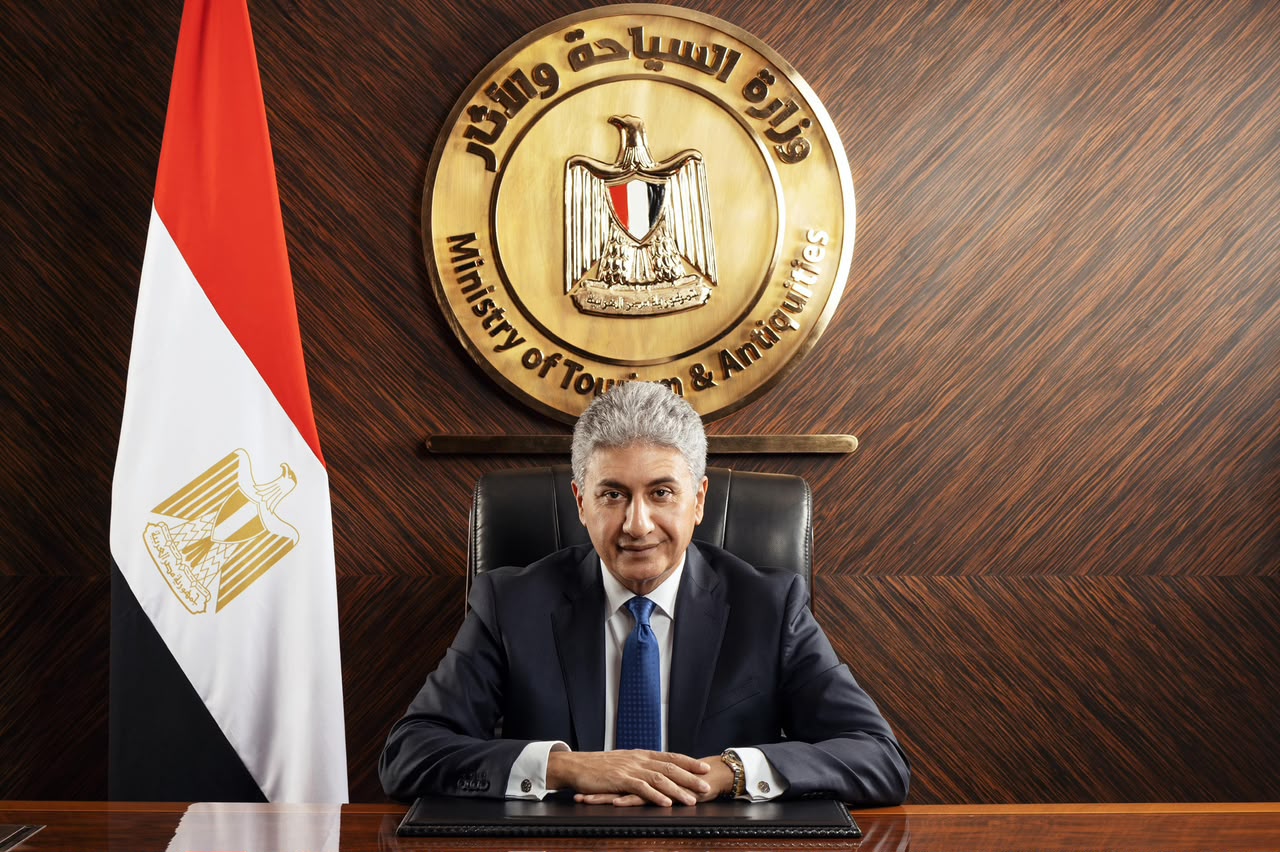
Egypt is shifting its tourism strategy from simply attracting more visitors to generating greater economic value from each trip. Ahead of the WTTC Global Summit in Valletta, the country is highlighting new hotel capacity, diversified experiences and major cultural attractions as it targets 30 million annual visitors and higher tourism revenue by 2030.
Egypt Shifts Tourism Strategy From Arrivals to Higher Economic Value
Egypt is entering a new phase of tourism development as the country seeks to convert strong visitor growth into greater economic value. With a target of 30 million international visitors annually by 2030, the strategy increasingly centres on longer stays, broader itineraries, premium products and investment across multiple destinations.
The approach is being presented as Egypt’s tourism leadership participates in the WTTC Global Summit in Valletta, where governments, business leaders and travel industry stakeholders are examining investment, competitiveness, sustainability and tourism’s contribution to national economies.
For Egypt, the opportunity extends beyond increasing visitor numbers. The country is seeking to encourage travellers to explore more destinations, stay longer and spend across a wider range of tourism businesses and communities.
Advertisement
Advertisement
Why is Egypt focusing on tourism value as well as visitor numbers?
The answer is diversification. Egypt has historically benefited from the global appeal of its ancient monuments, Nile cruises and Red Sea resorts, but its tourism proposition is becoming considerably broader.
The country’s tourism strategy is designed around six priorities: improving investment competitiveness, diversifying tourism products, developing human capital, strengthening governance and the visitor experience, accelerating sustainable and digital transformation, and strengthening tourism marketing.
Advertisement
Advertisement
These priorities are intended to make tourism more economically productive rather than relying solely on increased arrivals.
Egypt’s tourism revenue is forecast to rise from $18.58 billion in 2026 to between $36 billion and $40 billion by 2030, according to the figures outlined by the country’s tourism leadership. That ambition places greater emphasis on the quality and economic impact of tourism alongside the number of people entering the country.
How is Egypt expanding its hotel capacity?
Accommodation supply is being expanded to support the country’s visitor ambitions. Egypt added approximately 1,653 hotel rooms during the first half of 2026, contributing to a broader programme of capacity development.
Additional rooms are important because higher visitor numbers require sufficient accommodation across different price points and destinations. However, the wider strategy is not simply about adding conventional hotel inventory.
Egypt is also developing luxury, boutique and experience-led accommodation designed to encourage travellers to spend more time within destinations. Along the Nile, for example, smaller dahabiyyas and luxury cruises offer more intimate alternatives to larger cruise vessels.
This creates an opportunity to move travellers beyond short visits focused on a handful of iconic sites and towards slower, more personalised journeys.
Advertisement
Advertisement
How is the Grand Egyptian Museum changing Egypt’s tourism proposition?
The Grand Egyptian Museum has become a central component of Egypt’s strategy to strengthen cultural tourism. The museum provides a major new gateway into the country’s ancient civilisation and can encourage visitors to build longer itineraries around Cairo and the Giza area.
A particularly important development is the display of the complete Tutankhamun collection, bringing together material associated with the pharaoh whose tomb was discovered in 1922.
The museum’s significance extends beyond the individual exhibits. It gives Egypt an opportunity to connect its archaeological heritage with contemporary visitor experiences, including accommodation, gastronomy, shopping, guided tours and wider cultural itineraries.
For international travellers, the attraction can function as the beginning of a multi-region Egyptian journey rather than a standalone museum visit.
Can Egypt encourage travellers to explore beyond Cairo and the pyramids?
Yes. Destination diversification is increasingly central to the country’s tourism proposition.
A single trip can combine Cairo and the Giza Plateau with Historic Cairo, the Nile Valley, Red Sea resorts, Mediterranean destinations and the Western Desert. This geographical diversity gives Egypt an advantage in encouraging longer stays.
Advertisement
Advertisement
The strategy is also being supported by new destination development. On the Mediterranean coast, New Alamein is being positioned as a more comprehensive, year-round destination incorporating residential, commercial, cultural and tourism infrastructure.
Such projects can reduce dependence on highly seasonal tourism and create additional reasons for visitors to extend their trips.
The objective is not to replace Egypt’s traditional attractions. Instead, established destinations can act as gateways to newer experiences.
How is luxury tourism becoming more important for Egypt?
Premium tourism is becoming an increasingly visible part of the country’s growth strategy. Egypt’s heritage, landscapes and waterways provide natural opportunities for high-value travel experiences.
Luxury Nile cruises and private dahabiyyas can offer personalised journeys between historic destinations, while boutique properties provide alternatives to conventional mass-market accommodation.
The country’s coastal destinations also provide opportunities for luxury hospitality, wellness, marine activities and experiential travel.
Advertisement
Advertisement
The economic logic is straightforward. A visitor who stays longer, books premium accommodation, takes multiple excursions and travels between several destinations can generate significantly greater economic activity than a traveller making a short, concentrated visit.
This makes value growth compatible with the existing objective of increasing international arrivals.
Why is contemporary Egyptian culture becoming part of the tourism offer?
Egypt’s tourism identity is increasingly being presented as both historic and contemporary.
Cairo’s neighbourhoods are developing new gastronomy, gallery, design and creative experiences alongside established heritage attractions. These experiences can help international visitors understand the country beyond its archaeological landmarks.
The same principle applies to destinations along the Red Sea, where local crafts, music, artisanal traditions and emerging cultural experiences are adding depth to the coastal tourism offer.
This diversification is important because modern travellers increasingly seek experiences that connect them with local communities and contemporary culture.
Advertisement
Advertisement
For Egypt, incorporating these experiences into tourism can also distribute economic benefits beyond major archaeological sites and resort areas.
What does Egypt’s strategy mean for tourism investment?
The emphasis on investment is likely to remain central as Egypt expands its tourism infrastructure. Attracting foreign direct investment can help develop hotels, resorts, transportation, attractions and tourism services while supporting employment and local supply chains.
However, investment increasingly needs to align with sustainability, workforce development and destination management.
Egypt’s six-pillar strategy recognises these requirements by combining investment promotion with human capital development, governance, sustainability and digital transformation.
This approach is particularly relevant as global travellers become more conscious of environmental impact and as destinations compete not only on attractions but also on accessibility, service quality and technology.
Can Egypt turn higher arrivals into stronger local economic benefits?
The potential is significant because Egypt’s tourism map is exceptionally diverse.
Advertisement
Advertisement
If visitors are encouraged to move between Cairo, the Nile, coastal destinations and emerging regions, spending can be distributed across accommodation providers, restaurants, transport companies, guides, cultural attractions, retailers and local creative businesses.
Longer stays can also increase the economic value generated by individual visitors while creating opportunities for smaller tourism enterprises.
The challenge will be ensuring that growth remains sustainable and that infrastructure, workforce capacity and visitor services develop alongside demand.
Egypt’s next stage of tourism growth therefore depends not simply on how many people arrive, but on what they do after arriving.
Egypt’s tourism strategy is moving towards a broader definition of growth, combining higher arrivals with longer stays, premium experiences, new destinations and stronger visitor spending. With major cultural attractions, expanding accommodation and diverse landscapes, Egypt has an opportunity to increase tourism’s economic contribution while building a more resilient national tourism economy.
Advertisement
