

Montevideo Economic Ties And Investments Spark Fresh Travel Opportunities Across Uruguay, Find Out Now

Published
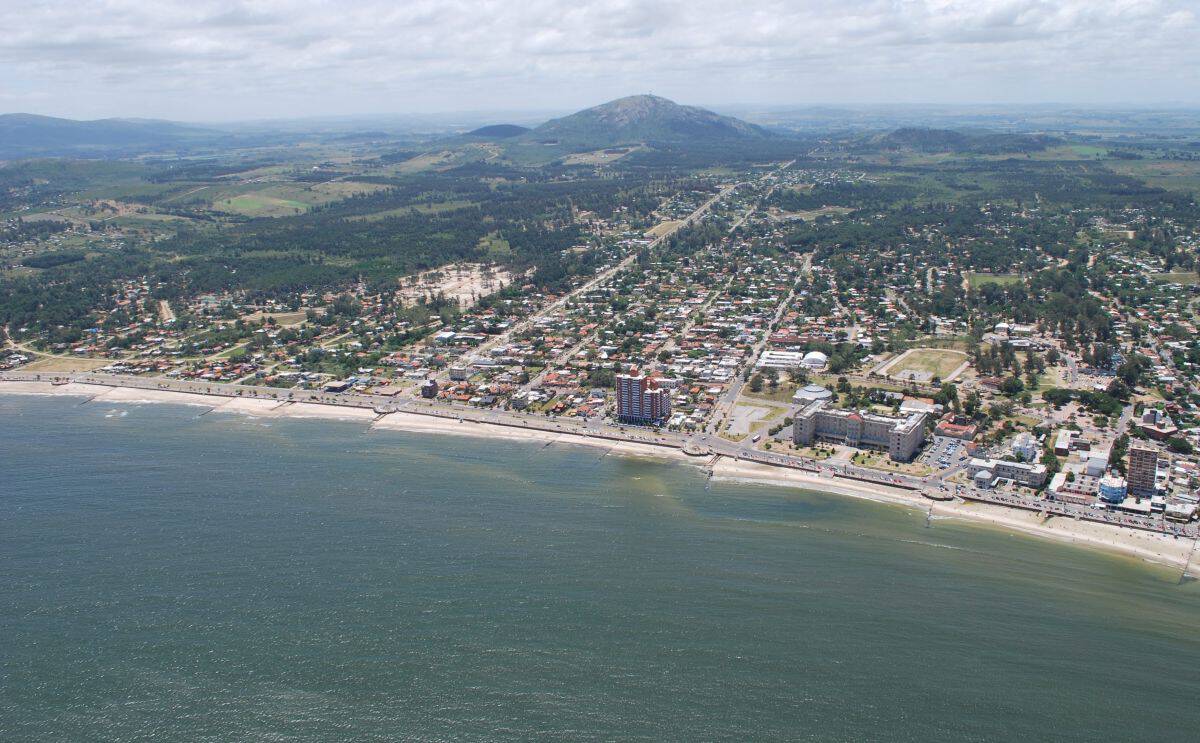
I get goosebumps when I think about the first time I felt the electric pulse of Montevideo. Walking down the streets of Uruguay’s capital feels like stepping into a magical place, where ocean salt scent meets the warmth of a city that is truly coming into its own. Now a breathtaking economic renaissance quietly reshapes this coastal gem. Driven by a wave of financial confidence and progressive investment Montevideo is turning into South Americas most exciting destination. This thrilling transformation is, in the air pulling travelers into an unforgettable journey.
Why Are Macroeconomic Foundations And Robust Investor Frameworks Revolutionising Corporate Travel Across Montevideo?
Advertisement
Advertisement
Uruguay’s reputation for political stability, low corruption, and transparent regulatory frameworks has positioned Montevideo as a premier regional hub for corporate headquarters and business tourism. Recent decrees by the Uruguayan government target investments in tech infrastructure, sustainable hospitality, and urban renewal, offering tax exemptions under specific employment and innovation metrics. As a critical node in the Southern Common Market, the city leverages its strategic positioning—anchored by the Port of Montevideo and Carrasco International Airport—to streamline commercial and passenger mobility. These progressive economic measures create an ultra-secure environment that multinational corporations trust implicitly for long-term regional development. Furthermore, the steady influx of business travelers significantly elevates average daily hotel rates and bolsters luxury urban infrastructure year-round.
How Has Strategic Infrastructure Expansion And Regional Connectivity Boosted Both Leisure And Business Arrivals?
Advertisement
Advertisement
Economic convergence and targeted capital inflows have triggered essential upgrades to transit networks, directly boosting both business and leisure arrivals. Carrasco International Airport, celebrated for its cutting-edge architectural design by Carlos Ott, continues to manage vital direct connections linking Montevideo to key regional hubs like Buenos Aires and transatlantic destinations like Madrid. Meanwhile, the Port of Montevideo facilitates daily ferry operations across the Río de la Plata while regularly welcoming over 120 international cruise lines annually, driving high-yield pedestrian traffic into the historic Ciudad Vieja. Furthermore, the Tres Cruces Bus Terminal and Shopping complex serves as the domestic and international arterial core, tying Montevideo seamlessly to regional networks across Argentina, Brazil, Paraguay, and Bolivia. This seamless multi-modal connectivity ensures that tourists transition effortlessly from international flights to historic urban explorations without logistical friction.
What Impact Does The Intersection Of Economic Investment And Tourism Sectors Have On Modern Urban Development?
Advertisement
Advertisement
Deeper economic ties manifest directly across several high-growth travel sectors within the capital, transforming how visitors experience urban hospitality. Enhanced corporate frameworks and foreign tech and financial service footprints have catalyzed business travel, where Montevideo’s modern convention facilities and premium hotel developments cater to corporate travelers seeking stable operating environments. Leveraging its reputation for green energy and high environmental, social, and governance standards, the city promotes its 20-kilometer coastal rambla, public green spaces, and cultural monuments such as the Teatro Solís and Mercado del Puerto as models of livable, sustainable urban tourism. Furthermore, substantial capital inflows have spurred mixed-use developments around downtown and coastal neighborhoods like Pocitos and Carrasco, blending corporate housing with high-end modern hospitality amenities. This harmonious convergence of capital investment and ecological preservation guarantees that tourism remains sustainable, high-yielding, and profoundly beneficial for the local economy.
How Do National Foreign Direct Investment Inflows Catalyse Modern Hospitality Real Estate Across Montevideo?
Advertisement
Advertisement
Uruguay recorded net foreign direct investment inflows of $1.1 billion, representing roughly 1.3% of its GDP, alongside a notable $598.77 million surge in quarterly foreign investments. This massive institutional capital directly builds high-end corporate housing and luxury hotels in prime districts like Carrasco and Pocitos. The continuous influx of global funding ensures that urban hospitality real estate expands rapidly to meet modern international expectations. Consequently, premier investors find immense confidence in deploying long-term capital within Montevideo’s secure commercial ecosystem.
What Is The Quantifiable Economic Contribution Of International Visitor Arrivals To Uruguay’s Capital?
Uruguay welcomed over 3.2 million international tourists in recent multi-month tracking cycles, successfully pulling in foreign currency revenues scaling past $1.78 billion. Macro-economic stability links directly to tourist expenditure, proving that Montevideo captures a major share of the nation’s high-yield travel income. Visitors consistently drive economic activity across local dining, entertainment, and retail sectors year-round. Therefore, these remarkable financial inflows solidify the capital’s status as an economic powerhouse within South American tourism.
In What Ways Do MERCOSUR Regional Trade Pacts And Cross-Border Mobility Metrics Accelerate Passenger Transit Through Montevideo?
Advertisement
Advertisement
Uruguay maintains robust trade openness accounting for roughly 49.7% of its GDP, backed by land borders connecting seamlessly with regional transit corridors, including 1,050 km with Brazil and 541 km with Argentina. The Port of Montevideo and Tres Cruces Terminal leverage these vital regional trade frameworks to efficiently handle heavy passenger streams. International travelers cross borders smoothly, transitioning between land networks and maritime gateways without facing administrative gridlock. This seamless logistical architecture heavily accelerates regional passenger transit into the heart of Montevideo.
How Do Municipal Environmental Standards And Green Energy Infrastructure Enhance Sustainable Urban Tourism In Montevideo?
Over 92% internet penetration is coupled with extensive urban planning along the capital’s 20-kilometer coastal rambla. Eco-friendly policies and high environmental governance standards attract modern, sustainability-conscious global travelers to civic landmarks like Teatro Solís and Mercado del Puerto. Visitors appreciate the harmonious blend of cutting-edge digital connectivity and pristine green public spaces. Consequently, the city’s forward-thinking environmental commitments ensure that tourism remains both ecologically responsible and economically lucrative.
Why Does Business And MICE Tourism Flourish Under Uruguay’s Transparent Corporate Tax And Governance Frameworks?
A steady central bank benchmark interest rate hovering near 5.75% pairs alongside a strong national GDP per capita benchmark exceeding $25,216. International corporate executives routinely choose Montevideo’s convention centers and modern tech hubs for high-level conferences due to this predictable economic environment. Transparent corporate governance minimizes operational risks for foreign enterprises seeking stable regional headquarters. Thus, the meetings, incentives, conferences, and exhibitions sector thrives exceptionally well across Uruguay’s dynamic business landscape.
What Role Do Aviation Modernisations And Transatlantic Air Connectivity Play In Driving Leisure Yields Through Carrasco International Airport?
Advertisement
Advertisement
Strategic transport gateways handle hundreds of thousands of quarterly visitors, keeping average daily hotel rates elevated and supporting the nation’s second-best historical tourism year on record. The architectural and logistical triumphs of Carrasco International Airport, designed by Carlos Ott, successfully link Montevideo to global hubs like Madrid, São Paulo, and Buenos Aires. Modernized aviation infrastructure welcomes discerning international travelers eager to explore South America’s cultural treasures. Ultimately, this seamless air connectivity directly maximises leisure yields across the local hospitality market.
How Are Municipal Urban Renewal Decrees And Tax Incentives Transforming Historic Districts Like Ciudad Vieja?
Targeted government decrees offer specialized tax exemptions under strict employment and innovation metrics for urban regeneration projects. Financial incentives draw pedestrian traffic and private capital into the historic commercial grid of Ciudad Vieja, breathing new life into colonial-era architecture. Local artisans, boutique hoteliers, and trendy gastronomy operators flourish amidst these carefully orchestrated municipal revivals. As a result, ancient streets transform into bustling cultural hubs that captivate every arriving visitor.
What Is The Socioeconomic Impact Of Robust Employment Ratios And Workforce Innovation On Service Quality Across Montevideo’s Hospitality Sector?
A national labor force pool scales near 1.8 million active workers, anchored by a high national life expectancy average of 83.31 years and stable social development indicators. Human capital investment connects directly to the elevated hospitality service quality experienced by travelers across Uruguay’s primate capital. Well-trained professionals deliver exceptional guest experiences that elevate international satisfaction ratings across luxury hotels. Therefore, workforce stability serves as the invisible backbone supporting Montevideo’s booming tourism economy.
How Digital Nomad Visa Frameworks And Remote Work Policies Fuel Long-Stay Tourism
Advertisement
Advertisement
Modern remote work policies have shifted from temporary perks into permanent economic pillars that actively redefine extended-stay travel across South America’s most dynamic urban centers. Supported by advanced national digital infrastructure exceeding 92% internet penetration, progressive residency frameworks now offer multi-month and multi-year legal pathways for international technology professionals. This inviting legal environment empowers global remote workers to trade fleeting holiday visits for immersive, multi-month lifestyles along coastal neighborhoods and vibrant urban hubs.
Consequently, these high-earning remote professionals generate reliable, off-season revenue for local hospitality providers, boutique co-living spaces, and neighborhood retail strips. Rather than checking out after a quick weekend getaway, these digital residents integrate smoothly into the community, stabilizing annual occupancy rates and boosting local economic resilience.
How Clean Energy Transitions And Electric Public Transport Propel Eco-Tourism Growth
Environmental leadership and sustainable municipal infrastructure have become powerful magnets for climate-conscious travelers exploring South American capitals. Operating an advanced national power grid running on over 90% renewable energy generation, the region complements its clean grid with aggressive municipal investments introducing expanding fleets of electric city buses along major tourist corridors. This deliberate low-carbon transition proves that civic modernization can coexist harmoniously with ecological preservation.
Eco-conscious tourists increasingly prioritize destinations that actively reduce urban carbon footprints without sacrificing modern convenience. By championing clean energy and emission-free public transit, the capital strengthens its reputation as a premier green-tourism destination, attracting travelers who value sustainability as much as cultural discovery.
How Culinary Innovations And Gastronomic Hubs Drive High-Yield Experiential Travel
Advertisement
Advertisement
Experiential gastronomy has emerged as a cornerstone of modern travel motivation, turning local culinary traditions into high-yield economic assets for the region. The national food-and-beverage service sector commands a rapidly expanding share of regional consumer spending, supported by boutique Tannat wine-tasting routes stretching just beyond the metropolitan limits. These farm-to-table experiences and historic food markets invite visitors to engage deeply with regional flavors and cultural heritage.
This culinary prestige directly influences visitor spending patterns and trip duration, encouraging international tourists to extend their stays to explore diverse regional eateries. By transforming traditional foodways into world-class gastronomic adventures, the local tourism economy captures higher daily yields per visitor.
How Fintech Expansions And Digital Payment Interoperability Ensure Frictionless Tourist Spending
Advanced financial technology and widespread digital payment infrastructure play an essential role in maximizing visitor satisfaction and retail spending efficiency. With national financial inclusion metrics exceeding 75% of the adult population, the digital ecosystem features instant electronic payment rails and automatic value-added tax refund incentives embedded directly at point-of-sale terminals. These innovations remove the friction of currency exchange and transaction delays for international guests.
Frictionless digital payment frameworks encourage higher spontaneous retail spending among foreign tourists exploring historic commercial shopping districts. When visitors experience seamless, secure digital transactions paired with automated tax-back perks, their overall retail engagement scales significantly, directly benefiting local merchants.
How Wellness And Slow-Travel Movements Redefine Luxury Hospitality Yields Along The Coastline
Advertisement
Advertisement
The global shift toward wellness and slow travel has fundamentally transformed high-end hospitality demands along scenic waterfront destinations. Supported by exceptional national longevity benchmarks exceeding 83 years of healthy living, the region has experienced a sharp rise in demand for wellness retreats, thermal sanctuaries, and coastal mindfulness spaces. Affluent travelers are actively trading hectic, fast-paced itineraries for slow, health-focused journeys that prioritize mental and physical well-being.
This shifting demographic has prompted forward-thinking investors to develop low-impact wellness resorts and boutique eco-lodges along picturesque shoreline views. By catering to travelers seeking tranquility, natural beauty, and holistic rejuvenation, the local hospitality sector secures long-term, high-value investments that redefine luxury tourism standards.
The Final Verdict
I feel that leaving Montevideo always feels like walking from a living masterpiece that is still being painted. Watching Montevideo harness its heart to breathe new life into its streets is deeply moving. Montevideo is more than rising numbers or fresh investments; Montevideo is about a proud community opening its arms to the world. Every restored building in Montevideo every sunset, over the rambla and every smiling local tells a story of hope and brilliant renewal. Uruguay’s crown jewel is not just growing; Uruguay is. Uruguay’s incredible journey will stay with your soul forever.
Frequently Asked Questions
What is driving the recent tourism boom in Montevideo? The tourism boom in Montevideo is primarily driven by stronger economic ties, progressive investment promotion regimes, and enhanced financial stability that attract both corporate investors and international leisure travelers to Uruguay.
Advertisement
Advertisement
How do infrastructure upgrades improve travel in Uruguay’s capital? Modernizations at Carrasco International Airport and the Port of Montevideo streamline regional and transatlantic passenger mobility, making travel into historical districts like Ciudad Vieja smoother than ever before.
Why is Montevideo considered a top destination for MICE tourism? Montevideo offers stable institutional frameworks, cutting-edge convention facilities, and premium hotel investments that cater securely to international corporate conferences and business events.
Advertisement
