
Bali Beats Jakarta and All Other Cities in Indonesia With Strong Hotel and Travel Demand Throughout the First Nine Months of 2026

Published
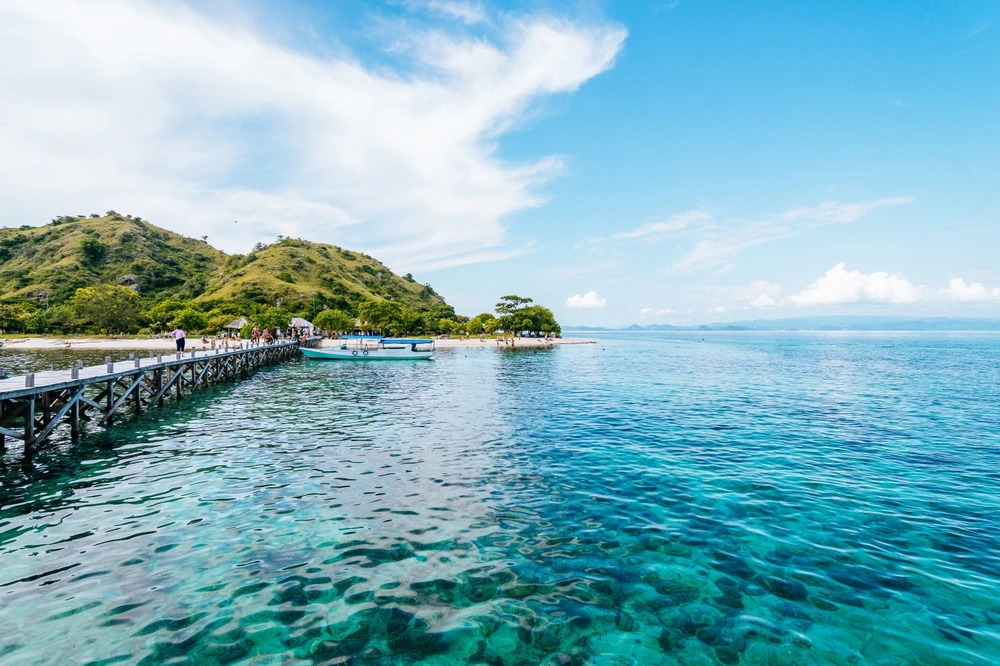
Bali beats Jakarta and all other cities in Indonesia with strong hotel and travel demand throughout the first nine months of 2026, driven by its highest hotel occupancy rate, longer visitor stays and diverse tourism experiences that continue attracting leisure travellers, international visitors and local holidaymakers.
Bali is maintaining its powerful position at the heart of Indonesia’s tourism industry in 2026, staying ahead of Jakarta and other leading destinations as strong hotel demand combines with longer visitor stays. As per Tripdataset’s data, Bali recorded hotel occupancy of 59.4% and an average stay of 2.86 nights, the strongest combination among the 15 Indonesian provinces covered in the ranking.
The performance highlights more than Bali’s ability to fill hotel rooms. Visitors are also staying substantially longer than in other major Indonesian markets, creating greater opportunities for hotels, restaurants, transportation providers, attractions, retailers, tour operators and local tourism businesses.
Jakarta remains a major force through business and urban travel, while Yogyakarta continues to benefit from heritage and cultural tourism. Bandung and wider West Java attract visitors through food, shopping, cooler highland destinations and short leisure breaks.
Advertisement
Advertisement
The broader picture shows that Indonesian hotel demand is not concentrated in Bali alone. West Kalimantan, Banten, East Kalimantan, Jambi and several other provinces are recording notable occupancy levels, demonstrating the geographical depth of Indonesia’s travel economy.
Bali Leads Indonesia With 59.4% Hotel Occupancy and the Longest Average Stay
Bali leads the ranking with 59.4% hotel occupancy and an average stay of 2.86 nights, giving the island a clear advantage over Indonesia’s other leading hotel markets. As per research, Bali’s strength comes from its ability to combine beaches, resorts, culture, wellness, food, nightlife and nature within one destination. Nusa Dua, Seminyak, Kuta and Jimbaran attract beach and resort travelers, while Ubud provides temples, rice terraces, art, wellness and cultural experiences. Surfing, diving, luxury villas, beach clubs and traditional Balinese experiences further diversify the tourism offer, giving domestic and international visitors multiple reasons to remain on the island for longer periods.
Advertisement
Advertisement
Jakarta Maintains Strong Demand Through Business Events and Urban Travel
DKI Jakarta recorded 52.9% hotel occupancy and an average stay of 1.59 nights, placing it among Indonesia’s strongest accommodation markets. Unlike Bali’s leisure-dominated tourism economy, Jakarta benefits heavily from corporate travel, conferences, exhibitions, government activity, shopping and short urban breaks. As per research, attractions including Kota Tua, the National Monument, National Museum, Istiqlal Mosque and Jakarta Cathedral add a cultural dimension to the capital’s business-led visitor economy. Large shopping centers, restaurants, entertainment districts and extensive domestic and international transport connections further support hotel demand. Jakarta’s role as Indonesia’s commercial center helps maintain a steady flow of travelers throughout the year.
Yogyakarta Uses Culture and Heritage to Maintain Strong Tourism Demand
DI Yogyakarta recorded 50.9% hotel occupancy and an average stay of 1.56 nights, keeping the destination among Indonesia’s stronger tourism markets. As per research, Yogyakarta’s appeal is closely connected with Javanese history, traditional arts, cuisine and heritage. Visitors can explore the Kraton, Taman Sari and Malioboro Street, while the wider tourism circuit provides access to the internationally recognized Borobudur and Prambanan temple complexes. Caves, volcanic landscapes, villages and beaches add further variety. Relatively affordable accommodation and food also strengthen Yogyakarta’s appeal among domestic tourists, students, international backpackers and cultural travelers looking for a different Indonesian experience from Bali.
Bandung and West Java Draw Travelers With Food Shopping and Highland Escapes
West Java recorded 46.5% hotel occupancy and an average stay of 1.41 nights. These are provincial figures rather than statistics for Bandung city alone, but Bandung remains one of West Java’s most important tourism centers. As per research, the city attracts travelers through cooler highland weather, restaurants, cafés, fashion shopping and a distinctive urban culture. The surrounding region expands the tourism proposition through Tangkuban Perahu, Kawah Putih, tea plantations and the Lembang highlands. Bandung’s proximity to Jakarta also gives it a strong weekend and short-break market, allowing travelers from the capital to combine food, shopping and mountain scenery without undertaking a long domestic journey.
West Kalimantan Emerges as a Strong Hotel Market
West Kalimantan delivers one of the most striking results, with 55.9% hotel occupancy, placing it immediately behind Bali in the ranking. Its average stay, however, stands at only 1.41 nights, showing a different demand pattern from Bali. As per research, Pontianak serves as the province’s main commercial and travel gateway, while West Kalimantan also offers river landscapes, Dayak cultural experiences, equatorial attractions and nature-based tourism. The contrast between high occupancy and a relatively short average stay suggests that hotel demand may be supported by a combination of business travel, domestic mobility and shorter trips rather than extended resort-style holidays.
Banten Benefits From Its Position Beside Jakarta
Banten recorded 52.2% hotel occupancy and an average stay of 1.42 nights, placing it fourth among the provinces shown. Its location beside Jakarta gives the province a strategic tourism and business advantage. Banten benefits from airport-related accommodation, corporate activity, domestic leisure trips and the enormous population base of the wider Jakarta metropolitan region. As per research, coastal destinations including Anyer and Carita provide beach tourism, while Ujung Kulon National Park strengthens the province’s nature and wildlife offering. The combination of urban proximity and leisure attractions allows Banten to capture both short-stay travelers and visitors seeking an escape from Indonesia’s largest metropolitan area.
East Kalimantan Gains From Business Development and Regional Travel
East Kalimantan recorded 51.3% hotel occupancy and an average stay of 1.60 nights, giving it the fifth-highest occupancy rate in the ranking. The province’s accommodation sector benefits from a mixture of business, infrastructure, government and regional travel. Balikpapan and Samarinda are major commercial centers, while East Kalimantan also offers substantial nature-based tourism potential. As per research, rainforest environments, wildlife and access to wider marine tourism circuits provide opportunities to expand leisure demand. The province demonstrates an important feature of Indonesia’s hotel market: strong occupancy is not generated exclusively by conventional holidays but can also be supported by economic development and corporate mobility.
Advertisement
Advertisement
Jambi Combines Strong Occupancy With a Longer Stay
Jambi recorded 50.7% hotel occupancy and an average stay of 1.68 nights, giving it one of the longer average stays outside Bali. The figure places Jambi ahead of several larger Indonesian tourism markets on this measure. As per research, the province offers access to Sumatra’s mountain, forest and cultural landscapes, including Kerinci Seblat National Park, Mount Kerinci and Lake Kerinci. These attractions support trekking, nature and adventure tourism alongside conventional business and domestic travel. Jambi’s combination of occupancy above 50% and a relatively longer stay suggests potential for the province to develop tourism products that encourage travelers to explore beyond its principal urban centers.
Bali Stays Ahead as Indonesia’s Hotel Markets Record Broad Demand
As per Tripdataset’s data, Bali remains the leading province among those covered when occupancy and average stay are considered together. However, the ranking also reveals substantial hotel demand across Kalimantan, Java, Sumatra, Sulawesi, Papua and the Riau Islands.
| Rank | Province | Hotel Occupancy | Average Stay |
|---|---|---|---|
| 1 | Bali | 59.4% | 2.86 nights |
| 2 | West Kalimantan | 55.9% | 1.41 nights |
| 3 | DKI Jakarta | 52.9% | 1.59 nights |
| 4 | Banten | 52.2% | 1.42 nights |
| 5 | East Kalimantan | 51.3% | 1.60 nights |
| 6 | DI Yogyakarta | 50.9% | 1.56 nights |
| 7 | Jambi | 50.7% | 1.68 nights |
| 8 | South Kalimantan | 49.3% | 1.43 nights |
| 9 | South Sumatra | 49.2% | 1.38 nights |
| 10 | Central Sulawesi | 49.0% | 1.62 nights |
| 11 | South Papua | 48.6% | 1.75 nights |
| 12 | East Java | 47.9% | 1.36 nights |
| 13 | North Kalimantan | 47.6% | 1.63 nights |
| 14 | Riau Islands | 47.3% | 1.83 nights |
| 15 | West Java | 46.5% | 1.41 nights |
Bali’s 59.4% occupancy rate is 6.5 percentage points higher than Jakarta’s 52.9%. The difference becomes even more pronounced when the length of stay is considered. At 2.86 nights, Bali’s average stay is about 80% longer than Jakarta’s 1.59 nights.
The Riau Islands have the second-longest average stay in the ranking at 1.83 nights. South Papua follows at 1.75 nights, while Jambi records 1.68 nights and North Kalimantan 1.63 nights.
The numbers highlight an important distinction between occupancy and tourism performance. A destination can fill a high proportion of hotel rooms through short business trips, events or domestic travel, while another can benefit from visitors staying several nights.
Bali performs strongly on both measures.
Advertisement
Advertisement
Seven Indonesian Provinces Cross the 50% Occupancy Mark
Another important trend is the number of destinations recording occupancy above the halfway point.
Bali, West Kalimantan, DKI Jakarta, Banten, East Kalimantan, DI Yogyakarta and Jambi all record hotel occupancy above 50%.
This geographical spread demonstrates that Indonesia’s accommodation demand extends far beyond its best-known international destination.
Kalimantan has a particularly strong presence, with West Kalimantan ranking second and East Kalimantan fifth. South and North Kalimantan also appear within the top 15.
Java remains important through Jakarta, Banten, Yogyakarta, East Java and West Java. Meanwhile, provinces in Sumatra, Sulawesi, Papua and the Riau Islands demonstrate the diversity of Indonesia’s accommodation market.
This matters for Indonesia’s broader tourism ambitions. Greater demand outside Bali can encourage investment, create tourism employment and distribute economic activity across more regions.
Advertisement
Advertisement
Why Travelers Continue to Choose Bali
Bali’s biggest advantage is the variety of experiences available within a relatively compact island.
Travelers can begin their holiday at a beach resort, move inland for temples and rice terraces, spend time at a wellness retreat and finish with surfing, diving, restaurants or nightlife.
Luxury tourists, backpackers, honeymooners, families, surfers and wellness travelers can all experience Bali in very different ways.
That diversity helps the destination encourage longer stays.
A traveler visiting Jakarta primarily for a meeting may need only one or two nights. Someone traveling to Bali for an international holiday can build an itinerary lasting several days or considerably longer.
The 2.86-night average stay in the ranking reflects this important structural difference between a major leisure destination and markets dominated by shorter urban or business trips.
Advertisement
Advertisement
Indonesia’s Tourism Strength Is Becoming More Geographically Diverse
Bali remains the standout destination in the ranking, but Indonesia’s wider tourism story is becoming increasingly diverse.
Jakarta continues to generate strong hotel demand from its role as a commercial and transport center. Yogyakarta remains one of the country’s most important cultural destinations. Bandung and West Java draw domestic travelers with highland experiences, food and shopping. Kalimantan’s strong representation shows how business and regional travel are creating substantial accommodation demand beyond Indonesia’s traditional tourism centers.
Meanwhile, provinces such as the Riau Islands and South Papua stand out for relatively longer average stays.
The result is a hotel market supported by many different types of travel: international holidays, domestic vacations, business trips, events, family visits, cultural tourism, nature travel and regional mobility.
Bali Retains a Powerful Advantage in Indonesia’s Tourism Race
Bali ultimately stands apart because it combines the highest occupancy rate with the longest average stay among the provinces in the ranking.
West Kalimantan comes relatively close on occupancy but not on length of stay. Jakarta maintains substantial room demand but attracts shorter visits. Yogyakarta performs strongly through culture and heritage, while West Java has a large and diverse domestic tourism economy.
Advertisement
Advertisement
Bali combines these different strengths within one internationally established destination.
Its beaches draw leisure travelers. Ubud supports culture and wellness tourism. Resorts attract premium visitors. Surfing and diving appeal to adventure travelers. Restaurants, cafés and nightlife strengthen visitor spending opportunities, while temples and traditional communities preserve the cultural identity that differentiates Bali from competing island destinations.
That combination helps explain why Bali remains difficult for other Indonesian destinations to match.
As Indonesia’s tourism sector moves through 2026, the broader provincial ranking shows healthy accommodation demand across the archipelago. Yet on the two indicators examined here — hotel occupancy and average length of stay — Bali remains firmly at the front of the market.
Bali beats Jakarta and all other cities in Indonesia with strong hotel and travel demand throughout the first nine months of 2026, supported by 59.4% hotel occupancy, the longest average stay and its diverse leisure, culture and nature experiences.
In conclusion, Bali beats Jakarta and all other cities in Indonesia with strong hotel and travel demand throughout the first nine months of 2026, supported by its leading hotel occupancy, longer visitor stays and diverse tourism experiences. The destination continues to maintain its powerful position by attracting leisure travellers, international visitors and domestic tourists, while Indonesia’s wider tourism market also shows growing demand across multiple regions.
Advertisement
