
Egypt Aligns with Ghana and Other Countries Across Africa to Boost Tourism Skills and Visitor Experiences

Published
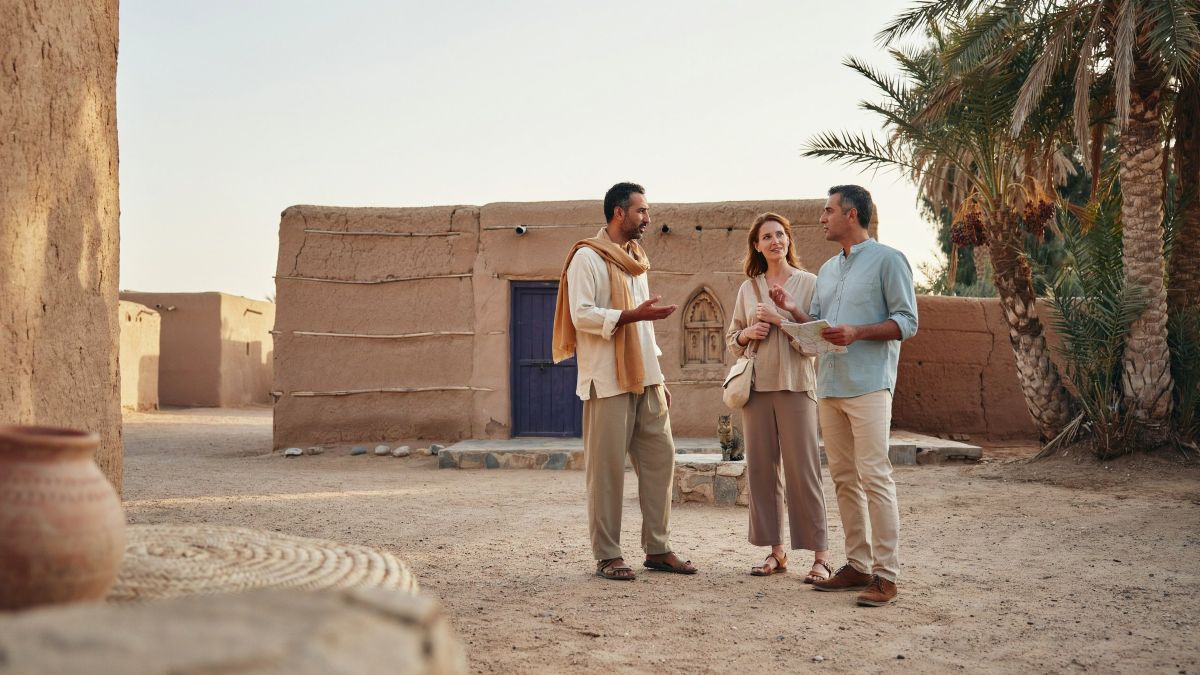
Egypt, Ghana, South Africa, Kenya and Uganda are linking tourism skills with better service and distinctive regional experiences. Rwanda and Mauritius add approaches centred on conservation, communities and sustainable accommodation. These separate national initiatives share a traveller-focused ambition: make holidays easier to navigate, more rewarding and more connected to local life. The most useful way to assess this direction is through the visitor’s day. Can a coastal stay include a meaningful cultural encounter? Can a smaller operator deliver what its website promises? Does tourism spending benefit the people who host the experience?
Africa Tourism Skills: What Is Being Promised or Delivered?
Training announcements describe targets, delivery requirements or confirmed intakes. Those differences matter.
| Country | Official commitment or activity | What the figure establishes |
|---|---|---|
| Ghana | At least 5,000 trainees and personnel annually from 2026 | HOTCATT target; over 4,000 trained cumulatively during 2020–2026. |
| South Africa | 12-month cookery and food and beverage services programmes | Procurement requirements combining theory and workplace learning. |
| Uganda | 150 apprentices in the third cohort; 750 beneficiaries targeted over five years | An identified intake alongside a longer-term programme target. |
Egypt Tourism: Connecting Siwa Culture With North Coast Holidays
Egypt offers a revealing example of how service improvements and regional identity can work together. August ministry discussions linked hospitality training and preparation of Siwa residents for tourism employment with better transport, public services and community participation.
Officials described potential itineraries connecting Sphinx International Airport, the Giza pyramids and Grand Egyptian Museum with Alexandria, the North Coast, Marsa Matrouh and Siwa. Such combinations would make the quality of connections between stops central to the holiday.
Advertisement
Advertisement
Inbound tourism traffic through Marsa Matrouh Airport grew 26% against the previous summer season, according to the ministry. This is an airport-specific measure. Egypt’s tourism development priorities
A separate August investor meeting highlighted:
Advertisement
Advertisement
- Bedouin heritage: opportunities for visitors to encounter the region’s living culture.
- Olive harvesting: a proposed September festival involving picking and pressing olives.
- Hospitality skills: the EGTAP platform supporting workforce development.
The festival proposal illustrates how local knowledge could enrich a coastal itinerary. Travellers should confirm availability before treating it as a bookable activity. Egypt’s regional experience proposals
Ghana Tourism: Giving the Black Star Experience Local Substance
Ghana’s Oti Region highlights the work needed to make an attraction worth adding to an itinerary. At its 2026 Tourism and Hospitality Awards, reported on 5 September, the Ghana Tourism Authority emphasised staff development, technology, innovation and cooperation.
Officials connected the Black Star Experience with the development of distinctive Oti experiences. This was a statement of priorities, without a new quantified investment package. Ghana’s Oti tourism statement
The practical opportunity is to connect promotion with capable delivery. HOTCATT’s frontline qualifications, supervisor programmes and industry placements address the people responsible for that delivery. A region gains lasting appeal when visitors can understand its character and experience it through well-organised services.
South Africa Tourism: Bringing Limpopo Into More Travel Plans
South Africa’s 13 August Tourism Month address made Limpopo its regional focus and promoted digital visibility for smaller businesses. It also stressed the contribution of guides, chefs and community hosts. South African Government’s Tourism Month address
For travellers, discovery and delivery belong together. A compelling online listing creates interest; knowledgeable staff and dependable hospitality justify the booking. Read alongside the training requirements above, the approach suggests an important priority: help smaller experiences become both visible and capable of welcoming guests.
Advertisement
Advertisement
Kenya Tourism: Building Confidence Beyond Familiar Itineraries
Kenya’s August 2026 Tourism Sub-sector Report connects expanded Kenya Utalii College training with cultural heritage, ecotourism and community tourism. It records more than 3,000 audits during its review period, while acknowledging resource constraints in enforcing standards.
This combination matters when a holiday spans several regions and accommodation types. Greater choice becomes more useful when visitors can assess quality consistently. The audits demonstrate oversight activity; the continuing enforcement constraint shows why national ambitions should be assessed alongside individual operators’ standards.
Uganda Tourism: Giving Eastern Experiences More Room in the Holiday
Uganda’s apprenticeship programme covers guiding, reception, housekeeping, cookery and barista services. Those occupations influence the everyday details that make a longer itinerary comfortable.
An early September ministry update highlighted:
- Mount Elgon and Sipi Falls, alongside coffee and cultural experiences.
- Explore Eastern Uganda, scheduled for 28–30 September 2026.
- Average visitor stays rising from 7.4 to 8.3 nights in first-half performance reporting.
Together, these details support an itinerary angle centred on spending more time within a region. The longer-stay figures predate the September campaign, so they provide context rather than proof of its impact.
Africa Tourism Figures: The Reporting Period Matters
Reporting periods differ, so these totals should not be treated as a national performance ranking.
Advertisement
Advertisement
| Destination | Reporting period | International arrivals | Additional official context |
|---|---|---|---|
| Ghana | Calendar 2025 | 1,306,962 | US$4.34 billion tourism revenue. |
| South Africa | January–July 2026 | 6,576,169 | 12.4% annual increase. |
| Kenya | Financial year 2025/26 | 2.79 million | 2.42 million in 2024/25. |
| Uganda | January–June 2026 | 739,815 | 3.7% annual increase. |
| Mauritius | January–June 2026 | 668,471 | 1.5% annual increase. |
Rwanda Tourism: Showing Where Conservation Spending Goes
Rwanda’s 4 September 2026 Kwita Izina update recorded 22 baby mountain gorillas named and explained how tourism supports neighbouring communities.
The Rwanda Development Board states that 10% of national park tourism revenues is reinvested locally. Cumulative contributions exceeding RWF23 billion had supported nearly 1,300 community projects, including schools, health facilities, water infrastructure and livelihoods.
For responsible travellers, this adds a concrete question to choosing a wildlife experience: what mechanism connects the visit with benefits for the host region?
Mauritius Tourism: Making Smaller Stays Part of Sustainable Hospitality
A 20 August 2026 government release describes a Tourism Authority workshop helping tourist residences, guest houses and small hotels improve energy efficiency and adopt sustainable practices.
Smaller properties matter. Sustainable accommodation depends on daily decisions across the visitor economy. The workshop addresses operating practices, although its announcement does not establish environmental certification or measured guest satisfaction improvements.
Better Visitor Experiences Start With the People Behind the Trip
The shared opportunity across Africa is to make regional character easier to experience through capable local service. Training, clearer standards and community participation address different parts of that task.
Advertisement
Advertisement
For travellers, the strongest signs of delivery are straightforward: informed hosts, clear booking details, realistic schedules and an explained local benefit. The lasting value of these programmes will emerge in holidays that run well, reveal more of a place and reward the people who welcome visitors.
In conclusion, Egypt joins Ghana and other nations in Africa on the agenda to enhance tourism skills and visitor experiences, as a great holiday involves a great tourism team. A guide who knows the area, a helpful hotel staff and a friendly local guide can help turn a place into a memorable one. These countries are hoping to provide travellers with more opportunities to explore and stay longer through improved training and experiences based on local culture. The true measure will be whether visitors notice the difference and communities enjoy the benefits.
Advertisement
