

The Netherlands Outpaces France, Spain and Germany in Leading Europe’s Multi-City Travel Boom as Visitors Choose Deeper Local Exploration Over Checklist Tourism: Is Slow Discovery Replacing New Whirlwind Holidays?

Published
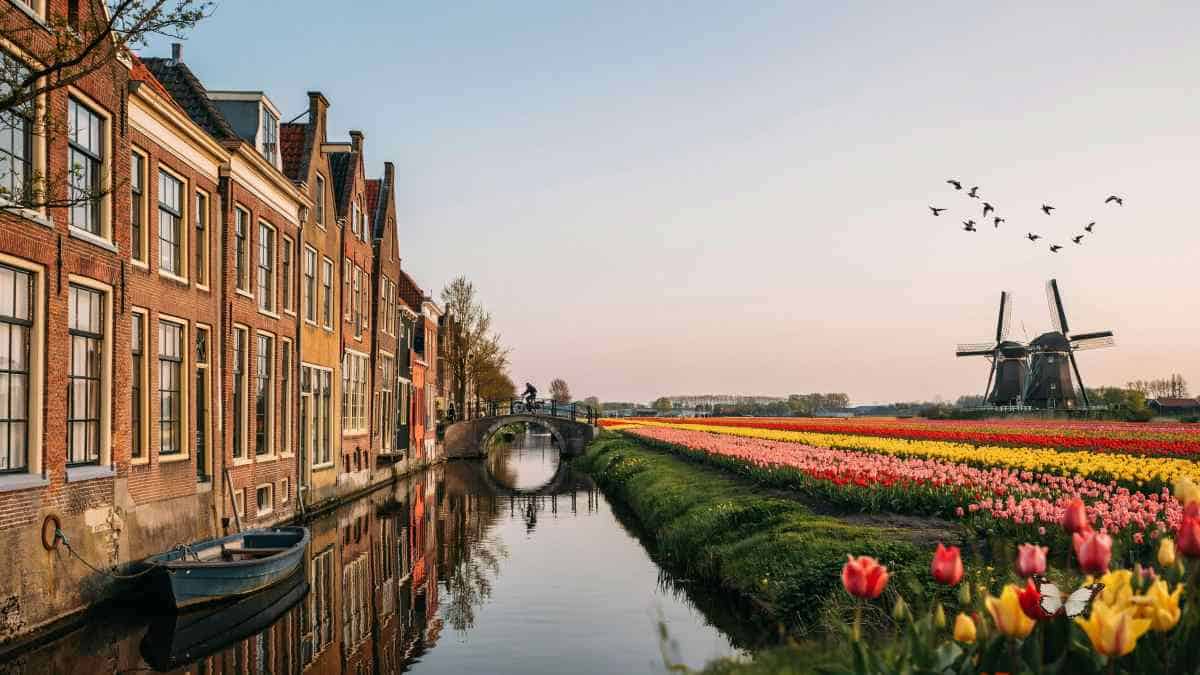
The Netherlands Outpaces France, Spain and Germany in Leading Europe’s Multi-City Travel Boom as Visitors Choose Deeper Local Exploration Over Checklist Tourism. Europe is witnessing a noticeable change in travel behaviour as visitors increasingly swap whirlwind multi-country holidays for deeper journeys within a single destination. Think crossing five countries in one week is still the ultimate European adventure? The latest travel trends suggest otherwise. New tourism data shows a 42% increase in travellers choosing to visit multiple cities within one country, reflecting growing demand for slower, more immersive holidays. Instead of ticking famous landmarks off a list, visitors are extending their stays and exploring regional towns, cultural villages and lesser-known landscapes beyond iconic tourism hotspots such as Amsterdam and Venice. Tourism authorities across Europe are actively encouraging this shift as part of broader efforts to distribute visitor numbers more evenly and reduce pressure on heavily visited destinations.
One Country, Many Destinations
The latest trend highlights how travellers are redefining what a European holiday looks like.
Rather than flying frequently between countries, many visitors are choosing one nation as their base before travelling through several cities using domestic rail services, regional roads and local public transport. This approach allows travellers to experience regional traditions, local cuisine, historic villages and natural landscapes that often remain overlooked during conventional sightseeing itineraries.
Tourism organisations increasingly describe this approach as hyper-local exploration, where visitors spend more time discovering authentic neighbourhoods and communities rather than concentrating exclusively on internationally recognised attractions.
Advertisement
Advertisement
Italy Is Encouraging Visitors Beyond Venice
Could Italy’s lesser-known towns become the country’s next tourism success story?
Venice remains one of Europe’s most visited destinations, yet tourism authorities continue promoting nearby alternatives that encourage longer regional journeys.
Advertisement
Advertisement
Travellers arriving through Venice Marco Polo Airport, approximately 13 kilometres from the historic centre, are increasingly extending holidays to Verona, Padua, Vicenza, Treviso, Bologna and the Dolomites.
Italy’s extensive Frecciarossa high-speed rail network makes these destinations easily accessible, allowing visitors to experience medieval towns, vineyards, lakes and mountain scenery without relying on domestic flights.
The result is a broader travel experience that showcases more of northern Italy while easing visitor concentration within Venice itself.
The Netherlands Looks Beyond Amsterdam
Amsterdam continues attracting millions of international visitors every year, but travellers are increasingly venturing beyond the capital.
Visitors arriving at Amsterdam Schiphol Airport, located approximately 18 kilometres from the city centre, can reach Haarlem, Utrecht, Leiden, Delft, Rotterdam and The Hague using the Netherlands’ highly connected railway network.
These cities offer historic canals, museums, local markets and cultural attractions while providing a different perspective on Dutch life. By encouraging visitors to explore multiple destinations within the country, tourism organisations are helping distribute economic benefits across more communities while reducing overtourism in Amsterdam’s busiest districts.
Advertisement
Advertisement
France, Spain and Germany Expand Regional Tourism
The trend extends well beyond Italy and the Netherlands.
In France, visitors are increasingly combining Paris with Lyon, Strasbourg, Bordeaux, Normandy and the Loire Valley, all connected through the country’s high-speed TGV network.
In Spain, travellers are linking Barcelona with Girona, Tarragona, Valencia and the Costa Brava, while visitors exploring Madrid often continue towards Toledo, Segovia or Salamanca.
Meanwhile, Germany’s ICE rail network allows travellers to connect Berlin, Leipzig, Heidelberg, Nuremberg and Munich, creating flexible itineraries centred on one country rather than several international borders.
Rail Networks Make Regional Exploration Easy
Europe’s transport infrastructure is one of the biggest reasons behind the growing popularity of domestic multi-city holidays.
High-speed rail services, including Frecciarossa, TGV, ICE, AVE, Railjet and Eurostar, connect major cities with regional destinations efficiently while eliminating many of the airport procedures associated with short-haul flights.
Advertisement
Advertisement
Visitors can easily travel between city centres, reducing overall travel time and allowing more opportunities to explore smaller communities during the same holiday.
Accommodation also reflects this trend, with boutique hotels, countryside guesthouses and heritage properties becoming increasingly popular in regional towns alongside established city hotels.
Local Experiences Are Becoming the Main Attraction
The shift towards deeper exploration is changing how travellers spend their time.
Instead of concentrating exclusively on famous landmarks, visitors increasingly participate in vineyard tours, artisan workshops, farmers’ markets, cycling routes, regional festivals and traditional cooking experiences.
Shopping also moves beyond international luxury brands towards local craft stores, neighbourhood markets and independent businesses that showcase regional products and cultural traditions.
This approach encourages visitors to engage more closely with local communities while extending tourism benefits across a wider geographic area.
Advertisement
Advertisement
Key Stats
- 42% increase in travellers choosing multiple cities within a single country.
- Domestic multi-city itineraries are replacing traditional multi-country holidays.
- Amsterdam and Venice remain among Europe’s busiest tourism hubs while promoting regional exploration.
- High-speed rail continues supporting regional tourism growth.
- Hyper-local exploration is becoming a leading European travel trend.
Timeline and Events
- 2025–2026: European tourism boards expand campaigns promoting regional destinations.
- Summer 2026: Multi-city domestic travel increases by 42%.
- 2026 Peak Season: Regional tourism campaigns continue supporting lesser-known towns.
- Ongoing: Rail operators expand connectivity between major cities and regional destinations.
Frequently Asked Questions
What is hyper-local exploration?
Hyper-local exploration involves travelling more deeply within a single country by visiting several cities, towns and rural communities instead of rushing between multiple countries.
Why are travellers choosing one-country holidays?
Longer stays within one destination allow visitors to reduce transport time, discover regional culture and enjoy more authentic experiences while managing travel budgets more effectively.
Which countries are leading this trend?
Italy, the Netherlands, France, Spain and Germany are among the countries promoting regional tourism beyond internationally famous cities such as Venice, Amsterdam, Paris and Barcelona.
Conclusion
The Netherlands Outpaces France, Spain and Germany in Leading Europe’s Multi-City Travel Boom as Visitors Choose Deeper Local Exploration Over Checklist Tourism. Europe’s latest tourism trends show that travellers are increasingly measuring holidays by the depth of their experiences rather than the number of countries visited. With Italy, the Netherlands, France, Spain and Germany encouraging visitors to discover regional towns, supported by extensive rail networks and locally focused tourism initiatives, one-country multi-city journeys are redefining how Europe is explored. As travellers spend more time uncovering authentic communities beyond the continent’s best-known landmarks.
Advertisement
