

Lithuania Connects with Poland, Argentina and More as Religious Tourism Targets 6–7% Growth Across Europe Beyond Vilnius

Updated
Published
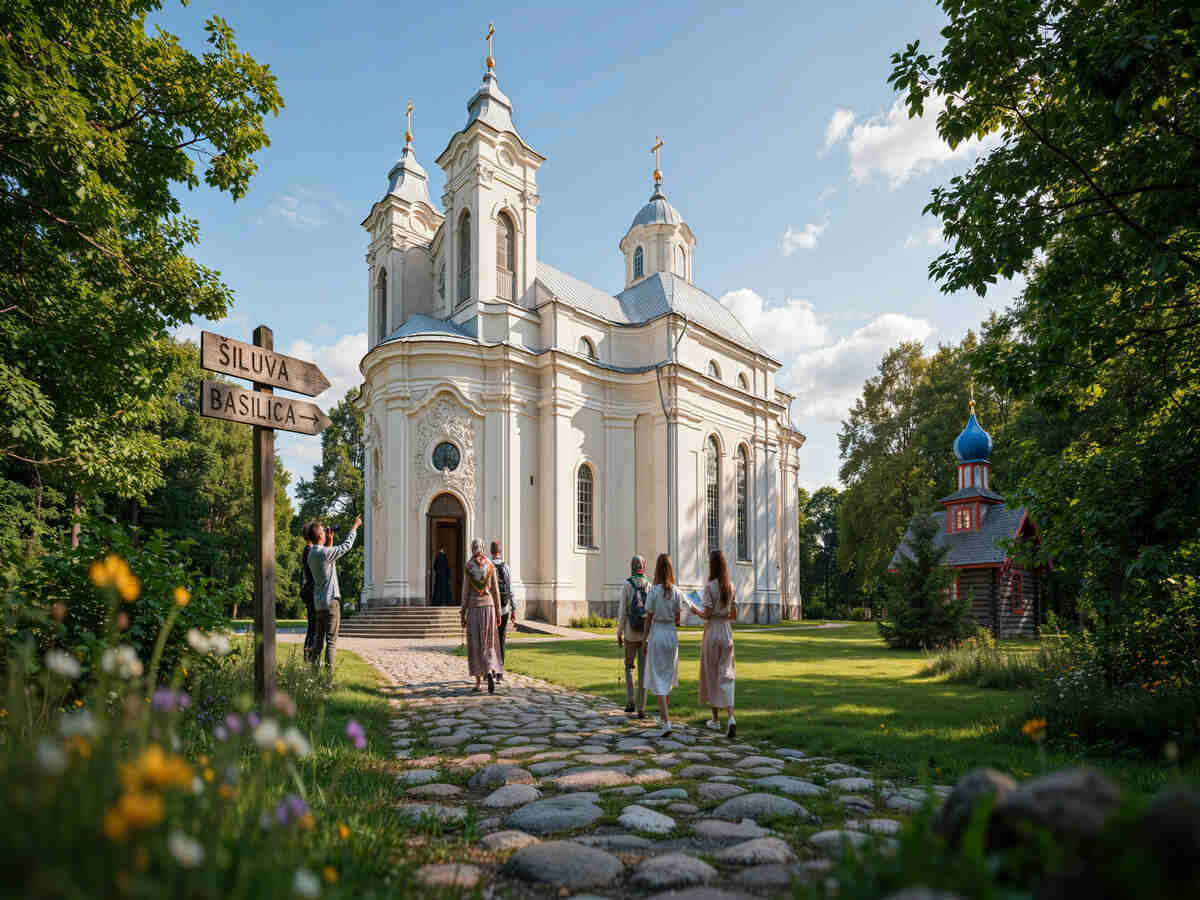
Lithuania, together with Poland, Argentina, and other countries, is seeking to develop religious tourism as the number of pilgrims to Europe is set to grow by 6-7% a year, the country’s officials estimate. Lithuania hopes to attract tourists interested in spiritual matters to more than the capital city of Vilnius, and for them to learn about the country’s ancient churches, shrines, and get to know the village. A first International Religious Tourism Forum was held in Siauliai, and Lithuania wants to establish long-term relationships with partners to encourage visitors to spend more time in the country and find new tourism opportunities.
Lithuania is making a bold move to become a major religious tourism destination in Europe. The country is building new ties with Poland, Argentina, India, Jordan and other nations. Its first International Religious Tourism Forum has brought fresh hope to small towns and historic pilgrimage sites beyond Vilnius. Industry discussions have highlighted a possible 6–7% annual rise in European pilgrimage tourism, although this forecast remains unverified. Lithuania now wants travellers to stay longer, discover ancient churches and support local communities. From Šiluva to the Hill of Crosses, the country hopes to turn its rich religious history into fresh tourism opportunities.
Lithuania Builds International Tourism Connections Beyond Vilnius
Lithuania has taken an important step towards attracting more religious visitors from around the world.
Its first International Religious Tourism Forum took place in Raseiniai and Šiluva on 1–2 October 2026.
Advertisement
Advertisement
More than 130 people attended, according to Lithuanian broadcaster LRT. Participants came from countries including Poland, Uruguay, India, Argentina and Jordan.
The event brought together travel companies, tourism experts and religious representatives.
Advertisement
Advertisement
They explored ways to make Lithuania’s smaller towns more popular with overseas visitors.
The goal is to create travel routes that include historic churches, religious festivals and local cultural experiences.
Advertisement
Advertisement
Such trips could help visitors discover a different side of Lithuania.
European Pilgrimage Tourism Could Grow 6–7% Each Year
Religious tourism could become an important part of Europe’s travel industry.
LRT reported a forecast attributed to the United Nations World Tourism Organisation suggesting European pilgrimage tourism could grow by 6–7% annually.
However, the original forecasting document has not been independently confirmed. The figure should therefore be treated as a reported projection, not guaranteed growth or an official Lithuanian target.
Advertisement
Advertisement
Tourism experts believe more travellers want holidays that offer something beyond sightseeing.
Many seek peace, history and meaningful experiences.
Suleiman Farajat, a cultural tourism professor at the University of Jordan, said religious travellers have different motivations and may be less affected by geopolitical concerns.
This could offer Lithuania opportunities in international tourism.
Šiluva Becomes the Centre of Lithuania’s New Tourism Ambitions
Šiluva is a small town with a remarkable religious history.
It is famous for a Marian apparition traditionally dated to 1608.
Advertisement
Advertisement
Today, thousands of pilgrims visit its churches and sacred places.
LRT reports that around 100,000 pilgrims travel to Šiluva each year, with many coming from Poland.
Visitors attend Mass, explore religious landmarks and learn about local traditions.
The town also offers accommodation and services for pilgrims.
Its annual September religious celebrations attract people who come to pray and take part in traditional ceremonies.
Lithuania hopes more international visitors will discover Šiluva and explore other nearby towns during the same holiday.
Advertisement
Advertisement
Ninety-Eight Tourism Business Meetings Create New Opportunities
The October forum was not only about religious history.
It also focused on business.
Organisers arranged 98 meetings between tourism businesses and travel organisers.
Seven travel organiser representatives took part in meetings with service providers and exhibition participants from 21 organisations.
They discussed accommodation, transport, attractions and possible travel programmes.
This matters for Lithuania’s smaller communities.
Advertisement
Advertisement
More visitors could mean more guests for family-run hotels, more customers for restaurants and more work for local guides.
However, the meetings do not yet confirm new bookings or business contracts.
The next task is to turn these connections into real travel packages that visitors can book.
Hill of Crosses and Ancient Monasteries Offer Unforgettable Experiences
Lithuania has several religious landmarks that remain less familiar to many overseas travellers.
One is the Hill of Crosses near Šiauliai.
The site is covered with crosses of different sizes. They represent faith, memory and national identity.
Advertisement
Advertisement
Another important destination is Žemaičių Kalvarija, known for its Catholic pilgrimage traditions and historic Way of the Cross.
Tytuvėnai also offers an impressive Bernardine monastery complex.
Visitors can explore old buildings, religious art and local history.
International tourism professionals visited these destinations during the forum programme.
By connecting these sites, Lithuania could create longer journeys that combine religion, culture and countryside experiences.
Lithuania’s 190-Kilometre Pilgrimage Route Offers a Fresh Travel Adventure
Lithuania already has a special pilgrimage route called the Way of Grace, or Via Gratiarum.
Advertisement
Advertisement
The driving route stretches for 190 kilometres. It links 30 religious sites across four municipalities.
Visitors can travel by car, bicycle or on foot.
The journey can take two or three days by car, three or four days by bicycle, or seven to eight days on foot.
Travellers can visit churches, historic villages and natural attractions along the way.
This route could help tourists spend more time outside Vilnius.
It could also bring new business to small communities that rarely receive large international tour groups.
Advertisement
Advertisement
Longer Holidays Could Bring More Money to Lithuania’s Rural Regions
Lithuania wants religious visitors to spend more nights in the country.
The LRT report says foreign tourists often stay for two or three nights. Experts hope new pilgrimage routes could encourage four- or five-night holidays.
Longer visits could help local businesses.
Tourists need places to sleep, food to eat and transport between attractions.
They may also buy local products and join guided tours.
Lithuania welcomed around 1.5 million foreign tourists in 2025.
Advertisement
Advertisement
The opportunity now is to encourage more of these visitors to explore rural destinations.
However, longer stays remain a goal. The forum has not yet proved that visitors are extending their holidays.
Vilnius and Rural Lithuania Could Work Together to Attract More Visitors
Vilnius remains an important starting point for international travellers.
After the forum, some overseas guests joined a special programme in the capital on 3–4 October.
They explored its religious heritage, including the Divine Mercy tradition.
This visit showed how Lithuania could connect its capital with smaller pilgrimage towns.
Advertisement
Advertisement
Visitors could begin in Vilnius before travelling to Šiluva, the Hill of Crosses and other sacred sites.
Better transport, clear information and reliable accommodation will be essential.
Lithuania’s biggest opportunity is to turn its religious heritage into connected travel experiences.
The new international partnerships offer hope for rural tourism, but success will depend on real bookings, longer visits and lasting benefits for local communities.
Source verification: Forum dates, participation, business meetings and itinerary are supported by Raseiniai District Municipality and Šiluva’s official programme. Route distances are published by Way of Grace. The 6–7% growth figure is attributed to LRT and remains an unverified projection.
Lithuania’s emerging niche of religious tourism could bring new opportunities to its small towns and villages. By establishing connections with Poland, Argentina, and other countries, Lithuania is going to provide more travelers with an opportunity to appreciate its churches, sights, and culture, not only in the capital city. Although the expected annual growth of 6-7% of European peregrinations is not confirmed, the potential is still there. If effectively developed, Lithuania’s tourism sector could impact the local community by attracting more visitors, increasing the length of their stay, and diversifying the flow of travelers. This could have a positive effect on Lithuania’s rural areas and overall tourism industry.
Advertisement
